Everlasting Flower
Helichrysum bracteatum (syn. Xerochrysum bracteatum)
Overview
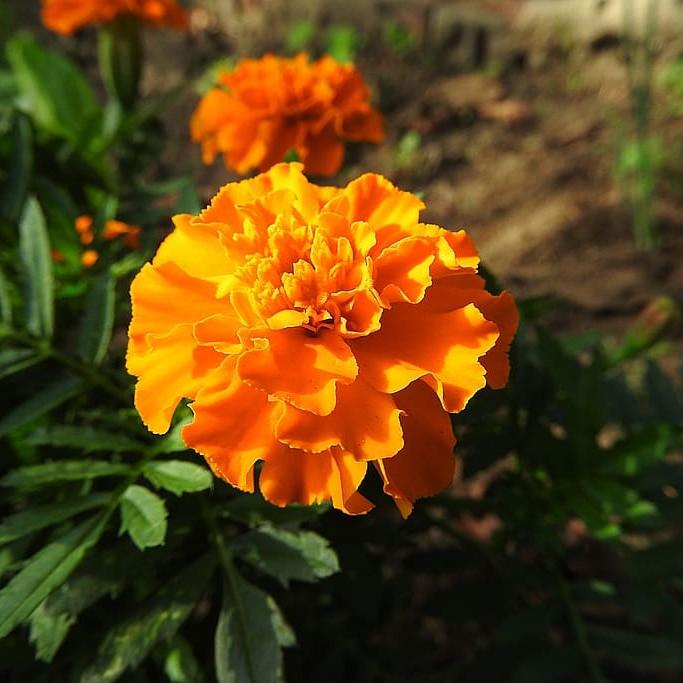
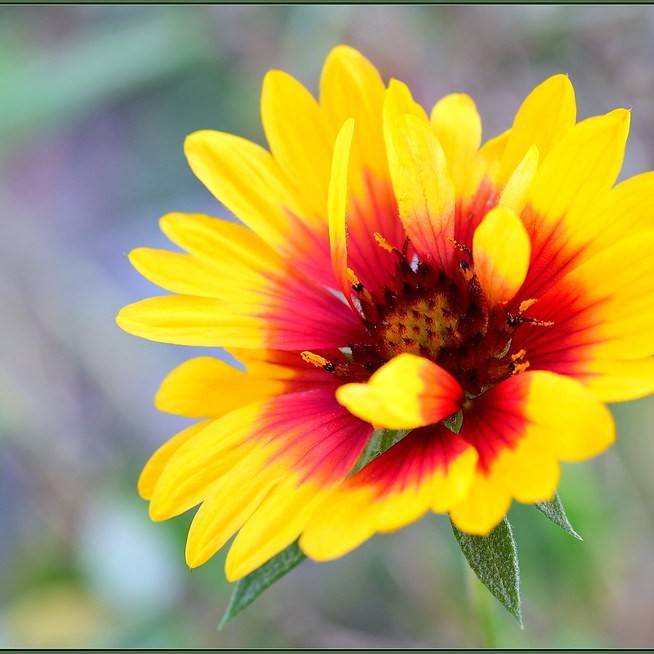
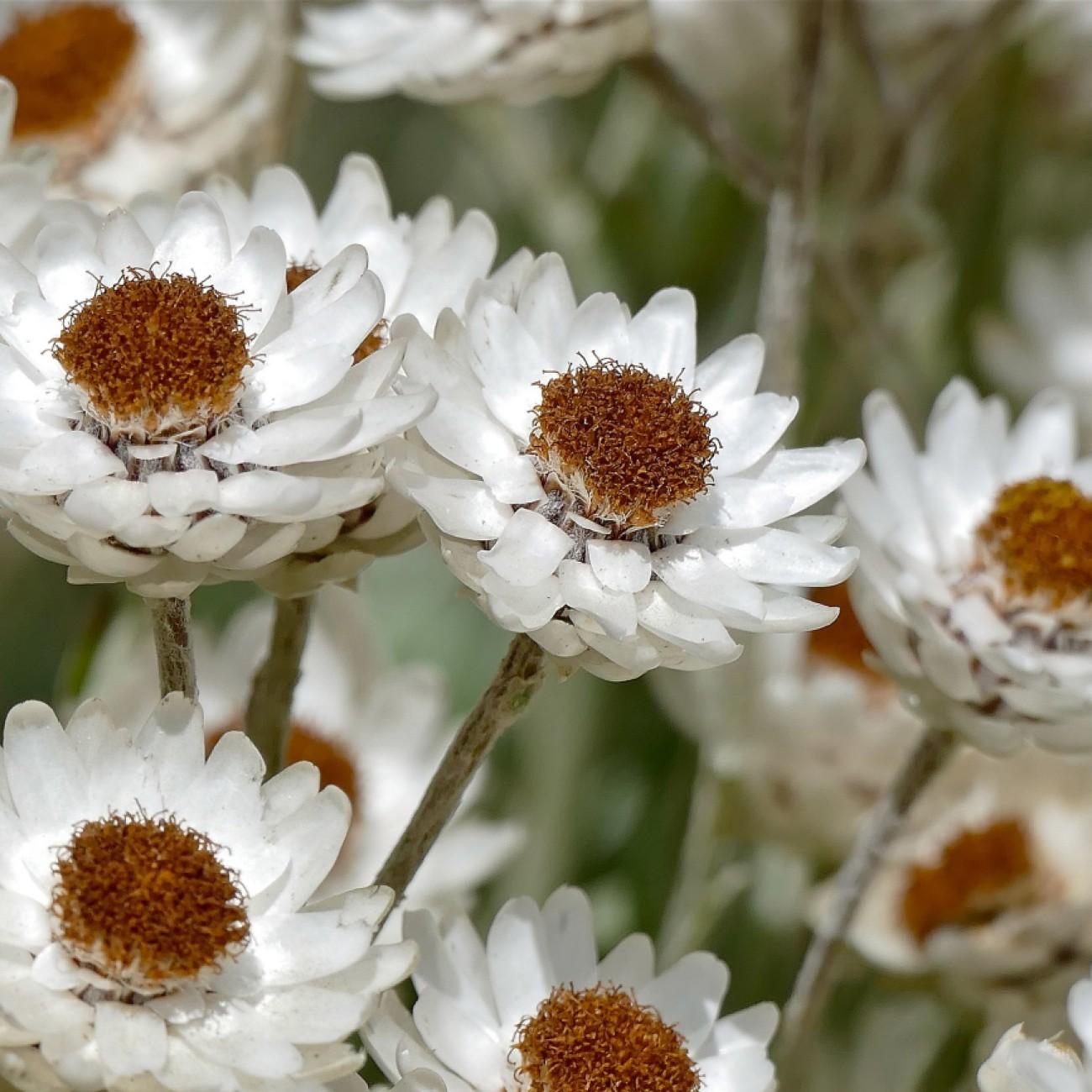
Everlasting flower, also called strawflower, is named for its stiff, papery bracts that retain their shape and vivid color for years when dried. Native to open grasslands and dry regions of Australia, it has been cultivated globally for its long-lasting cut flowers and low-maintenance growth habits. Its blooms range in color from white, yellow, and pink to deep red, orange, and purple, with a central yellow disc floret typical of the daisy family.
Care Guide
Watering
Water everlasting flowers deeply only when the top 1-2 inches of soil feel dry, as overwatering can cause root rot, especially in cool, shaded conditions. Once established, they are highly drought tolerant and require minimal supplemental watering, making them ideal for xeriscaping or low-water gardens. Avoid watering directly onto the blooms to prevent blemishing the papery bracts.
Light
Plant everlasting flowers in a location that receives full, direct sun for at least 6-8 hours per day to encourage robust growth and abundant flowering. Insufficient light will lead to leggy, weak stems and reduced bloom production, as well as increased risk of fungal diseases. They can tolerate partial sun in extremely hot climates, but full sun yields the best results.
Soil
Everlasting flowers thrive in well-drained, sandy or loamy soil with a neutral to slightly acidic pH between 6.0 and 7.0. They tolerate poor, low-nutrient soils well, but will not survive in heavy, waterlogged clay soils that retain excess moisture. Amending heavy soil with coarse sand or perlite at planting time will improve drainage sufficiently to support healthy growth.
Fertilizer
Fertilize sparingly, as excessive nutrients will promote lush foliage growth at the expense of blooms. Apply a balanced, slow-release 10-10-10 fertilizer at half the recommended rate once at planting time, and avoid additional feedings throughout the growing season. Over-fertilization can also lead to weak stems that bend or break under the weight of blooms.
Temperature
Everlasting flowers prefer warm temperatures between 65–85°F (18–29°C) and thrive in hot, dry summer conditions. They are frost-sensitive and will die back immediately if exposed to freezing temperatures, so plant them outdoors only after all risk of frost has passed in spring. They can tolerate brief heatwaves above 90°F (32°C) as long as soil drainage is good.
Pruning
Pinch back young stem tips when plants are 4-6 inches tall to encourage bushier growth and more abundant bloom production. Deadhead spent flowers regularly throughout the growing season to stimulate continuous blooming until the first frost. If growing for dried arrangements, harvest blooms when they are just fully open, cutting stems at the desired length and hanging them upside down in a cool, dark, dry place to cure.
Propagation
Everlasting flowers are most commonly propagated from seed, sown directly outdoors after the last frost, or started indoors 6-8 weeks before the last expected frost date for earlier blooms. Press seeds lightly into the soil surface, as they require light to germinate, which typically occurs within 7-10 days at temperatures between 70–75°F (21–24°C). They do not transplant well, so use biodegradable pots if starting indoors to avoid disturbing the root system at planting time.
Humidity
Everlasting flowers prefer low to moderate humidity levels between 30-50% and are well-adapted to dry, arid climates. High humidity, especially combined with poor air circulation, increases the risk of fungal diseases such as powdery mildew and root rot. If growing in humid regions, space plants 12-18 inches apart to promote good air flow around foliage and blooms.
Repotting
As annuals, everlasting flowers do not require repotting during their single growing season. If grown in containers, select a pot with ample drainage holes and fill it with well-drained potting mix at planting time, and avoid moving the pot unnecessarily to prevent stem breakage. At the end of the growing season, discard spent plants and refresh the potting mix before replanting the following year.
Uses & Symbolism
Everlasting flowers are most widely used in dried floral arrangements, wreaths, and craft projects, as their papery bracts retain color and shape for years without wilting or fading. They are also popular as long-lasting cut flowers in fresh bouquets, and are a common addition to pollinator gardens, as their blooms attract bees, butterflies, and other beneficial insects. In traditional Australian herbal medicine, extracts from the plant have been used to soothe minor skin irritations and reduce inflammation.
Diseases & Pests
Everlasting flowers are relatively pest and disease resistant, but can be affected by aphids and spider mites during periods of prolonged dry heat, which can be controlled with insecticidal soap or neem oil sprays. Fungal diseases including powdery mildew and root rot occur most often in overly wet, poorly drained soil or high-humidity conditions with poor air circulation. Prevent disease issues by planting in well-drained soil, spacing plants properly for air flow, and avoiding overhead watering that wets foliage and blooms.
Related plants
Other plants you might like if you grow Everlasting Flower.