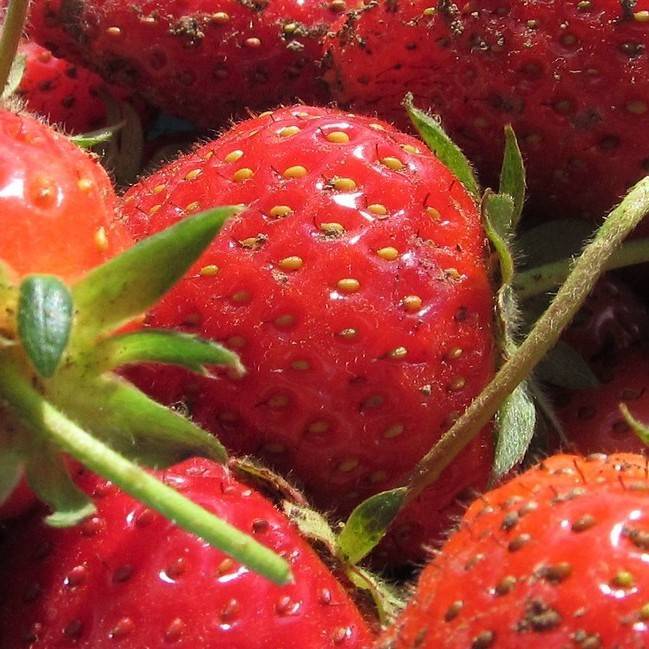
Everbearing Strawberry
Fragaria × ananassa 'Everbearing'
Overview
Everbearing strawberries are popular fruiting perennials developed to crop repeatedly throughout the growing season, unlike June-bearing varieties that produce a single large harvest. They form low, spreading clumps of bright green, serrated foliage, sending out long runners that root to form new plants. Their small, white five-petaled flowers bloom in succession, followed by plump, red berries with a classic sweet-tart strawberry flavor ideal for fresh eating, preserves, and baking.
Care Guide
Watering
Keep soil consistently moist but not waterlogged, providing 1-2 inches of water per week; increase frequency during hot, dry spells to prevent berry shriveling. Avoid overhead watering to reduce fungal disease risk, targeting water directly at the root zone instead. Reduce watering gradually in fall as the plant enters dormancy.
Light
Grow in full sun, which means a minimum of 6-8 hours of direct, unfiltered sunlight daily for maximum fruit production. Plants can tolerate partial shade, but yields will be lower and berries may be less sweet. For indoor container growing, place near a south-facing window or supplement with grow lights to meet light requirements.
Soil
Plant in well-draining, loamy soil with a slightly acidic pH between 5.5 and 6.8. Amend heavy clay or sandy soils with compost, aged manure, or peat moss to improve structure, nutrient content, and moisture retention. Avoid planting in areas where tomatoes, peppers, or potatoes have grown in the past 3 years to reduce the risk of soil-borne diseases.
Fertilizer
Apply a balanced, slow-release 10-10-10 fertilizer at planting time, then side-dress with a nitrogen-rich fertilizer once in early spring and again after the first major harvest. Avoid over-fertilizing, as this can lead to excessive foliage growth and reduced fruit production. Do not fertilize in late fall, as new growth will be vulnerable to frost damage.
Temperature
Thrive in temperatures between 60-80°F (15-27°C) during the growing season. Flowers and developing fruit can be damaged by frost, so cover plants with row covers if late spring or early fall cold snaps are forecast. In colder zones below USDA hardiness zone 5, mulch heavily with straw in late fall to protect crowns from winter freeze damage.
Pruning
Pinch off flower buds for the first 4-6 weeks after planting to encourage strong root and foliage development, which supports higher long-term yields. Trim away yellowed or diseased leaves throughout the growing season to improve air circulation. For plants grown as perennials, remove excess runners regularly to prevent overcrowding and direct energy to fruit production.
Propagation
Most commonly propagated via runners, which are long, horizontal stems that grow from the parent plant and form small, rooted plantlets at their nodes. Pin plantlets into the soil while still attached to the parent, then sever the connecting stem once the new plant has developed a strong root system, usually after 3-4 weeks. Can also be grown from seed, but seed-grown plants may not retain the exact characteristics of the parent cultivar.
Humidity
Prefers moderate humidity levels between 40-60% for optimal growth and fruit development. High humidity above 70% combined with poor air circulation increases the risk of fungal diseases like powdery mildew and botrytis fruit rot. Low humidity below 30% can cause blossom drop and dry, underdeveloped berries, so mist plants or use a humidity tray for indoor container specimens if needed.
Repotting
Container-grown everbearing strawberries should be repotted every 1-2 years in early spring before new growth begins. Use a slightly larger pot with fresh, nutrient-rich potting mix, and trim away any dead or crowded roots during repotting. Replace the top 1-2 inches of soil annually for plants that are not being fully repotted to replenish nutrients.
Uses & Symbolism
Everbearing strawberries are primarily grown for their edible fruit, which is eaten fresh, frozen, or used in jams, pies, smoothies, and other culinary preparations. They are popular for container growing on patios, balconies, and windowsills, as well as in raised garden beds and edible landscaping. Their low, spreading habit and attractive foliage and flowers also make them a useful ground cover for sunny garden areas.
Diseases & Pests
Common fungal diseases include powdery mildew, botrytis gray mold, and verticillium wilt, which are exacerbated by poor air circulation, overhead watering, and high humidity. Common pests include aphids, spider mites, slugs, snails, and strawberry root weevils, which can damage foliage, fruit, and root systems. Proper spacing, crop rotation, and regular inspection for signs of pests or disease can help prevent most issues, with organic pesticides or slug bait used as needed for infestations.
Related plants
Other plants you might like if you grow Everbearing Strawberry.
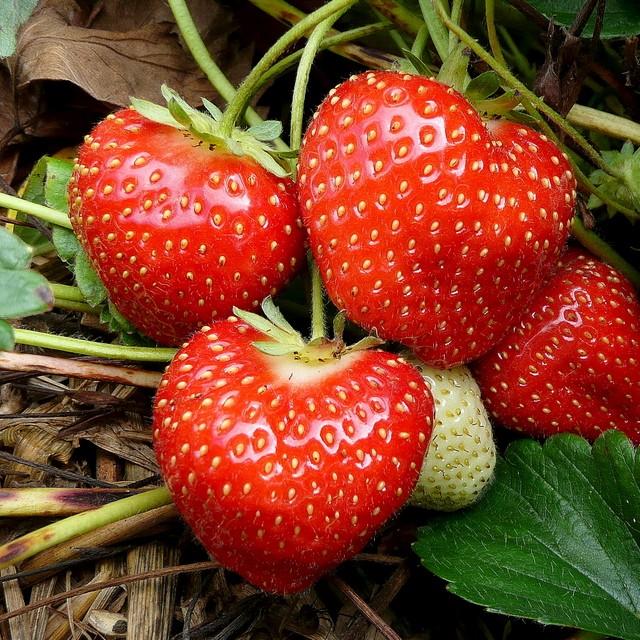
Junebearing Strawberry
Fragaria × ananassa (June-bearing cultivars)
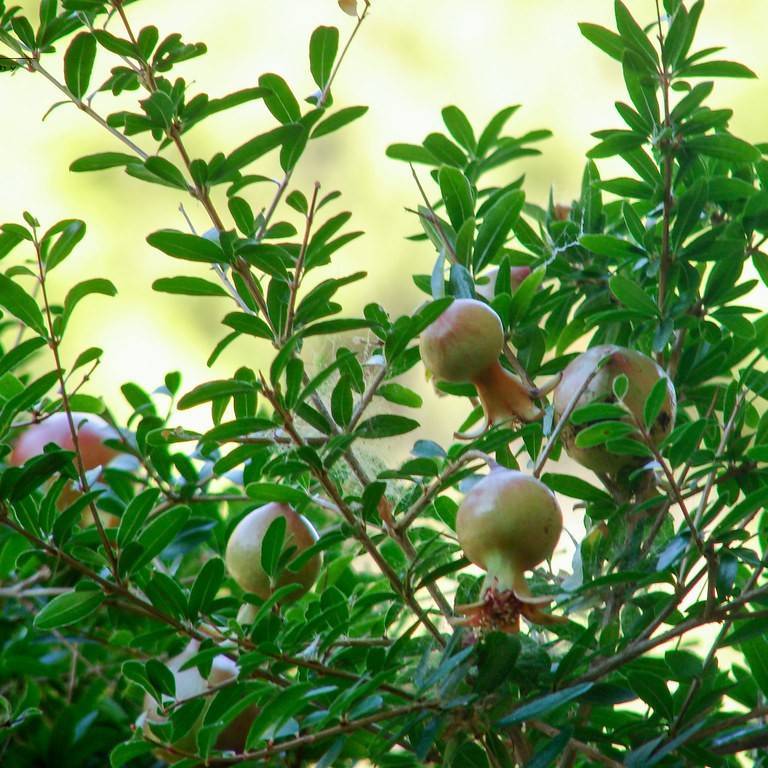
Dwarf Pomegranate
Punica granatum var. nana
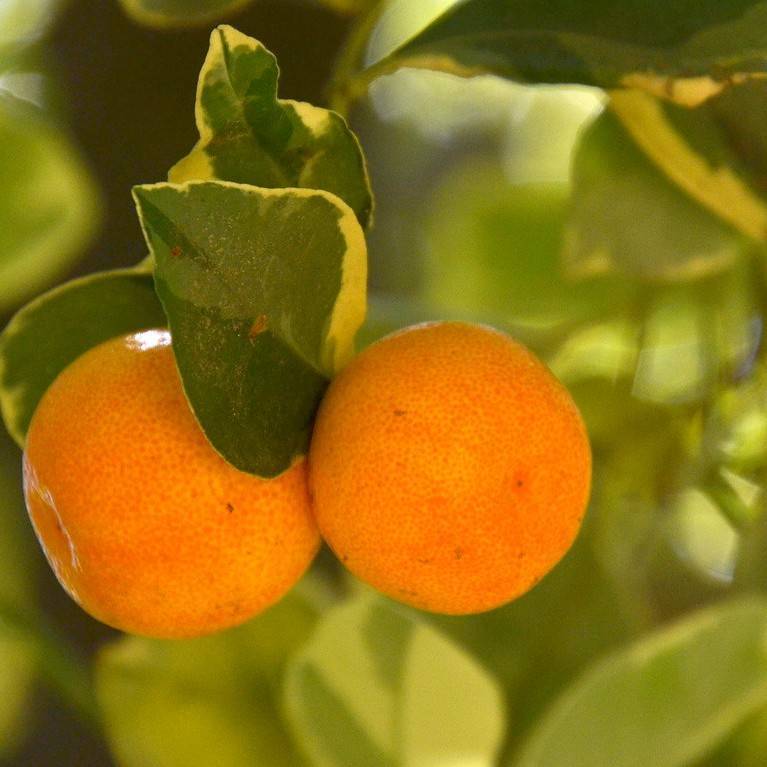
Calamondin Orange
Citrus × microcarpa
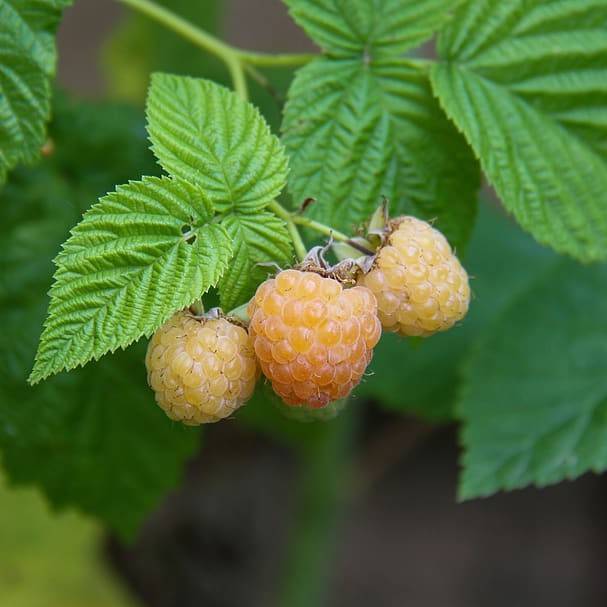
Everbearing Raspberry
Rubus idaeus var. strigosus 'Everbearing'
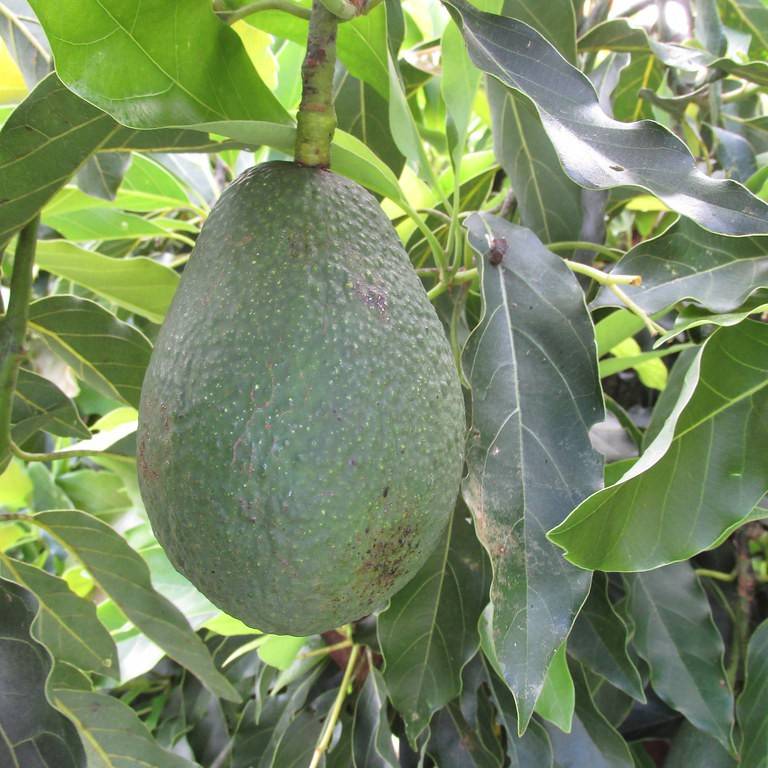
Avocado
Persea americana
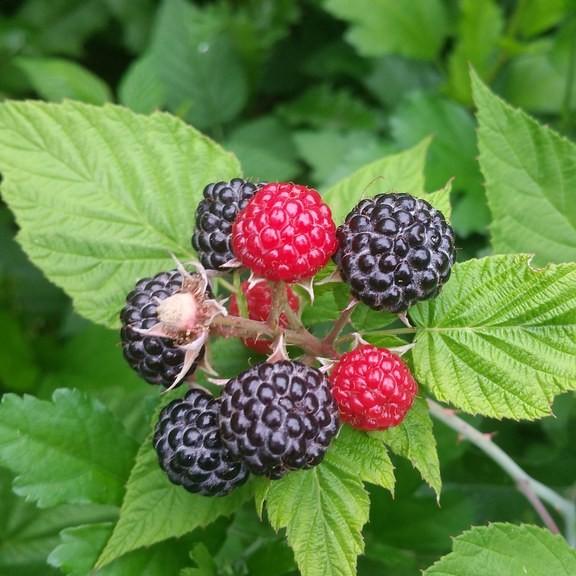
Black Raspberry
Rubus occidentalis
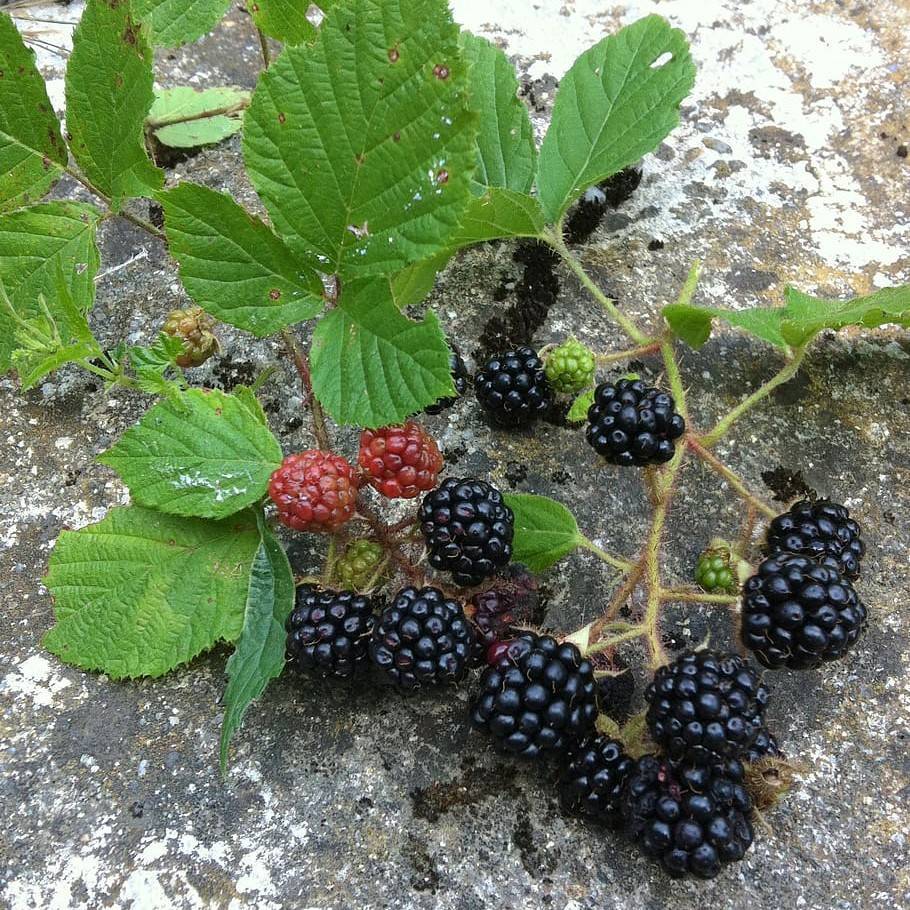
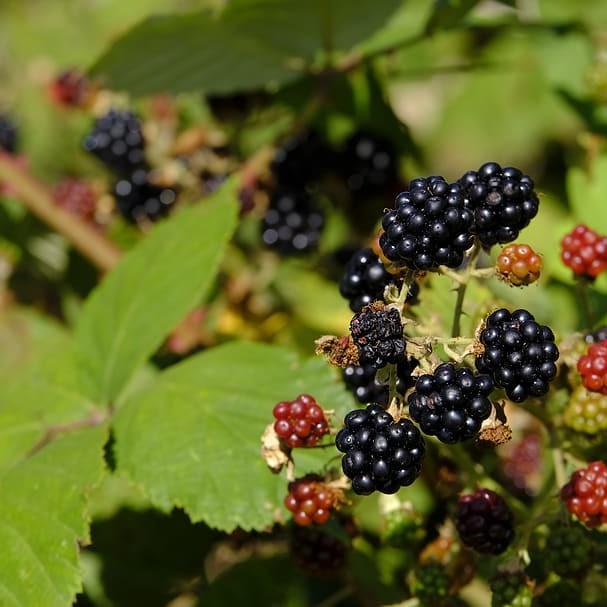
Blackberry
Rubus fruticosus agg.
Boysenberry
Rubus ursinus × idaeus 'Boysen'