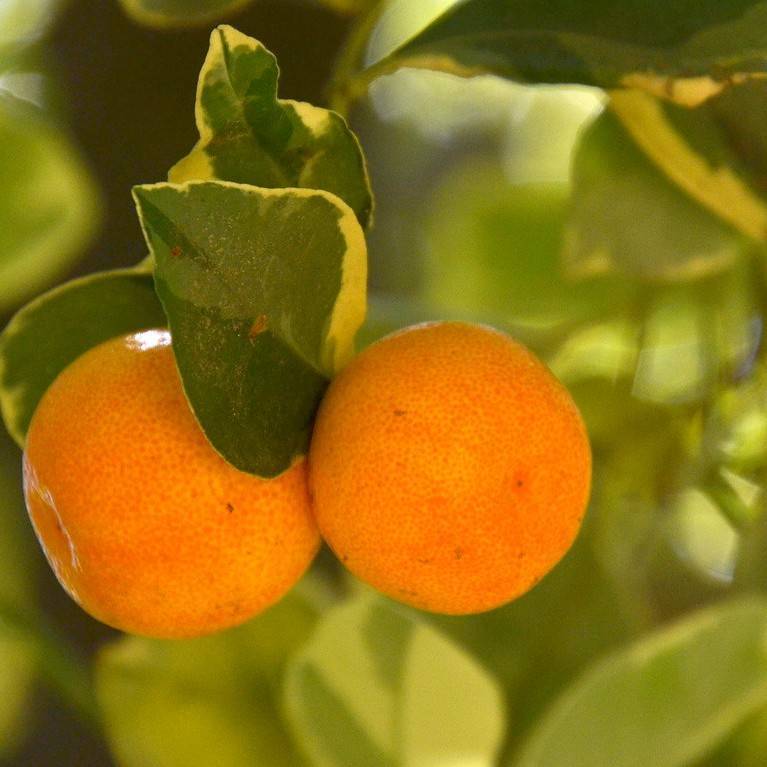
Calamondin Orange
Citrus × microcarpa
Overview
Calamondin orange is a naturally occurring hybrid between a kumquat and a mandarin orange, valued for its year-round decorative appeal and edible fruit. It features small, dark green glossy leaves, fragrant white star-shaped flowers, and tiny 1-2 inch bright orange fruits that ripen continuously throughout the year in suitable conditions. The fruit has a thin, sweet peel and intensely sour flesh, making it a popular choice for preserves, beverages, and culinary garnishes. It is one of the most cold-hardy small citrus varieties, tolerant of brief light freezes that damage more sensitive citrus species.
Care Guide
Watering
Allow the top 1-2 inches of soil to dry out completely between waterings to prevent root rot, then water thoroughly until excess drains from the pot’s bottom holes. Reduce watering frequency significantly during the winter months when the plant enters a slower growth phase, and avoid using cold or chlorinated water which can stress the root system.
Light
Requires full sun exposure, meaning a minimum of 6-8 hours of direct bright light daily to support flowering and fruit production. Indoors, place it near a south-facing window, and supplement with grow lights during darker winter months to prevent leaf drop and encourage consistent growth.
Soil
Thrives in well-draining, slightly acidic soil with a pH between 5.5 and 6.5, formulated specifically for citrus or cactus/succulent mixes to ensure proper aeration. Avoid heavy, compacted garden soils that hold excess moisture, and amend standard potting mix with perlite or pine bark to improve drainage if needed.
Fertilizer
Feed with a balanced, slow-release citrus fertilizer formulated for acid-loving plants every 4-6 weeks during the active growing season from spring to early fall. Reduce fertilization to once every 2-3 months in winter, and avoid over-fertilizing which can cause leaf burn and reduce fruit set.
Temperature
Prefers average daytime temperatures between 65-75°F (18-24°C) and nighttime temperatures no lower than 55°F (13°C) for optimal growth and fruit production. It can tolerate brief dips as low as 20°F (-7°C) when planted outdoors in USDA hardiness zones 9-11, but potted indoor plants should be kept away from cold drafts and heating vents.
Pruning
Prune lightly in early spring before new growth emerges to remove dead, damaged, or crossing branches, and to shape the plant to your desired size, particularly for indoor container specimens. Pinch back new growth tips periodically during the growing season to encourage bushier, more compact growth and increase flower and fruit production. Remove any small, underdeveloped fruits early in the season to redirect the plant’s energy to fewer, larger, healthier fruits.
Propagation
Most commonly propagated from stem cuttings taken in late spring or early summer, using 4-6 inch semi-hardwood cuttings dipped in rooting hormone and placed in moist, well-draining potting mix under high humidity. It can also be grown from fresh seeds, though seed-grown plants will take 3-5 years to produce fruit, while cutting-grown specimens often bear fruit in as little as 1-2 years. Grafting onto hardy citrus rootstock is common for commercial production to improve disease resistance and cold tolerance.
Humidity
Prefers moderate to high humidity levels between 50-70% to prevent leaf browning and drop, especially when grown indoors in dry heated environments during winter. Increase humidity around the plant by placing it on a pebble tray filled with water, regularly misting the leaves with room-temperature water, or running a small humidifier nearby.
Repotting
Repot young calamondin orange plants every 1-2 years in early spring, moving to a pot just 1-2 inches larger in diameter than the current one to avoid overpotting and excess moisture retention. Mature plants only need repotting every 3-4 years, or when roots begin to grow out of the drainage holes, and you can refresh the top 2 inches of soil annually between repottings to replenish nutrients.
Uses & Symbolism
The tart, tangy fruit is commonly used to make marmalades, jams, curds, and beverages including lemonade substitutes, cocktails, and infused teas, and the thin sweet peel can be candied or used as a zesty garnish for dishes. It is widely grown as an ornamental container houseplant or patio plant for its glossy foliage, fragrant white blooms, and year-round bright orange fruits that add decorative appeal to indoor and outdoor spaces. In traditional Southeast Asian medicine, the fruit juice is used topically to treat minor skin irritations and as a natural bleach for stains.
Diseases & Pests
Common pests include aphids, scale insects, spider mites, and citrus leafminers, which can be controlled with neem oil, insecticidal soap, or horticultural oil applications, and regular inspection of leaf undersides to catch infestations early. Root rot is the most prevalent fungal disease, caused by overwatering or poorly draining soil, and can be prevented by allowing the top layer of soil to dry between waterings and avoiding standing water in saucers. Citrus greening disease, spread by psyllid insects, is a serious bacterial threat to outdoor plants in warm regions, causing yellowing leaves, misshapen bitter fruit, and eventual plant death with no known cure.
Related plants
Other plants you might like if you grow Calamondin Orange.
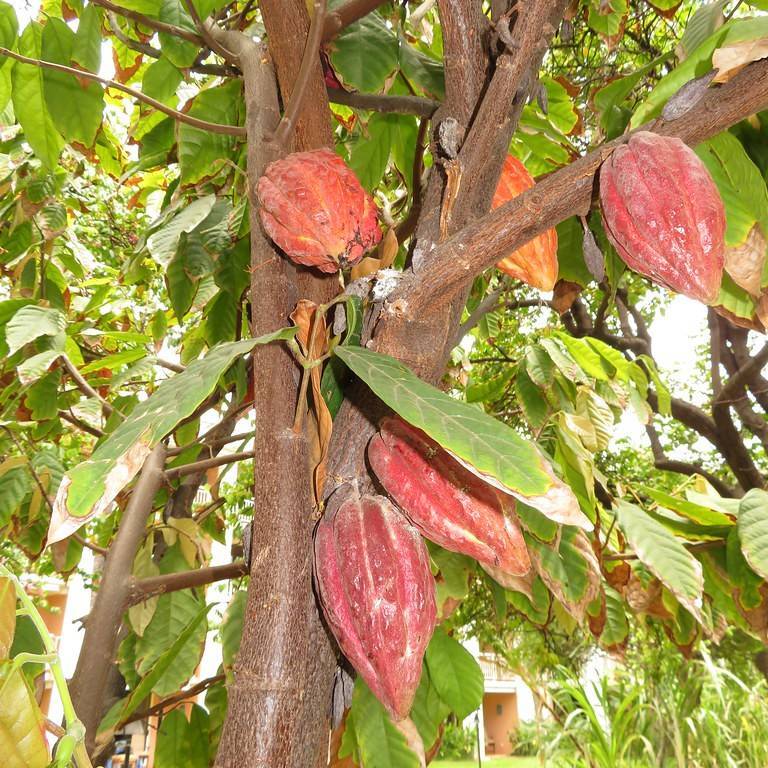
Cacao
Theobroma cacao
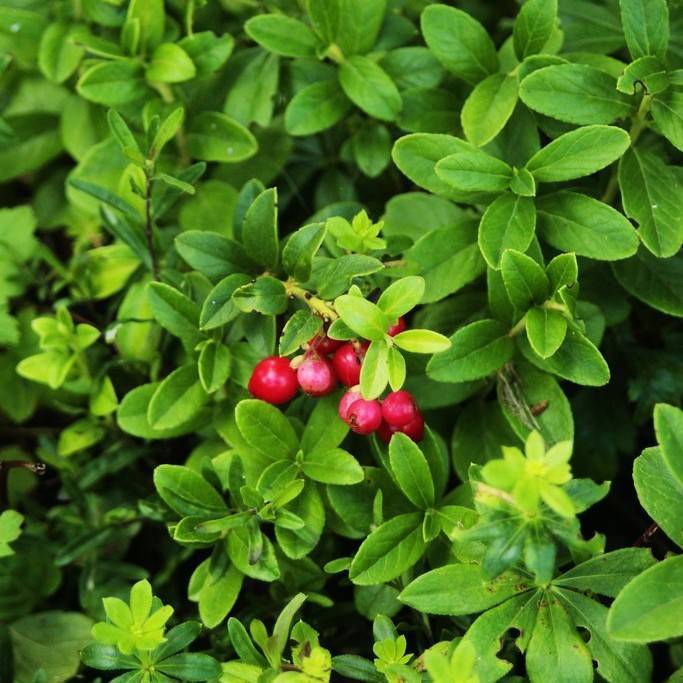
American Cranberry
Vaccinium macrocarpon
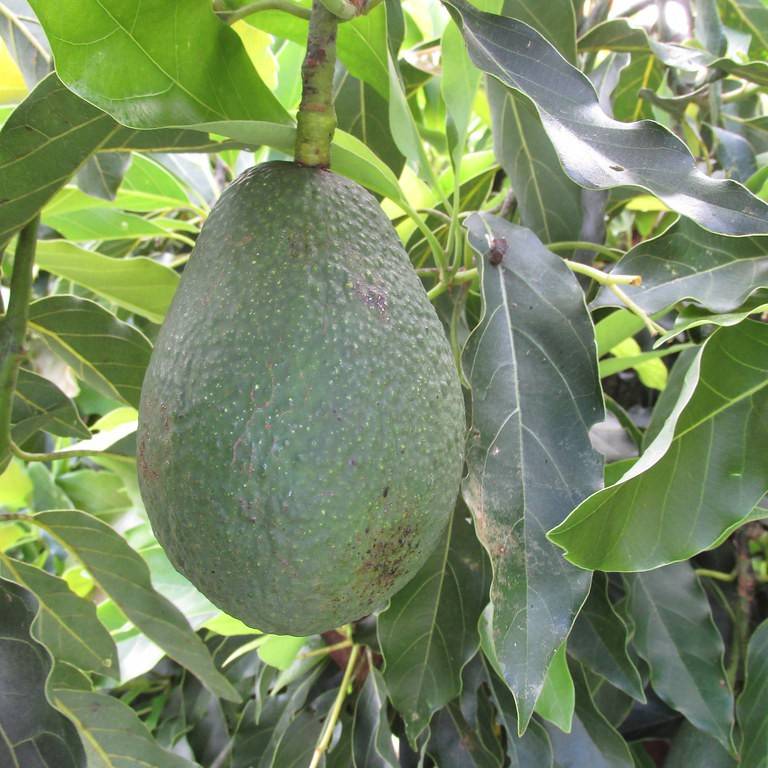
Avocado
Persea americana
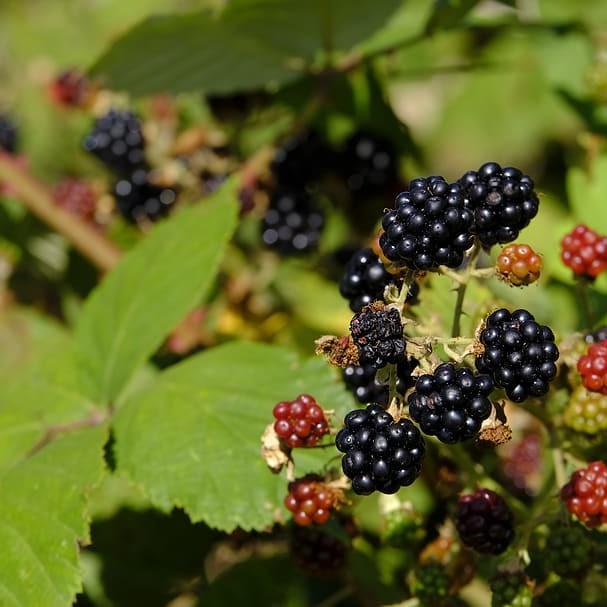
Boysenberry
Rubus ursinus × idaeus 'Boysen'
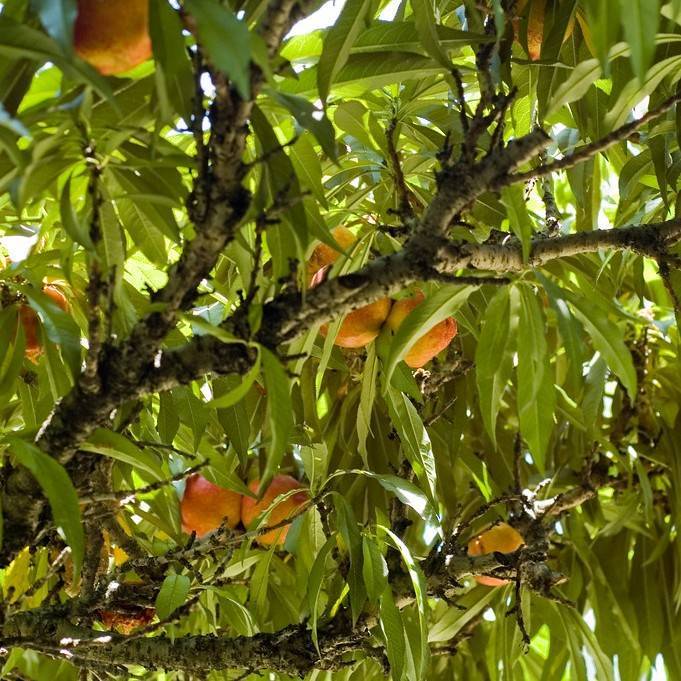
Dwarf Nectarine
Prunus persica var. nucipersica 'Dwarf'
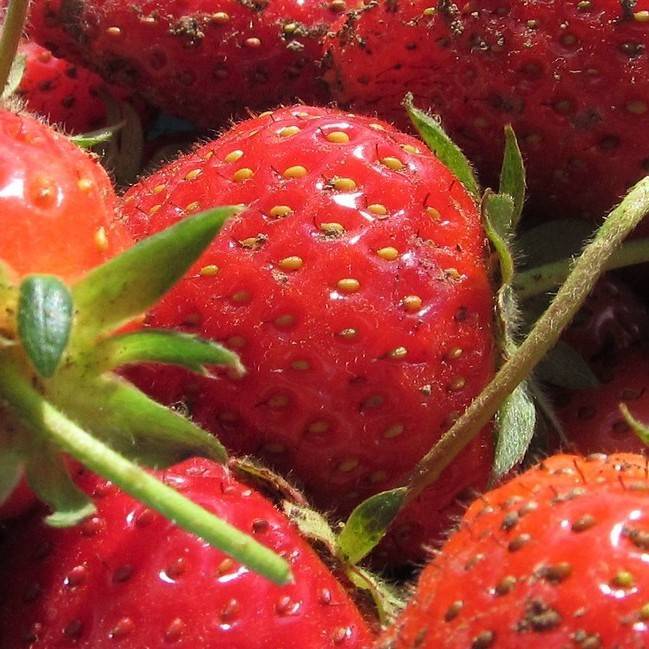
Everbearing Strawberry
Fragaria × ananassa 'Everbearing'
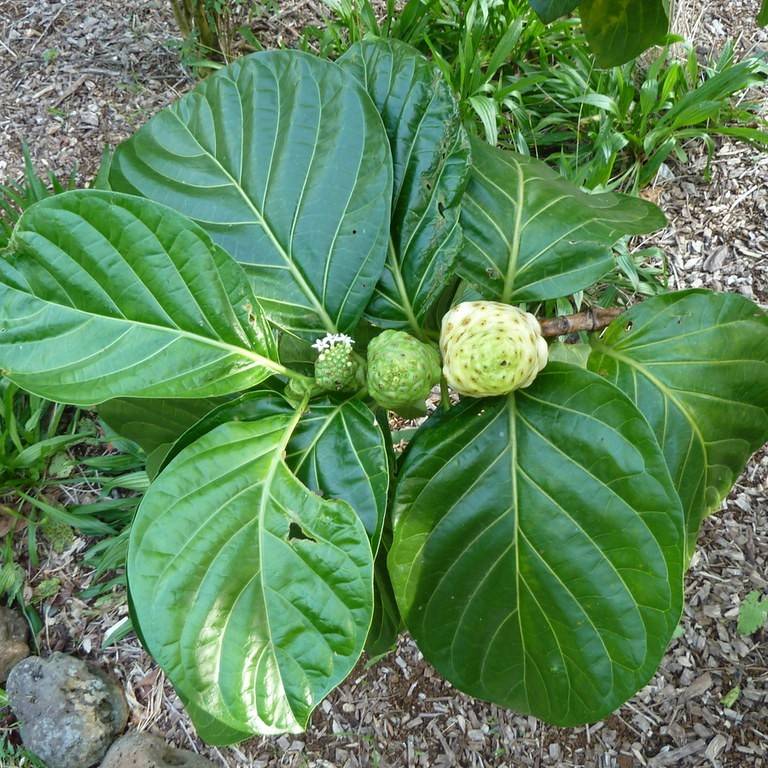
Indian Mulberry
Morinda citrifolia
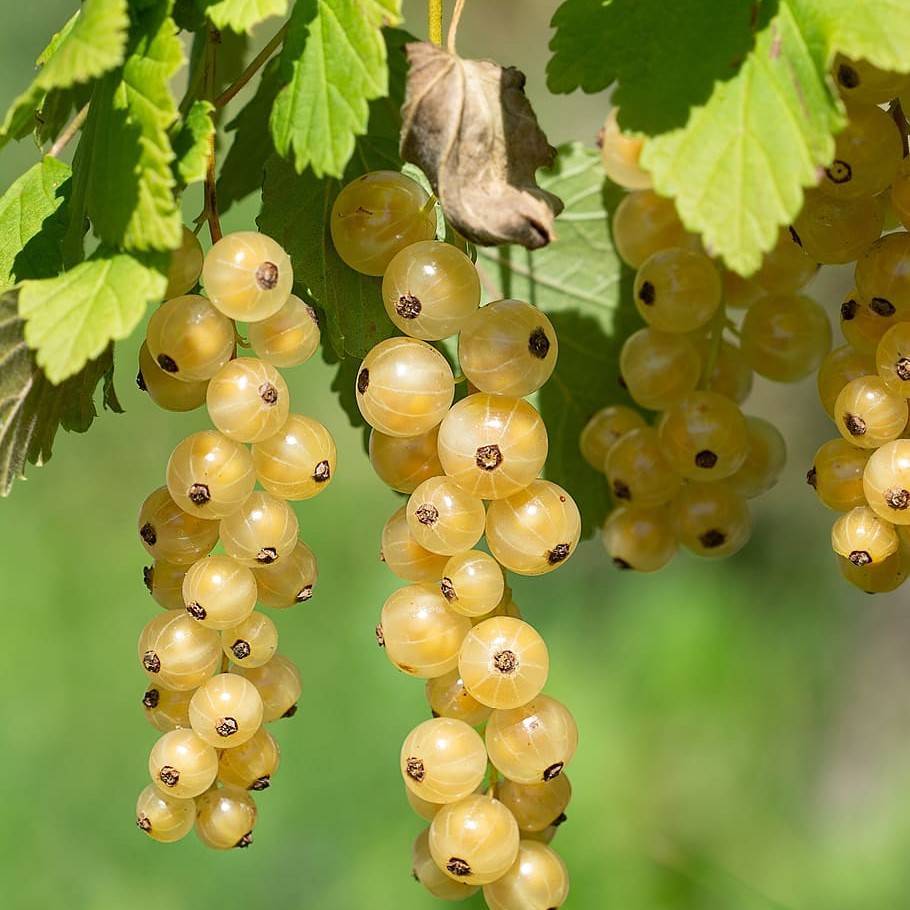
Currant
Ribes rubrum (red currant), Ribes nigrum (black currant), Ribes uva-crispa (white currant)