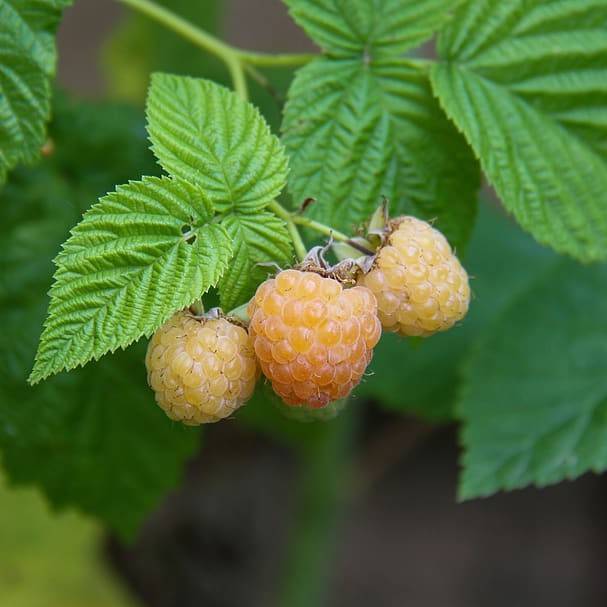
Everbearing Raspberry
Rubus idaeus var. strigosus 'Everbearing'
Overview
Everbearing raspberries, also called fall-bearing raspberries, are a popular cultivated variant of the common red raspberry, valued for their extended fruiting season. Unlike summer-bearing varieties that produce one crop on second-year canes, everbearing types yield berries on first-year primocanes in late summer/early fall and a smaller second crop on the same canes the following summer. The plants produce arching, thorny canes and textured, lobed green foliage, making them a productive addition to home gardens and small commercial operations.
Care Guide
Watering
Everbearing raspberries require consistent, deep watering, delivering 1-2 inches of water per week during active growth and fruiting to prevent shallow root development and dry, underdeveloped berries. Avoid overhead watering to reduce fungal disease risk, directing water directly to the root zone and allowing the top 1-2 inches of soil to dry slightly between waterings in dormant seasons. Reduce watering frequency after the final fall harvest to help the plants harden off for winter dormancy.
Light
These fruiting shrubs thrive in full sun, requiring a minimum of 6-8 hours of direct, unfiltered sunlight daily to support robust flower and fruit production. While they can tolerate light partial shade, reduced sun exposure will lead to lower yields, smaller berries, and increased risk of fungal diseases due to slower foliage drying. Position plants in a south or west-facing location with no overhead shade from taller trees or structures for best performance.
Soil
Everbearing raspberries prefer well-draining, loamy or sandy-loam soil with a slightly acidic pH between 5.5 and 6.5, as overly alkaline soil can cause nutrient deficiencies such as iron chlorosis. Avoid heavy, waterlogged clay soils, as persistent moisture around the root system will lead to root rot and eventual plant death. Amend heavy or poor soil with compost, aged manure, or peat moss prior to planting to improve drainage and boost organic matter content.
Fertilizer
Feed everbearing raspberries in early spring just before new growth emerges, using a balanced, slow-release 10-10-10 fertilizer or a specialized berry fertilizer formulated for acid-loving plants. Apply a second, lighter dose of nitrogen-rich fertilizer in late spring to support primocane growth, avoiding fertilization after mid-summer to prevent tender new growth that can be damaged by early fall frosts. Avoid over-fertilizing with excess nitrogen, as this will encourage excessive leaf growth at the expense of fruit production and increase disease susceptibility.
Temperature
Everbearing raspberries grow best in temperatures between 60-85°F (15-29°C) during the active growing season, with cool spring temperatures supporting flower bud development. Most varieties are cold hardy to USDA zones 3-8, tolerating winter temperatures as low as -30°F (-34°C) when fully dormant, though a layer of winter mulch will protect root systems in extreme cold. Temperatures above 90°F (32°C) during fruiting can cause sunscald on berries and stress the plants, so temporary shade cloth may be beneficial in very hot climates.
Pruning
For a single, larger fall harvest, cut all canes down to ground level in late winter before new growth emerges, as this eliminates the smaller summer crop and directs all plant energy to the first-year fall crop. To harvest two crops annually, remove only the fruited top portion of primocanes after the fall harvest, leaving the lower, woody section to produce the summer crop the following year, then prune those fully spent second-year canes to the ground immediately after the summer harvest. Thin new canes to 4-6 per plant in early spring to improve air circulation and ensure remaining canes receive adequate sunlight and nutrients for optimal fruiting.
Propagation
Everbearing raspberries are most easily propagated by digging up and transplanting the sucker shoots that grow from the parent plant's spreading root system in early spring, before new growth begins. Ensure each transplanted sucker has a healthy portion of root system attached, and plant it at the same depth it was growing originally, spacing new plants 2-3 feet apart in rows. Softwood cuttings taken from healthy first-year canes in late spring can also be rooted in a moist, sterile potting mix, though sucker propagation has a far higher success rate for home growers.
Humidity
Everbearing raspberries prefer moderate humidity levels between 40-60%, as high humidity above 70% combined with poor air circulation increases the risk of fungal diseases such as powdery mildew, anthracnose, and botrytis fruit rot. Space plants adequately and prune excess canes regularly to promote airflow through the foliage, which helps reduce moisture buildup on leaves and berries even in more humid climates. Low humidity below 30% during hot summer months can cause leaf scorch and reduce berry size, so mulch around the base of plants to retain soil moisture and moderate local humidity levels.
Repotting
When grown in containers, everbearing raspberries should be repotted every 2-3 years in early spring before new growth emerges, moving to a pot one size larger with fresh, well-draining acidic potting mix. Choose a container with multiple drainage holes at least 18 inches deep and wide to accommodate the plant's spreading root system, as cramped roots will lead to reduced fruiting and stunted growth. When repotting, gently trim any circling or damaged roots before placing the plant in the new container, and water thoroughly after planting to settle the soil around the root system.
Uses & Symbolism
Everbearing raspberries are primarily grown for their sweet, tart edible berries, which are eaten fresh, frozen, or used in jams, jellies, pies, smoothies, and other baked goods. The plants are also used in edible landscaping as informal hedges or border plantings, providing seasonal visual interest with their white spring flowers and bright red berries. Raspberry leaves are occasionally harvested and dried for use in herbal teas, valued for their mild, earthy flavor and purported astringent properties.
Diseases & Pests
Everbearing raspberries are susceptible to fungal diseases including anthracnose, botrytis fruit rot, powdery mildew, and root rot, most often caused by excessive moisture, poor air circulation, or waterlogged soil. Common pests include raspberry aphids, spider mites, Japanese beetles, and spotted wing drosophila, which lay eggs in ripening berries, leading to larval infestation and fruit damage. Prevent disease issues by avoiding overhead watering, pruning to improve airflow, and removing any infected plant debris promptly, while pests can be managed with insecticidal soap, neem oil, or floating row covers to protect ripening berries.
Related plants
Other plants you might like if you grow Everbearing Raspberry.
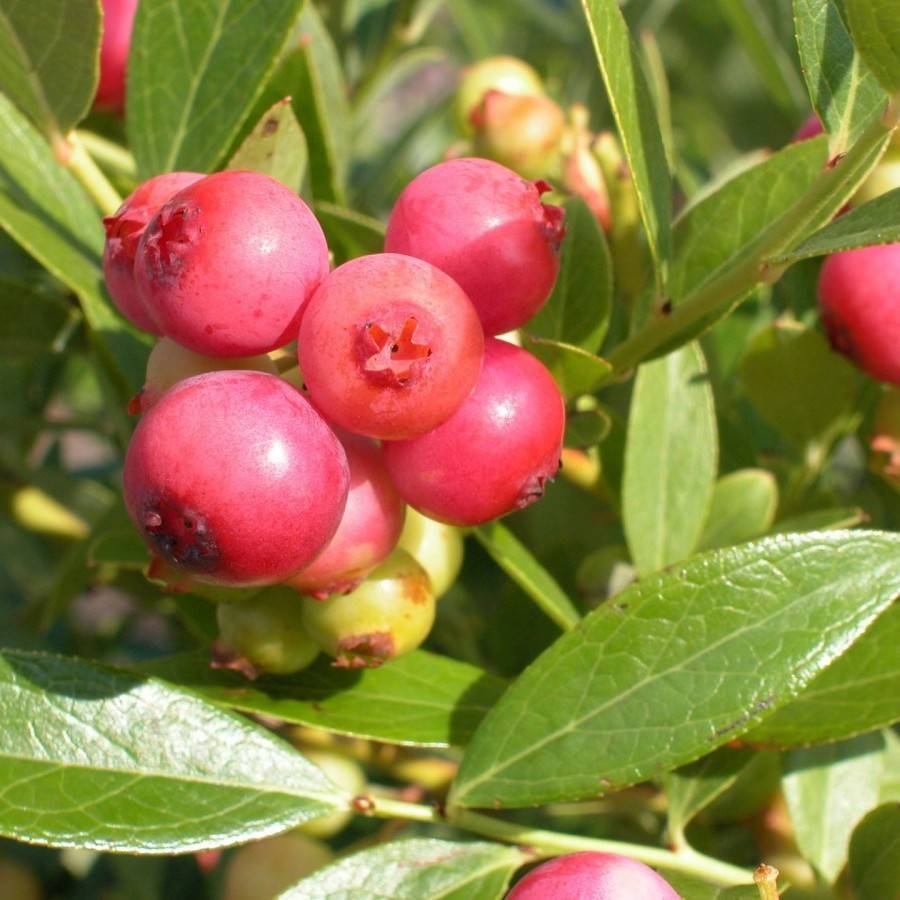
Blueberry
Vaccinium corymbosum
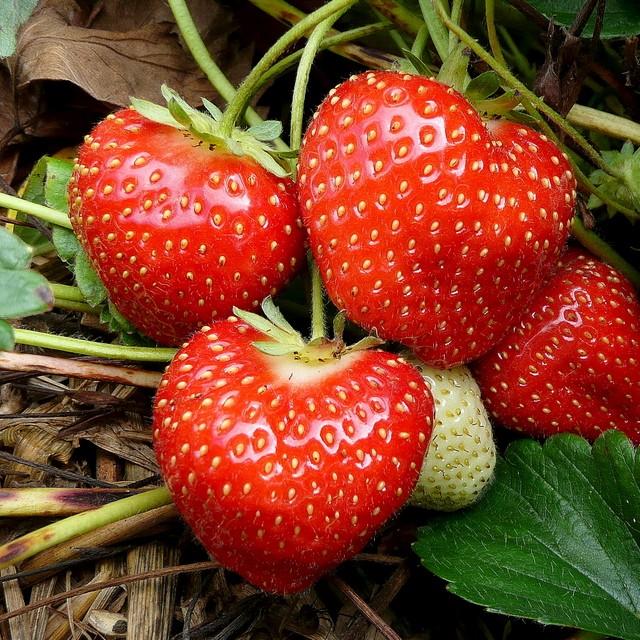
Junebearing Strawberry
Fragaria × ananassa (June-bearing cultivars)
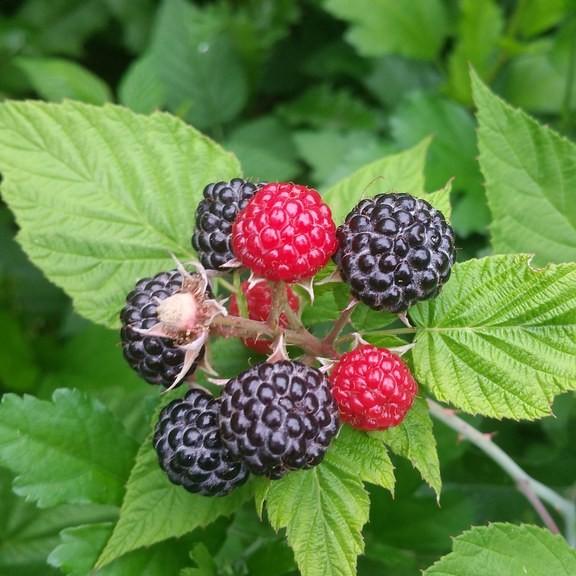
Black Raspberry
Rubus occidentalis
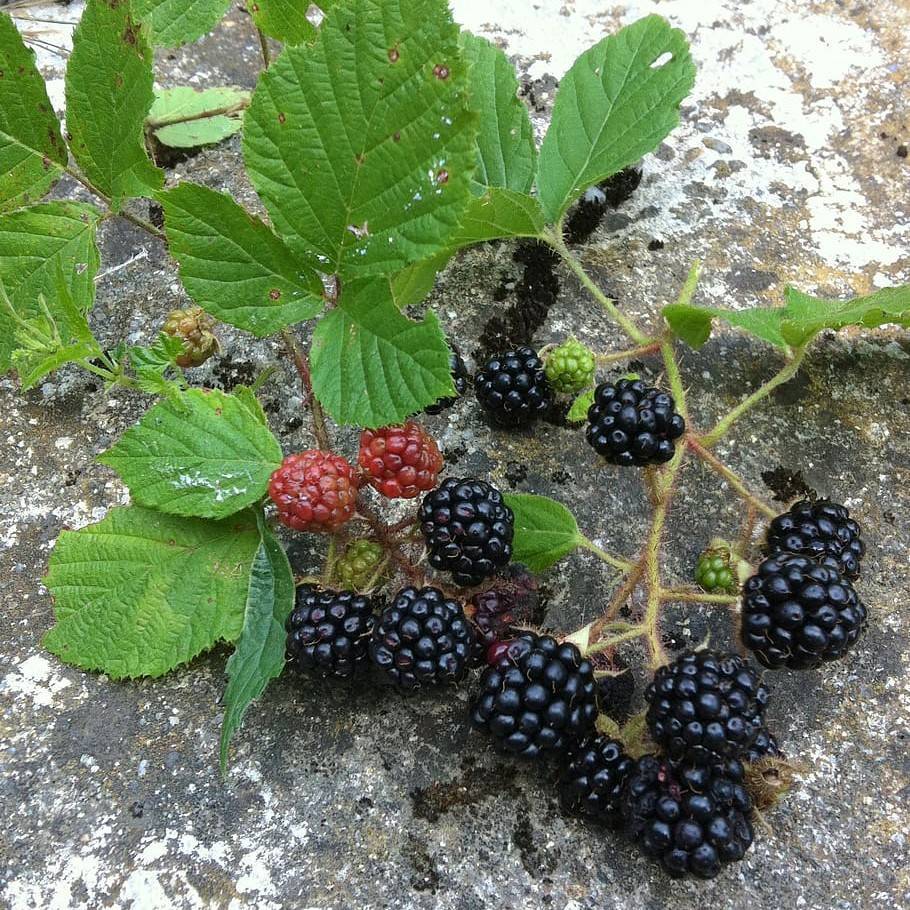
Blackberry
Rubus fruticosus agg.
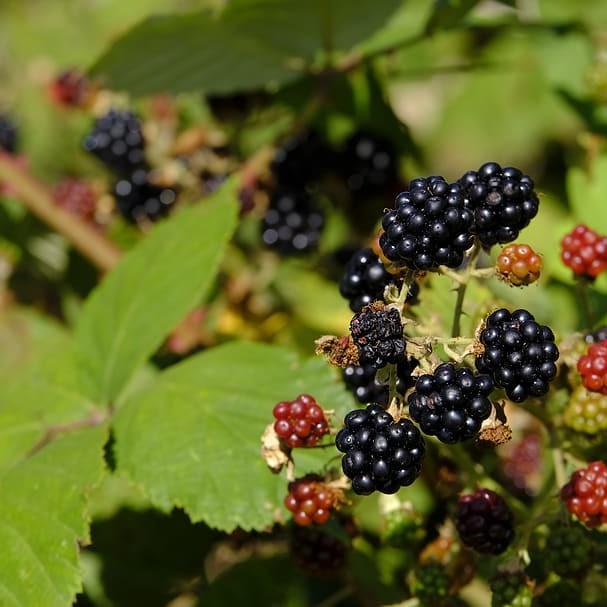
Boysenberry
Rubus ursinus × idaeus 'Boysen'
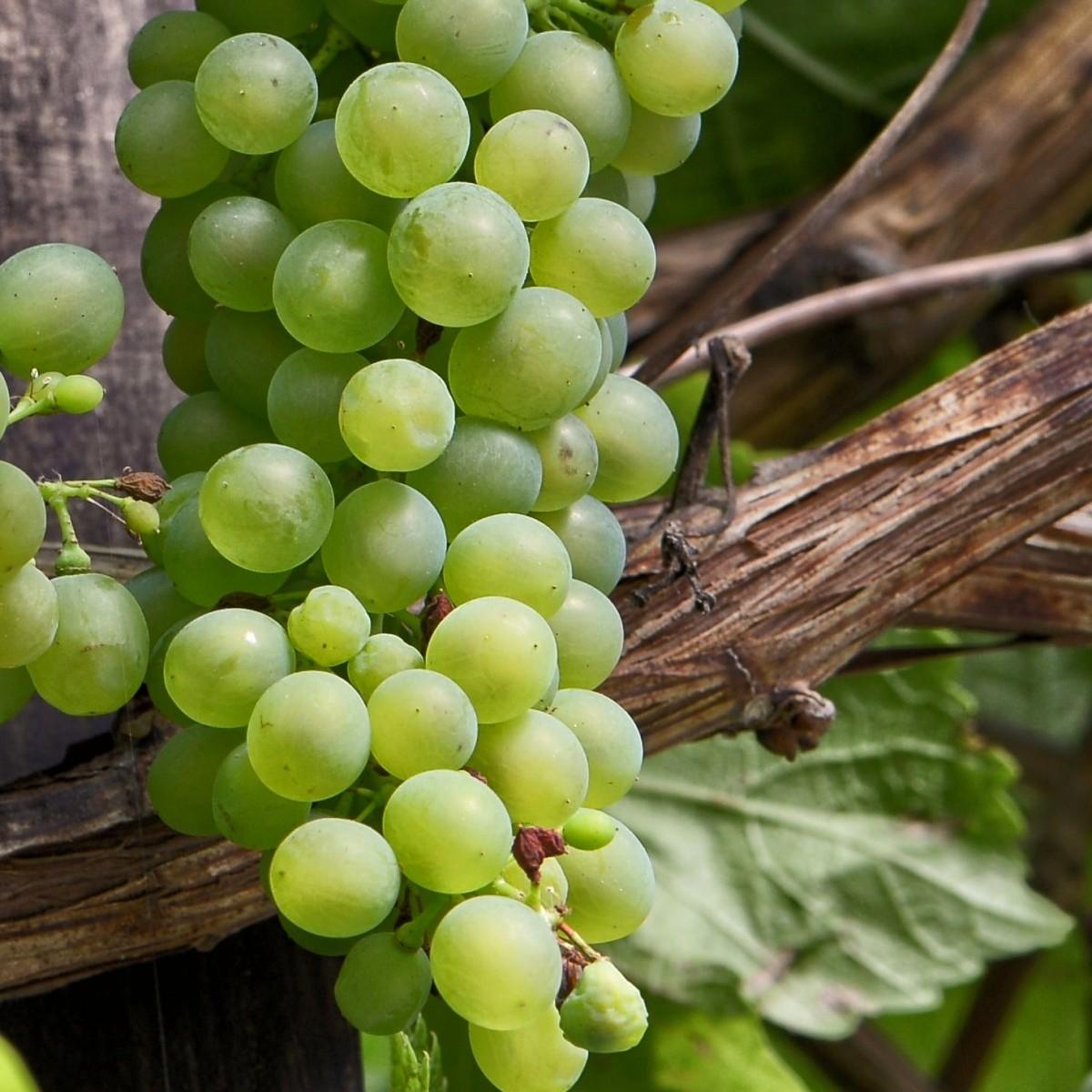
Grape
Vitis vinifera
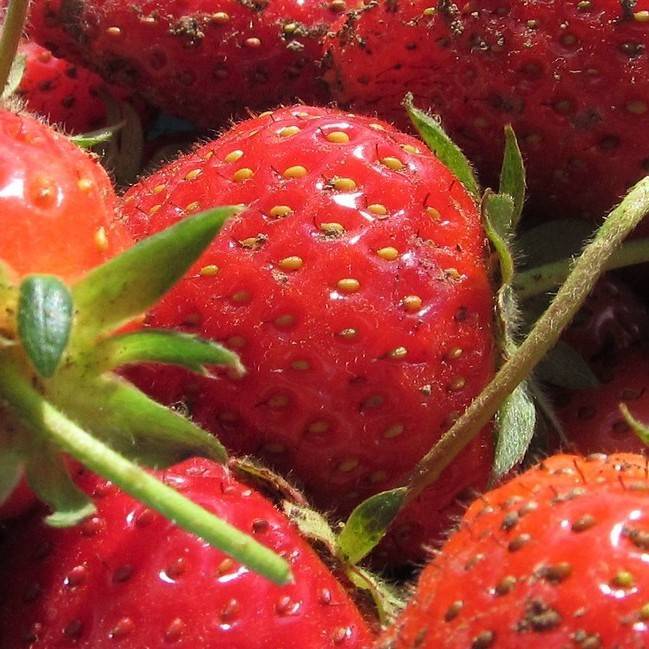
Everbearing Strawberry
Fragaria × ananassa 'Everbearing'
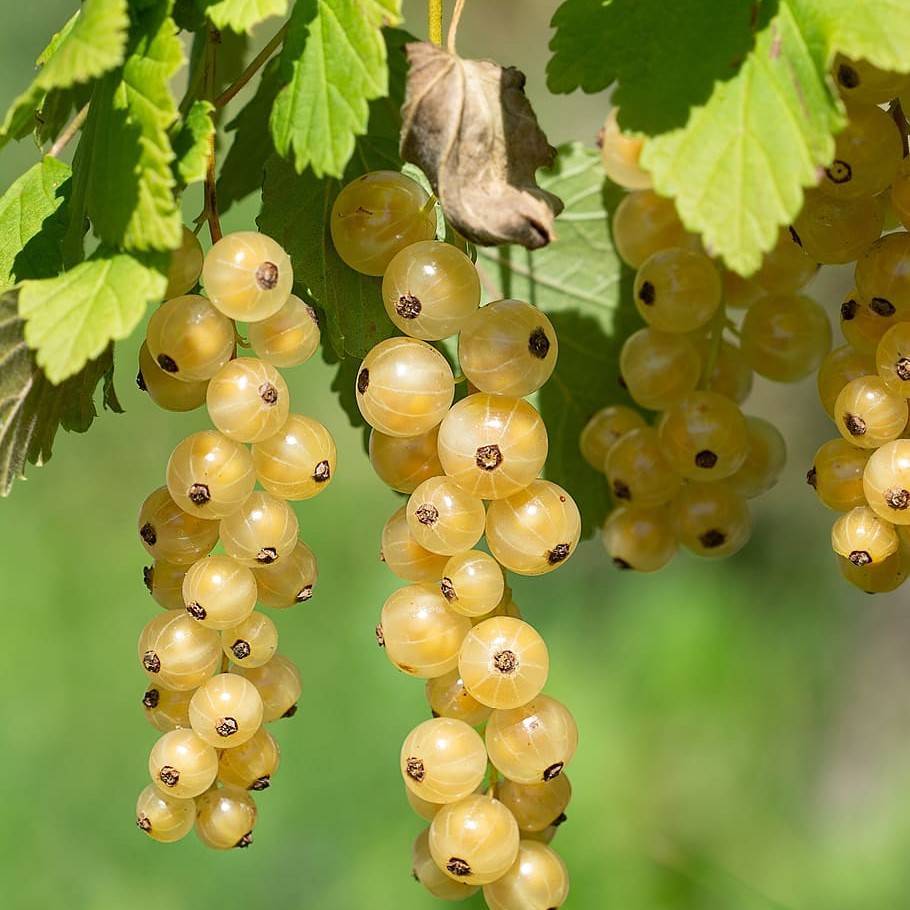
Currant
Ribes rubrum (red currant), Ribes nigrum (black currant), Ribes uva-crispa (white currant)