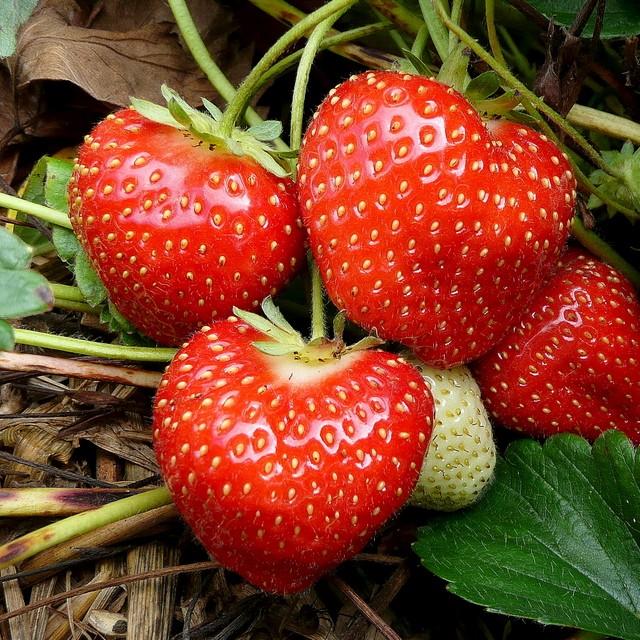
Junebearing Strawberry
Fragaria × ananassa (June-bearing cultivars)
Overview
Junebearing strawberries are the most widely cultivated strawberry type for commercial and home garden use, prized for their uniform, flavorful fruit and concentrated harvest window. Unlike everbearing or day-neutral varieties, they initiate flower buds in fall when day lengths shorten, maturing fruit the following spring. They spread via above-ground runners, forming dense, productive patches over 3-4 years before yields decline.
Care Guide
Watering
Provide 1-2 inches of water per week, increasing to 2-3 inches during fruit development to prevent small, dry berries. Avoid overhead watering to reduce fungal disease risk; use drip irrigation or water at the base of plants, ensuring soil stays consistently moist but not waterlogged.
Light
Grow in full sun, requiring a minimum of 6-8 hours of direct, unfiltered sunlight daily to produce abundant flower buds and sweet, well-ripened fruit. Plants grown in partial shade will have reduced yields, smaller fruit, and higher susceptibility to foliar diseases.
Soil
Plant in well-draining, loamy soil with a pH between 5.5 and 6.8, amended with compost or well-rotted manure to boost organic matter content. Avoid heavy, compacted clay soils or areas prone to standing water, as this causes root rot and stunts plant growth.
Fertilizer
Apply a balanced, slow-release 10-10-10 fertilizer in early spring before new growth emerges, at a rate of 1 pound per 100 square feet of planting area. Avoid fertilizing during the fruiting period, as excess nitrogen promotes leafy growth over fruit production; apply a light topdress of compost after harvest to support runner development.
Temperature
Thrive in cool spring temperatures between 60-80°F (15-27°C) during the fruiting period, and require 200-300 chill hours below 45°F (7°C) in winter to initiate flower buds. Plants are hardy to USDA zones 3-8, and benefit from a 2-3 inch layer of straw mulch in winter to protect roots from frost heave and extreme cold.
Pruning
Remove all flower buds in the first growing season after planting to allow plants to establish strong root systems, rather than diverting energy to fruit production. After harvest, mow foliage back to 1-2 inches above the crown, remove excess runners to leave 4-6 inches of space between plants, and thin out old, unproductive crowns every 3-4 years to maintain high yields.
Propagation
Easily propagated via rooted runners produced by mature plants after the fruiting season; peg runner tips into small pots of potting soil while still attached to the mother plant, then sever once roots have formed after 2-3 weeks. Start new plants from certified disease-free nursery stock every 3-4 years to avoid virus buildup and declining productivity in established patches.
Humidity
Tolerate average outdoor humidity levels between 40-70%, but require good air circulation around foliage to prevent fungal diseases like powdery mildew and botrytis fruit rot during periods of high humidity. Avoid overcrowding plants and remove dead or diseased leaves regularly to improve airflow.
Repotting
When grown in containers, repot every 2-3 years in early spring, using a fresh, well-draining potting mix formulated for fruiting plants. Choose a container at least 12 inches deep with drainage holes, and trim back overgrown roots before replanting to encourage new, healthy root growth. For in-ground patches, replace entire plantings every 3-4 years in a new location to avoid soilborne disease buildup.
Uses & Symbolism
Primarily grown for fresh eating, as well as use in jams, pies, smoothies, and frozen desserts, with their concentrated harvest making them ideal for bulk preserving. They are also planted in edible landscape beds and hanging baskets for their attractive white spring flowers and trailing foliage, and support pollinators by providing early-season nectar for bees.
Diseases & Pests
Common fungal diseases include gray mold (botrytis), powdery mildew, and leaf spot, which thrive in wet, humid conditions and can be prevented by proper spacing, good air circulation, and avoiding overhead watering. Pests include aphids, spider mites, slugs, and strawberry root weevils, while birds and small mammals often feed on ripening fruit, which can be protected with netting or row covers.
Related plants
Other plants you might like if you grow Junebearing Strawberry.
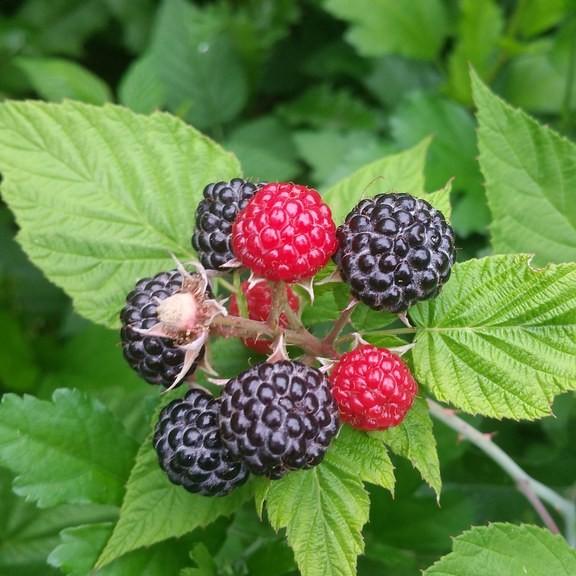
Black Raspberry
Rubus occidentalis
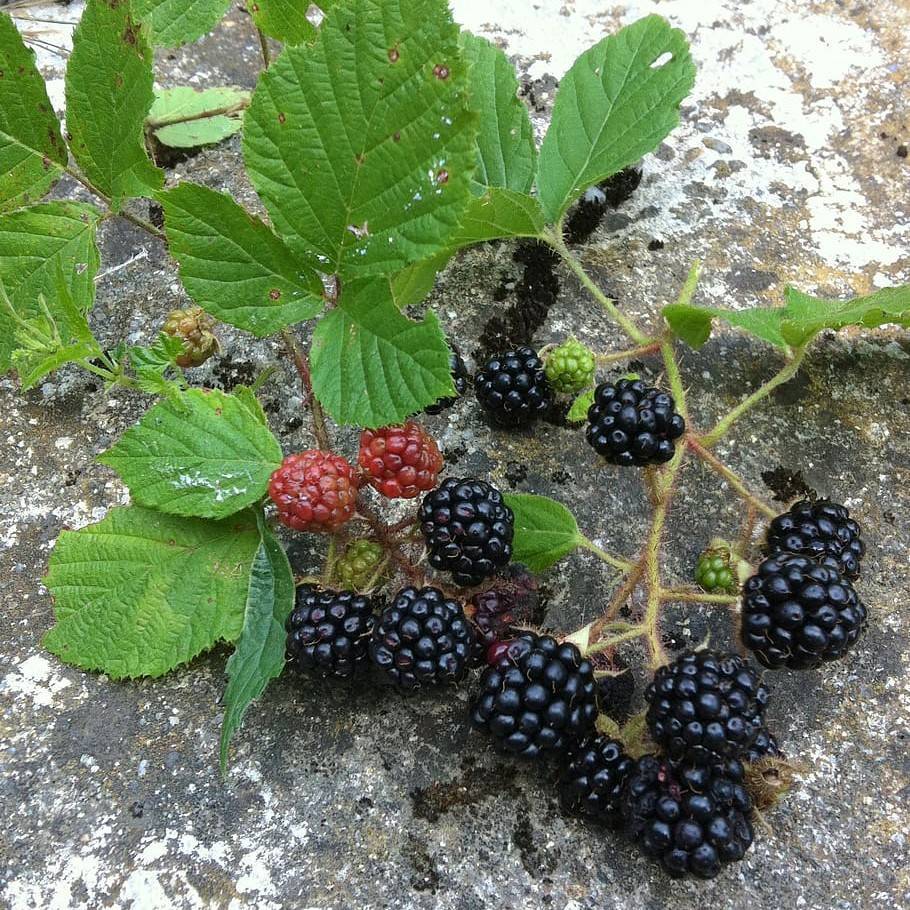
Blackberry
Rubus fruticosus agg.
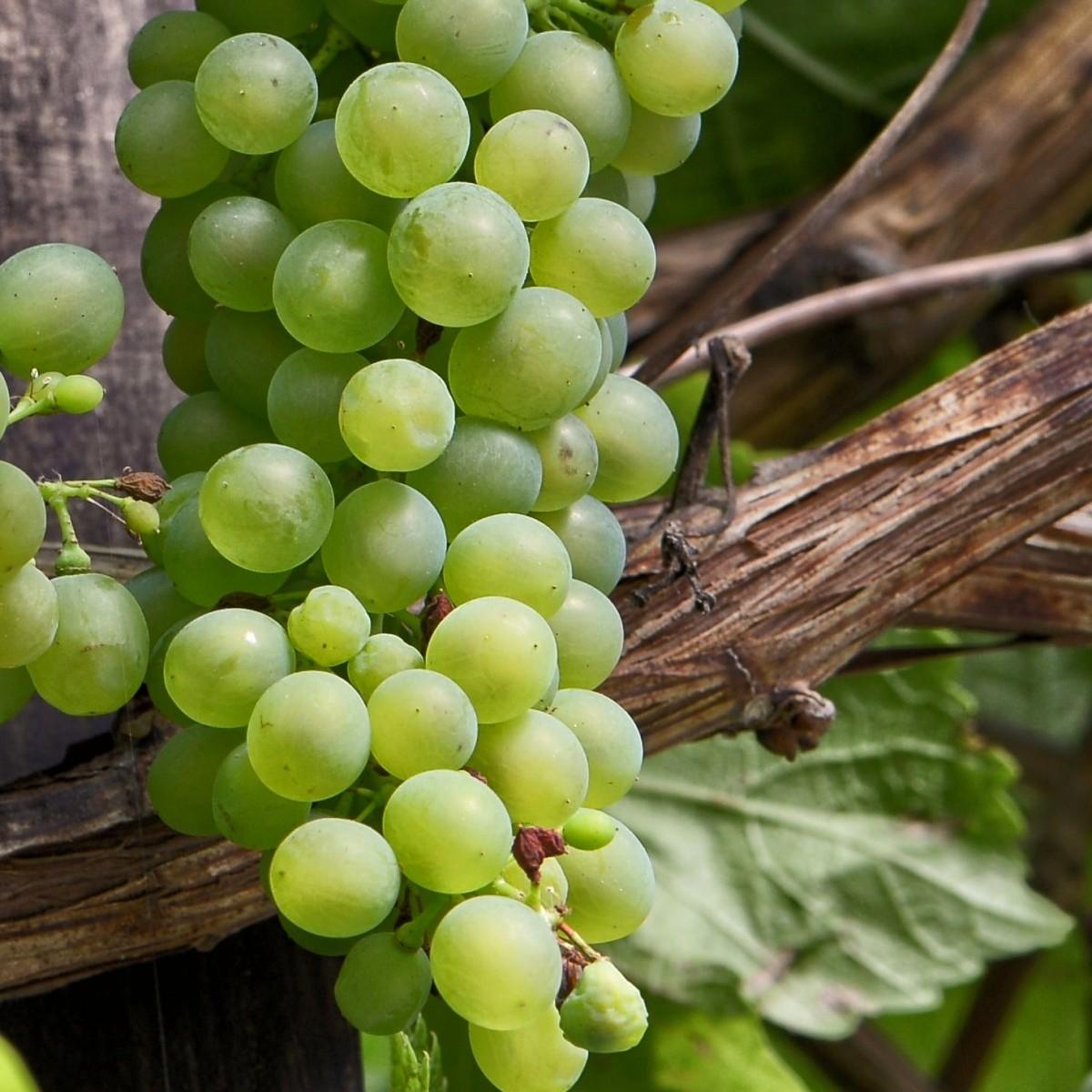
Grape
Vitis vinifera
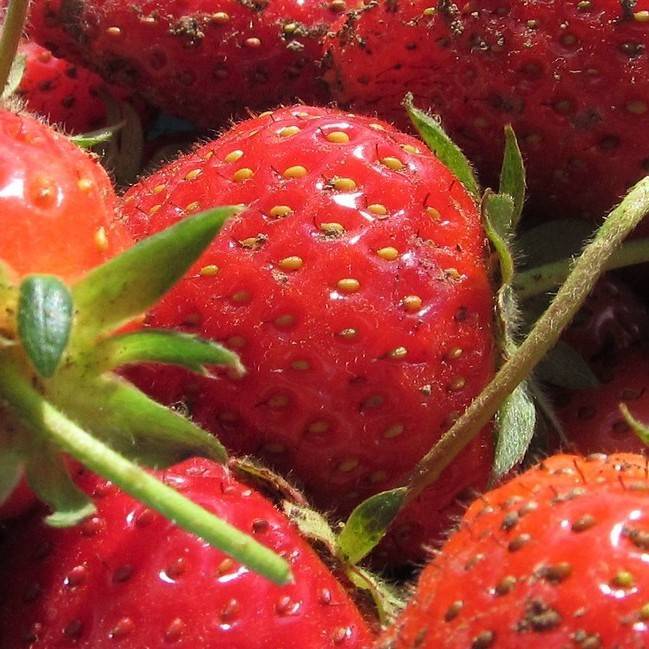
Everbearing Strawberry
Fragaria × ananassa 'Everbearing'
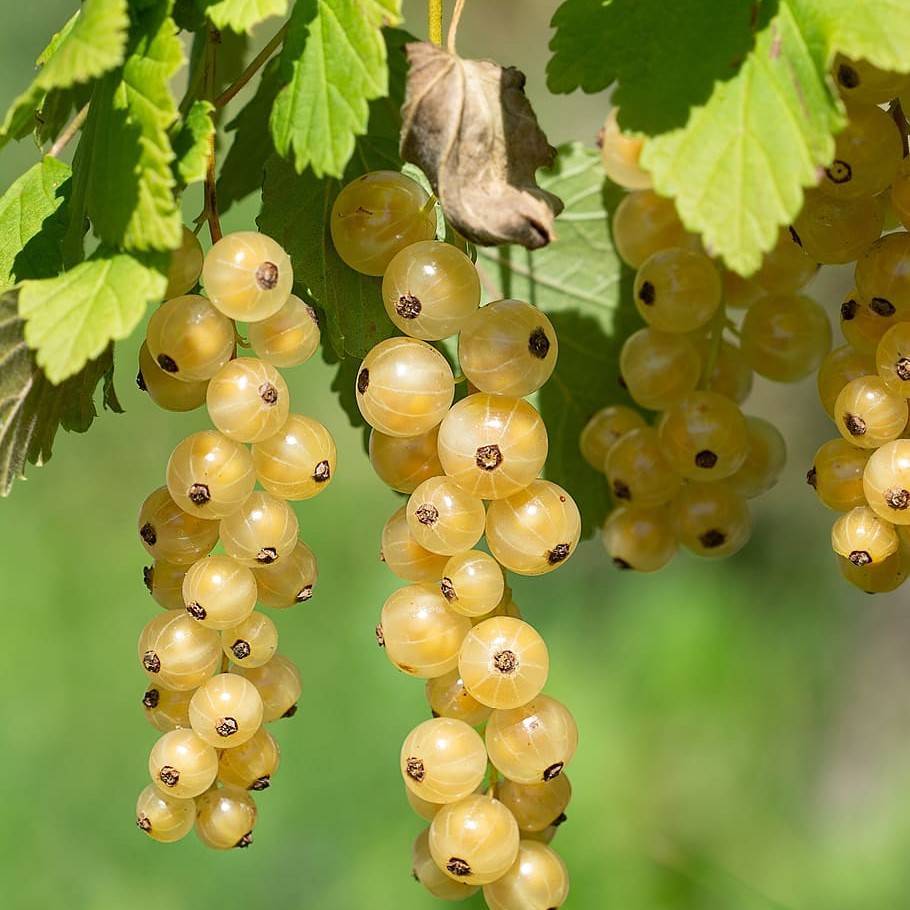
Currant
Ribes rubrum (red currant), Ribes nigrum (black currant), Ribes uva-crispa (white currant)
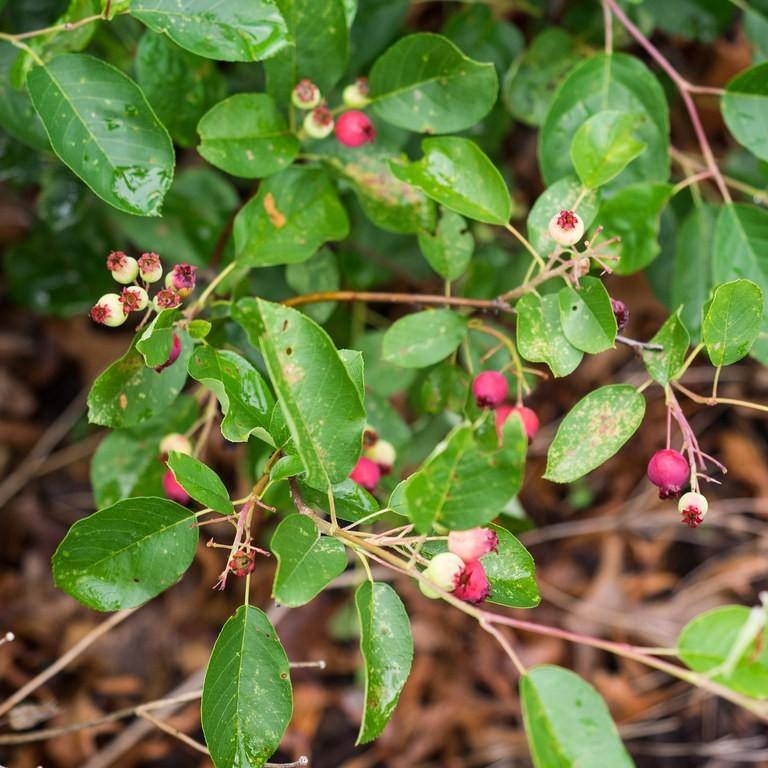
alder-leaved serviceberry
Amelanchier alnifolia 'Regent'
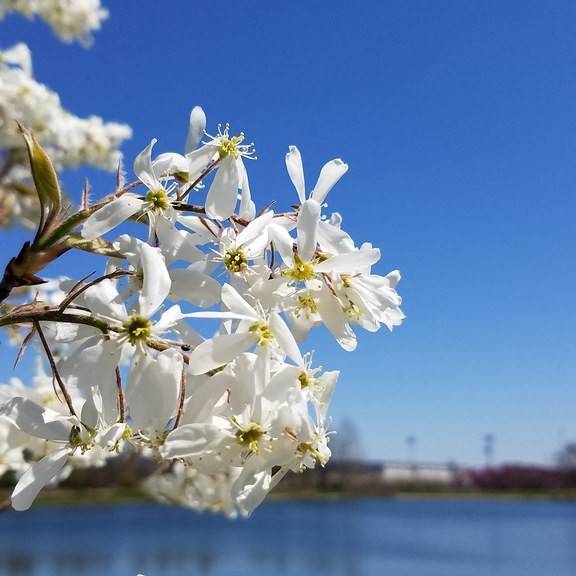
Allegheny serviceberry
Amelanchier laevis
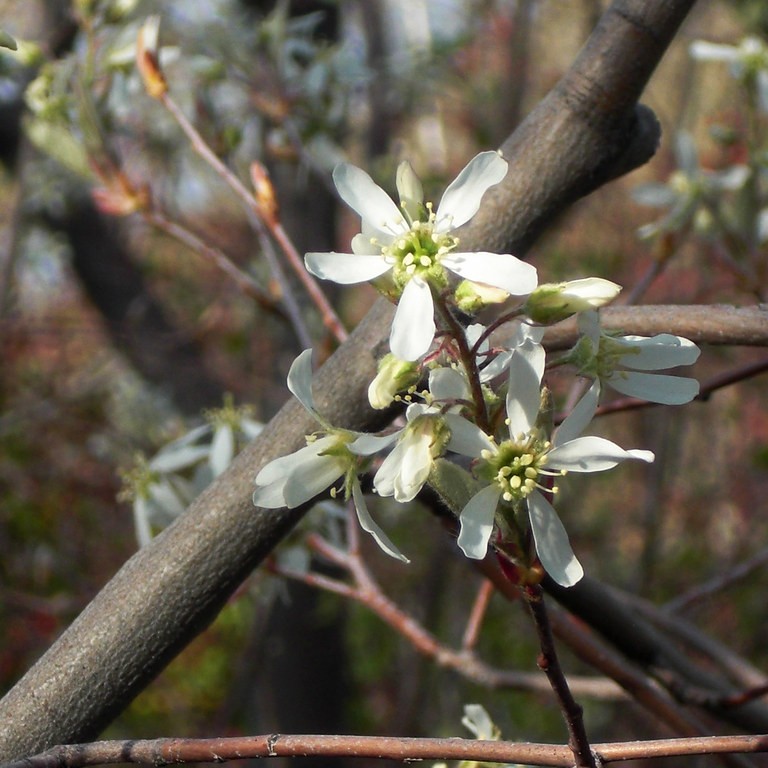
apple serviceberry
Amelanchier grandiflora 'Autumn Brilliance'