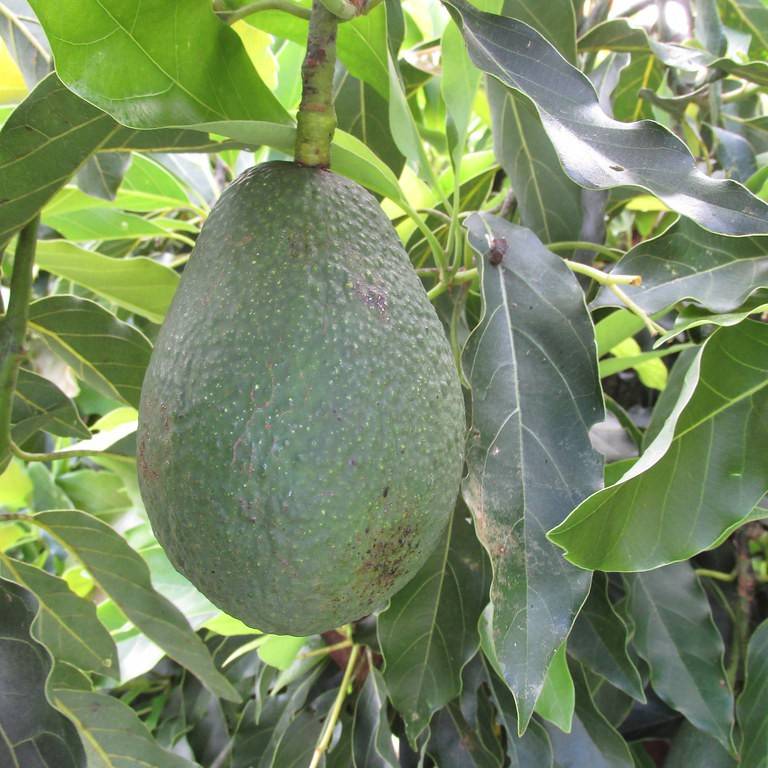
Avocado
Persea americana
Overview
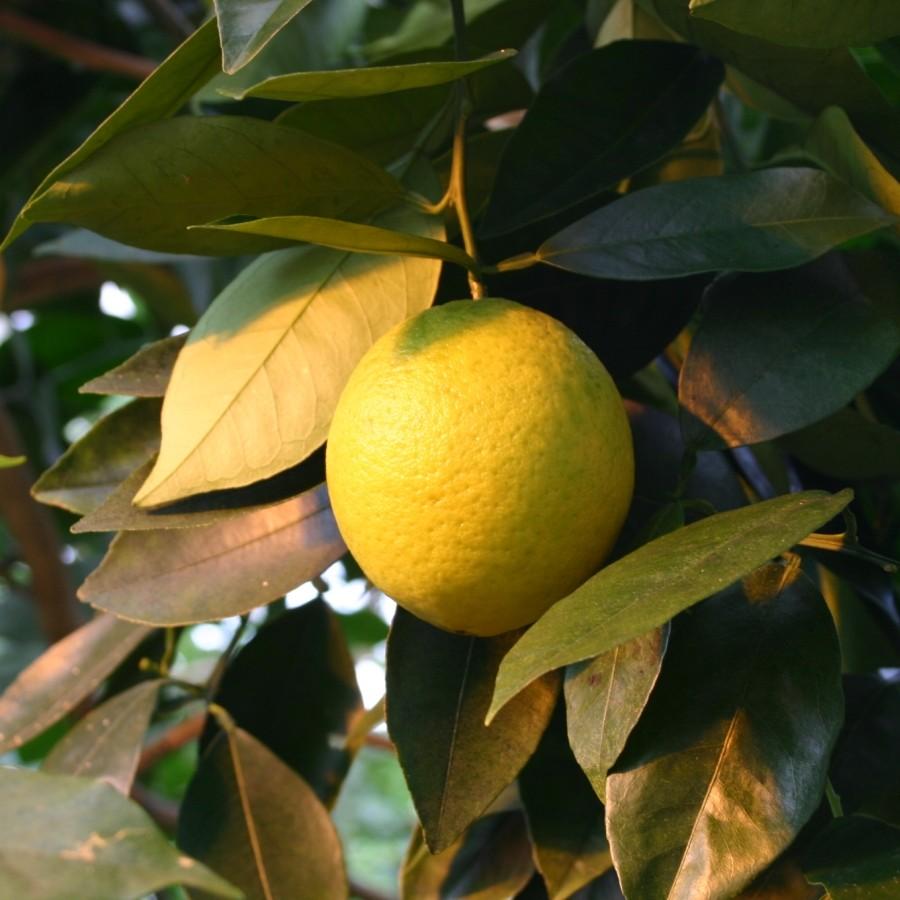
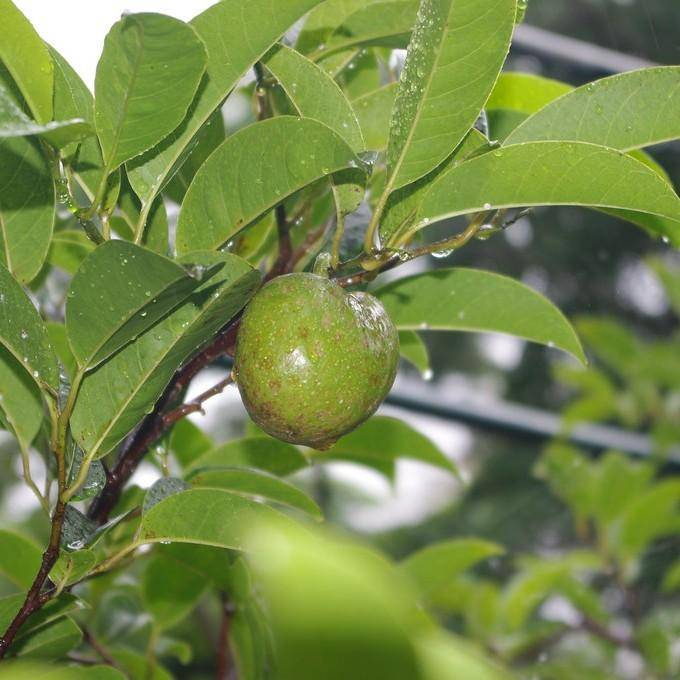
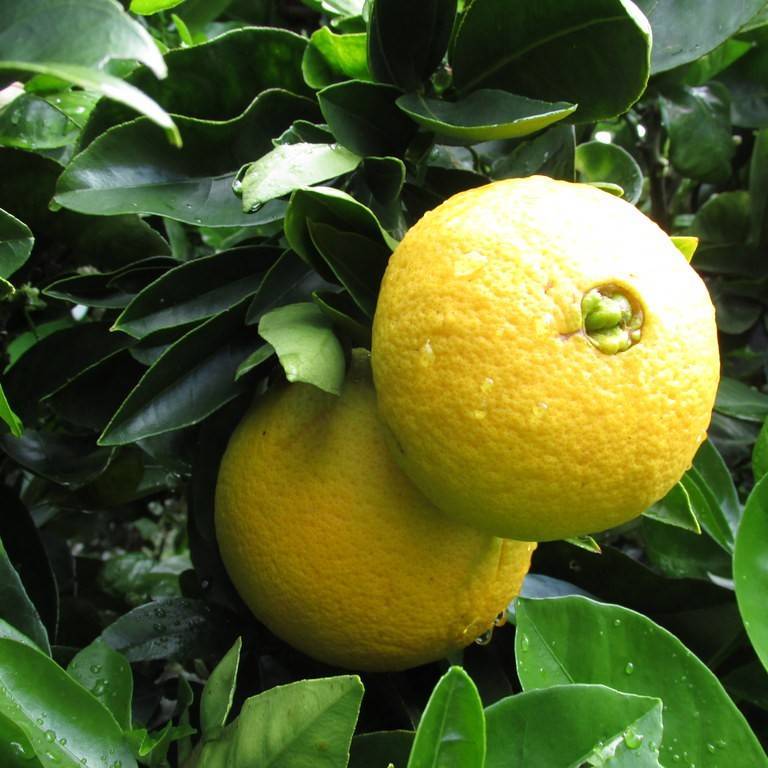
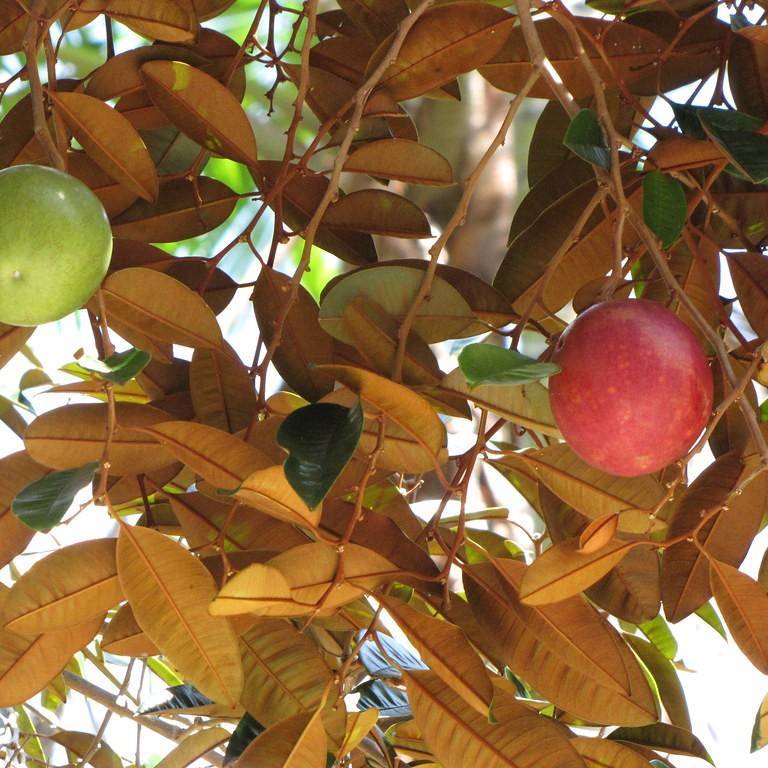
The avocado is a broadleaf evergreen tree prized for its signature pear-shaped fruit, rich in healthy monounsaturated fats, fiber, and essential vitamins. Native to tropical highlands, it thrives in frost-free warm regions, though dwarf cultivars are commonly grown as ornamental houseplants in cooler climates. While indoor-grown avocados rarely produce fruit, they form lush, glossy foliage that adds a tropical aesthetic to interior spaces. Commercial cultivation focuses on varieties like Hass, Fuerte, and Bacon, each with distinct fruit textures, flavors, and growing requirements.
Care Guide
Watering
Water avocado trees deeply when the top 2 to 3 inches of soil feel dry to the touch, avoiding overwatering which can lead to root rot, the most common cause of plant death. Reduce watering frequency in the cooler winter months when the tree’s growth slows, ensuring the soil never stays waterlogged for extended periods. Potted avocados require more frequent watering than outdoor specimens, as container soil dries out much faster.
Light
Avocado trees need full, direct sunlight for a minimum of 6 hours per day to support healthy growth and fruit production when grown outdoors. Indoor potted specimens should be placed in a bright south-facing window, or under supplemental grow lights if natural light is insufficient to prevent leggy, sparse foliage. Young trees may need partial shade for the first 1 to 2 years to protect tender leaves from sunscald in extremely hot, arid climates.
Soil
Plant avocados in loose, well-draining, loamy or sandy soil with a slightly acidic to neutral pH between 6.0 and 7.0, avoiding heavy clay soils that retain excess moisture. For potted indoor avocados, use a high-quality potting mix amended with perlite or coarse sand to improve drainage and prevent compaction around the root system. Ensure the planting site or container has ample drainage holes to eliminate standing water around the roots.
Fertilizer
Feed outdoor avocado trees with a balanced, slow-release fertilizer formulated for fruit trees three times per year, in early spring, mid-summer, and early fall, using a product with slightly higher nitrogen content to support foliage growth. Indoor potted avocados benefit from a diluted liquid houseplant fertilizer applied every 4 to 6 weeks during the active growing season (spring and summer), with no fertilization in winter. Avoid over-fertilizing, as excess salts can build up in the soil and cause leaf tip burn or root damage.
Temperature
Avocado trees thrive in warm temperatures between 60 and 85°F (15 to 29°C), and can tolerate short dips to 32°F (0°C) for mature cold-hardy varieties, while young trees are damaged by temperatures below 40°F (4°C). Indoor avocados should be kept away from cold drafts from windows, doors, or air conditioning units, as sudden temperature fluctuations can cause leaf drop. Frost-prone regions require planting in containers that can be moved indoors during winter, or using frost blankets to protect outdoor specimens during cold snaps.
Pruning
Prune avocado trees annually in late winter to remove dead, damaged, or crossing branches, improve air circulation through the canopy, and control the size of the tree for easier harvest or indoor growing. Pinch back the growing tip of young indoor avocados when they reach 6 to 12 inches tall to encourage bushy, branching growth instead of a single tall, leggy stem. Avoid heavy pruning of mature fruiting trees, as this can reduce fruit production in the following growing season.
Propagation
Avocados are most commonly propagated from seed by suspending the cleaned pit over a jar of water with toothpicks, submerging the bottom third, until roots and a sprout emerge after 2 to 6 weeks, then planting in soil. For consistent fruit quality and earlier fruiting, commercial growers use grafting, attaching a fruiting cultivar scion to a hardy, disease-resistant rootstock, as seed-grown trees may take 10 to 15 years to produce fruit, and the fruit may not match the parent plant. Stem cuttings can also be rooted in moist potting mix with bottom heat, though this method has a lower success rate than seed propagation or grafting.
Humidity
Avocado trees prefer moderate to high humidity levels between 45% and 65%, similar to their native tropical highland habitat, to prevent leaf browning and tip burn. Indoor avocados may benefit from regular misting of the foliage, placing a pebble tray filled with water under the pot, or using a small humidifier during dry winter months when indoor humidity drops significantly. Avoid placing indoor specimens near heating vents, which blow dry air that can quickly desiccate the leaves.
Repotting
Repot young indoor avocado trees every 1 to 2 years in spring, moving to a pot one size larger than the current one to accommodate growing roots, using fresh well-draining potting mix. Mature potted avocados can be repotted every 3 to 4 years, or when roots start growing out of the drainage holes, trimming back overgrown roots slightly to keep the tree at a manageable indoor size. Ensure the new pot has multiple drainage holes, and avoid planting the tree deeper than it was in the previous pot to prevent stem rot.
Uses & Symbolism
Avocado fruit is widely consumed fresh, used in dishes like guacamole, salads, sandwiches, and smoothies, and pressed to produce avocado oil for cooking, skincare, and hair care products. The tree’s dense, glossy evergreen foliage makes it a popular ornamental landscape tree in warm climates, and dwarf varieties are grown as decorative houseplants in cooler regions. Historically, parts of the avocado tree have been used in traditional medicine for treating conditions like diarrhea, skin wounds, and inflammation in its native range.
Diseases & Pests
Avocado trees are highly susceptible to root rot caused by overwatering or poorly draining soil, a fungal condition that causes yellowing leaves, wilting, and eventual plant death if left unaddressed. Common pests include spider mites, aphids, and avocado lace bugs, which suck sap from leaves, causing stippling, yellowing, and defoliation if infestations are severe. Laurel wilt, a fungal disease spread by redbay ambrosia beetles, is a fatal threat to avocado trees in the southeastern United States, causing rapid wilting and tree death within a few weeks of infection.
Related plants
Other plants you might like if you grow Avocado.