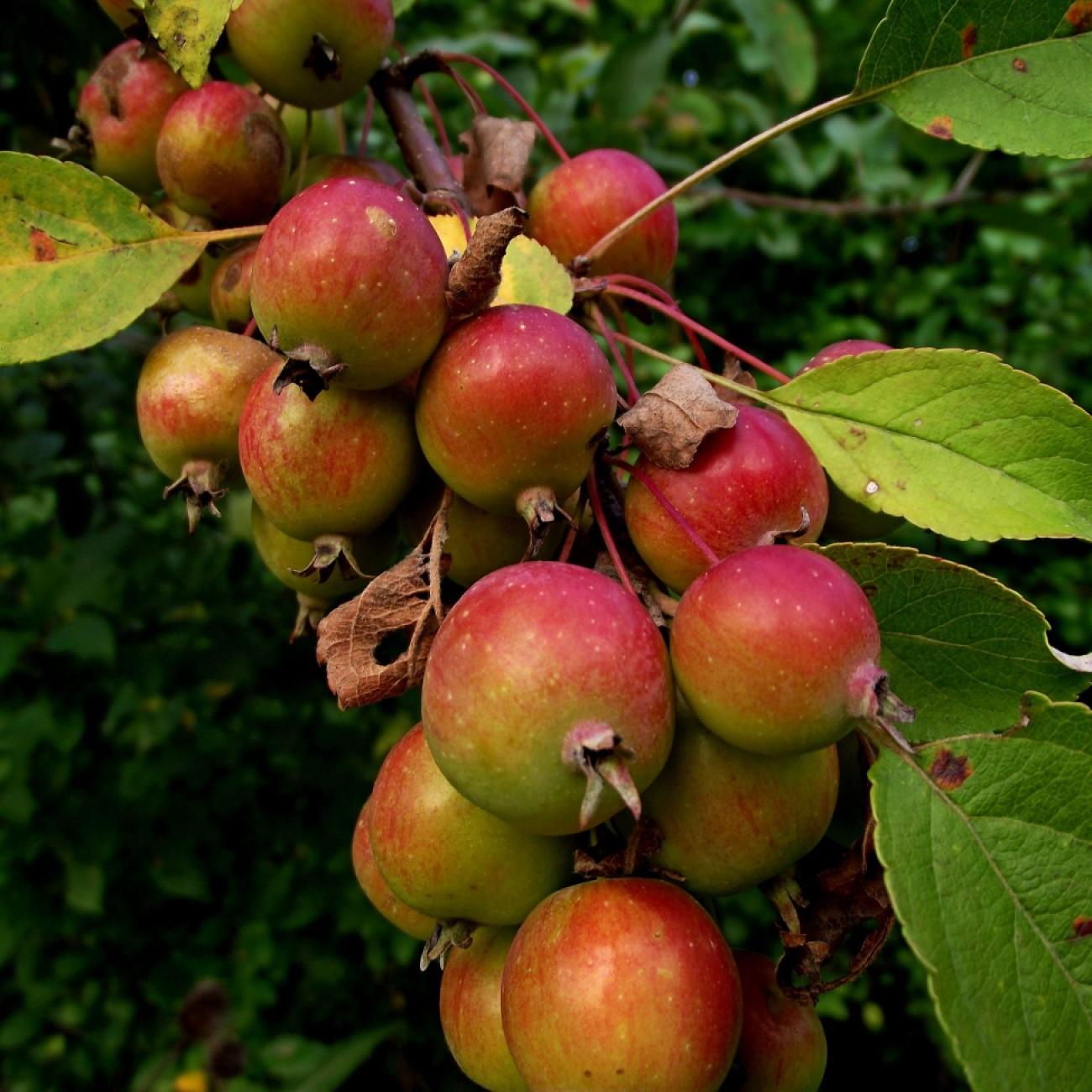
European Crabapple
Malus sylvestris
Overview
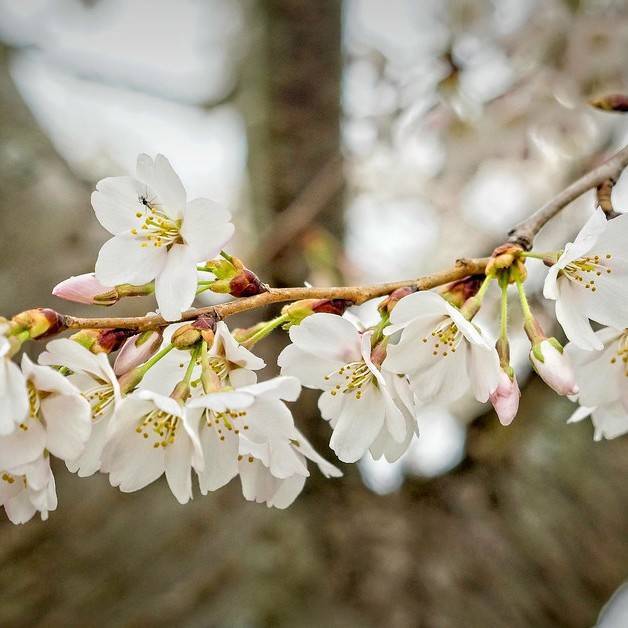
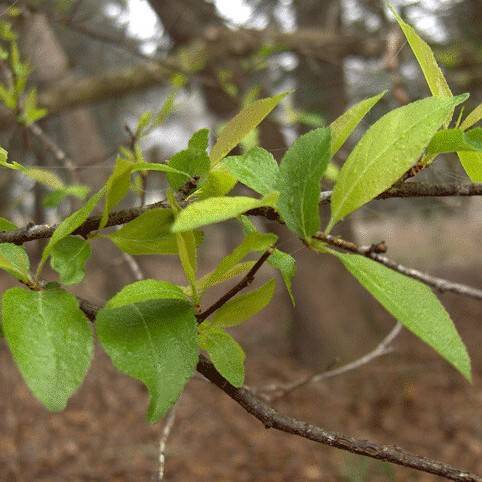
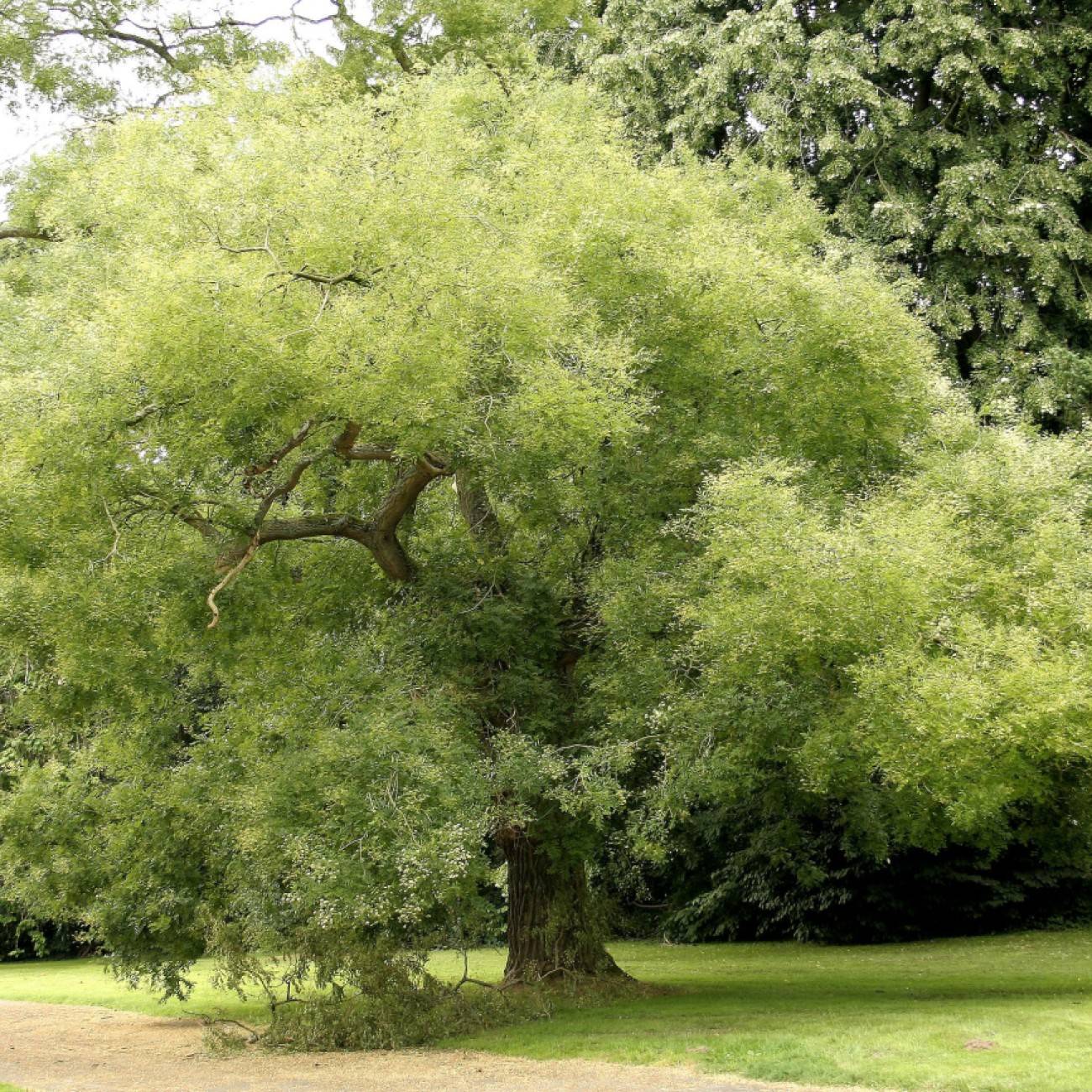
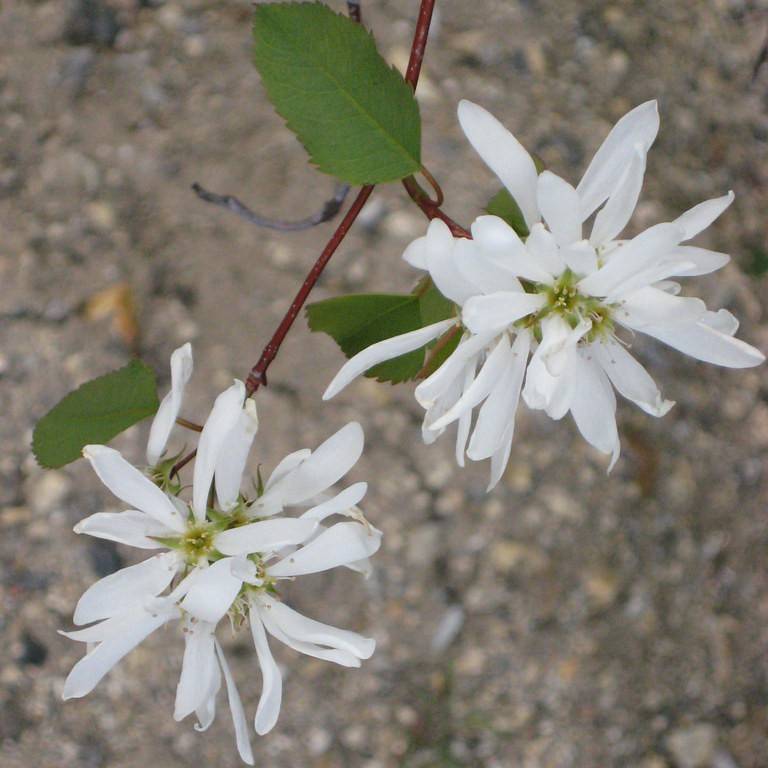
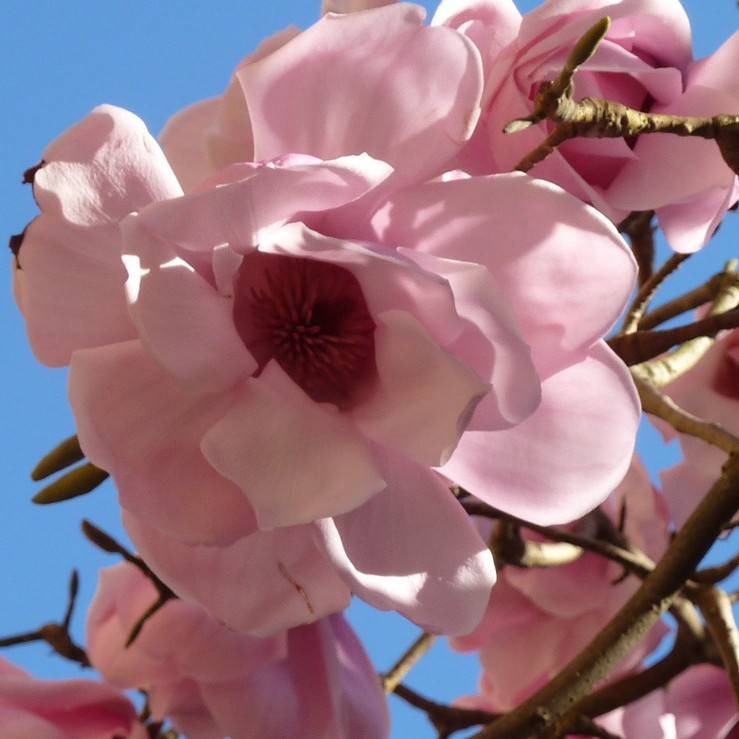
European crabapple is a rugged deciduous tree native to temperate European and west Asian regions, recognizable by its gnarled, often thorny branches and broad, rounded crown. In spring, it produces dense clusters of fragrant pink or white five-petaled blossoms that attract pollinators including bees and butterflies, followed by small, round 1-2 inch (2.5-5 cm) yellow or red fruits that ripen in late autumn. It is the wild ancestor of many domesticated apple varieties, and its hardy rootstock is widely used to graft commercial apple cultivars for improved disease resistance and size control.
Care Guide
Watering
Young European crabapple trees require regular, deep watering 1-2 times per week during their first 2-3 growing seasons to establish a robust root system, allowing the top 2-3 inches of soil to dry out between waterings. Mature trees are drought-tolerant, only needing supplemental watering during extended periods of high heat or drought to prevent fruit drop and stress. Avoid overwatering or letting the tree sit in saturated soil, as this can lead to root rot and fungal disease.
Light
European crabapple thrives in full sun, requiring a minimum of 6-8 hours of direct, unfiltered sunlight daily to produce abundant blossoms and fruit, and to support strong, disease-resistant growth. It can tolerate partial shade, but will produce fewer flowers, smaller fruit yields, and may develop sparse, leggy branches with increased susceptibility to fungal pathogens. Plant in an open, unshaded location away from large overhanging trees to maximize light exposure.
Soil
This adaptable tree grows well in a wide range of soil types, including loam, sandy soil, and clay, as long as the medium is well-draining to prevent waterlogging around the root zone. It prefers a slightly acidic to neutral soil pH between 6.0 and 7.0, though it can tolerate mildly alkaline conditions as long as nutrient availability is maintained. Amend heavy clay or excessively sandy soils with well-rotted compost or aged manure prior to planting to improve structure, nutrient content, and drainage.
Fertilizer
Mature European crabapple trees rarely require heavy fertilization, as they can extract sufficient nutrients from most average garden soils; a light application of balanced 10-10-10 granular fertilizer in early spring before new growth emerges supports healthy foliage and blossom production. Young trees benefit from a nitrogen-rich fertilizer applied once in early spring and once in mid-summer during their first two years to encourage vigorous root and branch development. Avoid applying fertilizer after late summer, as this can stimulate tender new growth that will be damaged by cold winter temperatures.
Temperature
European crabapple is exceptionally cold-hardy, suitable for growing in USDA zones 4 through 8, tolerating winter temperatures as low as -30°F (-34°C) without significant damage. It requires a minimum of 500-1000 chill hours (temperatures between 32-45°F / 0-7°C) during the winter dormancy period to trigger consistent spring blossoming and fruit set. The tree tolerates summer temperatures up to 95°F (35°C) as long as it receives adequate moisture, though extended heatwaves may cause temporary leaf scorch.
Pruning
Prune European crabapple during late winter dormancy, before new buds swell, to remove dead, damaged, or crossing branches, improve air circulation through the crown, and maintain a balanced, open shape. Thin out up to 20% of the inner branches each year to reduce humidity within the canopy, which lowers the risk of fungal diseases like apple scab and powdery mildew. Remove any suckers growing from the base of the trunk or rootstock promptly, as these divert energy from the main tree and can lead to unbalanced growth.
Propagation
European crabapple is most commonly propagated from seed, which requires 2-3 months of cold stratification in moist peat moss or sand at 33-40°F (1-4°C) to break dormancy before sowing in spring. It can also be propagated via hardwood cuttings taken in late winter, treated with rooting hormone, and planted in a well-draining propagation medium, though success rates are typically lower than seed propagation. For grafted trees, European crabapple rootstock is often used to attach scions of domesticated apple varieties to improve hardiness and disease resistance.
Humidity
European crabapple adapts well to a wide range of humidity levels, thriving in the moderate 40-70% relative humidity common in its native temperate ranges. High humidity combined with poor air circulation increases the risk of foliar fungal diseases, so ensure the tree is planted in an open location with sufficient space between surrounding plants to promote airflow around the canopy. It tolerates low humidity conditions well, though occasional misting is not necessary for mature trees, even in dry climates.
Repotting
European crabapple is rarely grown in containers long-term, as its extensive root system requires significant space to develop, though young saplings can be kept in large 15-20 gallon containers for 1-2 years before transplanting to the ground. Repot container-grown saplings every 12-18 months in early spring before new growth emerges, using a well-draining potting mix amended with compost, and selecting a pot 2-3 inches larger in diameter than the previous container. Once the tree reaches 6-8 feet tall, transplant it to a permanent outdoor location, as container growth will stunt its development and reduce flowering and fruiting.
Uses & Symbolism
The tart, astringent fruits of European crabapple are used to make jellies, jams, ciders, and preserves, as their high pectin content helps set cooked fruit products. The tree is widely planted as an ornamental in gardens and public landscapes for its showy spring blossoms, vibrant autumn foliage, and persistent winter fruit that provides food for birds, squirrels, and other wildlife. Its hardy, disease-resistant rootstock is the primary stock used for grafting most commercial domesticated apple varieties, improving their tolerance to poor soil and cold temperatures.
Diseases & Pests
European crabapple is susceptible to common apple diseases including apple scab, a fungal infection that causes dark, scabby lesions on leaves and fruit, and powdery mildew, which forms a white powdery coating on foliage and young shoots in humid, low-airflow conditions. Common pests include apple aphids, which suck sap from new growth and cause leaf curling, codling moths, whose larvae burrow into the fruit, and tent caterpillars, which can defoliate entire branches if left untreated. Fire blight, a bacterial infection that causes branches to blacken and appear scorched, is a serious threat in warm, wet spring conditions, requiring immediate pruning of affected branches to prevent spread.
Related plants
Other plants you might like if you grow European Crabapple.