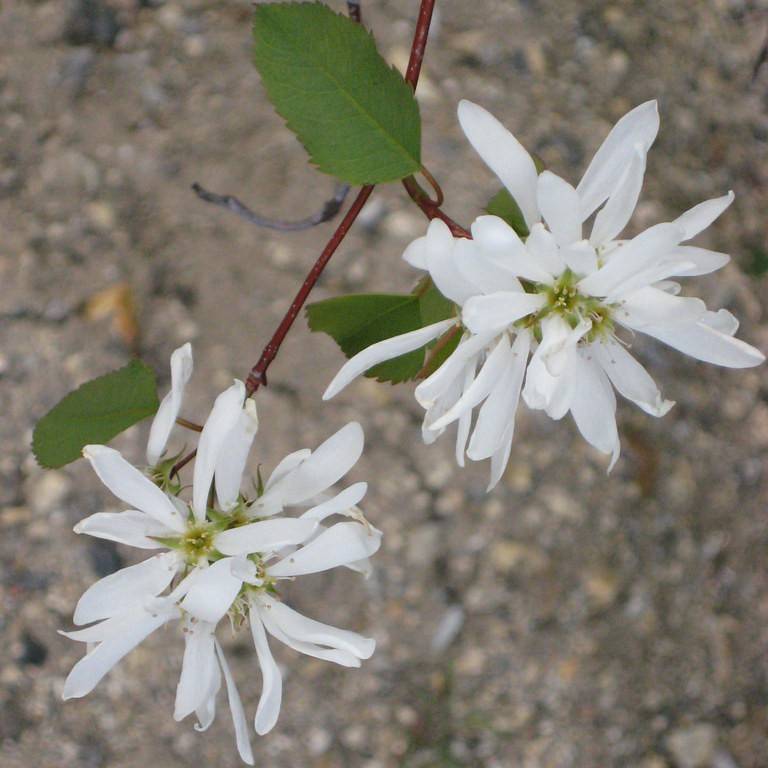
Beautiful Serviceberry
Amelanchier arborea
Overview
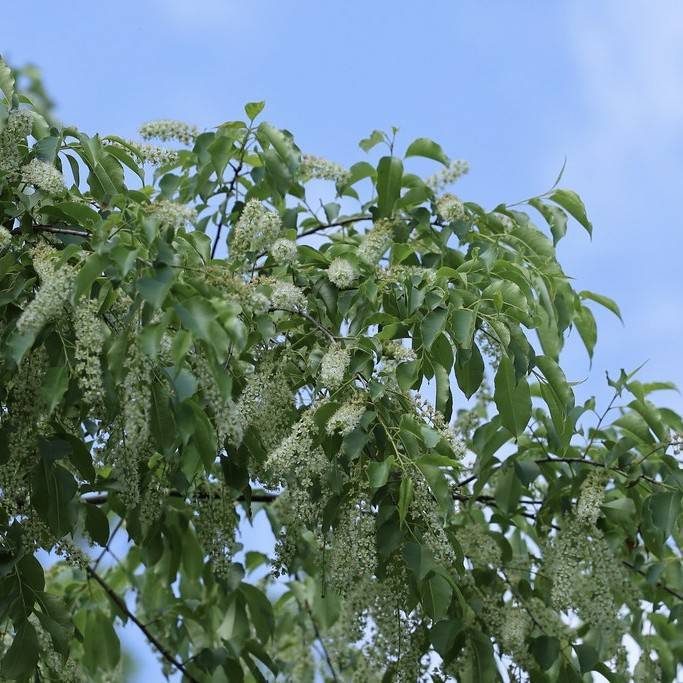
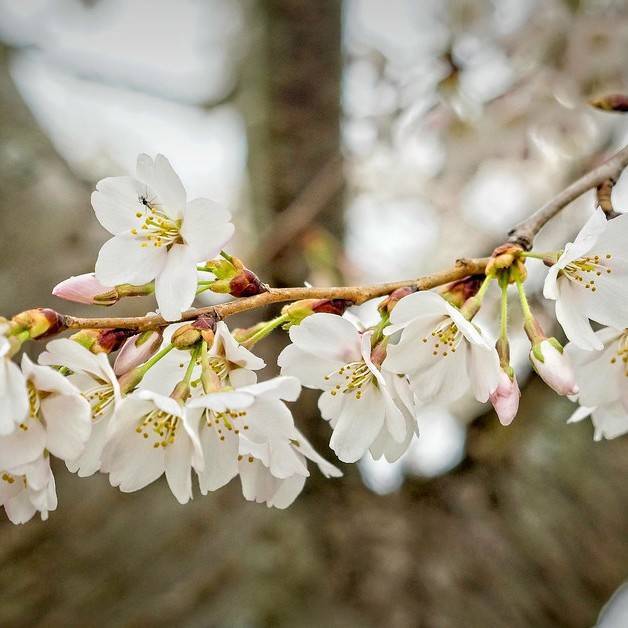
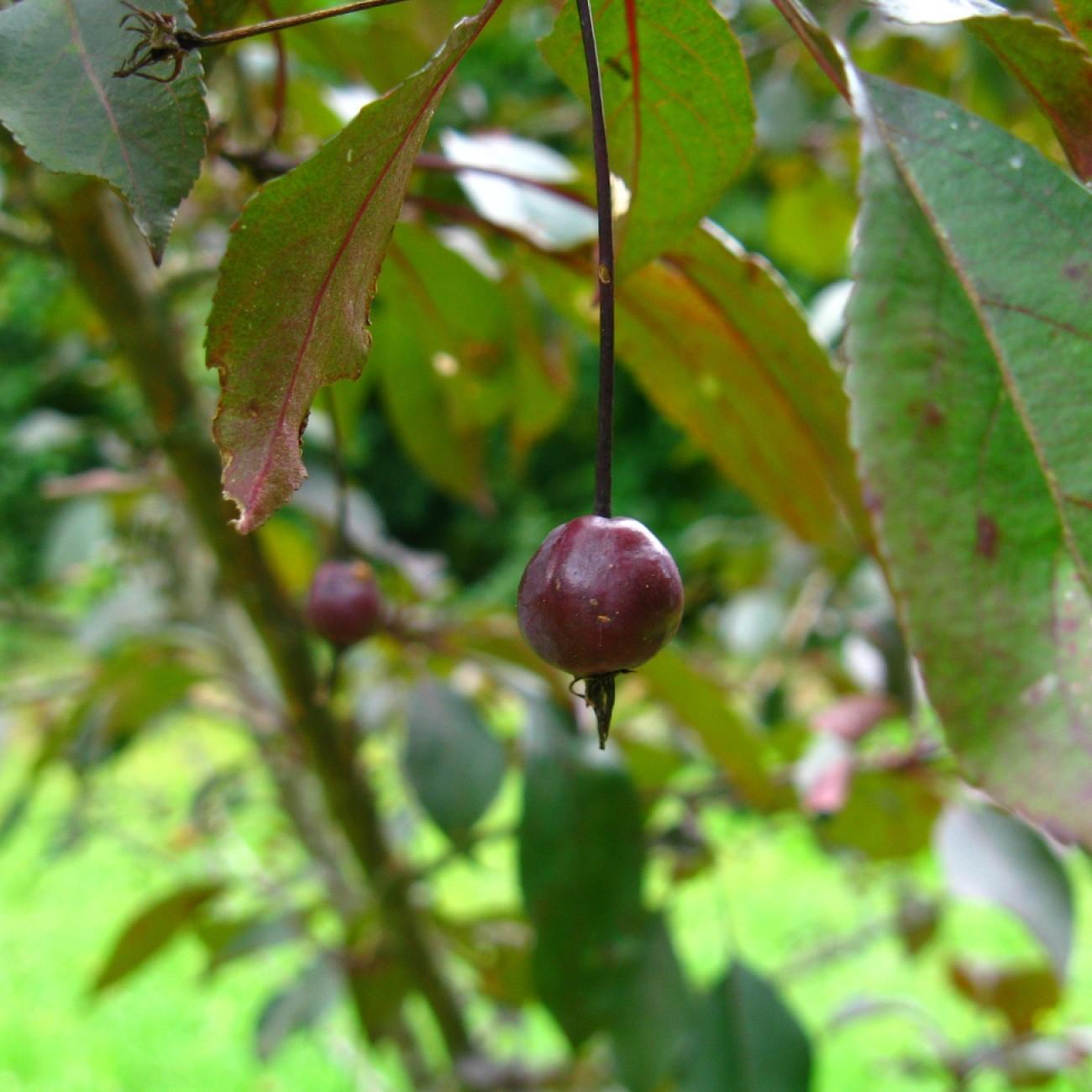
Beautiful serviceberry, also called downy serviceberry, is a hardy deciduous tree or large shrub that fits well in small residential landscapes. It bursts with clusters of fragrant white flowers in early spring before its leaves emerge, followed by sweet, dark purple berries in early summer that resemble blueberries in flavor. In autumn, its soft, downy foliage turns brilliant shades of orange, red, and gold, providing multi-season visual interest.
Care Guide
Watering
Water young trees regularly, keeping soil consistently moist but not waterlogged for the first 2-3 years until established. Mature plants are moderately drought tolerant, only requiring supplemental water during extended periods of hot, dry weather. Avoid overwatering, as saturated soil can lead to root rot.
Light
Thrives in full sun, which encourages the most abundant flowering, fruiting, and vibrant fall foliage color. It can tolerate partial shade, though bloom and berry production will be reduced in shadier locations. Plant in a spot that receives at least 6 hours of direct sunlight daily for best performance.
Soil
Prefers well-drained, loamy, slightly acidic soil with a pH between 5.5 and 7.0, but is adaptable to a wide range of soil types including clay, sand, and rocky substrates as long as drainage is good. It does not tolerate permanently waterlogged or highly alkaline soils. Amending planting sites with organic matter such as compost will improve growth and vigor.
Fertilizer
Fertilize in early spring before new growth emerges using a balanced, slow-release 10-10-10 fertilizer formulated for woody landscape plants. Avoid over-fertilizing, as excessive nitrogen can promote weak, leggy growth and reduce flowering and fruiting. Established plants rarely need heavy feeding, and a 2-3 inch layer of organic mulch around the base will slowly supply nutrients as it decomposes.
Temperature
Adaptable to USDA hardiness zones 4 through 9, tolerating winter temperatures as low as -30°F (-34°C) and summer heat up to 100°F (38°C). It requires a period of winter chill to break dormancy and produce blooms the following spring. Late spring frosts can occasionally damage open flowers, reducing berry yield for the season.
Pruning
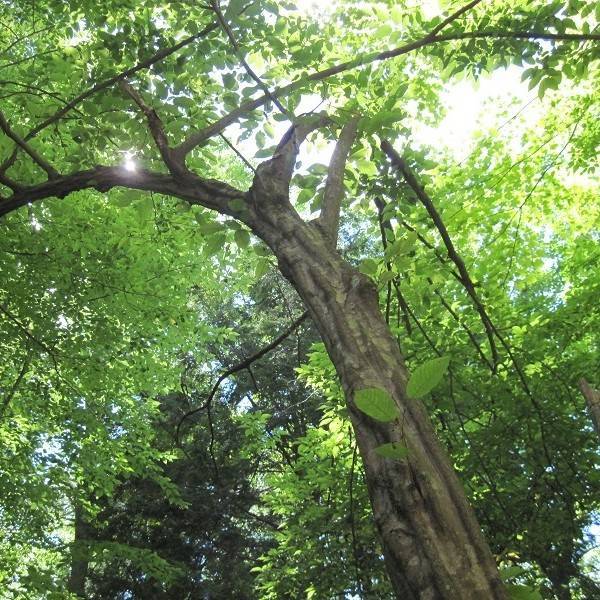
Prune in late winter while the tree is dormant, removing any dead, diseased, or crossing branches to improve air circulation and structure. You can also prune to maintain a single-trunk tree form or a multi-stem shrub shape, depending on your landscape preference. Avoid heavy pruning after spring growth begins, as this can reduce flower and berry production for the current year.
Propagation
Most commonly propagated from softwood cuttings taken in early summer, rooted under mist with rooting hormone for best success. It can also be grown from seed, though seeds require 3-4 months of cold stratification to germinate, and seedlings may not retain the exact characteristics of the parent plant. Suckers that grow from the root system can also be dug up and transplanted in late winter before new growth starts.
Humidity
Tolerates a wide range of humidity levels, from the dry conditions of its northern range to the high humidity of the southeastern United States. Good air circulation around the foliage helps prevent fungal leaf diseases in areas with high summer humidity. It has no special humidity requirements when grown in its adapted climate zones.
Repotting
Beautiful serviceberry is typically grown as a landscape plant rather than a container specimen, so repotting is rarely necessary. If growing in a large container for a short period, repot every 2-3 years in early spring using a well-drained potting mix formulated for woody plants. Once the tree reaches 6-8 feet tall, it is best transplanted to a permanent in-ground location for long-term health.
Uses & Symbolism
The sweet, juicy berries are edible raw, used in jams, jellies, pies, and baked goods, or dried like raisins, and are also a high-value food source for birds, butterflies, and other wildlife. It is widely planted as an ornamental landscape tree for its spring blooms, edible fruit, and stunning fall foliage, suitable for small yards, street plantings, and native gardens. The hard, fine-grained wood is occasionally used for small woodworking projects and tool handles.
Diseases & Pests
Common fungal issues include cedar-serviceberry rust, leaf spot, and powdery mildew, which are rarely fatal but can cause unsightly foliage; these can be managed by improving air circulation and avoiding overhead watering. Pests such as aphids, scale insects, spider mites, and Japanese beetles may occasionally feed on foliage, but infestations are usually minor and can be controlled with insecticidal soap or horticultural oil. Fire blight, a bacterial disease, can affect members of the rose family in warm, wet spring conditions, requiring prompt removal of infected branches to prevent spread.
Related plants
Other plants you might like if you grow Beautiful Serviceberry.