Bladdernut
Staphylea trifolia
Overview
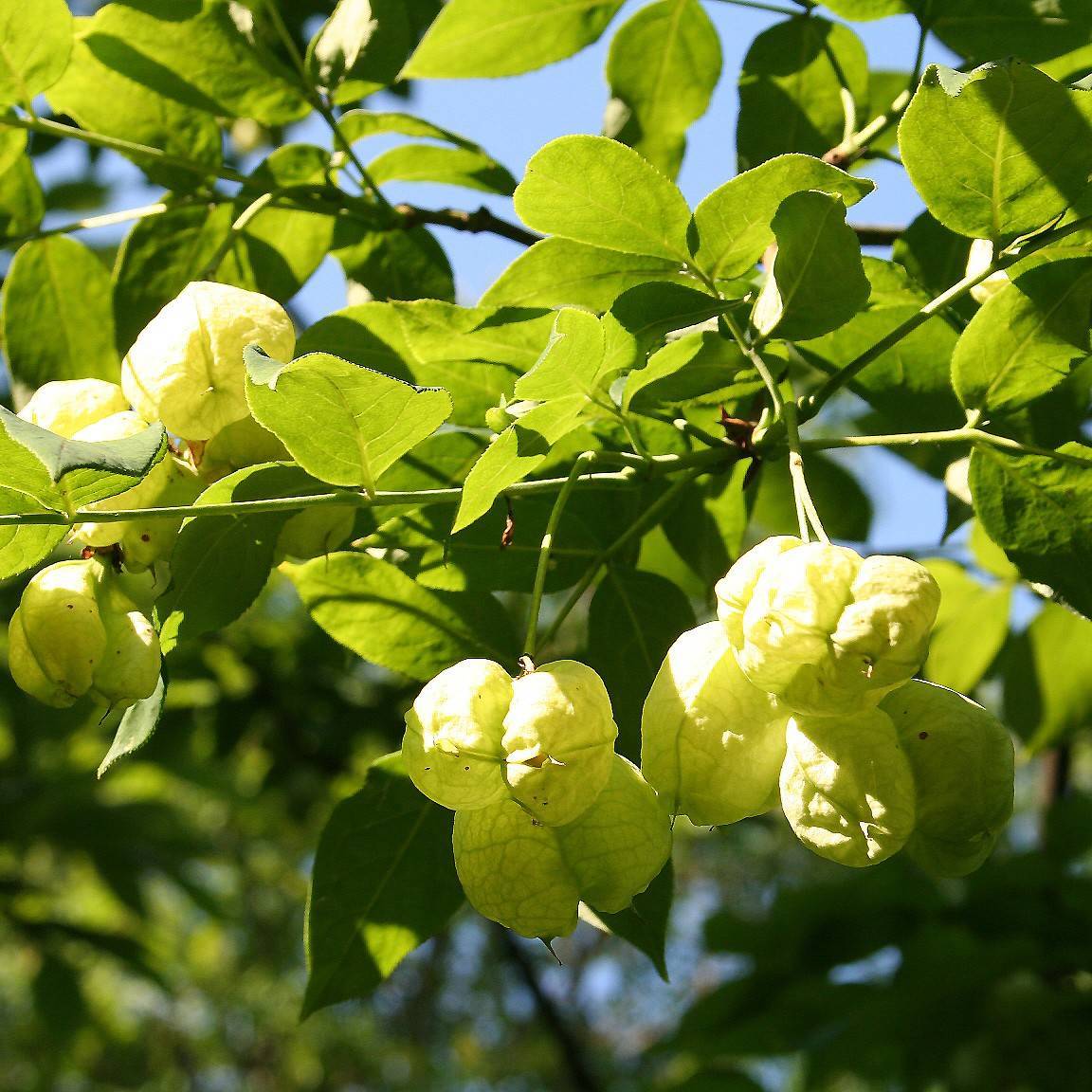
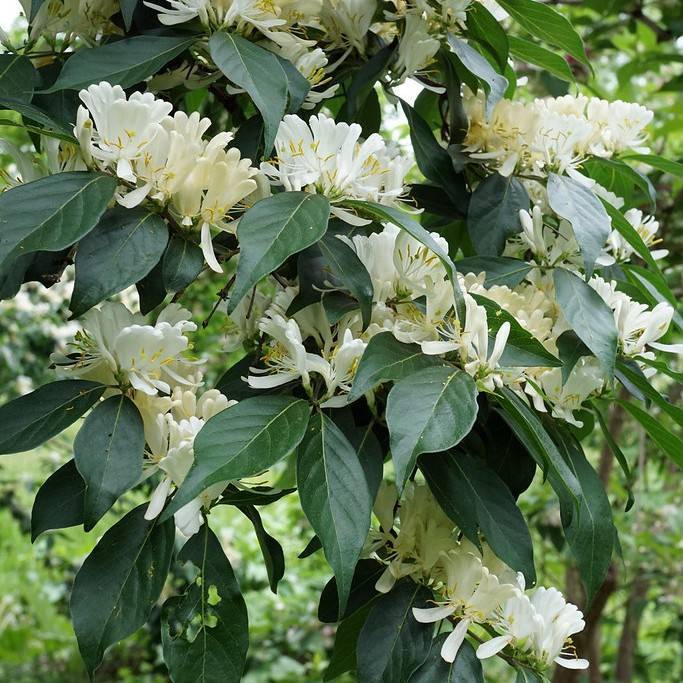
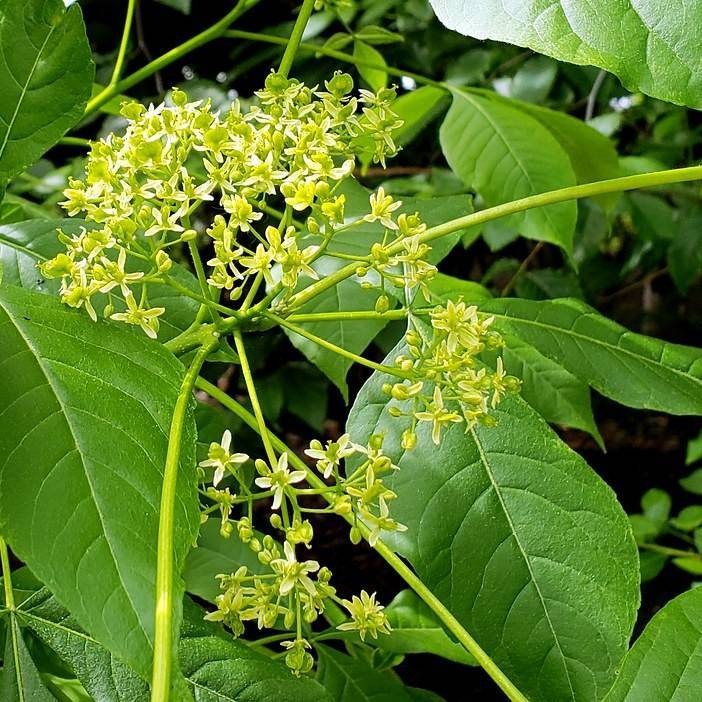
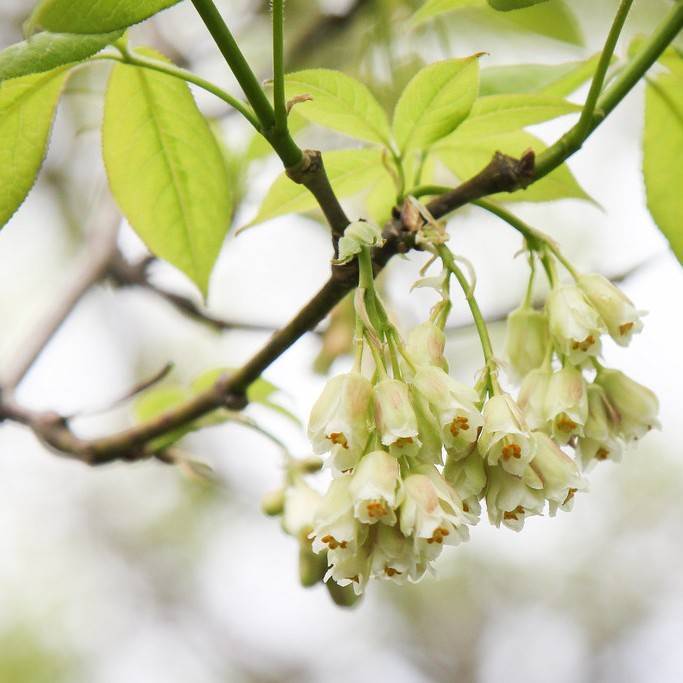
American bladdernut is a deciduous, multi-stemmed understory shrub that thrives in moist, woodland environments, recognizable for its opposite, trifoliate leaves that turn soft yellow in autumn. In mid-spring, it produces drooping clusters of fragrant, bell-shaped white flowers that attract native pollinators including bees and butterflies. The plant’s most notable feature is its papery, 3-lobed inflated seed pods that ripen to pale brown in late summer, holding small, hard edible seeds inside.
Care Guide
Watering
Bladdernut prefers consistently moist, well-drained soil, requiring regular watering during dry spells to prevent leaf scorch, especially when grown in full sun. Established plants have moderate drought tolerance, but will produce more abundant flowers and pods if soil moisture is maintained. Avoid overwatering or waterlogged conditions, which can cause root rot in young specimens.
Light
This understory shrub grows best in partial shade, mimicking its native woodland habitat, where it receives dappled sunlight throughout the day. It can tolerate full sun if given ample moisture, but may suffer from leaf burn in hot, dry, direct summer sun. It also adapts to full shade, though flowering and pod production will be reduced in low light conditions.
Soil
Bladdernut thrives in rich, loamy, slightly acidic to neutral soil with high organic matter content, typical of deciduous woodland floors. It adapts to a range of soil types including clay, sandy, or rocky soils, as long as drainage is adequate. Amending planting sites with compost or leaf mold will improve soil structure and support healthy root growth.
Fertilizer
Mature bladdernut shrubs rarely require supplemental fertilization if grown in nutrient-rich soil with regular organic mulch applications. Young plants can benefit from a balanced, slow-release fertilizer applied in early spring before new growth emerges to support establishment. Avoid high-nitrogen fertilizers, which can promote excessive leaf growth at the expense of flower and pod production.
Temperature
Bladdernut is hardy in USDA zones 4 through 8, tolerating winter temperatures as low as -30°F (-34°C) without damage. It prefers cool to moderate summer temperatures, and may require extra shade and water in regions with consistent high heat above 90°F (32°C). Late spring frosts can damage new growth, so avoid planting in low-lying frost pockets if possible.
Pruning
Prune bladdernut in late winter or early spring before new growth begins, removing dead, damaged, or crossing branches to maintain good air circulation through the shrub’s canopy. It can be lightly shaped to control size, but avoid heavy pruning, as flowers and pods form on previous year’s wood. Remove suckers at the base if you wish to prevent the shrub from spreading into a colony.
Propagation
Bladdernut is most easily propagated from seed, which requires cold stratification for 90 to 120 days to break dormancy before sowing in spring. Softwood cuttings taken in early summer can also root successfully if treated with rooting hormone and kept in high humidity. It also spreads naturally via root suckers, which can be dug up and transplanted in early spring while the plant is dormant.
Humidity
Bladdernut adapts well to average ambient humidity levels common in its native range, thriving in the moderate humidity of temperate woodland environments. It does not require extra humidity when grown outdoors, but may benefit from occasional misting if grown as a potted specimen in dry indoor environments. Very low humidity can cause leaf edge browning, especially when combined with high temperatures.
Repotting
Bladdernut is rarely grown as a potted houseplant, but if cultivated in containers, repot every 2 to 3 years in early spring before new growth emerges. Use a large, well-draining container with a rich, loamy potting mix amended with compost to support its root system. After repotting, water thoroughly and place in partial shade for a week to reduce transplant shock.
Uses & Symbolism
Bladdernut is widely planted in native woodland gardens, rain gardens, and naturalized landscapes for its seasonal interest, wildlife value, and erosion control capabilities. Its unique persistent seed pods are popular in dried floral arrangements, and its small, nut-like seeds were historically eaten raw or cooked by Indigenous peoples of North America. It is also planted as a shade-tolerant ornamental shrub for its fragrant spring flowers and attractive autumn foliage.
Diseases & Pests
Bladdernut is relatively pest and disease resistant, with no major common pathogens affecting its health, though it may occasionally suffer from leaf spot or powdery mildew in poorly ventilated, overly moist conditions. Aphids and scale insects may infest new growth, but can be controlled with insecticidal soap or horticultural oil applications. Root rot can occur in heavy, waterlogged soil, so proper drainage is critical to prevent this issue.
Related plants
Other plants you might like if you grow Bladdernut.