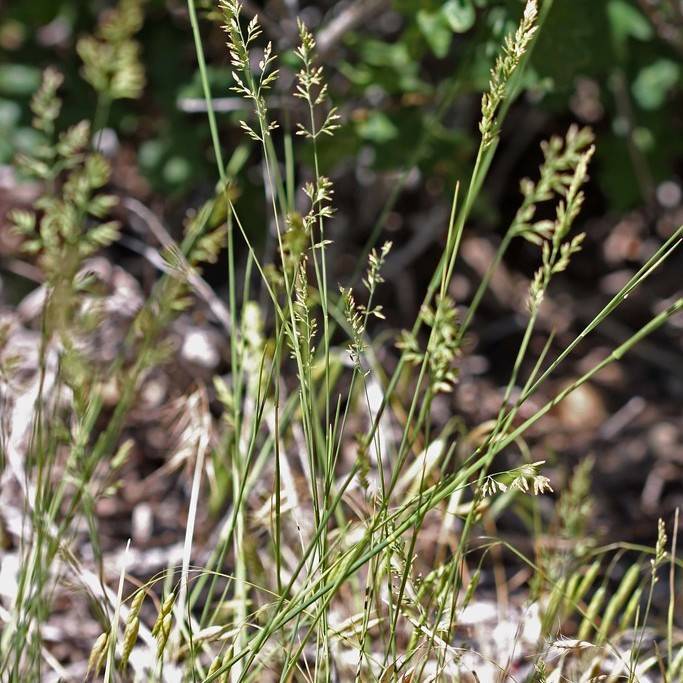
Canada Bluegrass
Poa compressa
Overview
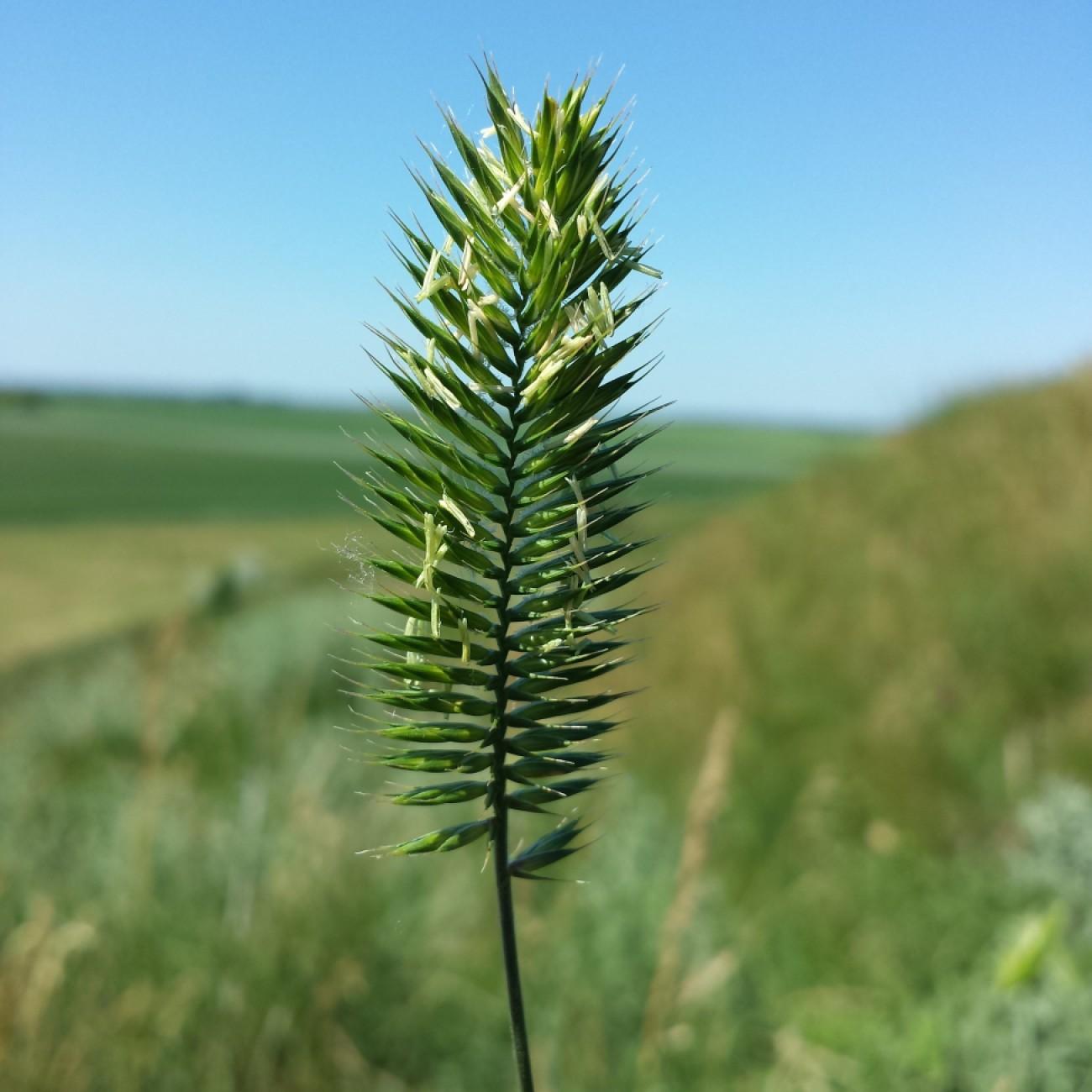
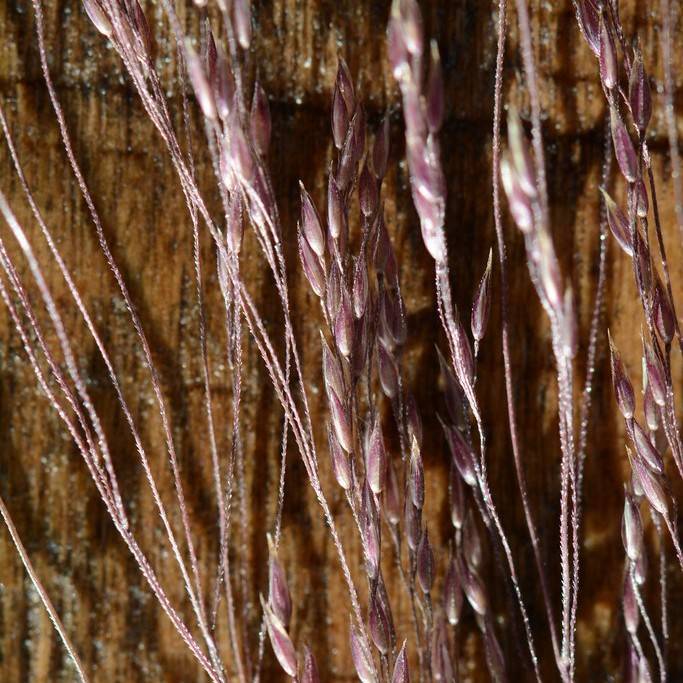
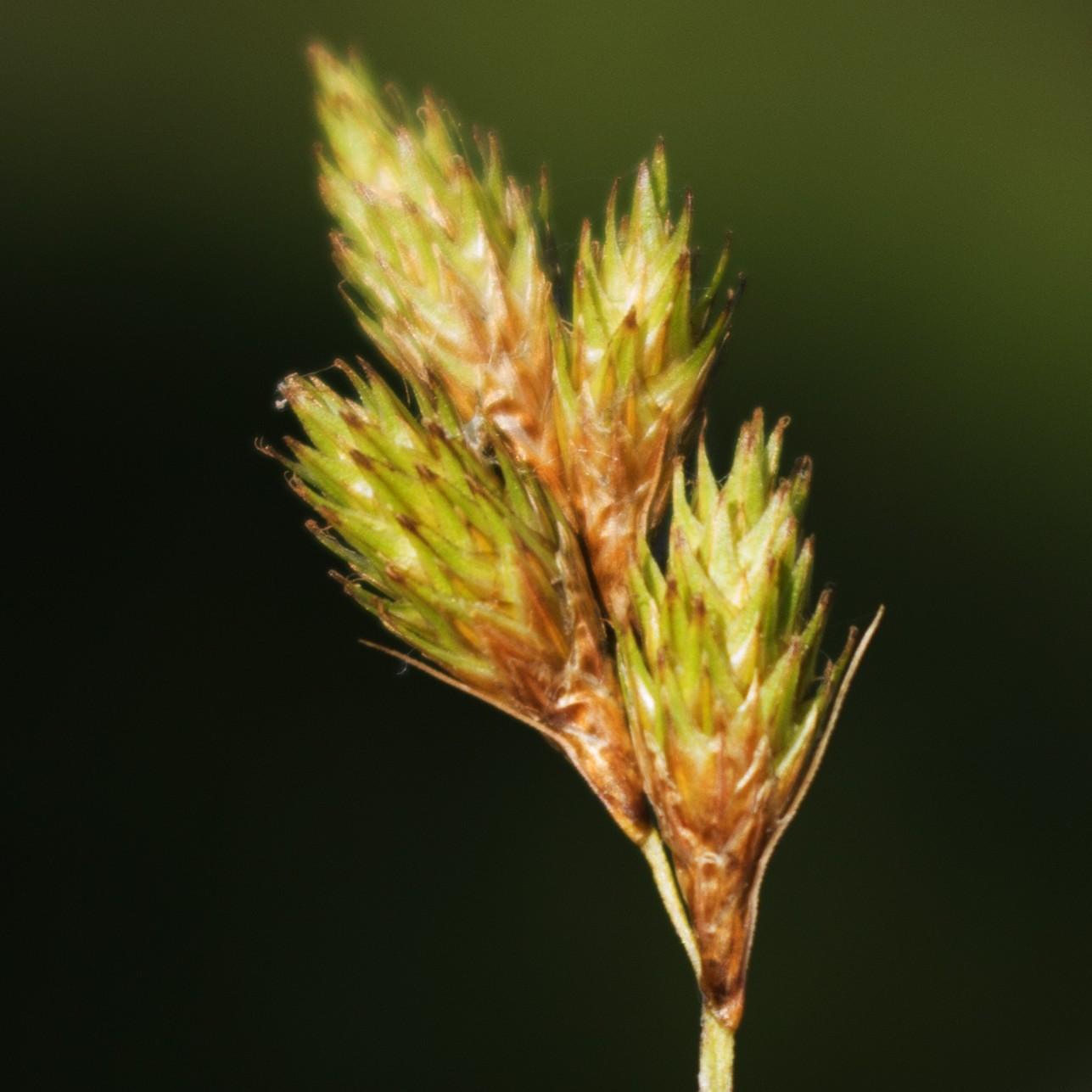
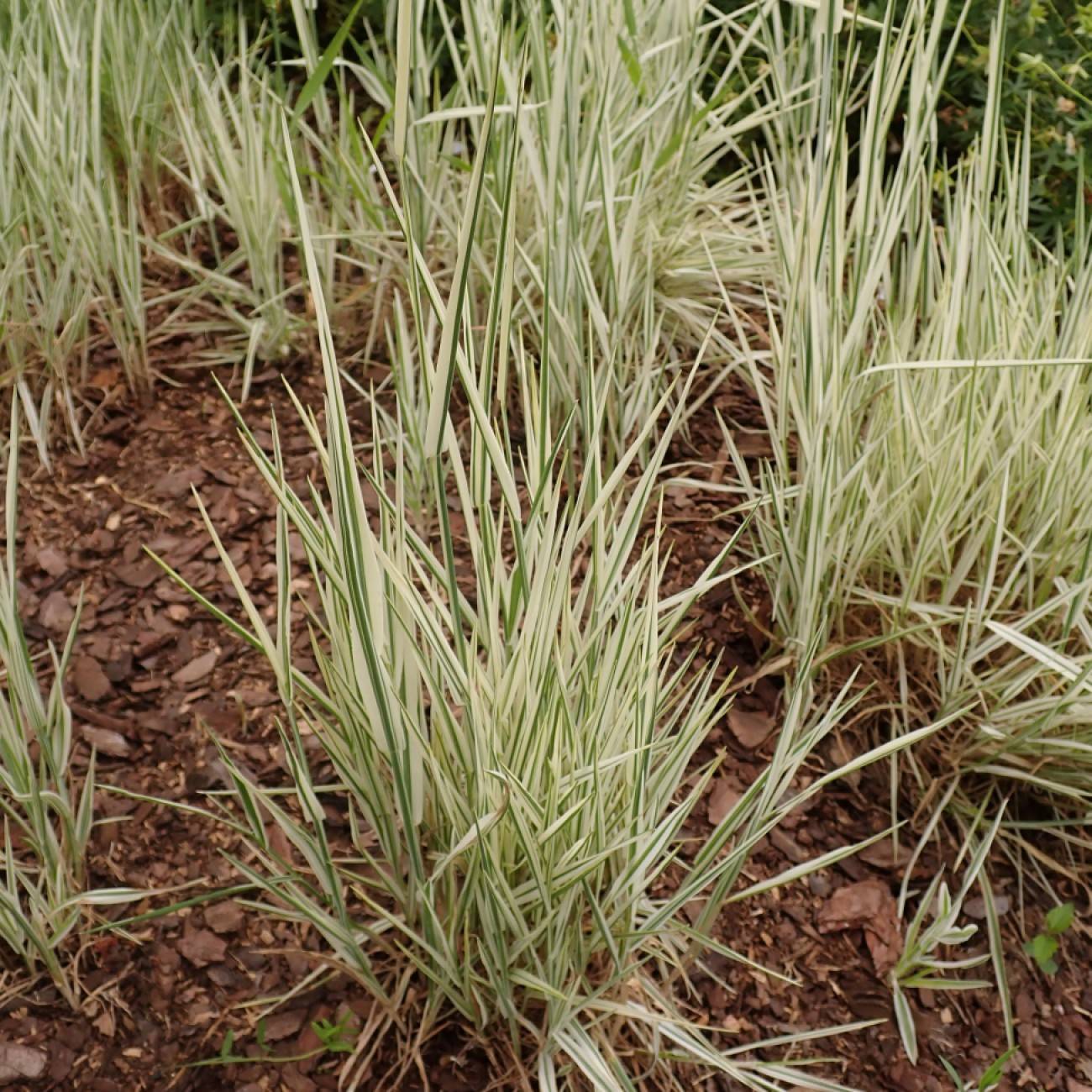
Canada bluegrass is a rhizomatous, cool-season grass distinguished by its flattened, wiry stems and narrow, blue-green foliage. Adaptable to poor, shallow, or dry soils where common Kentucky bluegrass struggles, it forms a dense, low-growing sod ideal for challenging landscapes. Though not as lush as high-maintenance lawn grasses, its hardiness makes it a staple for low-input sites, reclamation projects, and unimproved pastures.
Care Guide
Watering
Drought-tolerant once established, requiring only occasional deep watering during extended dry periods; avoid overwatering, as it thrives in drier soils than many other turf grasses. Newly seeded or planted specimens need consistent light moisture for 2-3 weeks until roots become established, after which irrigation can be drastically reduced. It will go dormant and turn brown during prolonged extreme drought, greening up quickly once moisture returns.
Light
Performs best in full sun, receiving at least 6 hours of direct sunlight daily for densest growth and best foliage color. It can tolerate partial shade, though growth may become sparser and less vigorous in low-light conditions. Too much consistent shade will lead to thin sod and increased susceptibility to weed encroachment.
Soil
Highly adaptable to a wide range of soil types, including shallow, rocky, sandy, or low-fertility soils that are too poor for most other common turf grasses. It prefers a slightly acidic to neutral pH between 5.5 and 7.0, but tolerates mildly alkaline conditions far better than Kentucky bluegrass. Good drainage is essential, as it does not perform well in waterlogged, heavy clay soils that stay saturated for long periods.
Fertilizer
Requires very little fertilizer to thrive, making it ideal for low-input landscapes; an annual light application of balanced 10-10-10 fertilizer in early spring is sufficient for most sites. Over-fertilizing will encourage excessive leaf growth at the expense of root and rhizome development, reducing its drought tolerance and hardiness. In very poor, degraded soils, a small addition of compost once every 2-3 years can support healthier growth without excess nutrient input.
Temperature
Cool-season grass that grows most actively in spring and fall when temperatures range between 60-75°F (15-24°C). It is extremely cold-hardy, surviving winter temperatures as low as -40°F (-40°C) in its northern range, and goes dormant during hot summer temperatures above 85°F (29°C). It tolerates moderate summer heat better than some other cool-season grasses when grown in dry, well-drained soils.
Pruning
If grown as a lawn, mow to a height of 2-3 inches (5-7.5 cm) during active growth periods; avoid mowing shorter than 2 inches, as this will stress the plants and reduce their drought tolerance. For pasture or reclamation use, it can be grazed or cut for hay in late spring before seed heads form, though it produces less forage than other pasture grasses. Remove any dead, brown foliage in early spring to encourage new, healthy growth and improve air circulation.
Propagation
Most commonly propagated from seed, sown directly in early spring or late fall; prepare a lightly raked seed bed, press seeds into the soil surface, and keep lightly moist until germination, which occurs in 7-14 days under optimal conditions. It can also be propagated by dividing established rhizomatous clumps in early spring or fall, replanting sections 6-12 inches apart to quickly establish new stands. It self-seeds readily under favorable conditions, spreading slowly to form a continuous sod without becoming aggressively invasive.
Humidity
Tolerates a wide range of humidity levels, from dry continental climates to moderately humid eastern North American conditions. High humidity combined with poor air circulation and overly wet soil can increase risk of foliar fungal diseases, so avoid overwatering in humid regions. It does not require any supplemental humidity, performing well in the ambient humidity of most temperate growing zones.
Repotting
Rarely grown in containers, as its spreading rhizomatous growth habit requires ample space to establish a healthy root system. If grown in a container for trial or ornamental use, repot every 2-3 years in early spring, trimming back overgrown rhizomes and using a well-drained, low-fertility potting mix. Ensure containers have ample drainage holes to prevent waterlogging, which will quickly cause root rot in this drought-tolerant species.
Uses & Symbolism
Canada bluegrass is widely used for erosion control on roadsides, mine reclamation sites, and sloped areas where poor soil and dry conditions prevent other grasses from establishing. It is planted in low-maintenance lawns, parks, and recreational areas that receive minimal irrigation and fertilization, and is a common component of low-input pasture mixes for grazing livestock, as it provides palatable forage for cattle, sheep, and horses. It is also used in native and naturalized landscape plantings to provide ground cover and food for small wildlife and pollinators that feed on its seeds.
Diseases & Pests
Generally resistant to most common turf diseases, though it can develop foliar fungal issues such as leaf spot and rust in prolonged periods of high humidity, poor air circulation, and overly wet soil. Common pests include aphids and grasshoppers, which feed on foliage, though infestations rarely cause significant damage to healthy, established stands. Overwatering and poor drainage are the most common causes of health issues, leading to root rot and weak growth that allows weeds to encroach.
Related plants
Other plants you might like if you grow Canada Bluegrass.