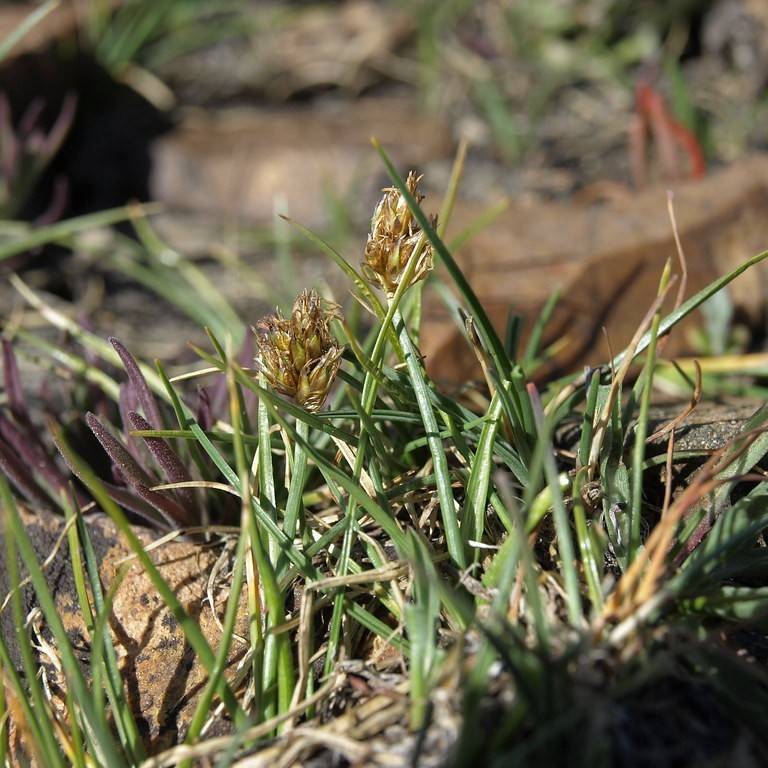
Coastal Sand Sedge
Carex arenaria
Overview
Coastal Sand Sedge is a rhizomatous grass-like plant well-adapted to harsh, wind-swept sandy coastal environments, where its extensive underground root system binds loose sand to prevent erosion. It produces narrow, stiff, gray-green leaves that grow in dense clumps, and small, unobtrusive brown spikelets that bloom in late spring to early summer. It is highly tolerant of salt spray, drought, and poor nutrient soils, making it a popular choice for coastal restoration projects and xeriscaping in sandy, well-drained locations.
Care Guide
Watering
Water newly planted Coastal Sand Sedge regularly to establish roots, but reduce frequency once established, as it is highly drought tolerant and only needs supplemental water during extended dry periods. Avoid overwatering or allowing the plant to sit in saturated soil, as this can cause root rot and damage its rhizomatous root system. It naturally thrives in areas with low, sporadic rainfall, so it requires very little irrigation in most coastal climates.
Light
Coastal Sand Sedge grows best in full, direct sunlight, though it can tolerate very light partial shade for a few hours per day. Insufficient sunlight will cause sparse, leggy growth and reduce the plant’s ability to spread and stabilize surrounding sand. It is well-adapted to intense, unfiltered coastal sunlight and high UV exposure with no risk of leaf burn.
Soil
This sedge requires extremely well-drained, sandy, low-nutrient soil to thrive, and will not grow in heavy clay, loam, or waterlogged substrates. It tolerates a wide pH range from acidic to slightly alkaline, and is highly adapted to soils with high salt content from regular coastal spray. Avoid amending the soil with compost or other organic matter, as rich soils can cause overly lush growth that is less resilient to wind and drought.
Fertilizer
Coastal Sand Sedge does not require regular fertilization, as it is adapted to low-nutrient sandy soils, and excess nutrients can damage its root system and reduce its stress tolerance. If planted in extremely poor sand where growth is very stunted, apply a slow-release, low-nitrogen fertilizer once in early spring at half the recommended rate for ornamental grasses. Never apply high-nitrogen fertilizers, as these will encourage weak, floppy foliage that is susceptible to wind damage.
Temperature
It thrives in cool to moderate coastal temperatures between 40-75°F (4-24°C), and is hardy to USDA zones 4-8, tolerating winter lows down to -30°F (-34°C) when established. It is highly tolerant of wind, salt spray, and temperature fluctuations common in coastal environments, and will survive short periods of high heat up to 90°F (32°C) if soil is well-drained. Extended periods of high heat and humidity outside of its native range can cause stress and increase susceptibility to root rot.
Pruning
Prune Coastal Sand Sedge once per year in late winter or early spring, cutting back dead or brown foliage to 2-3 inches above the soil line to make room for new spring growth. Remove any flower stalks after blooming if you prefer a neater appearance, though leaving the seed heads in place provides food for small coastal birds and beneficial insects. Avoid heavy pruning during the active growing season, as this can slow the plant’s spread and reduce its ability to stabilize sand.
Propagation
The most common method of propagation is division of established clumps in early spring or late fall, when the plant is dormant. Dig up a portion of the rhizomatous root system, separate it into sections with at least 2-3 growing shoots, and replant immediately in sandy soil, watering lightly to settle the roots around the new planting. It can also be grown from seed, though germination is slow and inconsistent, requiring cold stratification for 3-4 months before sowing in sandy, well-drained medium.
Humidity
Coastal Sand Sedge prefers moderate to high humidity typical of coastal environments, between 50-70% relative humidity, but tolerates dry air for short periods if soil moisture is adequate. It does not require supplemental misting or humidity adjustments when grown in inland locations, as long as it is not exposed to extended periods of extremely dry, hot air. High humidity combined with poorly drained soil is the primary risk factor for fungal diseases in this species.
Repotting
Coastal Sand Sedge is rarely grown in containers, as it requires a large area for its spreading rhizome system to develop, but if planted in a pot, repot every 2-3 years in early spring to refresh the sandy substrate and prevent root binding. Use a deep, wide container with ample drainage holes, and fill it with a pure sand or cactus mix with no added organic matter to mimic its natural growing conditions. Avoid planting in pots that are too small, as restricted root growth will stunt the plant and reduce its hardiness.
Uses & Symbolism
Coastal Sand Sedge is primarily used for coastal dune stabilization and erosion control, as its extensive rhizome network binds loose sand together to prevent wind and water erosion in vulnerable shoreline areas. It is also planted in xeriscaped gardens, rock gardens, and sandy landscape beds as a low-maintenance, drought-tolerant groundcover that provides habitat for small coastal wildlife and beneficial insects. It is occasionally used in restoration projects to reestablish native coastal plant communities and support pollinators and seed-eating birds.
Diseases & Pests
Coastal Sand Sedge is highly resistant to most pests and diseases, but can develop root rot and fungal leaf spots if grown in poorly drained, waterlogged soil or overly humid conditions with poor air circulation. It may occasionally be affected by aphids and spider mites, though these infestations are rare and typically only occur on stressed plants grown in unsuitable conditions. It is highly tolerant of salt spray and wind damage, with very few common issues when planted in its preferred sandy, well-drained, full-sun environment.
Related plants
Other plants you might like if you grow Coastal Sand Sedge.
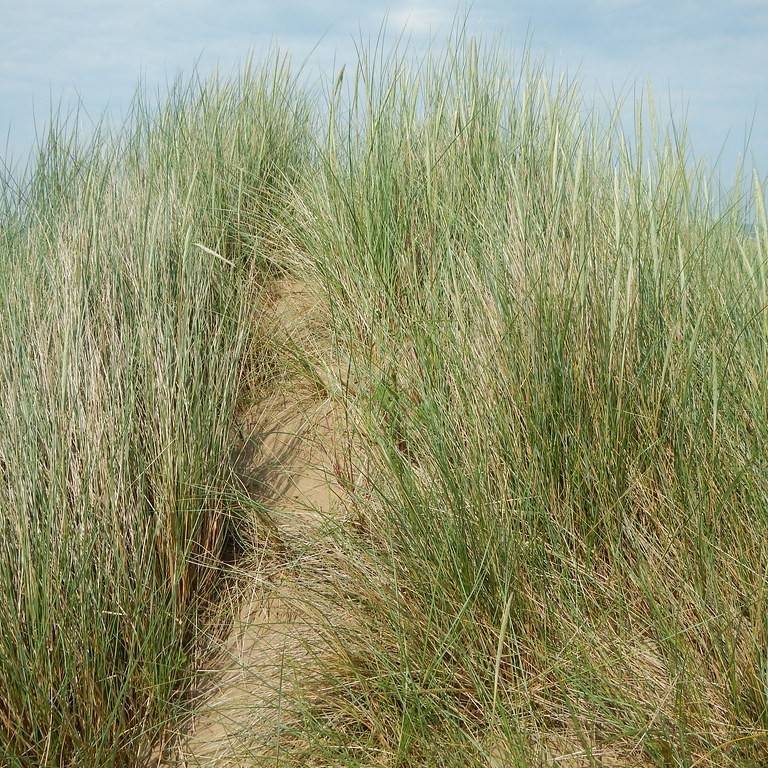
European Beachgrass
Ammophila arenaria
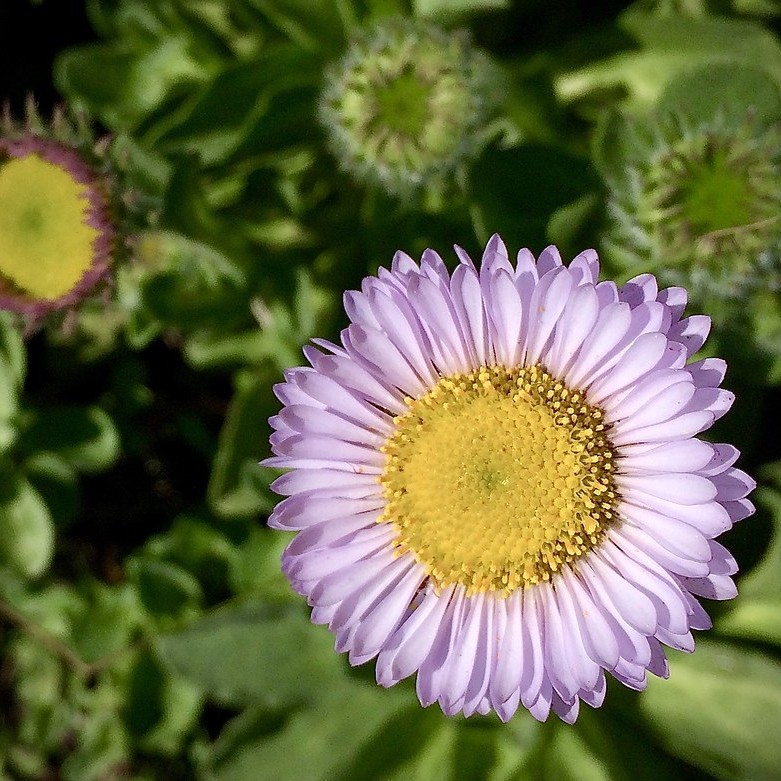
Beach Aster
Symphyotrichum novi-belgii
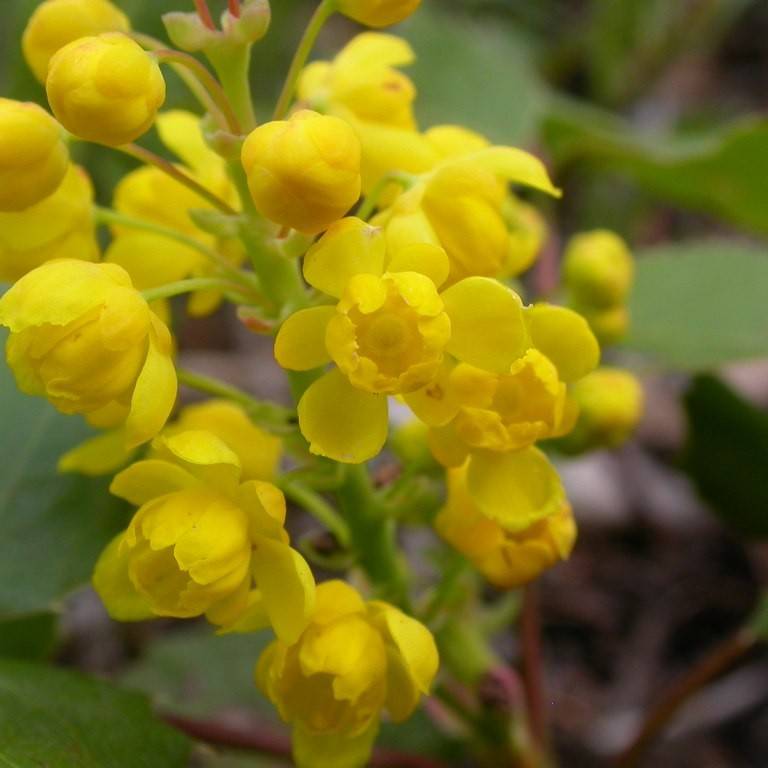
Creeping Mahonia
Mahonia repens
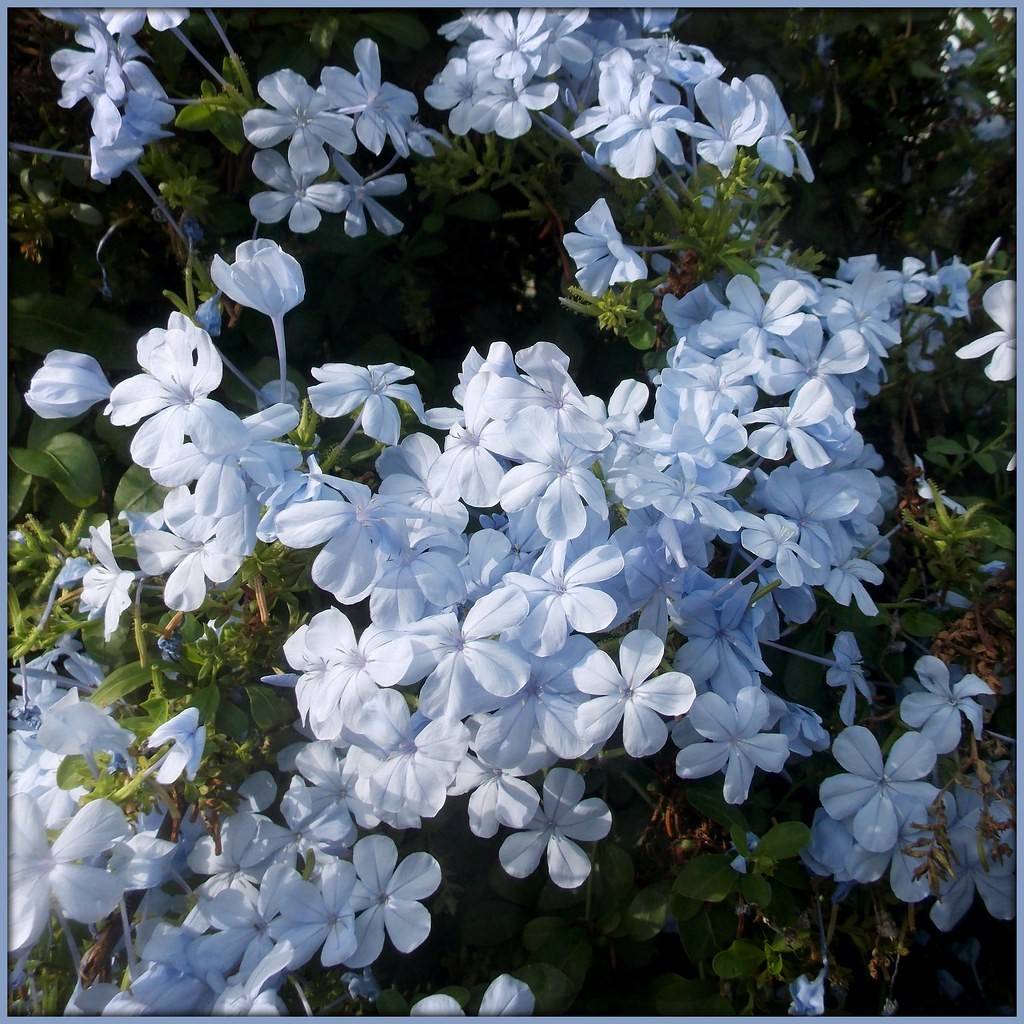
Cape Leadwort
Plumbago auriculata
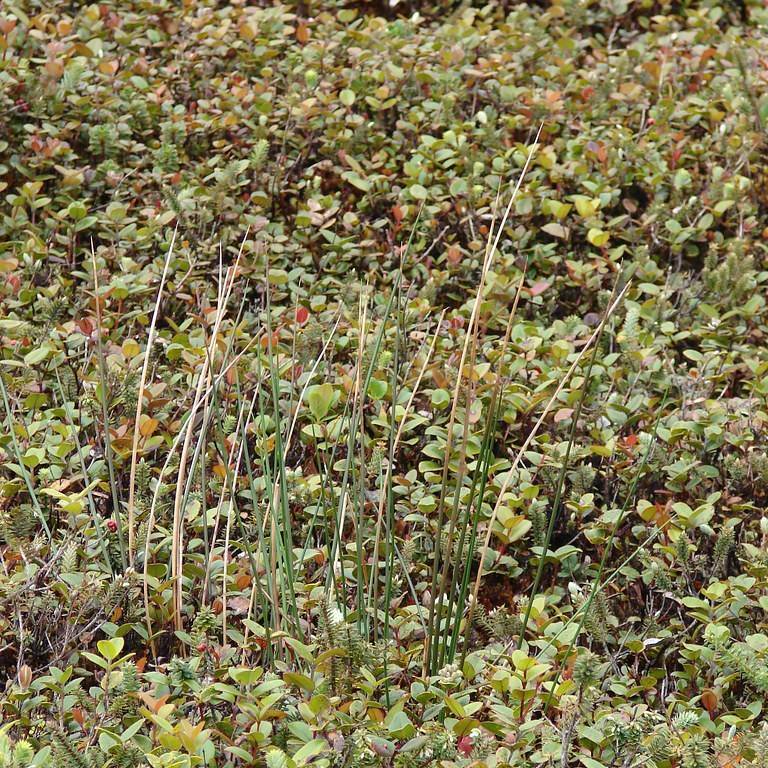
Dwarf Mat Rush
Lomandra confertifolia subsp. pallida 'Little Con'
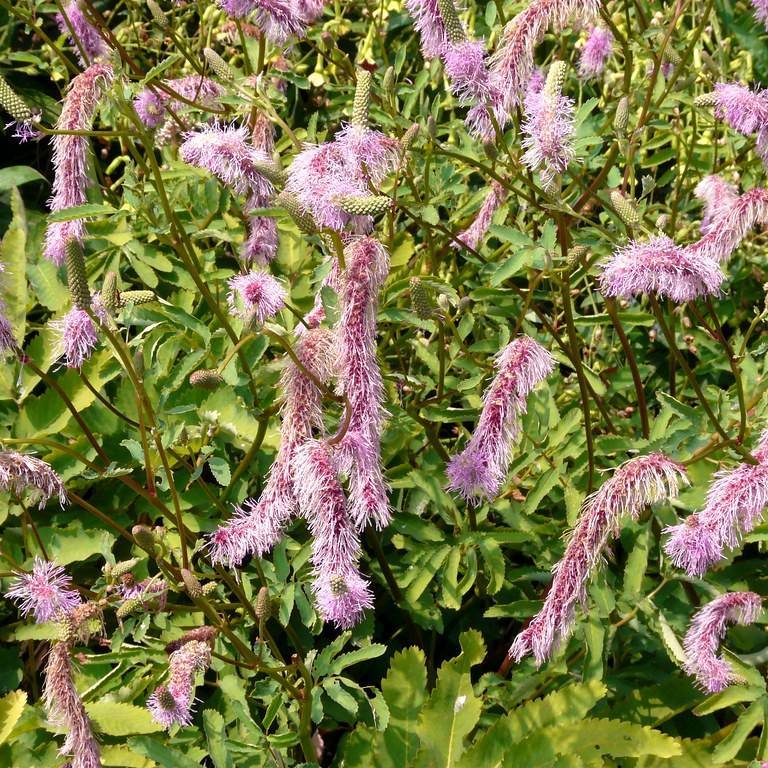
Bottlebrush
Callistemon citrinus
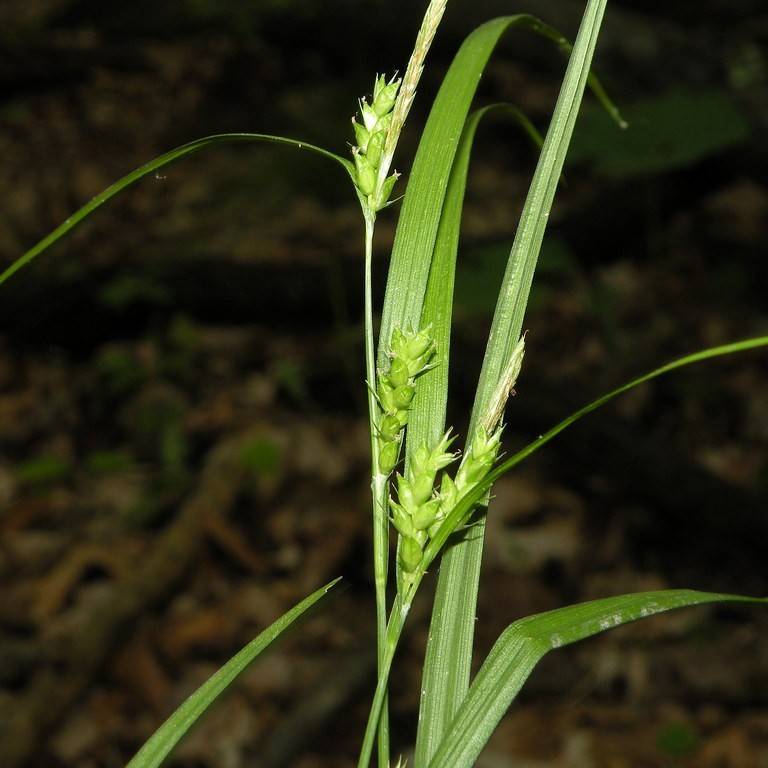
Eastern Narrowleaf Sedge
Carex amphibola
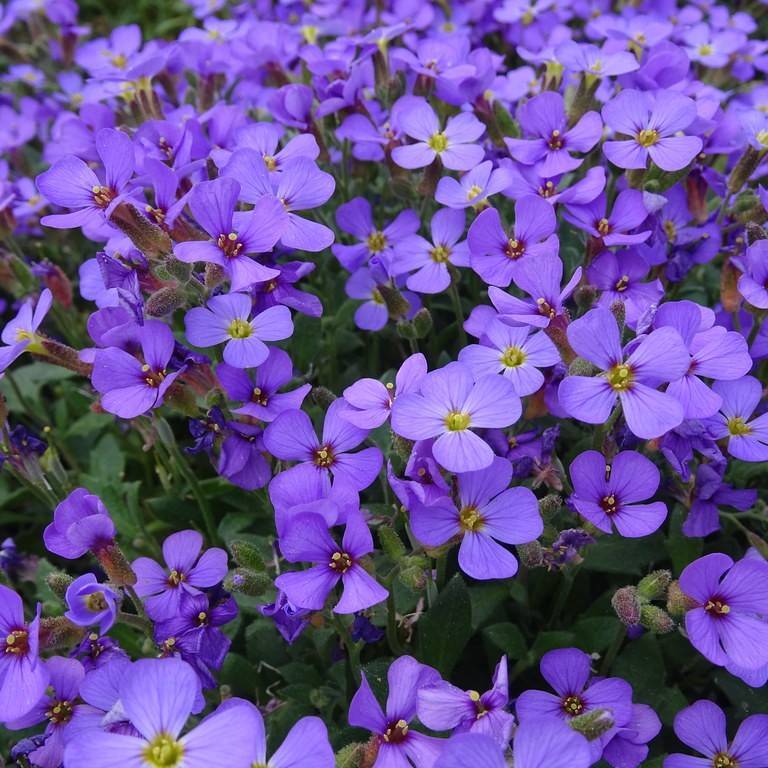
Garden Aubrieta
Aubrieta deltoidea