Beach Aster
Symphyotrichum novi-belgii
Overview
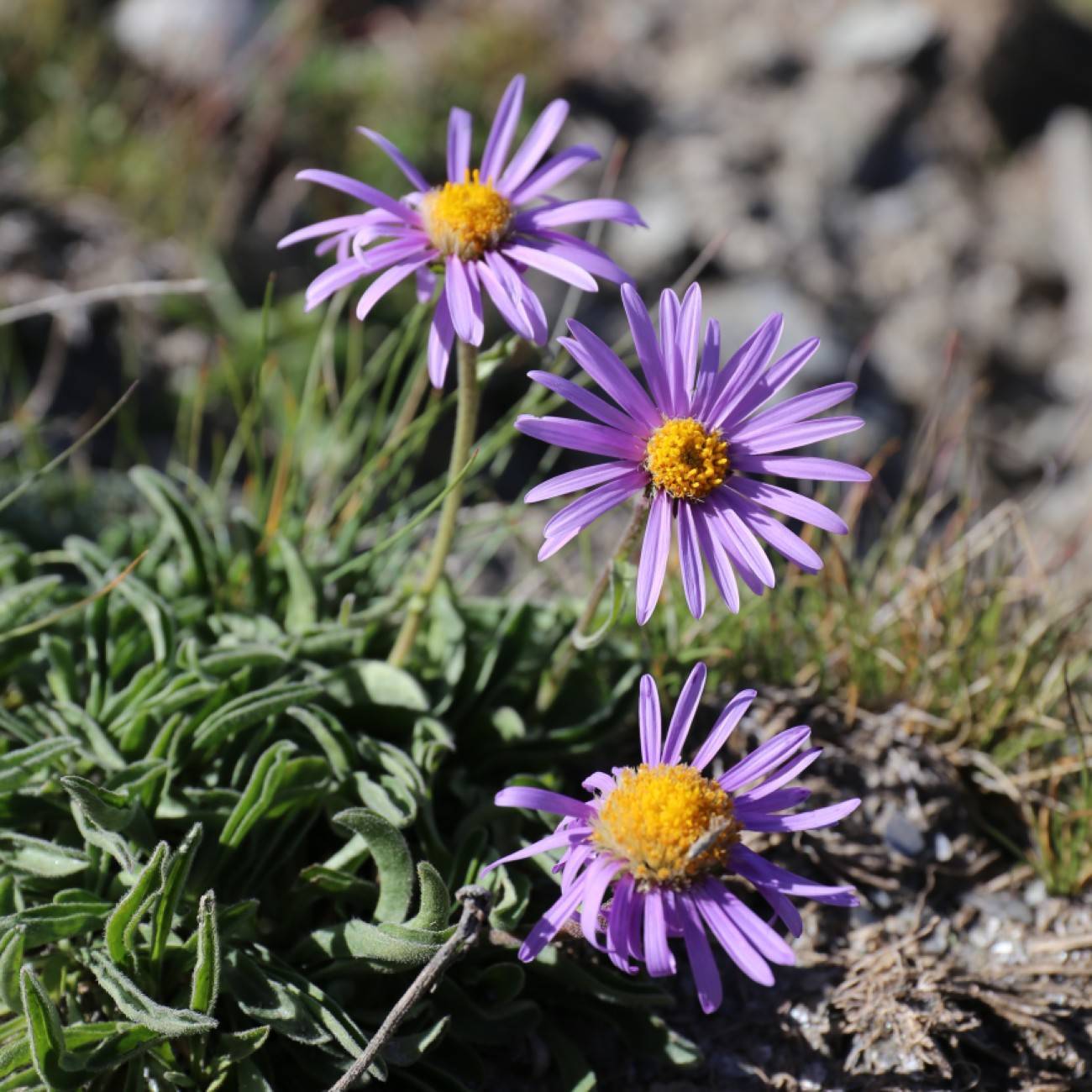
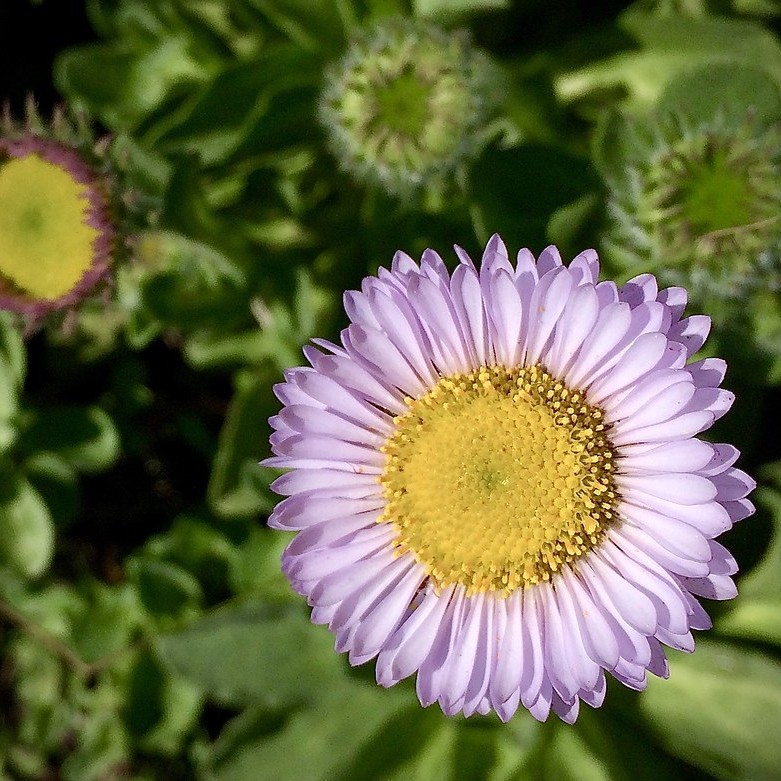
Beach aster, also known as New York aster, is a hardy herbaceous perennial adapted to sandy, salt-spray exposed coastal habitats. Its abundant, daisy-form flowers typically feature pale lilac to deep purple ray petals surrounding bright yellow central discs, drawing pollinators including bees and butterflies late in the growing season. Wild populations grow in dunes, marsh edges, and coastal meadows, while cultivated varieties are widely used in temperate landscape designs.
Care Guide
Watering
Beach aster is drought-tolerant once established, requiring only occasional deep watering during extended dry periods; avoid overwatering, as soggy soil will cause root rot. Newly planted specimens need regular, light watering for the first 2-3 months to support root development. Reduce watering completely in late fall to prepare the plant for winter dormancy.
Light
This species thrives in full sun, requiring a minimum of 6 hours of direct, unfiltered sunlight daily to produce abundant blooms and maintain a compact, bushy growth habit. It can tolerate partial shade, but plants grown in lower light will become leggy, produce fewer flowers, and be more prone to fungal diseases. Coastal locations with unobstructed southern exposure are ideal for optimal performance.
Soil
Beach aster prefers well-draining, sandy or loamy soil with a slightly acidic to neutral pH range of 5.5 to 7.0, and is highly tolerant of saline, nutrient-poor coastal soils. It will not survive in heavy clay or consistently waterlogged soils, so amend heavy growing sites with coarse sand or organic compost to improve drainage before planting. Avoid adding excessive nutrient-rich amendments, as overly fertile soil will encourage weak, floppy growth.
Fertilizer
Beach aster has low nutrient requirements, and typically does not need regular fertilization when grown in its preferred coastal or sandy garden soils. For plants grown in very poor, depleted soil, apply a balanced, slow-release 10-10-10 fertilizer once in early spring just as new growth emerges, at half the manufacturer's recommended rate. Do not fertilize after mid-summer, as late feeding will stimulate tender new growth that is vulnerable to frost damage.
Temperature
This hardy perennial thrives in temperate coastal climates, with an optimal growing temperature range of 60-75°F (15-24°C), and is winter hardy in USDA zones 4 through 8. It tolerates light frosts in fall, which extend its bloom period, and can survive winter lows down to -30°F (-34°C) when planted in well-draining soil. It is highly tolerant of wind and salt spray, making it ideal for exposed shoreline locations.
Pruning
Pinch back new growth tips in late spring to early summer to encourage bushier, more compact growth and increase the number of flower buds. Deadhead spent blooms regularly during the flowering season to extend bloom time and prevent unwanted self-seeding in garden settings. Cut back the entire plant to 2-3 inches (5-7.5 cm) above the soil line after the first hard frost in fall to remove old foliage and reduce overwintering pest and disease spores.
Propagation
Beach aster is most easily propagated by root division in early spring, just as new growth emerges: dig up mature clumps, separate them into smaller sections with healthy roots and at least 2-3 growth buds, and replant immediately at the same depth as the original plant. It can also be grown from seed sown directly outdoors in late fall or cold-stratified for 4-6 weeks and sown indoors 8 weeks before the last expected spring frost. Softwood cuttings taken from new growth in late spring will root reliably in 2-3 weeks when kept in moist, well-draining medium under bright indirect light.
Humidity
Beach aster adapts well to the moderate to high humidity levels common in its native coastal habitats, and tolerates average indoor humidity levels if grown as a container houseplant. It does not require extra humidity, but prolonged periods of very high humidity combined with poor air circulation can increase the risk of powdery mildew and other fungal foliar diseases. Ensure plants are spaced adequately in garden settings to promote consistent air flow around foliage.
Repotting
Container-grown beach aster should be repotted every 2-3 years in early spring, just as new growth begins, to refresh the soil and prevent root binding. Use a well-draining sandy potting mix, and select a pot only 1-2 inches larger in diameter than the current root ball to avoid excess soil that retains unwanted moisture. Trim any damaged or rotting roots during repotting, and water lightly after transplanting to settle the soil around the root system.
Uses & Symbolism
Beach aster is a popular choice for coastal landscaping, erosion control on sand dunes, and seaside pollinator gardens, where its late-season blooms provide critical food for bees and migrating butterflies. It works well as a cut flower, with sturdy stems and long-lasting blooms that hold up well in fresh arrangements. Several cultivated varieties with varying flower colors and heights are grown for ornamental use in mixed perennial borders and rock gardens.
Diseases & Pests
Beach aster is relatively pest-resistant, but can be affected by common aster pests including aphids, spider mites, and leafhoppers, which feed on sap and can spread viral diseases. Fungal diseases including powdery mildew, rust, and aster yellows are the most common issues, typically occurring in conditions of high humidity, poor air circulation, or overwatering. Root rot can occur rapidly if plants are grown in poorly draining, waterlogged soil, so ensuring proper drainage is the most critical preventive measure.
Related plants
Other plants you might like if you grow Beach Aster.