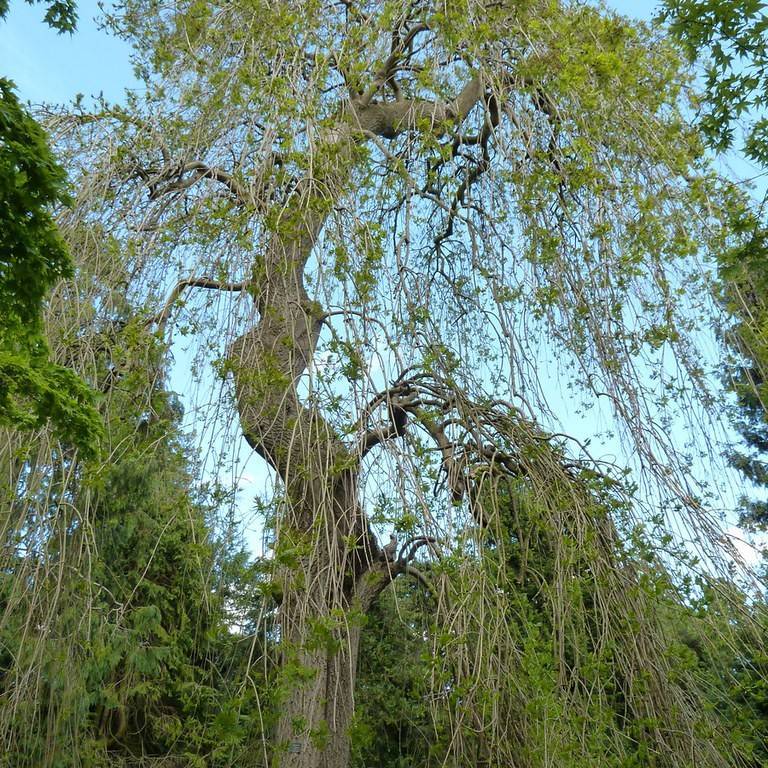
European Ash
Fraxinus excelsior
Overview
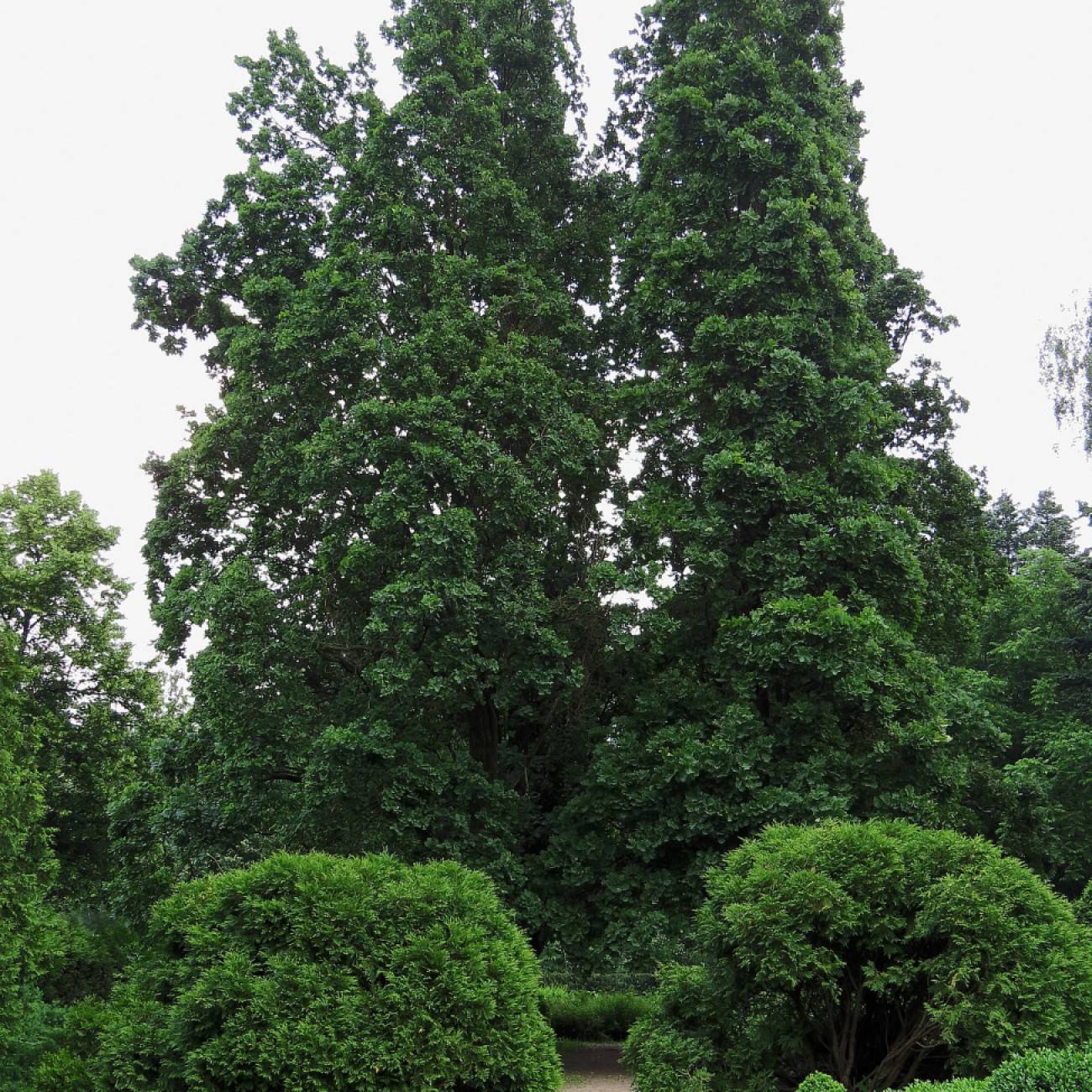
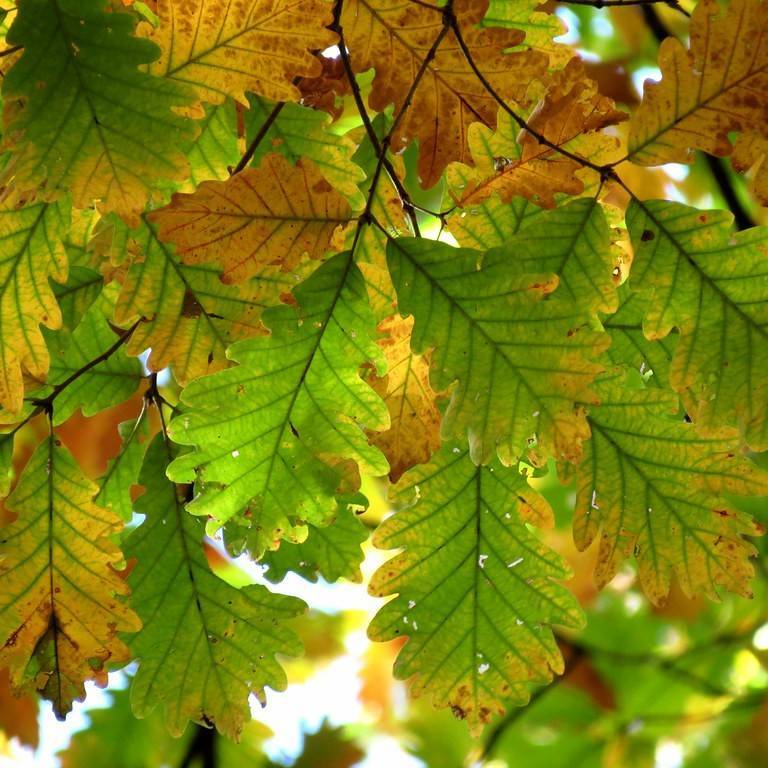
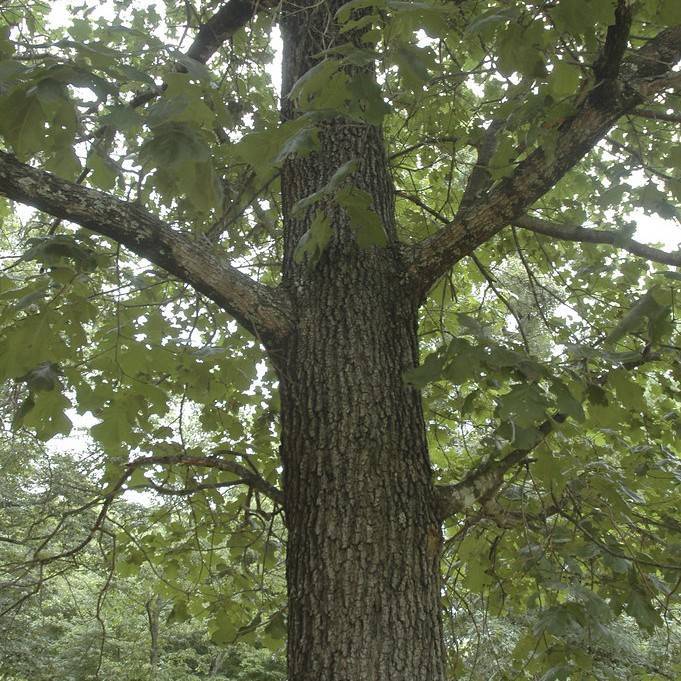
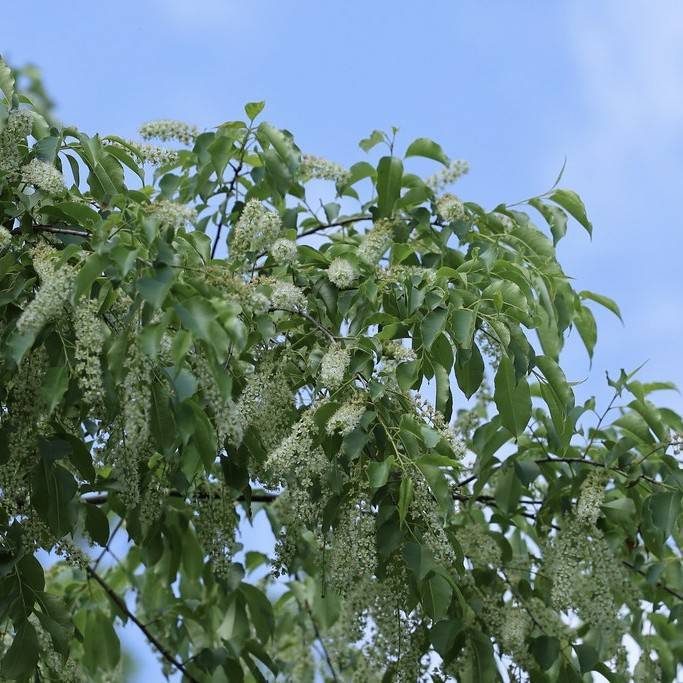
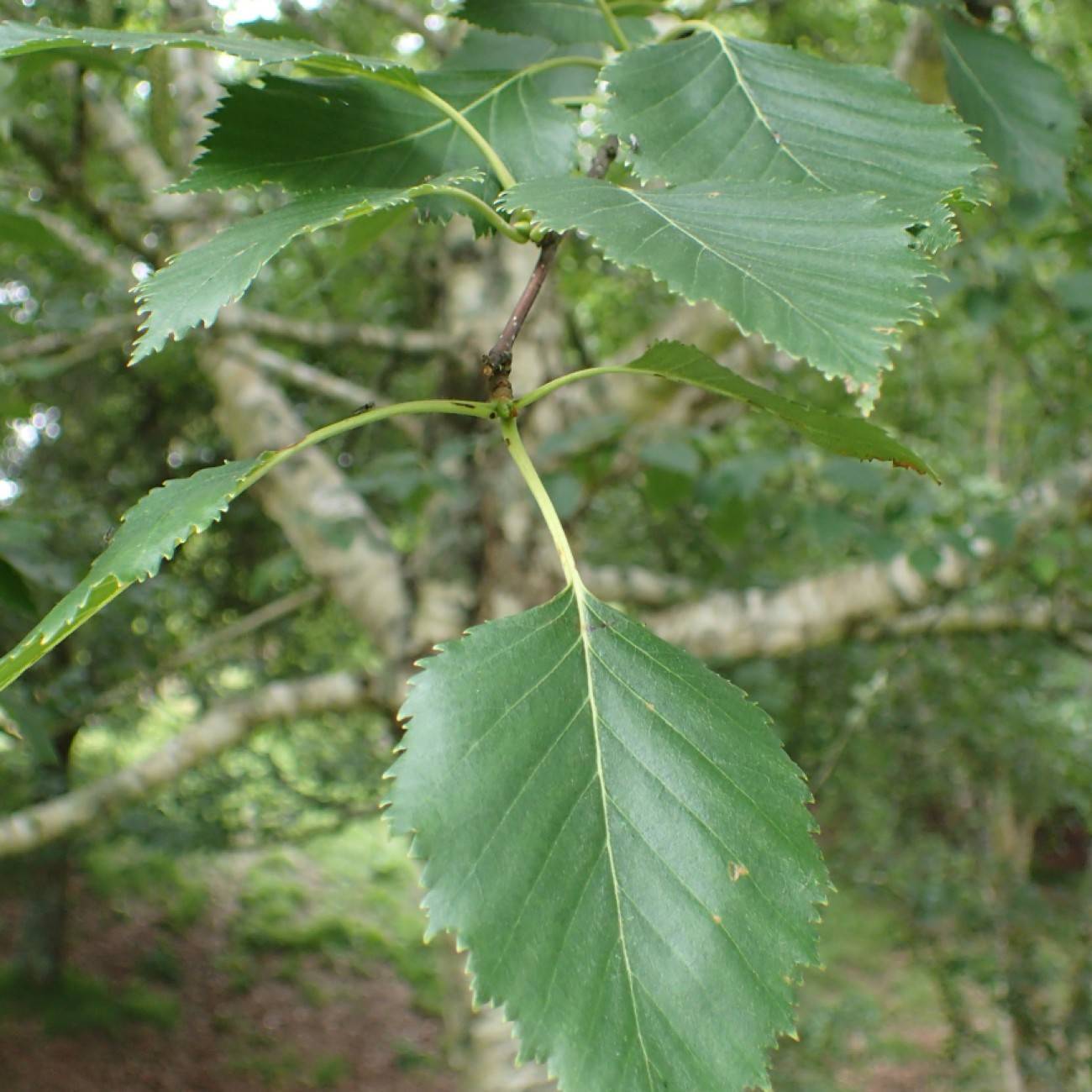
European ash is a fast-growing, long-lived deciduous tree recognizable by its smooth gray bark that develops fissures with age, opposite pinnate leaves with 7-13 serrated leaflets, and clusters of small, purple wind-pollinated flowers that appear in early spring before foliage. It thrives in moist, fertile lowland and upland habitats, often forming mixed woodland stands with oak, beech, and sycamore. The species is ecologically important, supporting hundreds of associated insect, fungi, and lichen species throughout its native range.
Care Guide
Watering
Young European ash trees require regular, deep watering during dry spells to establish a strong root system, typically 1-2 inches of water per week for the first 3-5 years after planting. Mature trees are moderately drought-tolerant, though prolonged dry periods can stress them, making them more vulnerable to pests and disease. Avoid overwatering in poorly drained soils, as this can cause root rot.
Light
European ash grows best in full sun, requiring at least 6 hours of direct, unfiltered sunlight daily to develop a strong, well-formed canopy. It can tolerate partial shade, especially when young, but growth will be slower and the canopy may become sparse with insufficient light. Trees planted in heavily shaded locations are more prone to weak wood and pest infestations.
Soil
This species prefers deep, fertile, moist but well-drained loam soils with a neutral to alkaline pH, though it can adapt to a wide range of soil types including clay and chalk. It does not tolerate waterlogged or highly acidic, peaty soils, which stunt root growth and increase the risk of root disease. Amending poor soils with organic matter prior to planting will support healthier establishment.
Fertilizer
Young ash trees benefit from a balanced, slow-release granular fertilizer applied in early spring before new growth emerges, to support root and foliage development. Mature trees generally do not require regular fertilization if grown in fertile soil, but a low-nitrogen, high-phosphorus fertilizer can be applied every 2-3 years if growth appears stunted or foliage is pale. Avoid over-fertilizing, as excess nitrogen can lead to soft, weak growth that is more susceptible to damage.
Temperature
European ash is hardy in USDA zones 4-7, tolerating winter temperatures as low as -30°F (-34°C) once established. It prefers cool, temperate climates with moderate summer temperatures, and may suffer leaf scorch during extended periods of heat above 90°F (32°C) without sufficient moisture. Young saplings should be protected from harsh, drying winter winds to prevent dieback.
Pruning
Prune European ash during late winter or early spring while the tree is dormant, to minimize the risk of pest and disease transmission through open wounds. Remove dead, damaged, diseased, or crossing branches to improve air circulation through the canopy and maintain a strong branch structure. Avoid heavy pruning, as ash trees are slow to heal from large cuts, and never remove more than 25% of the canopy in a single year.
Propagation
European ash is most commonly propagated from seed, which requires cold stratification for 2-3 months to break dormancy before sowing in moist, well-drained seed compost in spring. Semi-hardwood cuttings taken in late summer can also root successfully if treated with rooting hormone and kept in a humid, sheltered environment under indirect light. Note that seed-grown trees may take 30-40 years to reach maturity and produce flowers and seeds.
Humidity
European ash thrives in average temperate humidity levels between 40-70%, which is typical of its native range. It does not require supplemental humidity when grown outdoors in suitable climates, but young saplings may benefit from occasional misting during periods of extremely low humidity to prevent leaf desiccation. High humidity combined with poor air circulation can increase the risk of foliar fungal diseases.
Repotting
European ash is a large, deep-rooted tree that is not suitable for long-term container growth, though young saplings may be grown in large, deep pots for 1-2 years before planting outdoors. Repot young container-grown saplings annually in early spring before new growth begins, using a well-drained, fertile loam potting mix and a pot at least 2 inches larger in diameter than the previous container. Once the tree reaches 6 feet tall, it should be transplanted to a permanent outdoor location to avoid root binding.
Uses & Symbolism
The strong, flexible, shock-resistant timber of European ash is highly valued for making furniture, tool handles, sports equipment, flooring, and joinery, with a pale, attractive grain that takes finishes well. Historically, it was used for wagon wheels, shipbuilding, and agricultural implements, and its young shoots were sometimes used as fodder for livestock. Ecologically, it is a key species in temperate woodland ecosystems, providing food and habitat for a wide range of wildlife, and it is also planted as a shade and ornamental tree in parks and large landscapes.
Diseases & Pests
European ash is highly susceptible to ash dieback (Hymenoscyphus fraxineus), a devastating fungal disease that causes leaf loss, crown dieback, and eventual tree death, which has killed millions of trees across Europe since its emergence in the 1990s. It is also vulnerable to infestations by the emerald ash borer, an invasive beetle whose larvae tunnel under the bark and disrupt nutrient transport, leading to rapid mortality. Other common issues include anthracnose, powdery mildew, and root rot in poorly drained soils.
Related plants
Other plants you might like if you grow European Ash.