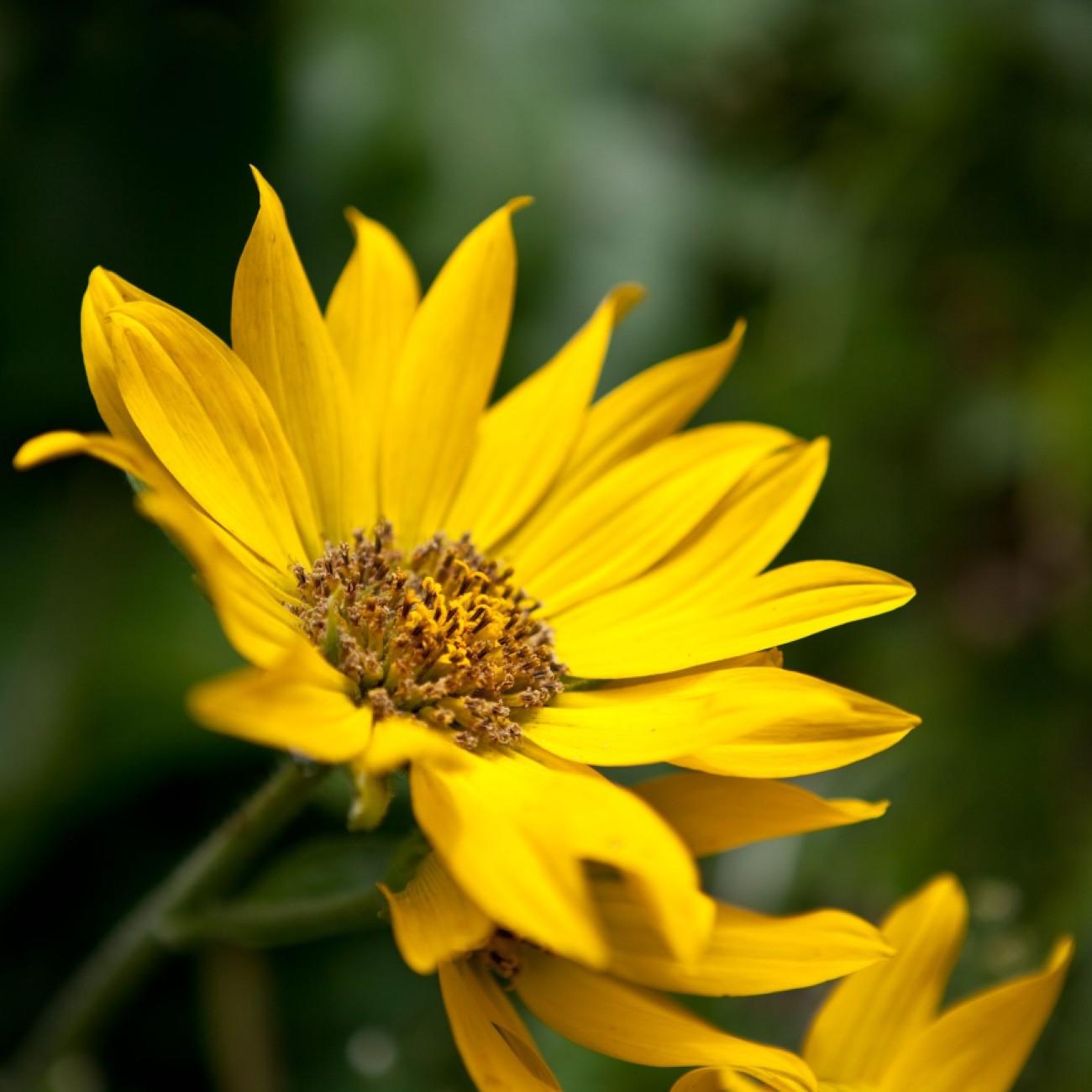
Deltoid Balsamroot
Balsamorhiza deltoidea
Overview
Deltoid Balsamroot is a herbaceous perennial named for its broad, triangular (deltoid) fuzzy green leaves that form a low basal rosette in early spring. It produces upright stalks topped with 2 to 4 inch wide bright yellow sunflower-like flowers from late spring to mid-summer, attracting native bees, butterflies, and pollinators. Adapted to dry prairies, open woodlands, and rocky slopes, it has a deep, woody taproot that allows it to thrive in harsh, low-moisture conditions where many other plants struggle.
Care Guide
Watering
Deltoid Balsamroot is extremely drought-tolerant once established, requiring only occasional deep watering during prolonged summer dry spells; overwatering, especially in heavy soil, will quickly cause root rot. Newly planted specimens need regular, light watering for the first 1 to 2 growing seasons to help their taproot become established, after which supplemental irrigation is rarely needed. In winter, avoid letting the plant sit in saturated, cold soil, as this is the most common cause of premature death in cultivated plants.
Light
This species requires full, direct sun for at least 6 to 8 hours per day to produce abundant blooms and maintain a healthy, compact growth habit. It will not thrive in partial or full shade, where it will become leggy, produce few to no flowers, and be more susceptible to fungal diseases. Plant it in an open, unobstructed location that receives unfiltered sun throughout the growing season for best performance.
Soil
Deltoid Balsamroot prefers well-drained, sandy or gravelly loam soil with a neutral to slightly alkaline pH, though it can adapt to poor, rocky, or low-nutrient soils as long as drainage is excellent. It will not tolerate heavy, compacted clay soils that hold moisture for extended periods, as this will rot its deep taproot. Amend heavy garden soil with coarse sand or gravel at planting time to improve drainage and mimic its native rocky habitat.
Fertilizer
This native plant is adapted to low-nutrient soils and rarely requires fertilization, as excess nitrogen will encourage lush, weak foliage growth at the expense of flowers and root development. If grown in extremely poor, nutrient-depleted soil, a single light application of low-nitrogen, slow-release fertilizer in early spring is sufficient to support healthy growth. Avoid using high-nitrogen liquid fertilizers, as these can damage the plant’s sensitive root system and reduce its drought tolerance.
Temperature
Deltoid Balsamroot is highly cold-hardy, tolerating winter temperatures as low as -30°F (-34°C) in USDA hardiness zones 4 through 9. It thrives in warm, dry summer conditions, tolerating temperatures above 100°F (38°C) as long as it is planted in well-drained soil and receives adequate sun. It is not suited to humid, tropical climates, where prolonged moisture and high heat will lead to fungal disease and root rot.
Pruning
Pruning requirements are minimal for Deltoid Balsamroot; spent flower stalks can be cut back to the basal rosette after blooming to improve the plant’s appearance and prevent unwanted self-seeding if desired. In late fall or early winter, after the foliage has died back completely, cut the entire plant back to ground level to make space for new spring growth and reduce overwintering sites for pests and fungal spores. Avoid pruning green, actively growing foliage during the growing season, as this will reduce the plant’s ability to photosynthesize and store energy in its taproot.
Propagation
Deltoid Balsamroot is most reliably propagated from seed, which requires a 30 to 90 day period of cold stratification to break dormancy before sowing in late fall or early spring. Sow seeds directly in their permanent location, as the plant’s long, fragile taproot makes transplanting of established specimens very difficult and often unsuccessful. Root cuttings can be taken from very young plants in late winter before new growth emerges, but this method has a lower success rate than seed propagation and can damage mature plants.
Humidity
This species prefers low to moderate humidity levels, typical of its native arid and semi-arid western North American habitats, and tolerates very dry air well. High humidity, especially combined with warm temperatures and wet soil, increases the risk of powdery mildew and other fungal foliage diseases. In areas with high summer humidity, ensure plants are spaced far enough apart to allow for good air circulation around the foliage to reduce disease risk.
Repotting
Deltoid Balsamroot is rarely grown in containers, as its deep taproot requires very large, deep pots and will quickly become root-bound, leading to stunted growth and reduced flowering. If grown in a container, repot only when absolutely necessary, in late winter before new growth emerges, taking extreme care not to damage the fragile taproot during the process. For best long-term results, plant Deltoid Balsamroot directly in the ground in a permanent location where it can grow undisturbed for many years.
Uses & Symbolism
Deltoid Balsamroot is a popular choice for native plant gardens, xeriscapes, pollinator gardens, and roadside restoration projects, as it provides a bright burst of spring color and supports a wide range of native pollinators. Historically, Indigenous peoples of the Pacific Northwest used the starchy taproot as a cooked food source, the young leaves as a potherb, and the resin from the root as a traditional medicine for treating minor wounds and respiratory ailments. It is also valued as a low-maintenance, erosion-control plant for sloped, dry sites where other plants struggle to become established.
Diseases & Pests
Deltoid Balsamroot is relatively pest and disease resistant when grown in its preferred conditions, but overwatering or poorly drained soil can lead to fatal root rot caused by various soil-borne fungal pathogens. In humid, poorly ventilated conditions, powdery mildew may develop on the foliage, causing white, powdery spots that can reduce photosynthesis and weaken the plant if left untreated. Aphids and leafhoppers may occasionally feed on young foliage and flower stalks, but these pests rarely cause significant damage and can be controlled with a strong spray of water or insecticidal soap if populations become large.
Related plants
Other plants you might like if you grow Deltoid Balsamroot.
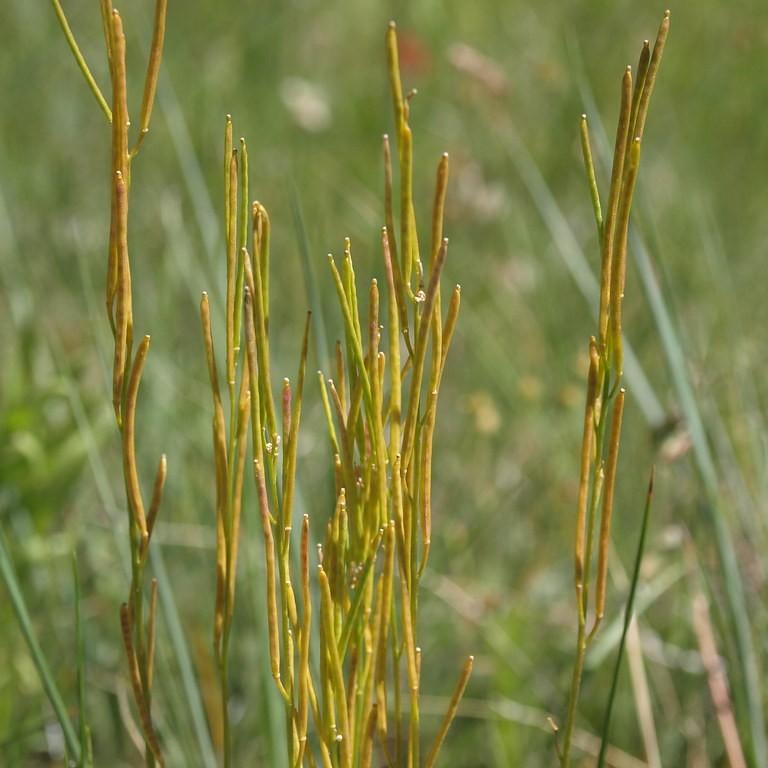
Eschscholtz's Rockcress
Boechera eschscholtziana
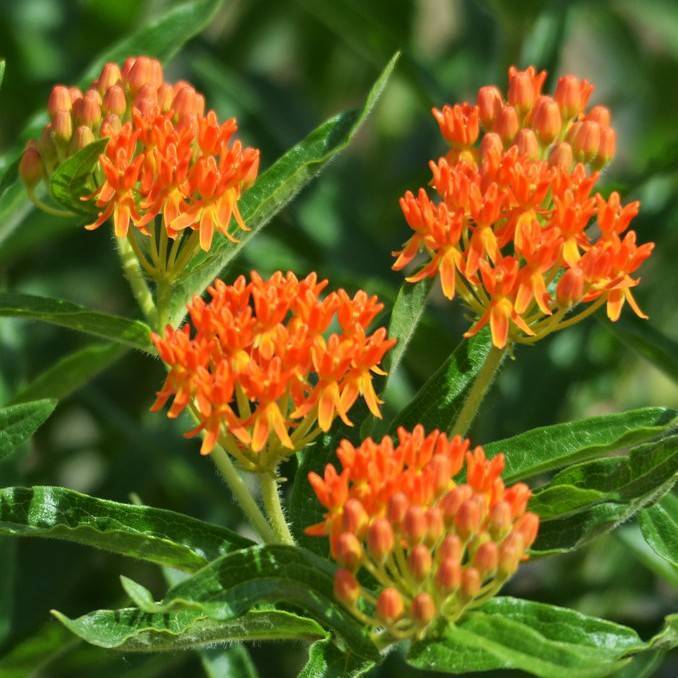
Butterfly Milkweed
Asclepias tuberosa
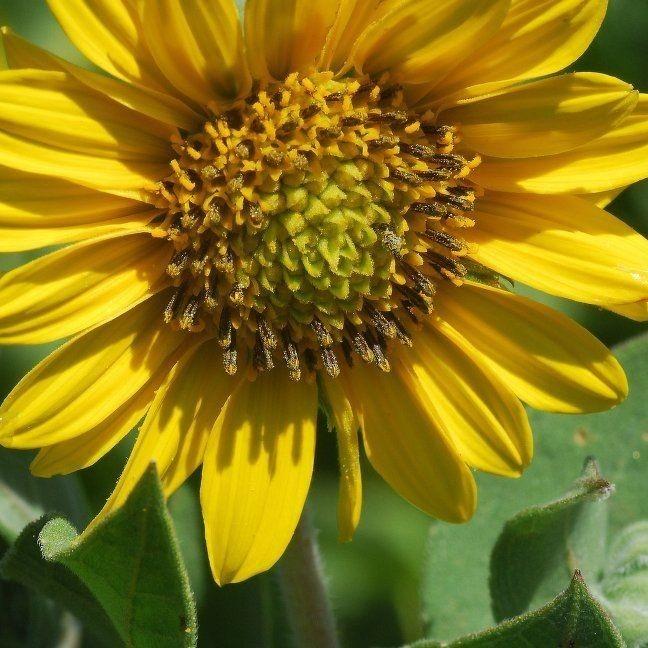
Ashy Sunflower
Helianthus mollis
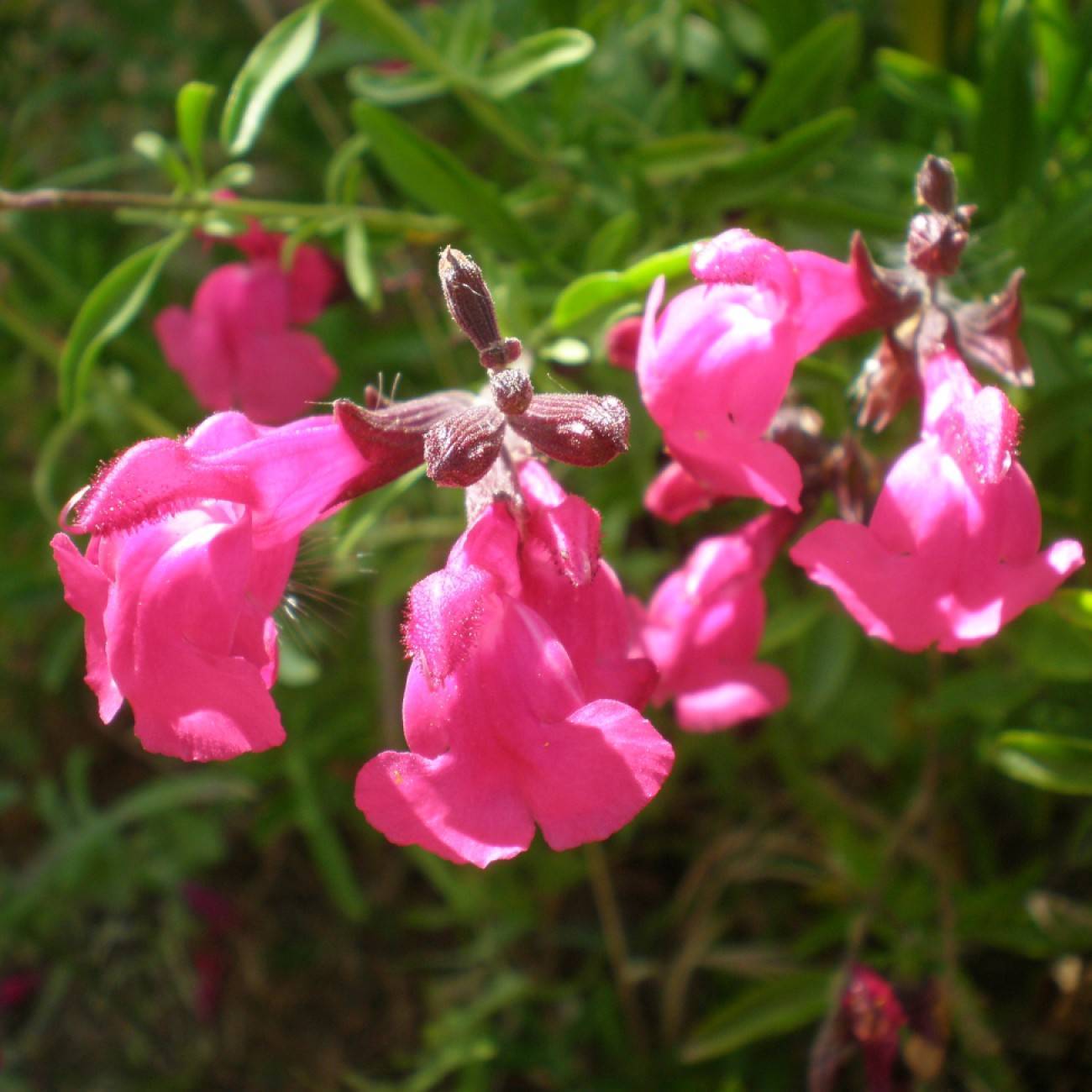
Autumn Sage
Salvia greggii
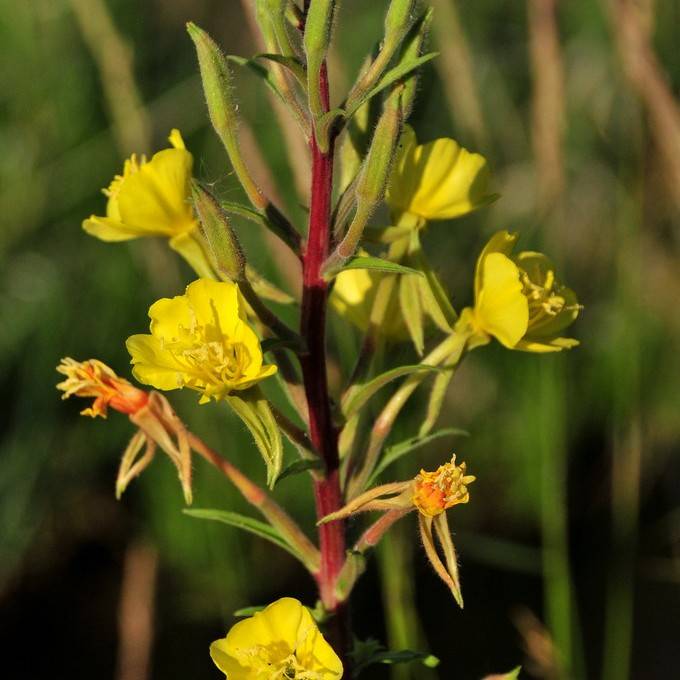
Dwarf Evening Primrose
Oenothera macrocarpa subsp. incana
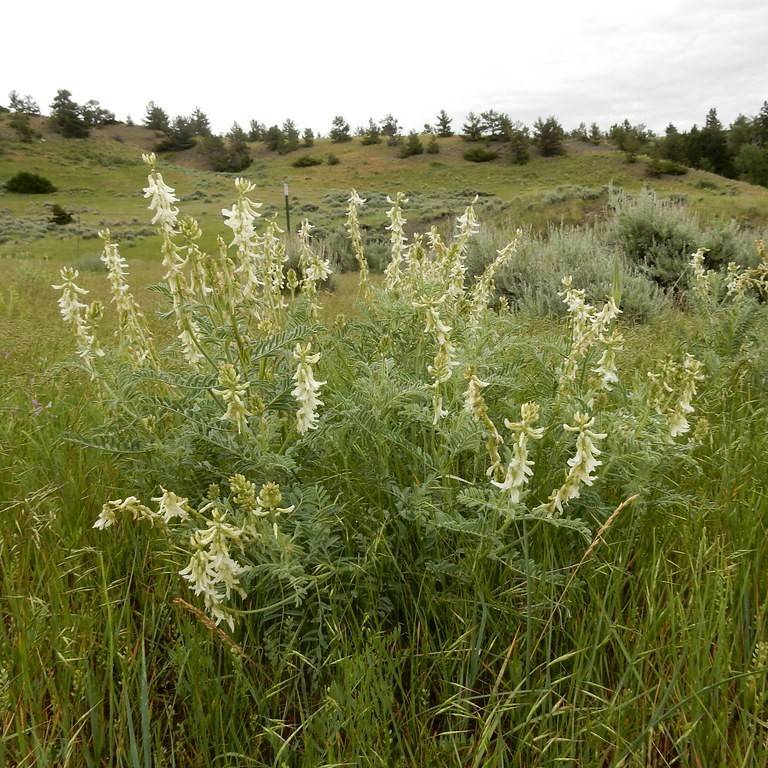
Drummond's Milk Vetch
Astragalus drummondii
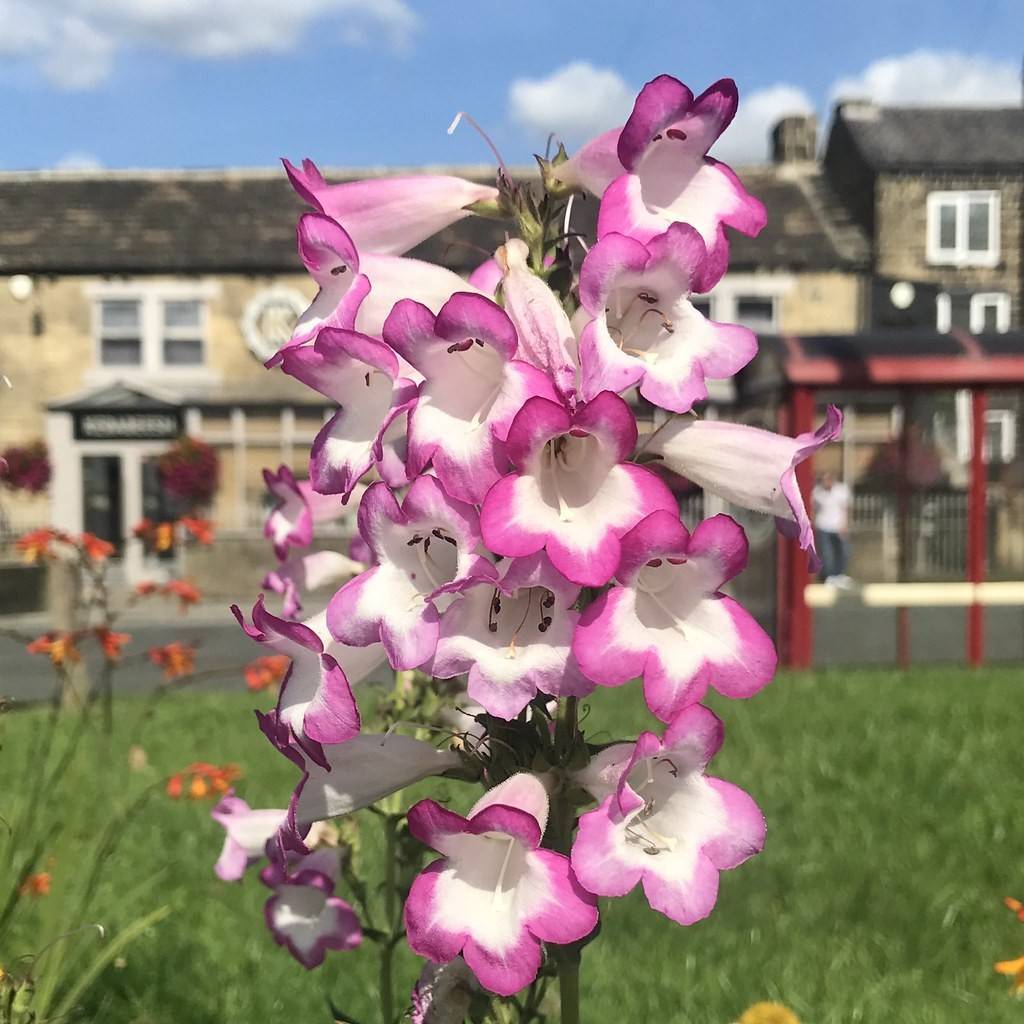
Bellflower Beardtongue
Penstemon campanulatus
%22%2F%3E%0A%20%20%20%20%20%20%3Ccircle%20cx%3D%22920%22%20cy%3D%22180%22%20r%3D%2290%22%20fill%3D%22%23cfe8d5%22%2F%3E%0A%20%20%20%20%20%20%3Cpath%20d%3D%22M600%20590c-90-180-215-255-310-280%200%20165%20118%20296%20270%20296h40z%22%20fill%3D%22%2379b88e%22%2F%3E%0A%20%20%20%20%20%20%3Cpath%20d%3D%22M600%20590c80-150%20198-212%20302-228-8%20142-123%20255-270%20255h-32z%22%20fill%3D%22%235c9f73%22%2F%3E%0A%20%20%20%20%20%20%3Cpath%20d%3D%22M600%20610V360%22%20stroke%3D%22%234f8c64%22%20stroke-width%3D%2218%22%20stroke-linecap%3D%22round%22%2F%3E%0A%20%20%20%20%20%20%3Ctext%20x%3D%22600%22%20y%3D%22700%22%20text-anchor%3D%22middle%22%20font-family%3D%22Arial%2C%20sans-serif%22%20font-size%3D%2244%22%20fill%3D%22%23365c45%22%3E%0A%20%20%20%20%20%20%20%20Plant%20image%20coming%20soon%0A%20%20%20%20%20%20%3C%2Ftext%3E%0A%20%20%20%20%3C%2Fsvg%3E%0A%20%20)
Bent Flowered Milk Vetch
Astragalus flexuosus