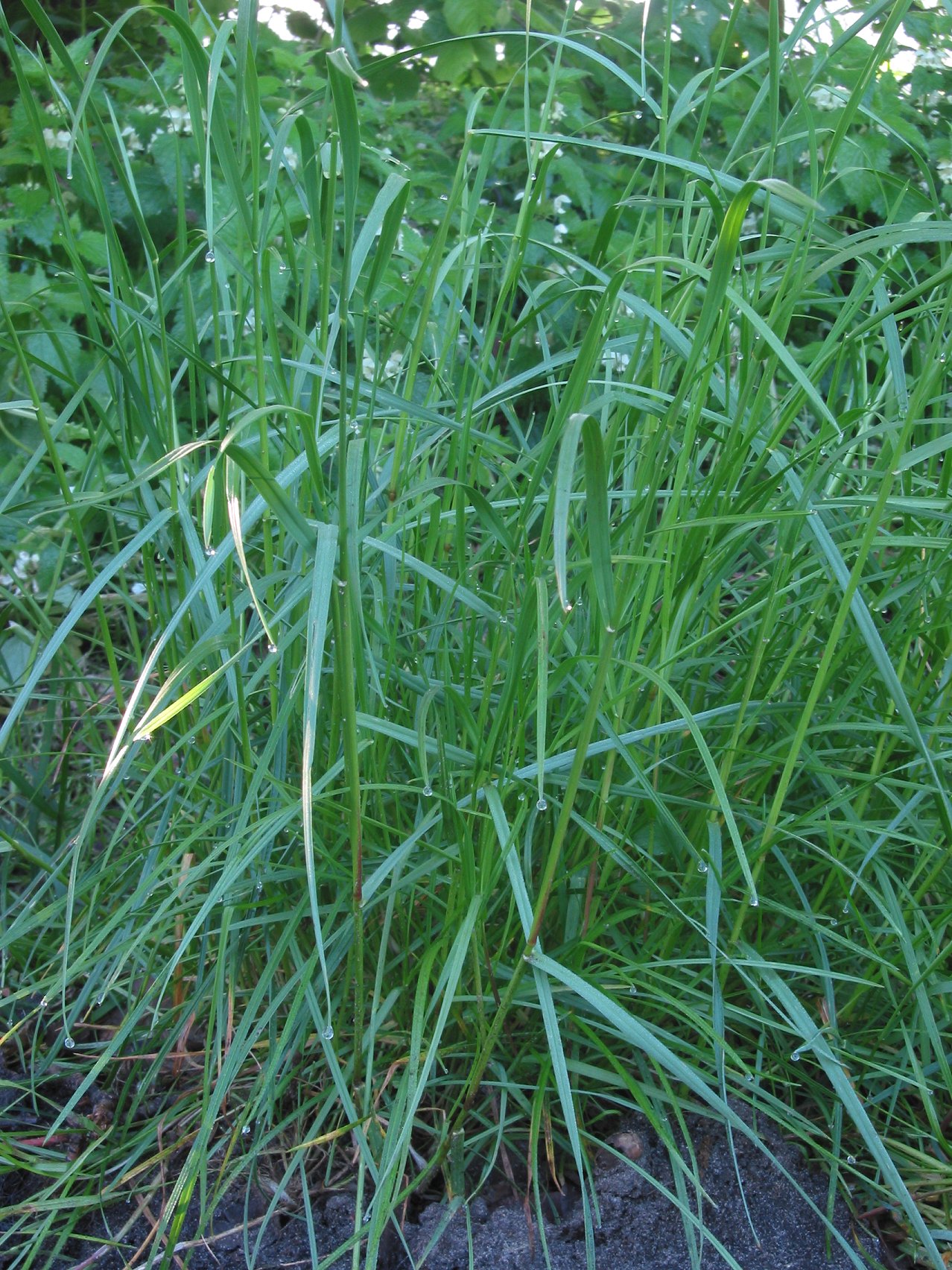
English Ryegrass
Lolium perenne
Overview
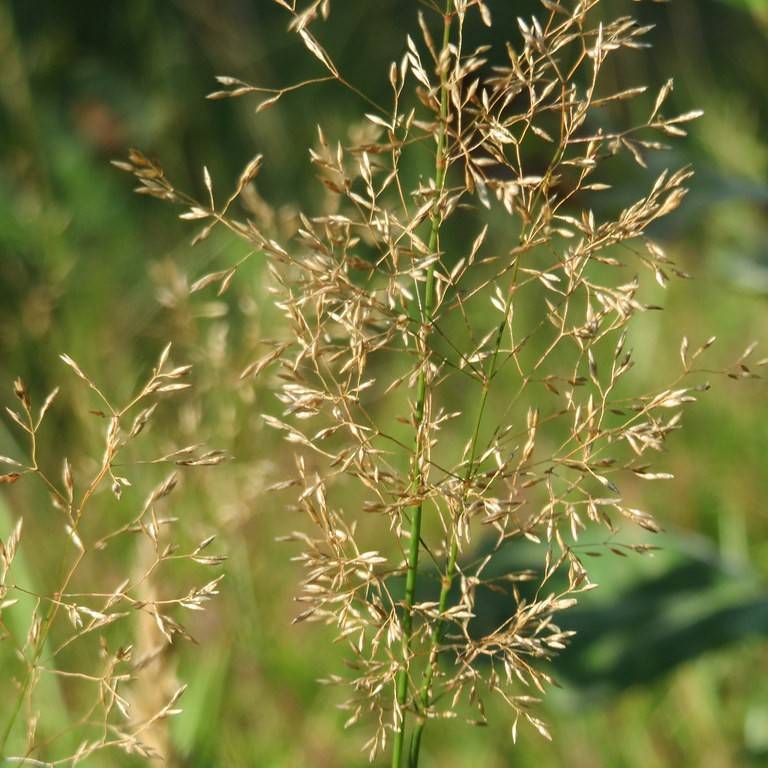
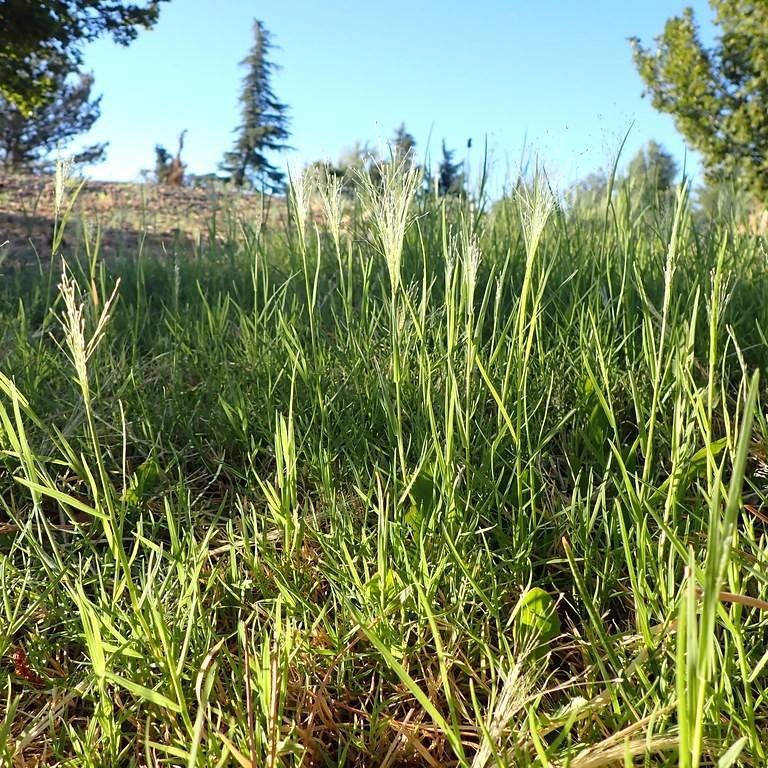
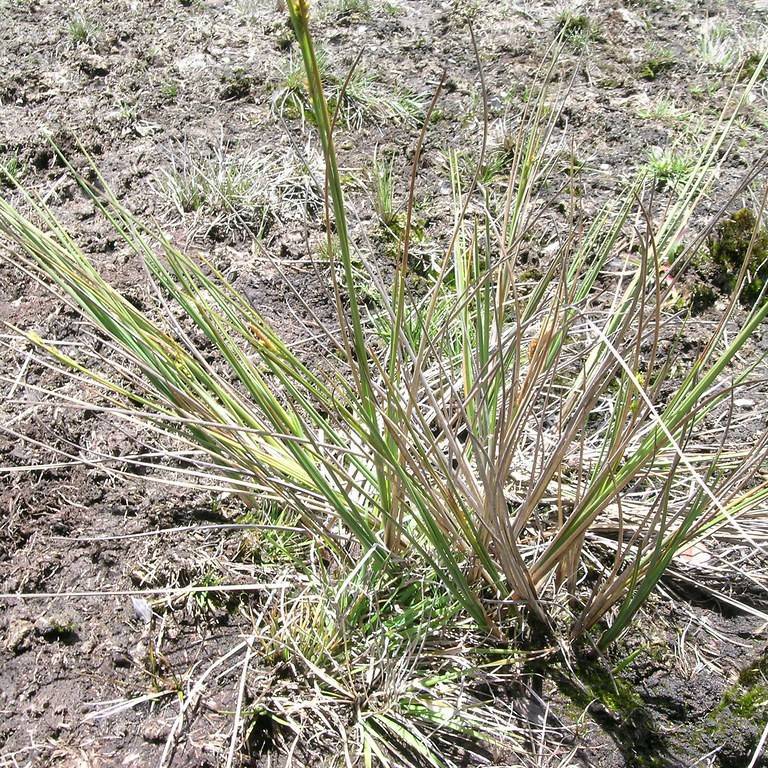
English ryegrass is a cool-season bunchgrass recognized for its fine, glossy green blades and rapid establishment rate. It thrives in temperate climates, forming dense, hard-wearing stands that tolerate frequent mowing and heavy foot traffic. While often grown as a standalone turf or forage crop, it is also commonly blended with other grass species to improve the durability of lawns and sports fields. Its shallow, fibrous root system makes it effective for stabilizing disturbed soil and preventing erosion on construction sites or sloped land.
Care Guide
Watering
English ryegrass prefers consistent moisture, requiring approximately 1 to 1.5 inches of water per week during active growth in spring and fall. Avoid overwatering, as soggy soil can lead to root rot and increase susceptibility to fungal diseases; allow the top 1 to 2 inches of soil to dry out between waterings in warmer summer months when growth slows. Drought-stressed plants will turn yellow and go dormant, but will typically recover once regular watering resumes.
Light
This grass thrives in full sun, requiring a minimum of 6 hours of direct sunlight daily to maintain dense, vibrant growth. It can tolerate light partial shade, though stands will become sparser and less vigorous in areas with less than 4 hours of sun per day. Avoid planting it in heavily shaded locations under dense tree canopies, as it will struggle to compete for light and nutrients.
Soil
English ryegrass adapts to a wide range of soil types, but performs best in well-drained, fertile loam with a pH between 6.0 and 7.0. It can tolerate slightly acidic or alkaline conditions, but extreme pH levels will inhibit nutrient uptake and slow growth. Heavy clay soils should be amended with compost or sand to improve drainage, as waterlogged conditions will stunt root development.
Fertilizer
Apply a balanced, slow-release nitrogen fertilizer at a rate of 1 to 2 pounds of nitrogen per 1,000 square feet in early spring and again in early fall to support active growth. Avoid heavy nitrogen applications in mid-summer, as this can stress the grass during warm weather and increase disease risk. For pasture or forage plantings, supplement with phosphorus and potassium based on soil test results to support healthy root growth and regrowth after grazing.
Temperature
English ryegrass grows optimally in temperatures between 60°F and 75°F (15°C to 24°C), with active growth occurring in spring and fall in temperate regions. It can tolerate light frosts, but prolonged temperatures below 20°F (-7°C) will cause winter kill in areas without snow cover. Temperatures above 90°F (32°C) will slow growth and may cause dormancy, especially if combined with drought conditions.
Pruning
For turf use, mow English ryegrass to a height of 1.5 to 2.5 inches, adjusting the mower height to avoid cutting more than one-third of the blade length at a time to prevent stress. For pasture or hay production, graze or cut plants when they reach 6 to 8 inches in height, leaving a 2 to 3 inch stubble to support rapid regrowth. Remove any dead or brown foliage in early spring to improve air circulation and reduce disease risk.
Propagation
English ryegrass is most commonly propagated from seed, which germinates in as little as 5 to 10 days under optimal temperature and moisture conditions. Sow seed in early spring or early fall at a rate of 2 to 3 pounds per 1,000 square feet for turf, or 20 to 30 pounds per acre for pasture use, lightly raking seed into the top 1/4 inch of soil to ensure good seed-to-soil contact. It can also be propagated vegetatively by dividing established clumps in early spring, though seeding is far more efficient for large plantings.
Humidity
English ryegrass tolerates a wide range of humidity levels, but high humidity combined with warm temperatures increases the risk of fungal diseases such as gray leaf spot and rust. Ensure good air circulation around plants by avoiding overcrowding and mowing regularly to reduce moisture retention on leaf blades. In very dry, low-humidity environments, increase watering frequency to prevent leaf tip browning and dormancy.
Repotting
English ryegrass is rarely grown in containers, but if cultivated in pots for turf or ornamental use, repot every 1 to 2 years in early spring to refresh the soil and prevent root binding. Choose a pot with ample drainage holes, and use a well-drained, loamy potting mix amended with compost to provide nutrients. Trim back overgrown roots by one-third before repotting, and water thoroughly after transplanting to reduce stress.
Uses & Symbolism
English ryegrass is one of the most widely used forage grasses for livestock, providing high-quality, palatable feed for cattle, sheep, and horses for grazing, hay, or silage. Its rapid germination and dense growth make it a popular choice for sports fields, residential lawns, and erosion control on disturbed sites such as construction areas and road embankments. It is also frequently used as a cover crop in agricultural systems to suppress weeds, improve soil structure, and prevent nutrient leaching during fallow periods.
Diseases & Pests
Common fungal diseases affecting English ryegrass include gray leaf spot, rust, and powdery mildew, which thrive in warm, humid conditions and cause leaf discoloration, stunted growth, and thinning stands. Pests such as chinch bugs, armyworms, and sod webworms feed on leaf blades, causing brown patches and significant damage to turf and pasture stands if left untreated. Root rot can occur in waterlogged soils, leading to yellowing foliage and plant death, especially in areas with poor drainage.
Related plants
Other plants you might like if you grow English Ryegrass.