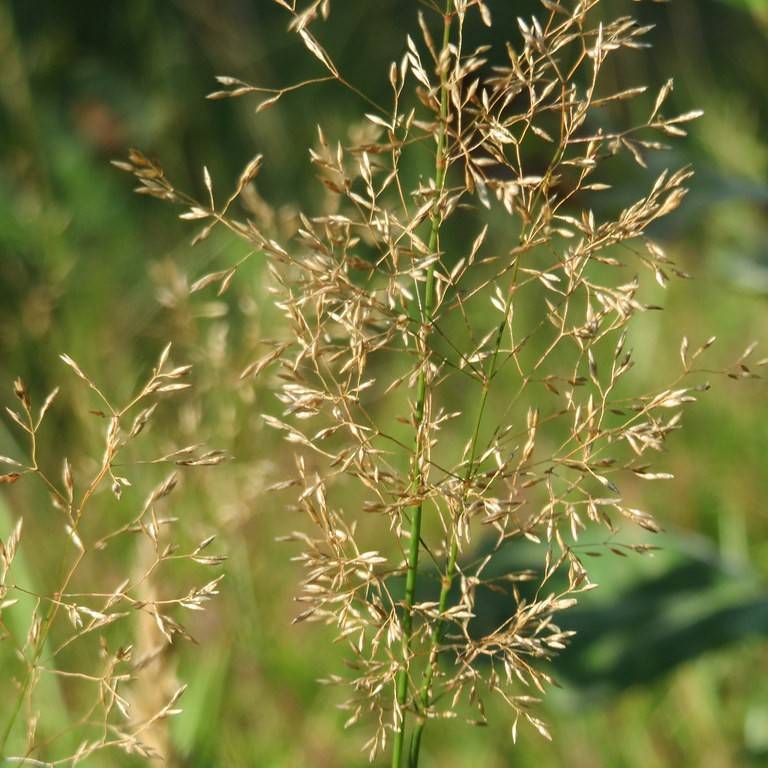
Colonial Bentgrass
Agrostis capillaris
Overview
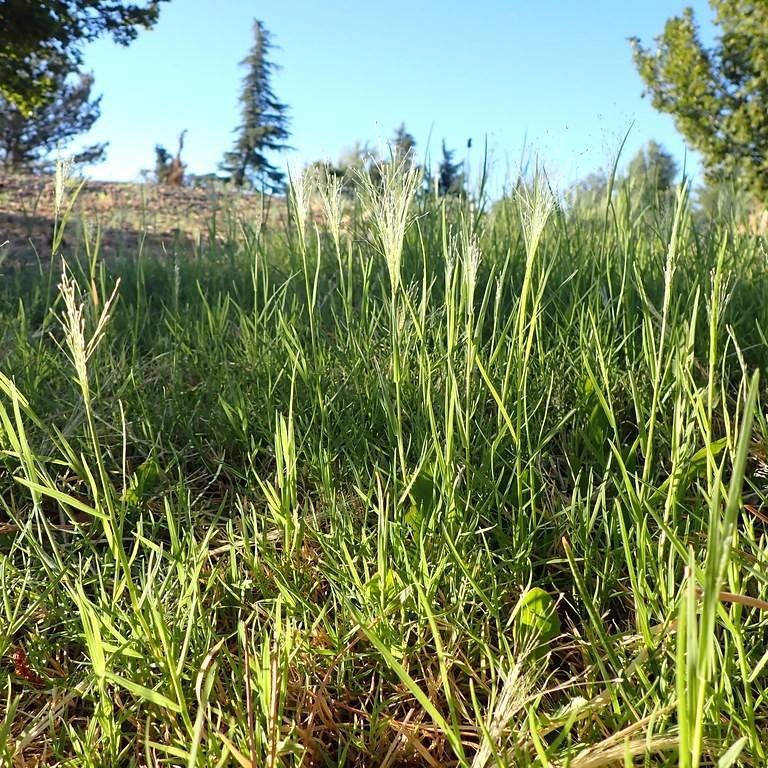
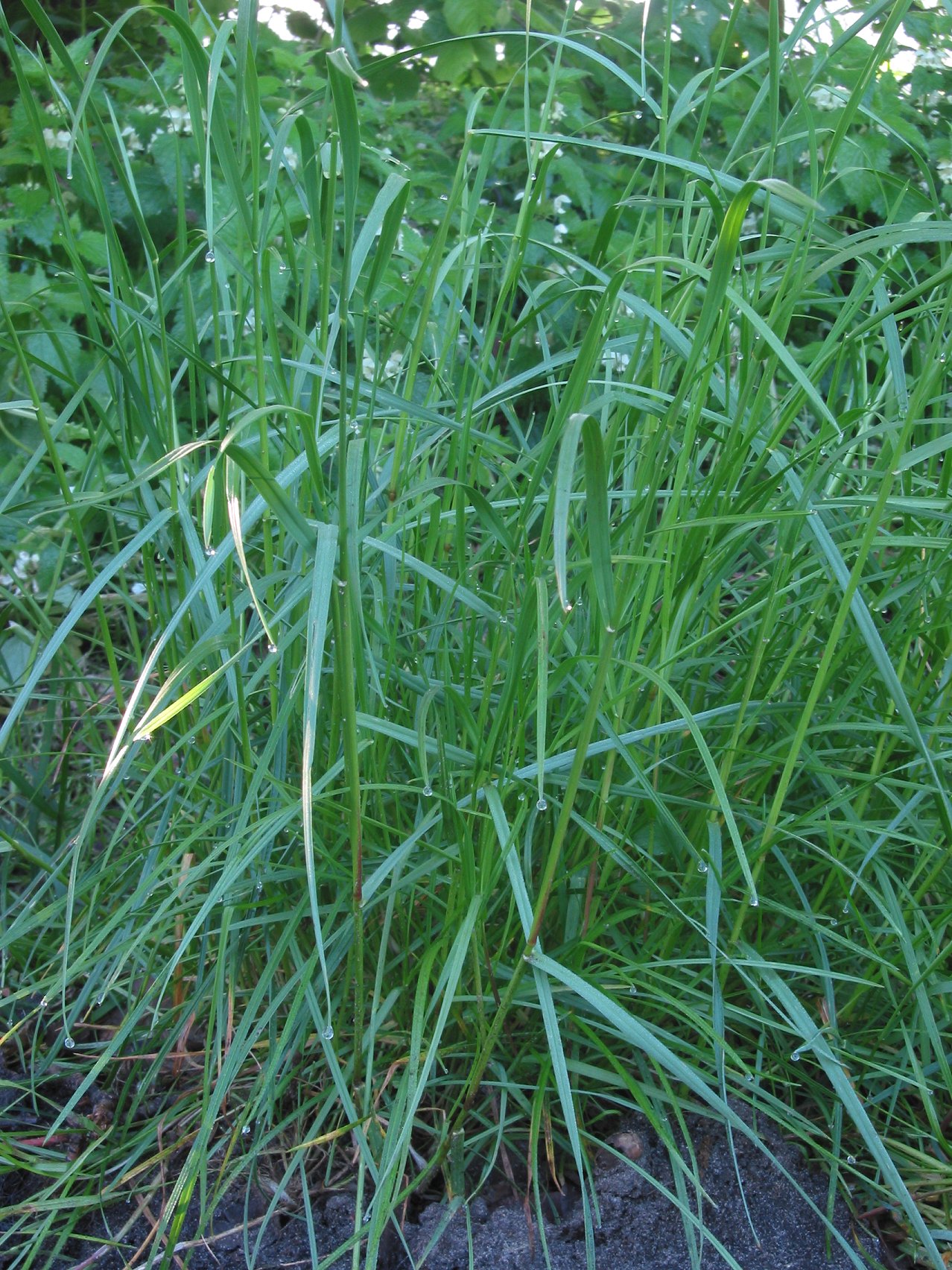
Colonial bentgrass, also called common bent or browntop, is a cool-season grass prized for its dense, uniform, fine-bladed turf. It spreads slowly via short rhizomes and stolons, forming a tight, even mat that tolerates close mowing as low as 0.5 inches. Introduced to North America as a turfgrass, it has naturalized in many temperate regions, often found in meadows, grasslands, and disturbed sites.
Care Guide
Watering
Colonial bentgrass requires consistent moisture to thrive, with 1 to 1.5 inches of water per week during active growth; avoid overwatering in poorly drained soils to prevent root rot. Allow the top 1 to 2 inches of soil to dry slightly between waterings to encourage deep root growth, and water deeply in the early morning to reduce fungal disease risk. During hot, dry summer periods, supplemental watering may be needed to prevent browning and dormancy.
Light
This grass grows best in full sun, receiving at least 6 hours of direct sunlight daily for dense, vigorous growth. It tolerates light partial shade, but growth will become sparser and less uniform in heavily shaded locations. Excessive shade can also increase susceptibility to fungal diseases and weed encroachment.
Soil
Colonial bentgrass prefers well-drained, fertile sandy or loamy soils with a slightly acidic to neutral pH between 5.5 and 7.0. It adapts to poorer, less fertile soils better than many other turfgrasses, but will exhibit slower growth and thinner coverage in low-nutrient conditions. Avoid heavy, waterlogged clay soils, as standing water can quickly cause root rot and plant decline.
Fertilizer
Apply a balanced, slow-release nitrogen fertilizer at a rate of 1 to 3 pounds of nitrogen per 1,000 square feet annually, split into applications in early spring and late fall during active cool-season growth. Avoid over-fertilizing in summer, as this can stress the grass and increase susceptibility to heat damage and disease. In low-maintenance settings, minimal fertilization may be sufficient if the soil is naturally moderately fertile.
Temperature
Colonial bentgrass thrives in cool temperate climates, with optimal growth temperatures between 60°F and 75°F (15°C to 24°C). It tolerates cold winters well, remaining green in mild winter regions and going dormant in areas with sustained freezing temperatures. It is less heat-tolerant than many warm-season grasses, and may go dormant or suffer dieback during prolonged periods above 90°F (32°C) without adequate moisture.
Pruning
Mow colonial bentgrass regularly during active growth to a height of 0.5 to 2 inches, depending on use; golf course greens may be mown as low as 0.125 inches, while lawns are typically kept at 1 to 2 inches. Never remove more than one-third of the grass blade height in a single mowing to avoid stressing the plants. Dethatch every 2 to 3 years in spring if thatch buildup exceeds 0.5 inches, to improve air and water penetration to the root zone.
Propagation
Colonial bentgrass is most commonly propagated from seed, sown in early spring or early fall when soil temperatures are between 50°F and 65°F (10°C to 18°C) for optimal germination. It can also be propagated vegetatively via sod plugs or sprigs, though seed propagation is far more cost-effective for large areas. Keep seeded areas consistently moist until germination, which typically occurs within 7 to 14 days under ideal conditions.
Humidity
Colonial bentgrass tolerates moderate to high humidity, but prolonged periods of high humidity combined with warm temperatures increase the risk of fungal diseases such as dollar spot and brown patch. Ensure good air circulation over the turf by avoiding dense overhanging vegetation where possible, to reduce moisture retention on grass blades. It does not perform well in arid, low-humidity climates without consistent supplemental watering.
Repotting
Colonial bentgrass is rarely grown in containers, but if cultivated in pots for ornamental or trial use, repot every 1 to 2 years in spring to refresh the soil and prevent root binding. Use a well-drained, loamy potting mix with a slightly acidic pH, and ensure the container has adequate drainage holes to prevent waterlogging. Trim back overgrown roots and top growth by one-third at repotting time to encourage healthy new growth.
Uses & Symbolism
Colonial bentgrass is one of the most popular grasses for golf course putting greens, tees, and fairways in cool temperate regions due to its ability to tolerate extremely close mowing and produce a smooth, uniform playing surface. It is also used for high-quality residential and commercial lawns, athletic fields, and erosion control on slopes and disturbed sites. In its native range, it is a valuable forage grass for grazing livestock, and it provides habitat and food for a variety of grassland bird and insect species.
Diseases & Pests
Colonial bentgrass is susceptible to a range of fungal diseases, including dollar spot, brown patch, snow mold, and anthracnose, which are most prevalent in warm, humid conditions with poor air circulation and excess moisture. Common pests include billbugs, sod webworms, and white grubs, which feed on the roots and blades, causing brown, irregular patches of dead grass. Proper cultural practices including avoiding overwatering, mowing at the correct height, and appropriate fertilization significantly reduce the risk of pest and disease issues.
Related plants
Other plants you might like if you grow Colonial Bentgrass.