Enchanter's Nightshade
Circaea lutetiana
Overview
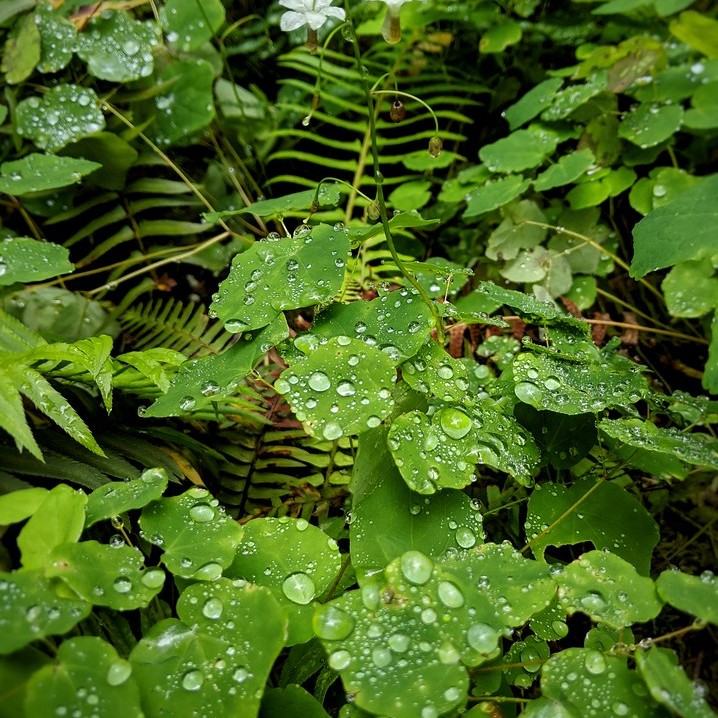
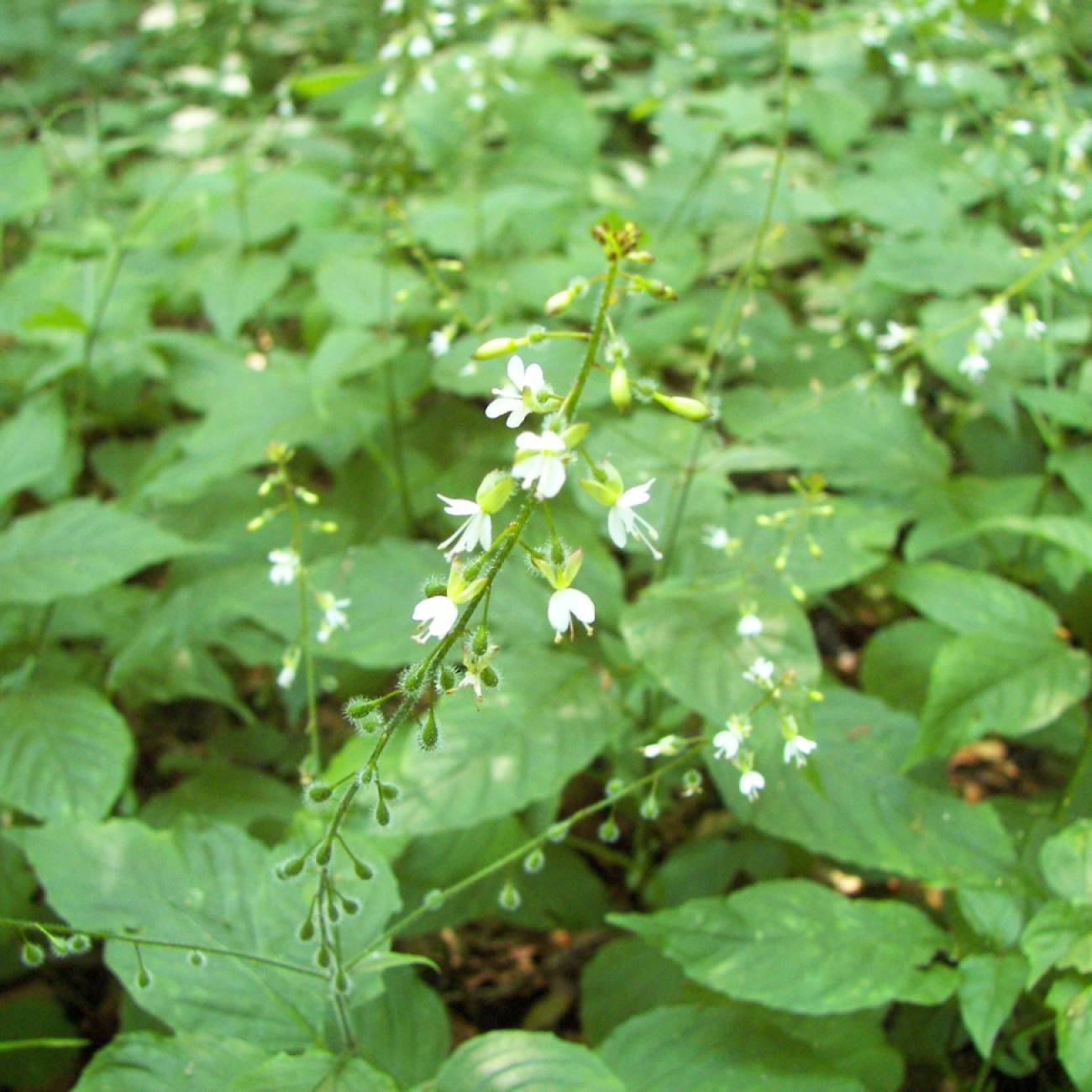
Enchanter's nightshade is a subtle, herbaceous perennial named for the enchantress Circe of Greek mythology, referencing its historical association with magical lore despite being unrelated to toxic nightshades in the Solanaceae family. It produces tiny, two-petaled white flowers on slender, upright stalks from mid to late summer, followed by small, burr-like seed pods that cling to animal fur and clothing to aid dispersal. It spreads slowly via creeping rhizomes to form low, dense mats of foliage, making it a unobtrusive ground cover for shaded garden areas.
Care Guide
Watering
Enchanter's nightshade prefers consistently moist, well-drained soil and should be watered regularly to prevent the root zone from drying out completely, especially during periods of summer drought. Avoid overwatering or waterlogged conditions, which can lead to root rot, as the plant thrives in damp but not saturated substrate. In its native woodland habitat, it receives consistent moisture from decaying leaf litter, so mimicking this environment will support healthy growth.
Light
This species thrives in partial to full shade, making it ideal for planting under tree canopies or in north-facing garden spots that receive minimal direct sunlight. It can tolerate very small amounts of dappled morning sun, but prolonged exposure to direct midday or afternoon sun will scorch its soft foliage and stunt growth. Low, filtered light levels that replicate its natural woodland understory environment are optimal.
Soil
Enchanter's nightshade grows best in rich, loamy, humus-heavy soil with a slightly acidic to neutral pH, ideally amended with plenty of compost or well-rotted leaf mold to boost organic content. It tolerates a range of soil textures as long as drainage is adequate, but will struggle in heavy, compacted clay soils that hold excess water. A thick layer of organic mulch applied annually will help retain moisture, regulate soil temperature, and replenish nutrients as it decomposes.
Fertilizer
This low-maintenance plant rarely requires supplemental fertilization when grown in nutrient-rich, humus-heavy soil that receives annual top-ups of organic mulch. If planted in poor, low-nutrient soil, a single application of balanced, slow-release organic fertilizer in early spring will support healthy foliage and flower production. Avoid over-fertilizing, as this can lead to overly lush, leggy growth that is more susceptible to pest damage.
Temperature
Enchanter's nightshade is adapted to temperate climates and is hardy in USDA zones 4 through 8, tolerating winter temperatures as low as -30°F (-34°C) when dormant. It prefers cool summer temperatures between 60-75°F (15-24°C) and will struggle in prolonged hot, humid conditions above 85°F (29°C), especially if not kept consistently moist and shaded. In areas with very warm summers, planting it in deep shade will help it survive periods of high heat.
Pruning
Pruning requirements are minimal for enchanter's nightshade; spent flower stalks can be trimmed back after blooming if you wish to prevent self-seeding and spread in the garden. If the foliage becomes tattered or damaged by pests or heat late in the season, you can cut the entire plant back to ground level, and it will regrow fresh foliage the following spring. No regular pruning is necessary to maintain its health or form, as it grows in a naturally neat, low mat.
Propagation
The easiest method of propagation is division of established clumps in early spring, just as new growth emerges, or in early fall after flowering has finished. Simply dig up a section of the rhizomatous root system, separate it into smaller sections with at least one growing point each, and replant in prepared, humus-rich soil at the same depth it was previously growing. It can also be grown from seed sown directly outdoors in fall, as the seeds require a period of cold stratification to germinate successfully the following spring.
Humidity
Enchanter's nightshade prefers moderate to high humidity levels between 50-70%, which are naturally present in its native woodland habitat. It tolerates average household humidity if grown as a houseplant, but will benefit from occasional misting or placement near a humidifier if indoor air is excessively dry, especially during winter heating months. Avoid placing it near drafts, heat vents, or air conditioning units, which can dry out the foliage and cause leaf browning.
Repotting
If grown in containers, enchanter's nightshade only needs repotting every 2-3 years, when it has outgrown its current pot and roots are visible emerging from the drainage holes. Repot in early spring using a rich, peat-free potting mix amended with leaf mold or compost to boost organic content, and choose a pot only one size larger than the previous one to avoid excess soil moisture retention. After repotting, water thoroughly and keep the plant in shaded conditions for a week to allow it to acclimate to its new container.
Uses & Symbolism
Enchanter's nightshade is primarily used as a low-growing ground cover for shaded, woodland-style gardens, native plant landscapes, and rain gardens, where it provides subtle green foliage and delicate summer flowers without becoming aggressively invasive. Historically, it was used in traditional herbal medicine to treat minor wounds, skin irritations, and digestive complaints, though these uses are not widely supported by modern medical research. It also provides a minor food source for small native pollinators, including solitary bees and hoverflies, that visit its tiny white flowers in summer.
Diseases & Pests
Enchanter's nightshade is relatively pest and disease resistant, though it can occasionally be affected by powdery mildew if grown in poorly ventilated, overly humid conditions with insufficient air flow. Slugs and snails may feed on its soft, tender young foliage in spring, especially in very damp, shaded areas, so physical barriers or organic slug control methods may be needed if damage is severe. Root rot can occur if the plant is grown in poorly drained, waterlogged soil, so ensuring adequate drainage is critical to prevent this fatal condition.
Related plants
Other plants you might like if you grow Enchanter's Nightshade.