Elm
Ulmus spp.
Overview
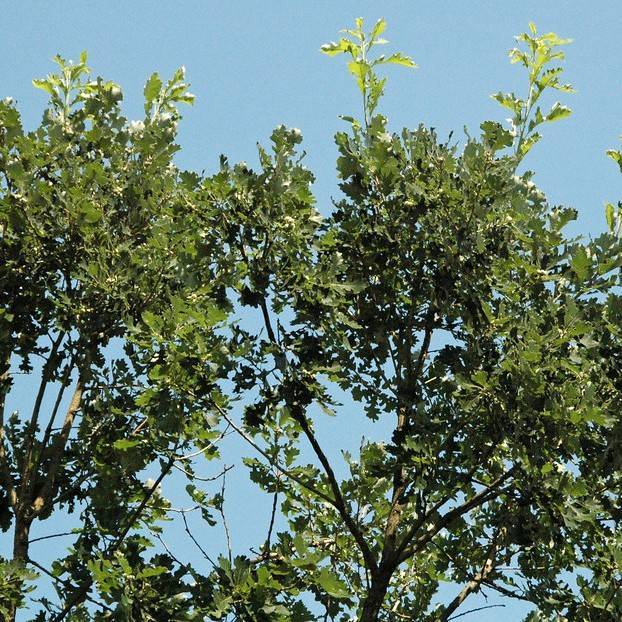
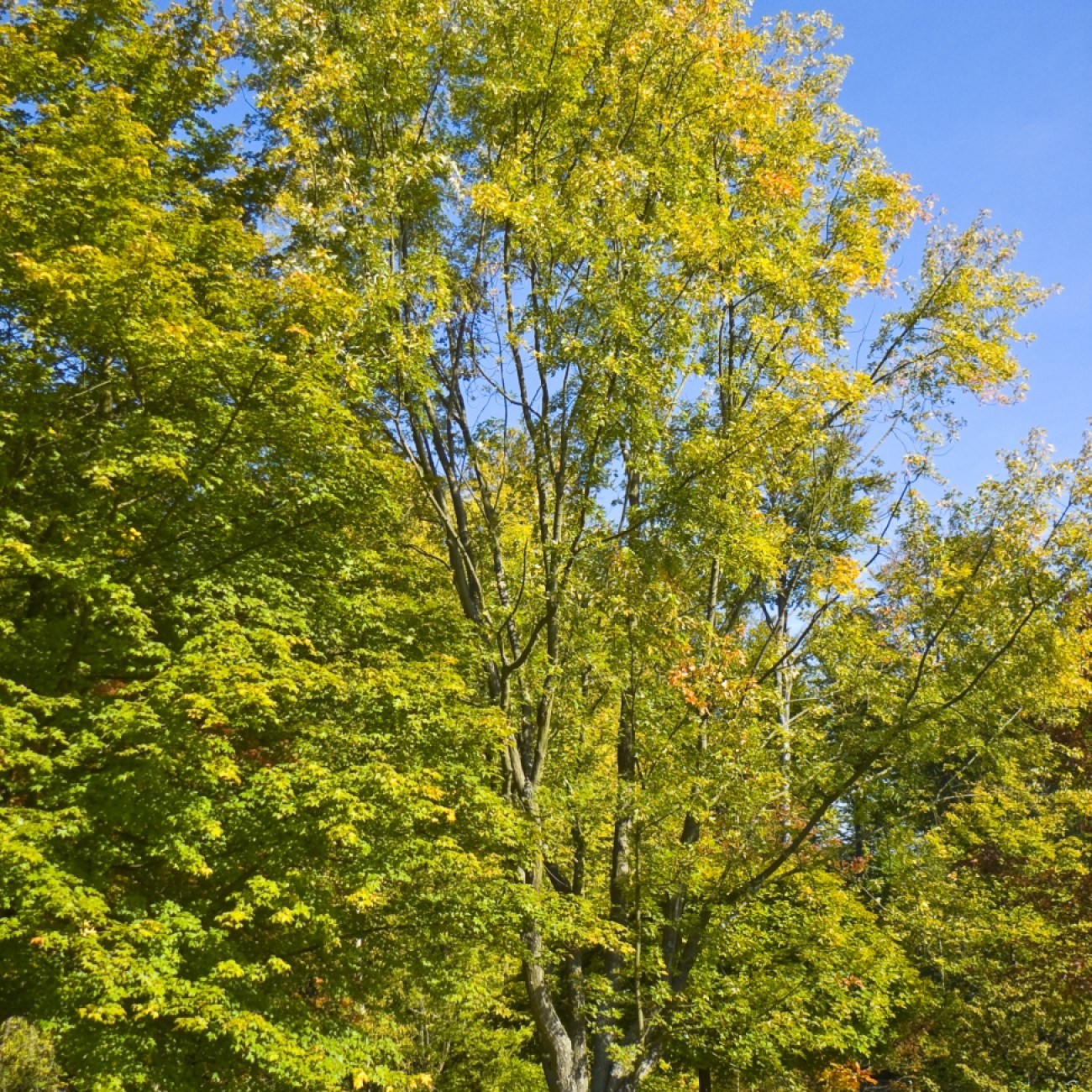
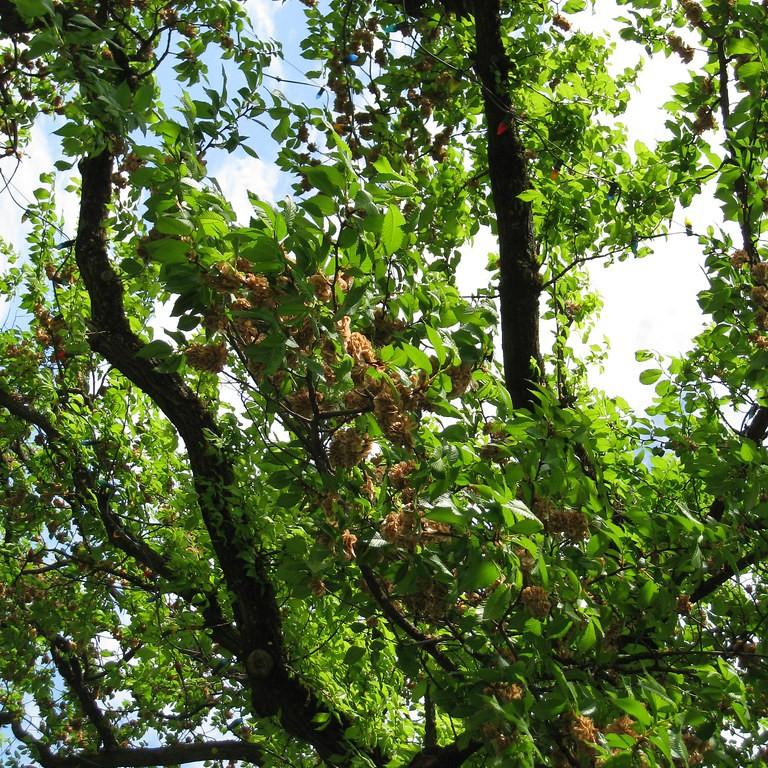
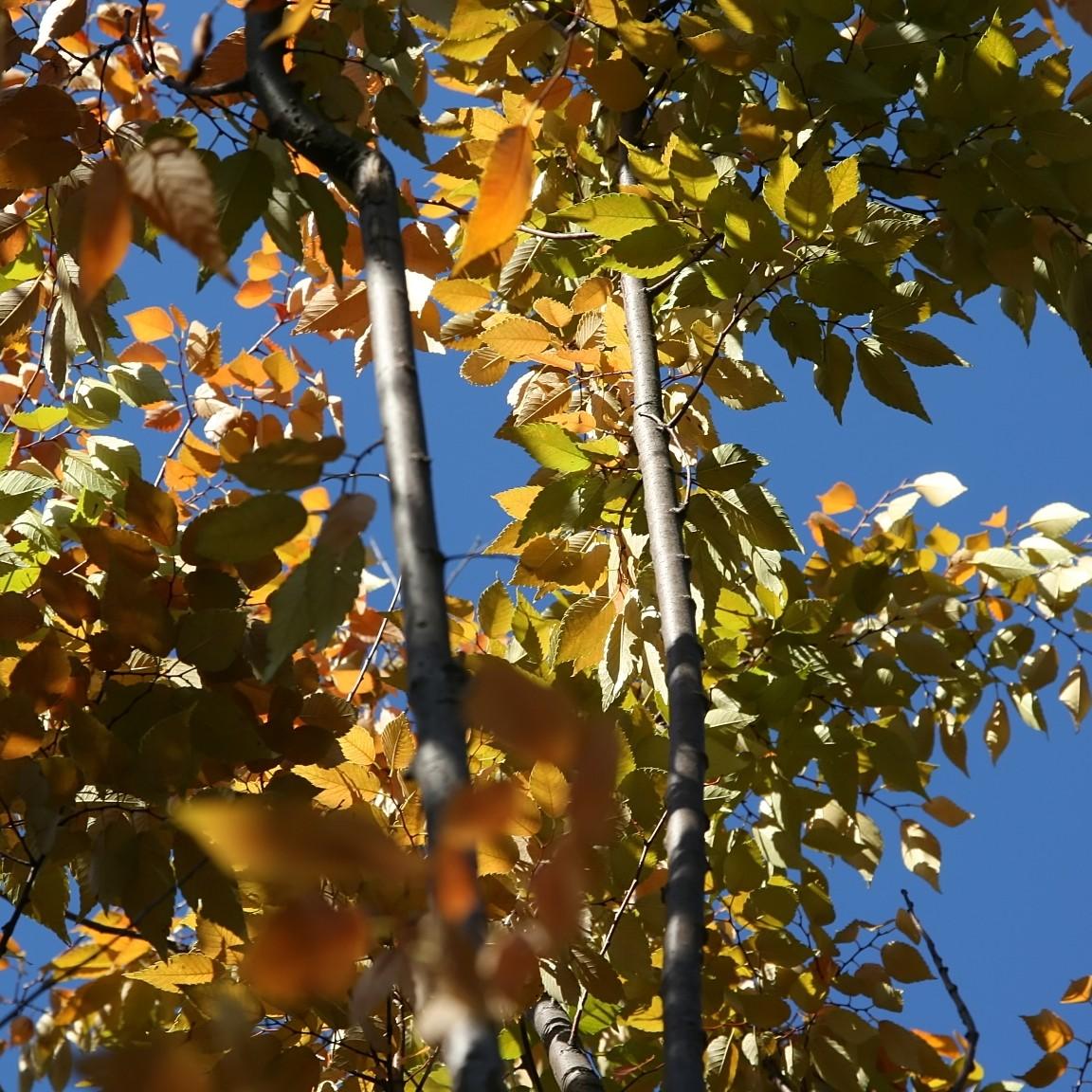
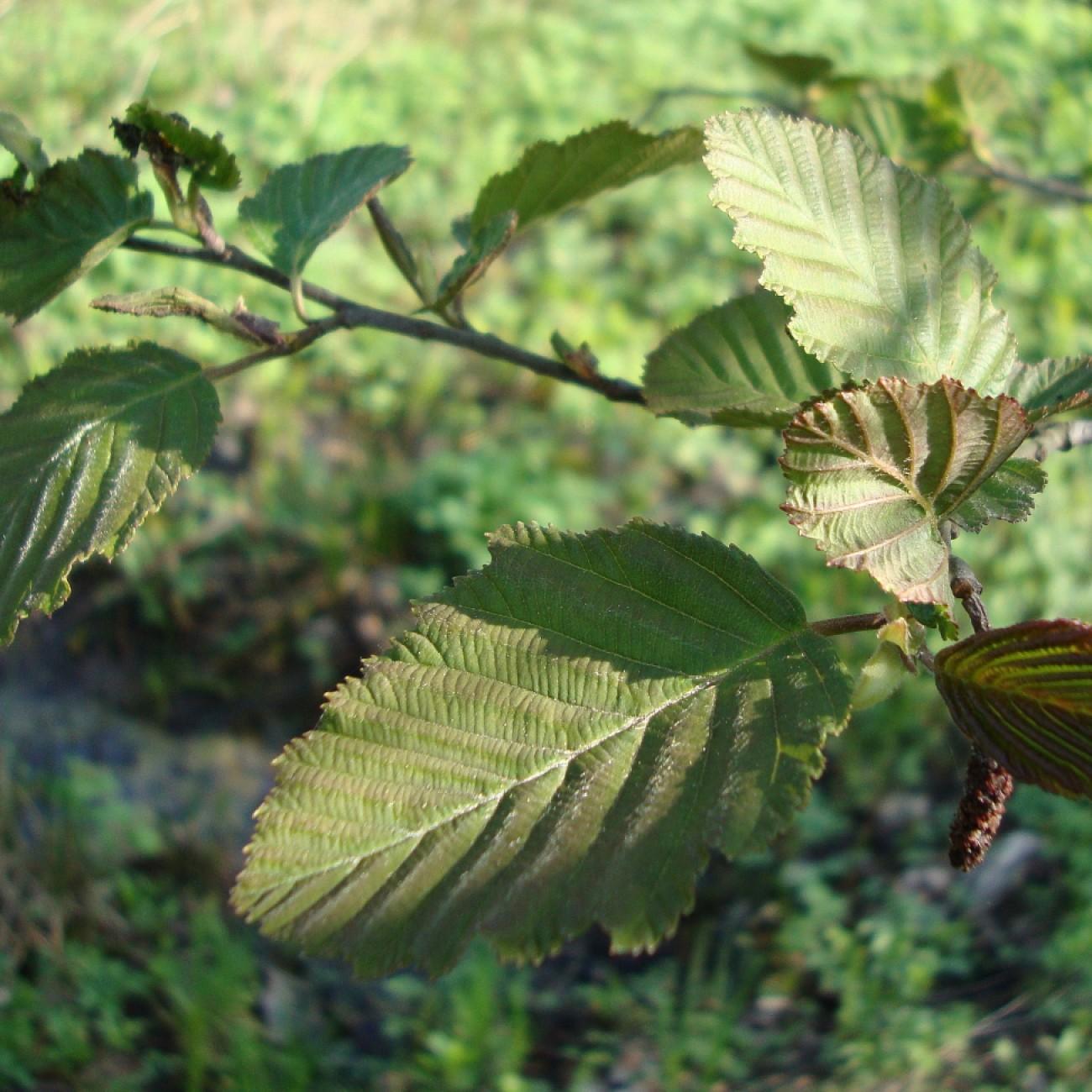
Elms are deciduous trees in the Ulmus genus, recognized for their characteristic vase-like growth habit, serrated oval leaves, and small papery winged fruits called samaras. For centuries, they were widely planted as street and park trees for their fast growth and dense shade, though populations were decimated by Dutch elm disease in the 20th century. Modern disease-resistant cultivars have reestablished elms as a viable landscape choice for temperate regions.
Care Guide
Watering
Young elm trees require regular, deep watering 1-2 times per week during their first 2-3 growing seasons to establish a strong root system, while mature specimens are drought-tolerant and only need supplemental water during extended dry periods. Avoid overwatering or allowing soil to remain waterlogged, as this can encourage root rot and increase susceptibility to disease.
Light
Elms thrive in full sun, requiring a minimum of 6 hours of direct, unfiltered sunlight daily to develop a dense, healthy canopy and strong structural growth. They can tolerate partial shade, but growth may be sparse, and the tree will be more prone to weak branch structure and pest infestations.
Soil
Elms are adaptable to a wide range of soil types, including loam, sand, clay, and even compacted urban soils, as long as the site has good drainage. They prefer a neutral to slightly alkaline soil pH between 6.0 and 8.0, though they can tolerate mildly acidic conditions as well.
Fertilizer
Young elms benefit from a balanced, slow-release granular fertilizer applied in early spring each year for the first 5 years to support vigorous growth, with a ratio of 10-10-10 (NPK) being ideal. Mature, established elms only need fertilization every 2-3 years, and only if they show signs of nutrient deficiency such as yellowing leaves or stunted growth.
Temperature
Elms are highly cold-hardy, with most species thriving in USDA hardiness zones 3 through 9, tolerating winter temperatures as low as -40°F (-40°C). They are also heat-tolerant, adapting well to summer temperatures up to 100°F (38°C) as long as they receive adequate moisture during extreme heat spells.
Pruning
Prune elms during late winter or early spring while the tree is dormant, removing dead, damaged, or crossing branches to improve air circulation and structural integrity, which reduces disease risk. Avoid pruning between April and October in regions where Dutch elm disease is present, as fresh cuts attract the bark beetles that spread the fungal pathogen.
Propagation
Elms are most commonly propagated from hardwood cuttings taken in late winter, using 6-8 inch long sections of 1-year-old wood treated with rooting hormone and planted in well-draining potting mix. Disease-resistant cultivars are typically grafted onto hardy rootstock to ensure consistent growth traits and disease resistance, as seed-grown elms do not reliably retain the parent plant’s resistance characteristics.
Humidity
Elms adapt well to a wide range of humidity levels, thriving in both the humid summers of eastern North America and the drier conditions of central regions, with no specific humidity requirements for healthy growth. Excessively high humidity combined with poor air circulation can increase the risk of foliar fungal diseases, so proper spacing and pruning to promote airflow is recommended in humid climates.
Repotting
Elm saplings grown in containers should be repotted every 1-2 years in early spring before new growth emerges, moving to a pot 2-3 inches larger in diameter with fresh, well-draining potting soil. Once planted in the landscape, elms do not require transplanting unless absolutely necessary, as their deep, extensive root systems make mature trees difficult to relocate successfully.
Uses & Symbolism
Elms are primarily planted as shade and street trees, prized for their broad canopies that provide ample cooling shade and their tolerance of urban conditions including air pollution and compacted soil. Their strong, durable, water-resistant wood is used for furniture, flooring, boat building, and historically for wagon wheels and barrel staves, while their dense root systems make them useful for erosion control along stream banks and slopes.
Diseases & Pests
The most devastating disease affecting elms is Dutch elm disease, a fungal pathogen spread by elm bark beetles that blocks the tree’s vascular system, causing wilting, yellowing foliage, and rapid death, though modern resistant cultivars significantly reduce this risk. Common pests include elm leaf beetles, which skeletonize leaves and cause defoliation, and aphids, which secrete honeydew that leads to sooty mold growth, while foliar fungal diseases like powdery mildew and anthracnose may occur in wet, humid conditions but are rarely fatal to healthy trees.
Related plants
Other plants you might like if you grow Elm.