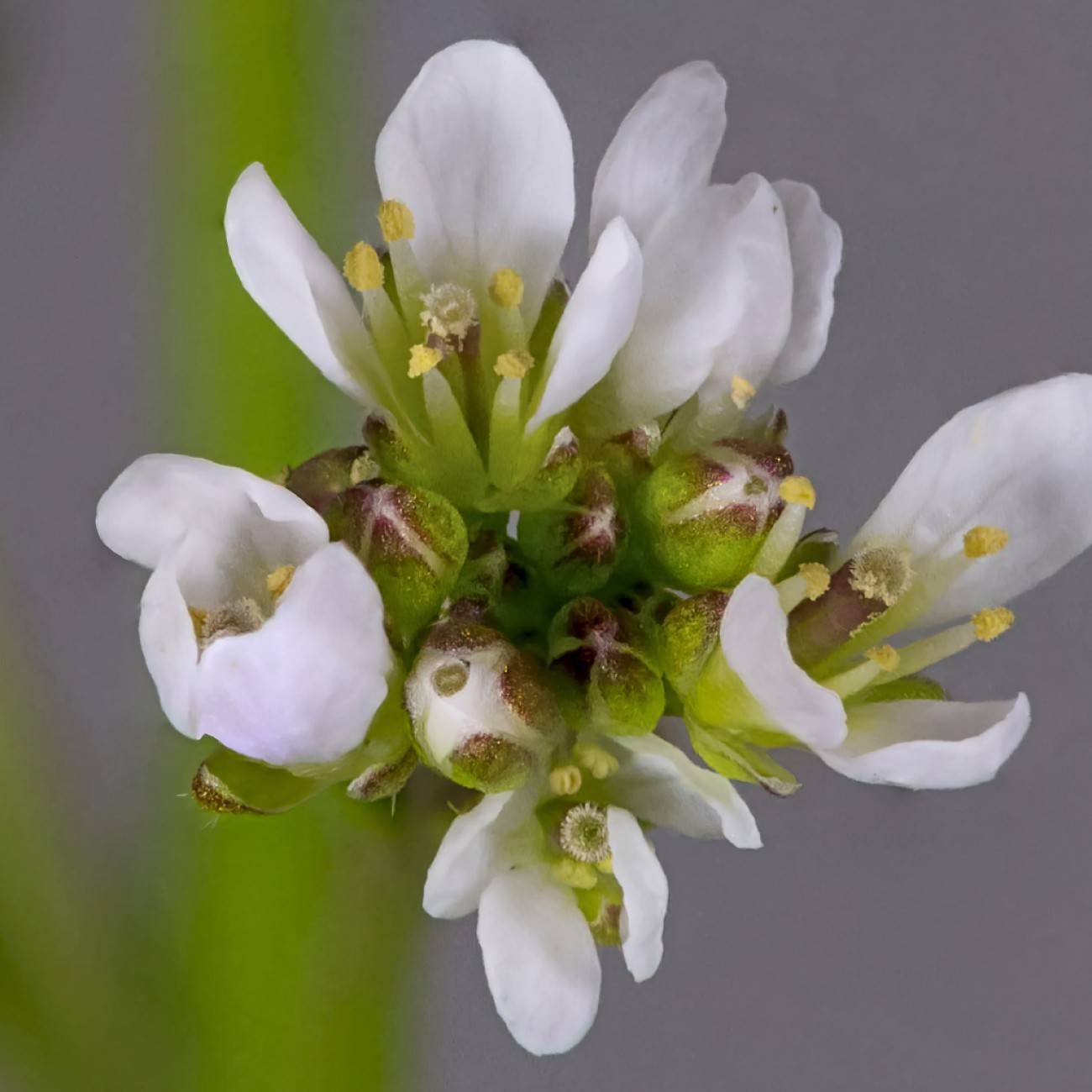
Ellesmere Island Braya
Braya humilis subsp. ellesmerensis
Overview
Ellesmere Island Braya is a critically imperiled dwarf subspecies of low braya, restricted to isolated calcareous barrens and gravel slopes of northern Ellesmere Island, one of the coldest, driest inhabited regions on Earth. Its compact, cushion-like growth form and dense fuzzy foliage protect it from harsh polar winds, freezing temperatures, and prolonged periods of winter darkness. It is a key indicator species of undisturbed high arctic ecosystems, with its limited range making it extremely vulnerable to climate change and habitat disruption.
Care Guide
Watering
This arctic specialist requires very low moisture, mimicking the low annual precipitation of its native polar desert habitat; overwatering quickly causes root rot, especially in cool conditions. Water only when the entire soil profile is completely dry, and avoid standing water at all times, even during its short active growing season. During winter dormancy, cease watering entirely to replicate the dry, frozen conditions of its natural range.
Light
It requires full, direct sunlight for a minimum of 16 hours per day during its short summer growing season, matching the 24-hour midnight sun periods of the High Arctic. If cultivated in lower latitudes, supplemental high-intensity grow lights are necessary to replicate the extreme light levels it evolved to utilize. During winter dormancy, it tolerates complete darkness for up to 6 months, matching the polar night cycle of its origin.
Soil
It demands sharply drained, alkaline, calcareous soil with very low organic content, replicating the gravelly, limestone-rich barrens of its native habitat. A mix of crushed limestone, coarse sand, and a small amount of gravel with no added compost or peat is ideal to prevent water retention and match its preferred nutrient-poor substrate. Soil pH must be maintained between 7.5 and 8.5 to support healthy growth, as acidic soils cause nutrient deficiencies and root damage.
Fertilizer
Ellesmere Island Braya requires almost no supplemental fertilization, as it evolved to thrive in extremely nutrient-poor arctic soils. A single, extremely dilute application of a low-nitrogen mineral fertilizer once at the start of the growing season is sufficient, if any fertilization is used at all. High-nitrogen or frequent fertilization will cause soft, leggy growth that is vulnerable to cold damage and disease, and may kill the plant outright.
Temperature
It requires cool growing season temperatures between 35-50°F (2-10°C) for 6-8 weeks in summer, as prolonged temperatures above 55°F (13°C) cause heat stress and dormancy disruption. Winter dormancy requires consistent freezing temperatures between -20°F (-29°C) and 20°F (-7°C) for a minimum of 5 months to satisfy its cold stratification requirement for subsequent flowering and growth. It is one of the most cold-tolerant flowering plants on Earth, capable of surviving temperatures as low as -50°F (-46°C) when dormant.
Pruning
Pruning is almost never required for this dwarf cushion plant, as it naturally maintains a tight, compact growth form with minimal dead foliage. Only remove any brown, dead leaf material at the start of the growing season to prevent mold growth, taking extreme care not to damage the shallow, fragile root system or living foliage. Avoid any cutting of green tissue, as the plant grows extremely slowly and damaged areas may take years to regrow.
Propagation
Ellesmere Island Braya is most reliably propagated from seed, which requires 4-6 months of cold, moist stratification at temperatures just above freezing to break dormancy. Seeds should be sown on the surface of a calcareous, gravelly soil mix and exposed to full, intense light to germinate, which can take 4-8 weeks under optimal cool conditions. Vegetative propagation is extremely difficult, as the plant’s dense, compact growth form and shallow roots do not produce easily separable offsets, and cuttings rarely root successfully.
Humidity
It thrives in very low humidity levels between 20-40%, matching the dry air of its native polar desert habitat. High humidity levels above 50% greatly increase the risk of fungal leaf spot and root rot, especially when paired with cool temperatures and low air circulation. Ensure consistent, gentle air flow around the plant at all times to prevent moisture buildup on foliage and around the root zone.
Repotting
Repotting is rarely necessary, as the plant has an extremely shallow, small root system and grows very slowly, often taking decades to reach its full mature size. Only repot when the plant has completely outgrown its container, which may only occur once every 10-15 years, and use an identical calcareous, gravelly soil mix to avoid shocking the sensitive root system. Repot only at the very start of the short growing season, and minimize root disturbance as much as possible to prevent transplant shock, which is often fatal for this species.
Uses & Symbolism
Ellesmere Island Braya has no traditional edible or medicinal uses, as its tiny size and extremely restricted range make it impractical to harvest, and it is protected as a critically imperiled species across its native range. It is used in arctic ecological research as a key indicator of climate change impacts on polar desert ecosystems, as shifts in its flowering time and population size directly correlate with rising summer temperatures in the High Arctic. It is occasionally cultivated in specialist alpine and arctic plant collections for conservation and educational purposes, to raise awareness of High Arctic biodiversity loss.
Diseases & Pests
In its native habitat, Ellesmere Island Braya has very few natural pests or diseases, as the harsh cold and dry conditions prevent most pathogens and herbivores from surviving. When cultivated in less optimal conditions, it is highly susceptible to fungal root rots from overwatering, as well as powdery mildew and leaf spot if exposed to high humidity and poor air circulation. The only significant natural threat to wild populations is habitat loss from melting permafrost and increased shrub encroachment driven by Arctic warming, which is rapidly reducing its available suitable habitat.
Related plants
Other plants you might like if you grow Ellesmere Island Braya.
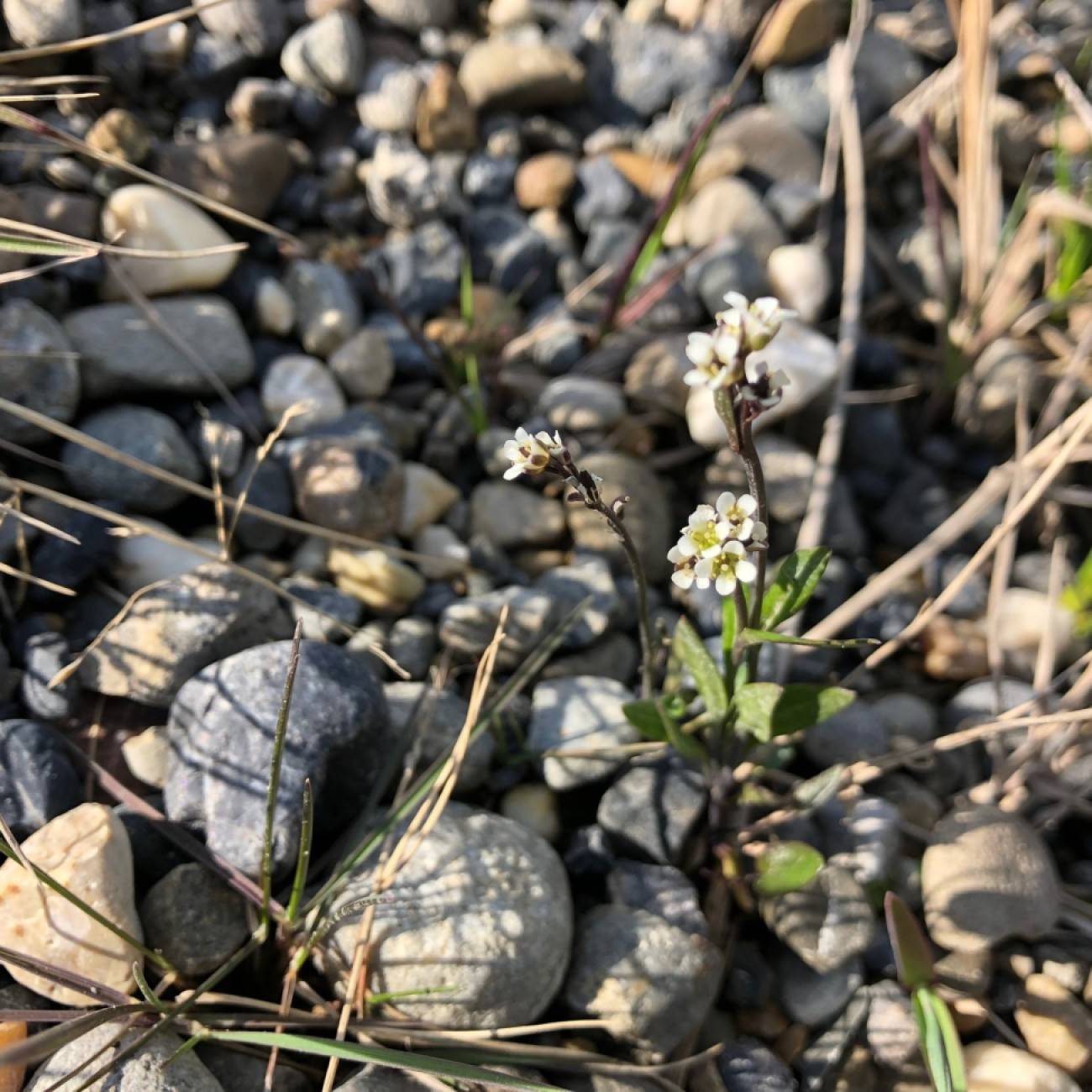
Greenland Rockcress
Boechera groenlandica
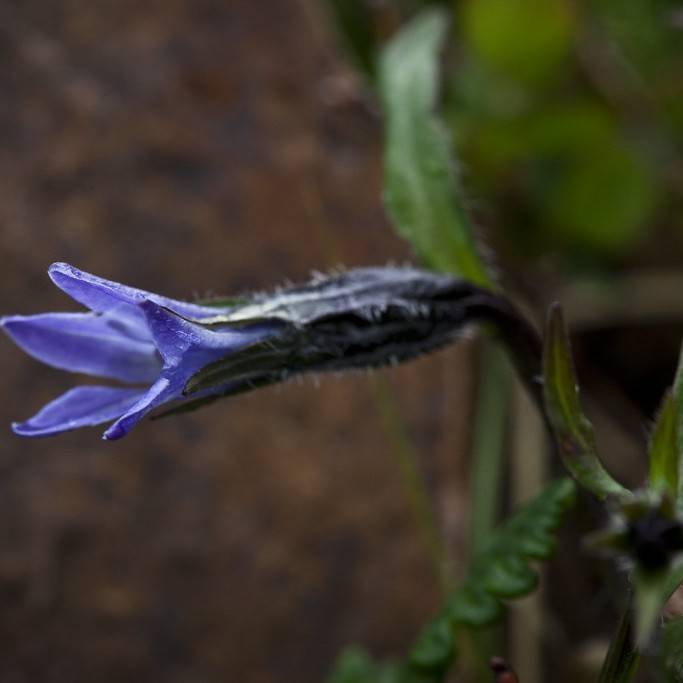
Arctic Harebell
Campanula uniflora
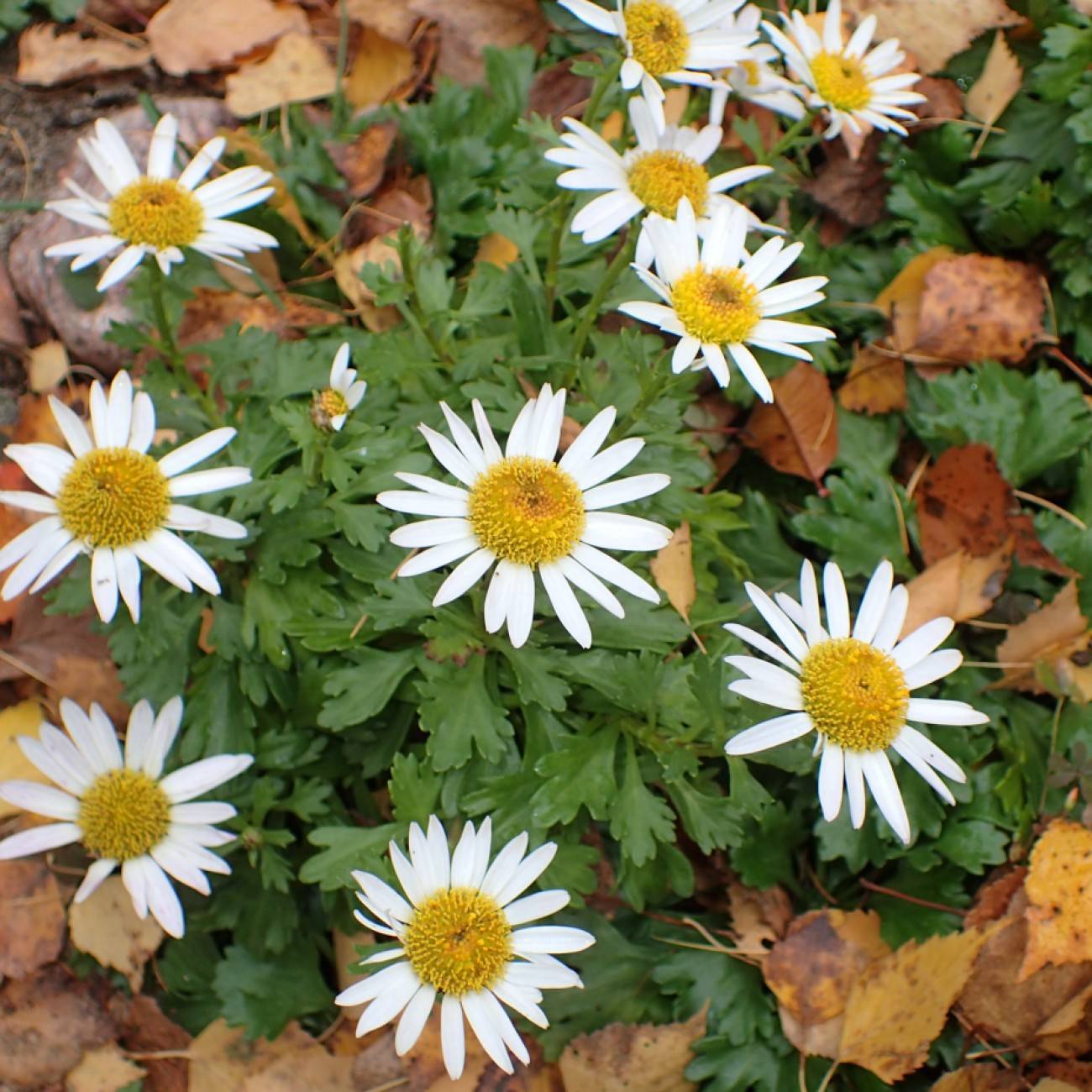
Arctic Daisy
Arctanthemum arcticum (syn. Chrysanthemum arcticum)
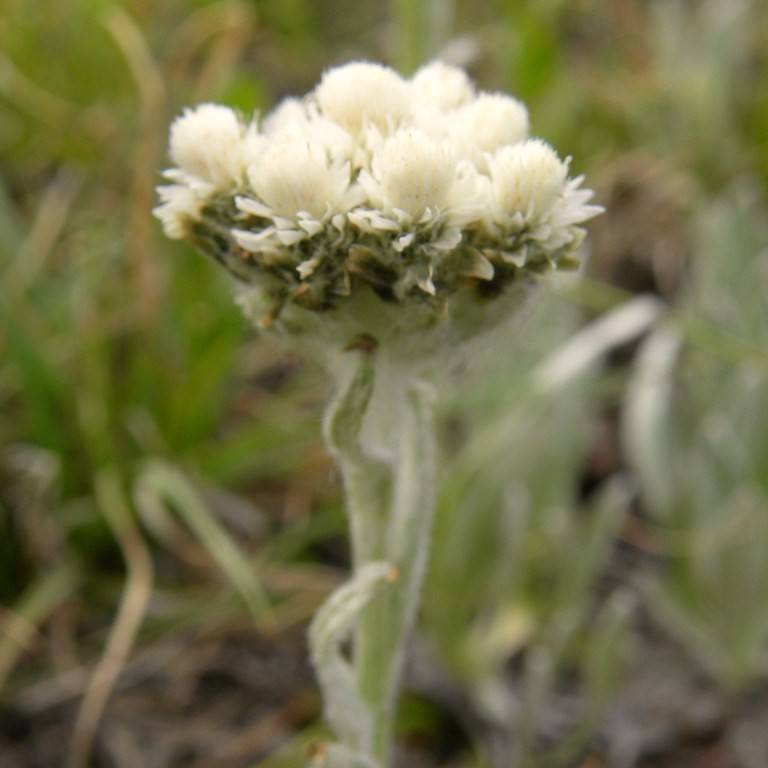
Alpine Pussytoes
Antennaria alpina
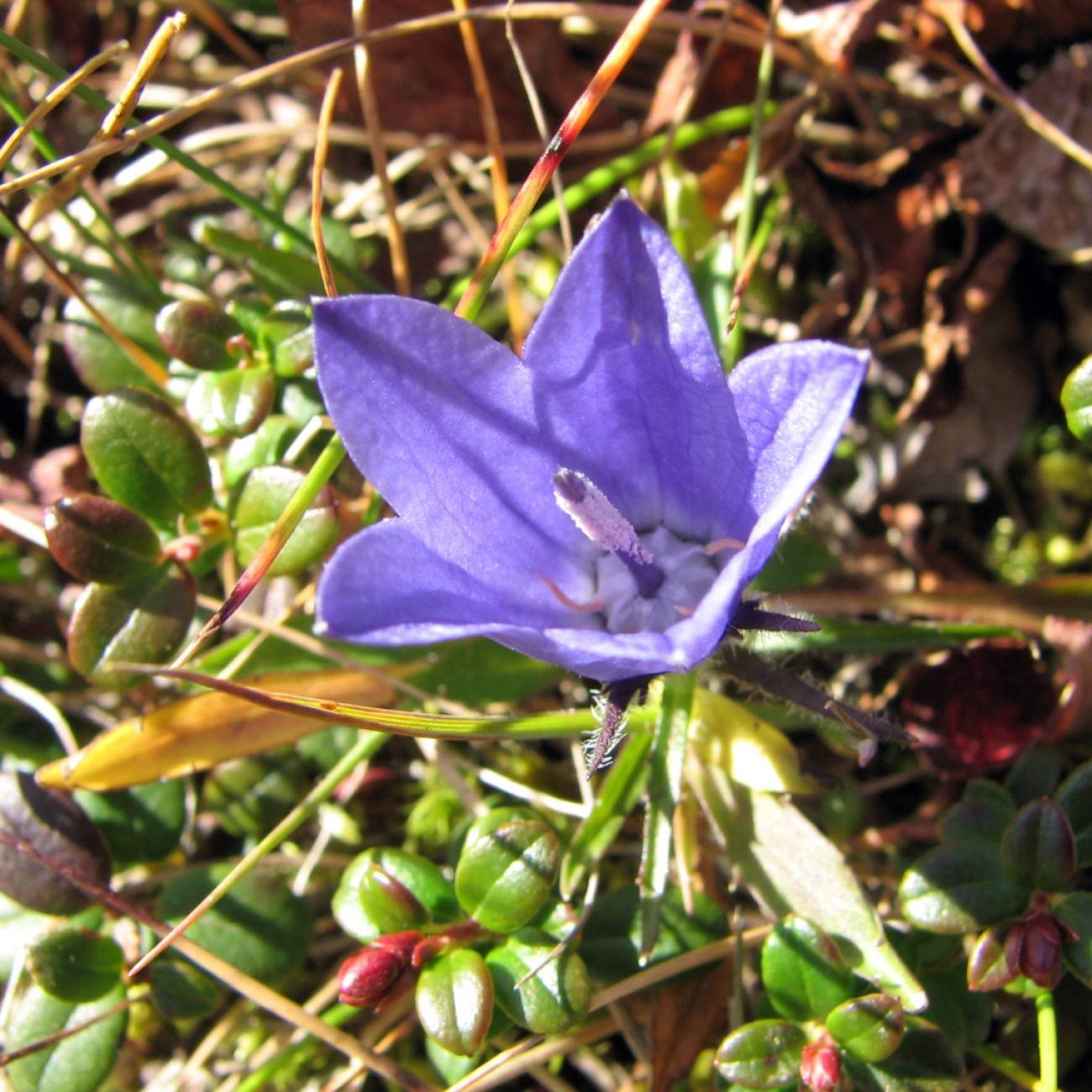
Alaska Bellflower
Campanula alaskana
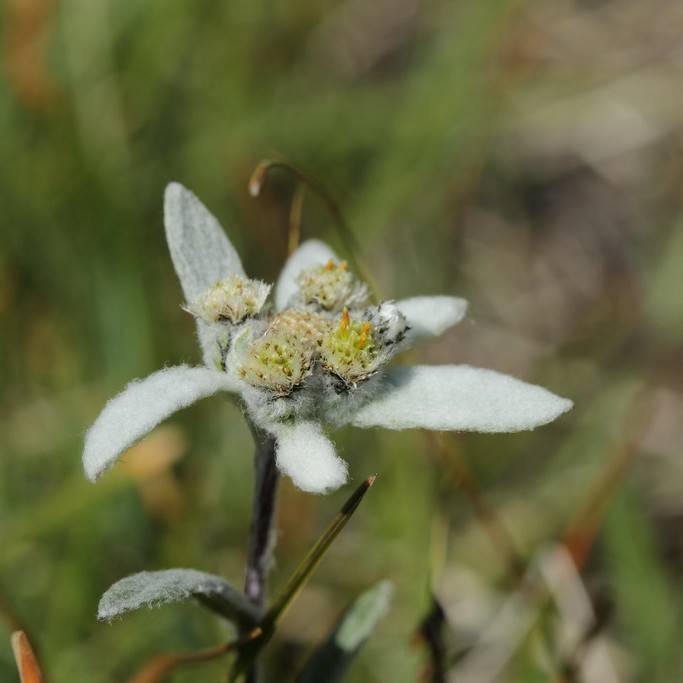
Edelweiss
Leontopodium alpinum
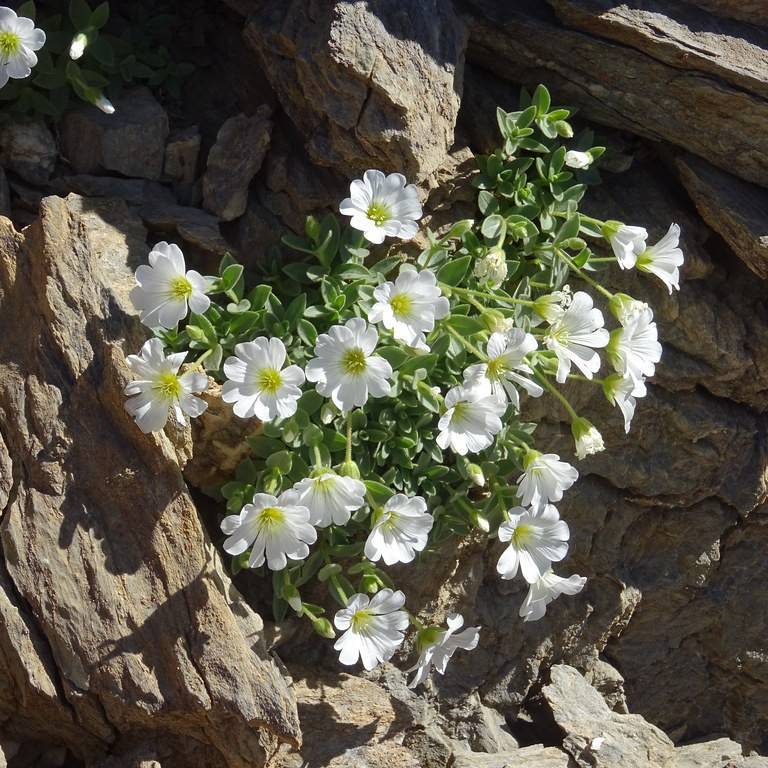
Alpine Mouse Ear Chickweed
Cerastium alpinum
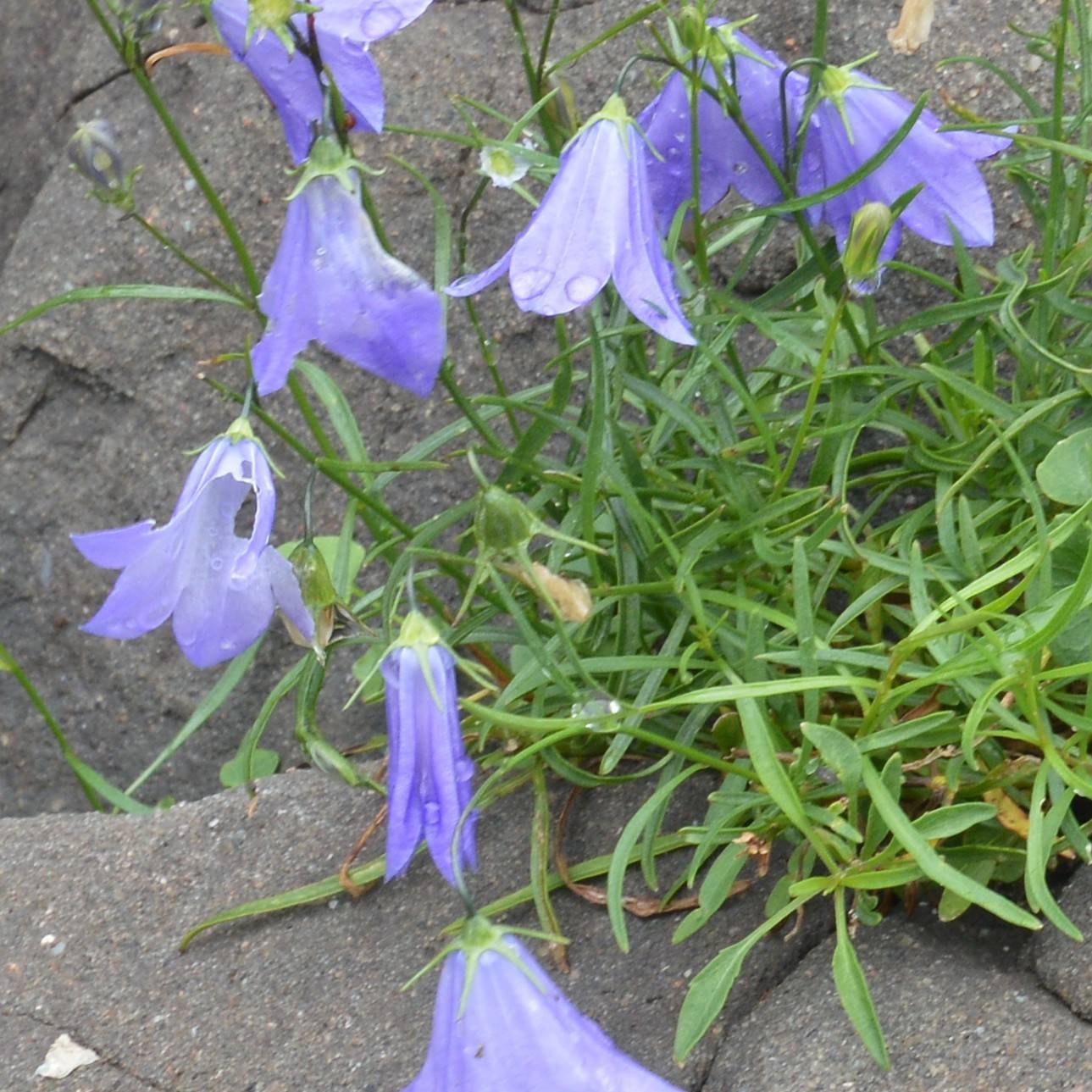
Giesecke's Bellflower
Campanula giesekiana