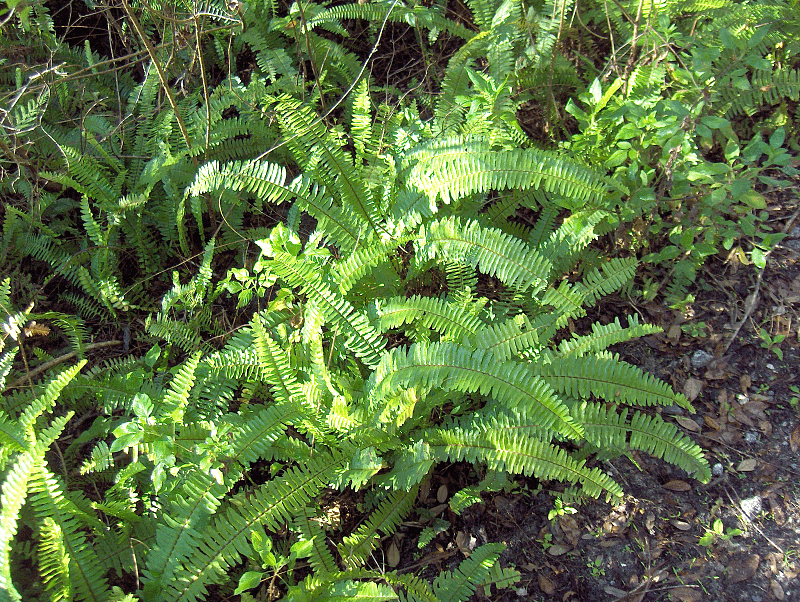
Boston Fern
Nephrolepis exaltata 'Bostoniensis'
Overview
Boston fern is a cultivated variant of the sword fern, distinguished by its gracefully drooping fronds that cascade over container edges, making it a staple for hanging baskets and shaded display spots. It gained widespread popularity in the Victorian era as a parlor plant, prized for its ability to thrive in the lower-light, humid conditions of 19th-century homes. In its native tropical habitat, it grows as an epiphyte on tree trunks or as a groundcover in moist, shaded forest floors.
Care Guide
Watering
Keep the soil consistently moist but not waterlogged, watering when the top 1 inch of soil feels dry to the touch. Reduce watering frequency slightly in winter when growth slows, but never allow the root ball to dry out completely, as this will cause frond browning. Use room-temperature, distilled or rainwater if possible, as hard water with high fluoride or chlorine can damage frond tips.
Light
Thrives in bright, indirect light, such as that filtered through a sheer curtain near a north or east-facing window. Avoid direct, unfiltered midday sun, which will scorch the delicate fronds and cause rapid yellowing. It can tolerate low light for short periods, but extended low-light conditions will lead to sparse, leggy growth and reduced frond production.
Soil
Requires a loose, well-draining, peat-rich potting mix with a slightly acidic pH between 5.0 and 6.5. A mix of peat moss, perlite, and pine bark works well to retain moisture while preventing soggy roots that can lead to rot. Avoid heavy, compacted garden soils that hold too much water and restrict air flow to the root system.
Fertilizer
Feed with a balanced, water-soluble houseplant fertilizer diluted to half strength every 4 to 6 weeks during the active growing season of spring and summer. Do not fertilize in fall and winter, when the plant is dormant, as excess salts can build up in the soil and burn the roots. Flush the soil with plain water every 3 months to remove any accumulated fertilizer residue.
Temperature
Prefers consistent temperatures between 60 and 75°F (15 to 24°C), which aligns with typical indoor household conditions. Avoid exposing it to temperatures below 55°F (13°C) or sudden drafts from heating vents, air conditioners, or exterior doors, as these can cause frond drop. It can be grown outdoors in USDA hardiness zones 9 to 11 in shaded, sheltered spots.
Pruning
Remove brown, yellow, or damaged fronds at their base using clean, sharp scissors to encourage new, healthy growth and maintain the plant’s tidy appearance. Trim back any overly long or straggly fronds during the growing season to control the plant’s size and promote a fuller, bushier form. Prune off any brown, dry frond tips with small scissors, taking care not to cut into the healthy green tissue.
Propagation
The easiest method is division: separate mature clumps into smaller sections during repotting in spring, ensuring each section has a healthy portion of roots and several fronds. It can also be propagated from spores, though this method is far slower and less reliable for home gardeners, requiring consistent high humidity and sterile growing conditions. Once divided, plant the new sections in fresh potting mix and keep them evenly moist in bright indirect light until they are established.
Humidity
Requires high humidity between 50 and 80 percent to thrive, far higher than the average indoor humidity level of most homes. Increase humidity by placing the pot on a tray filled with pebbles and water, misting the fronds regularly with room-temperature water, or using a small room humidifier near the plant. Low humidity will cause the tips of the fronds to turn brown and crispy, and may lead to overall decline if not addressed.
Repotting
Repot young Boston ferns every 1 to 2 years in spring, moving them to a pot just 1 to 2 inches larger than the current one, as they prefer slightly root-bound conditions. Mature plants only need repotting every 2 to 3 years, or when roots begin to grow through the drainage holes or out the top of the soil. Use fresh, peat-rich potting mix when repotting, and gently loosen tangled roots to encourage new growth into the surrounding soil.
Uses & Symbolism
Boston ferns are most commonly grown as decorative houseplants, especially in hanging baskets or elevated planters that showcase their cascading fronds, and they are also used as outdoor ornamental plants in shaded garden beds, borders, or patio containers in warm, humid climates. They are recognized for their air-purifying properties, as they effectively remove formaldehyde, xylene, and other volatile organic compounds from indoor air. In some regions, the fronds are used in cut flower arrangements for their soft, feathery texture and long vase life.
Diseases & Pests
The most common issues are root rot caused by overwatering or poorly draining soil, and frond tip burn from low humidity, hard water, or excess fertilizer. Common pests include spider mites, mealybugs, and scale insects, which thrive in dry, warm conditions and can be controlled with regular neem oil treatments or insecticidal soap sprays. Fungal leaf spots may occur if fronds are kept consistently wet, so avoid overhead watering and ensure good air circulation around the plant to prevent these issues.
Related plants
Other plants you might like if you grow Boston Fern.
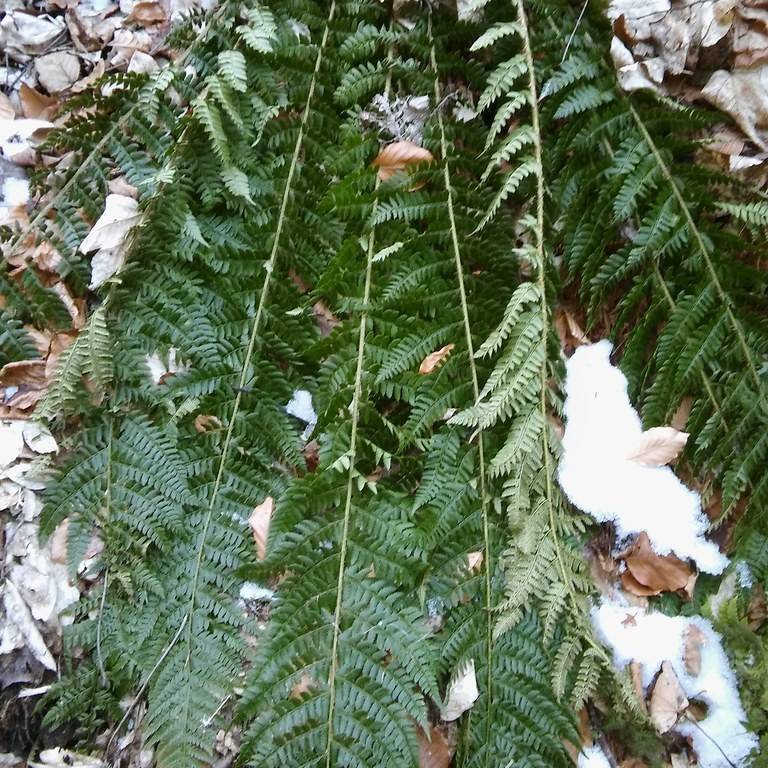
Braun's Holly Fern
Polystichum braunii
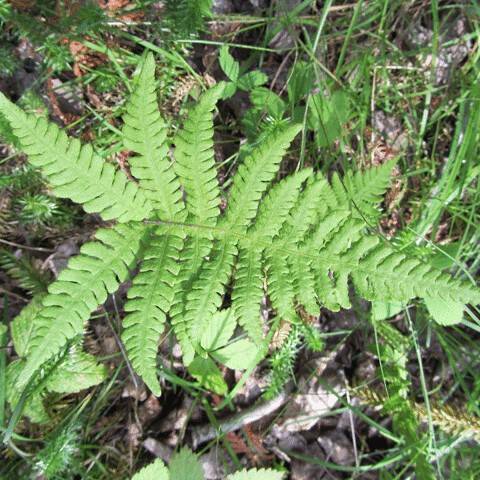
Broad Beech Fern
Phegopteris hexagonoptera
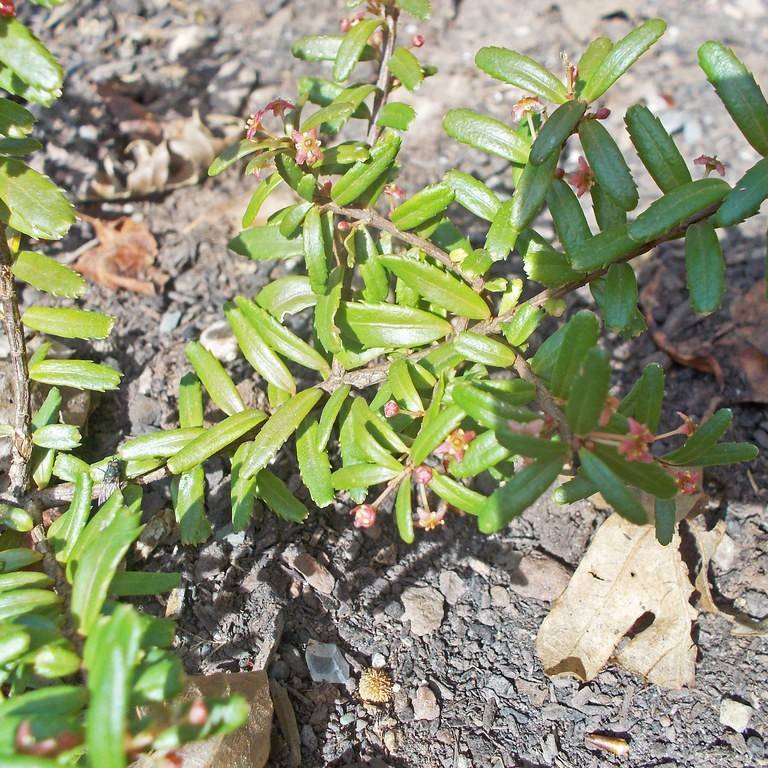
Cliff Green
Pellaea viridis
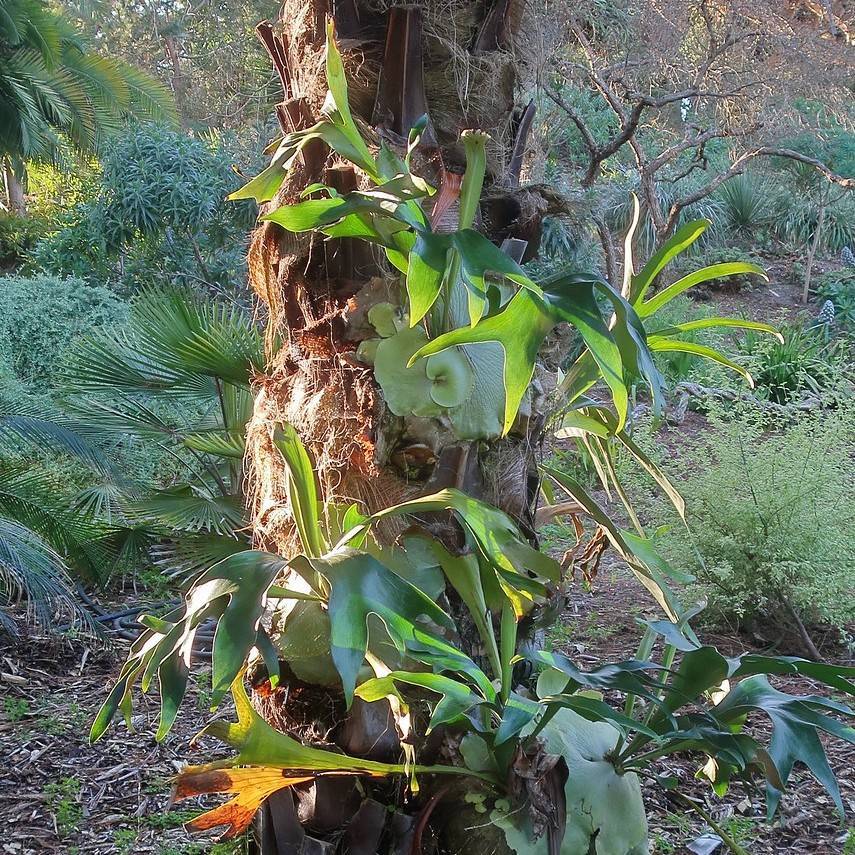
Elkhorn Fern
Platycerium bifurcatum
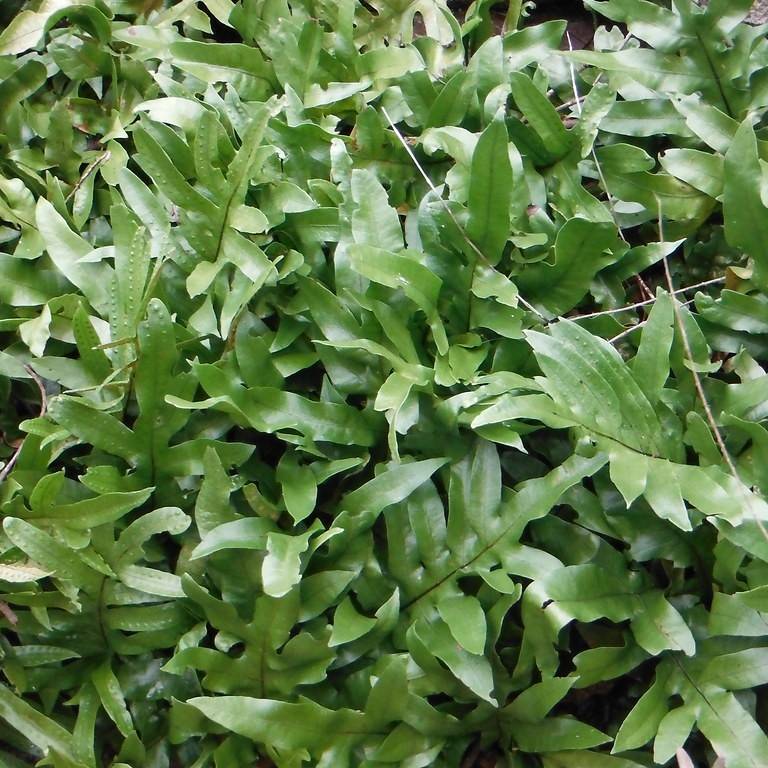
Kangaroo Fern
Microsorum pustulatum
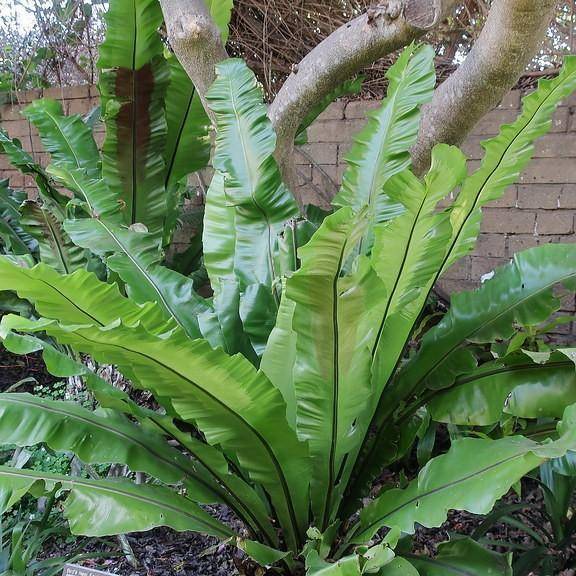
bird's nest fern
Asplenium nidus 'Antiquum'
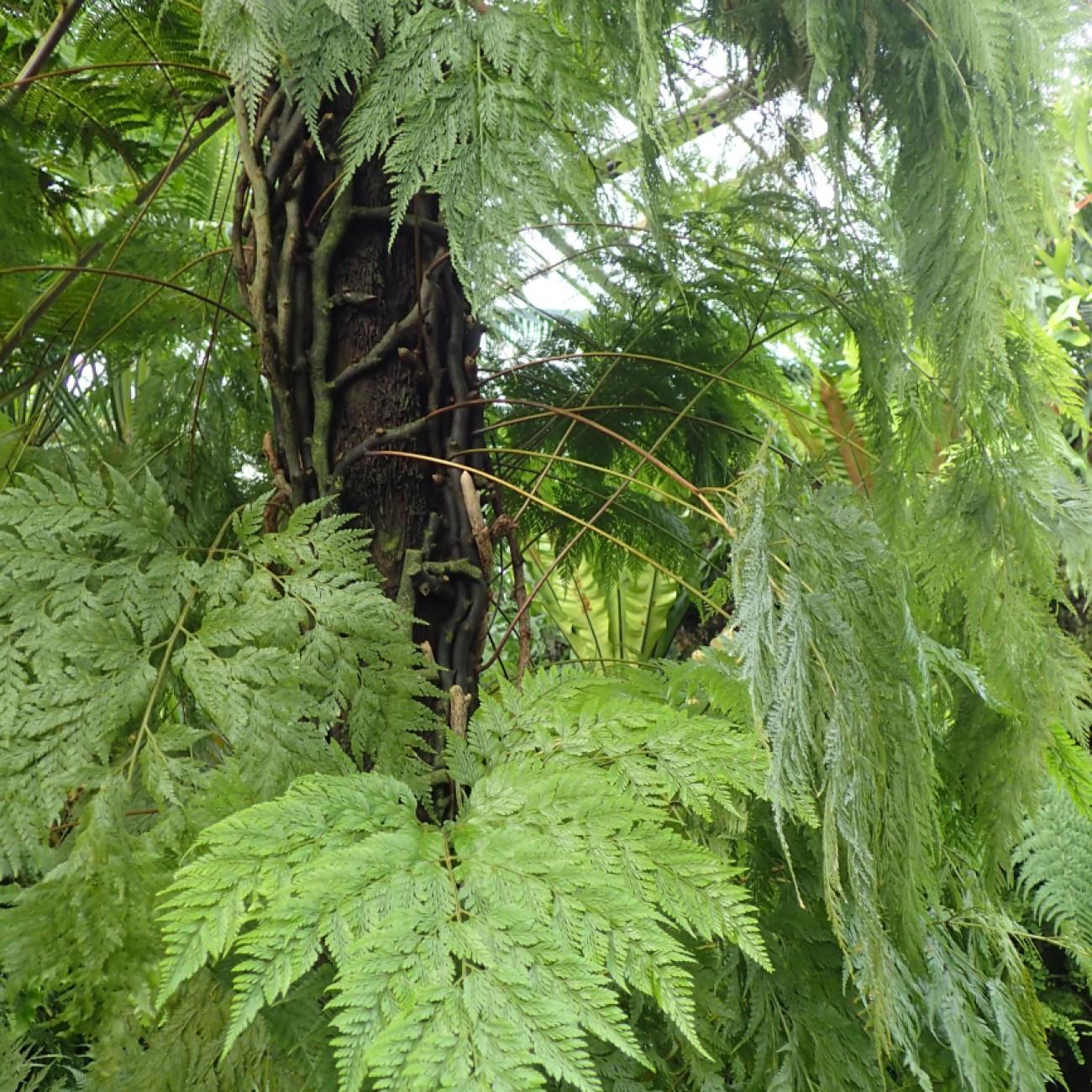
rabbit's foot fern
Davallia fejeensis
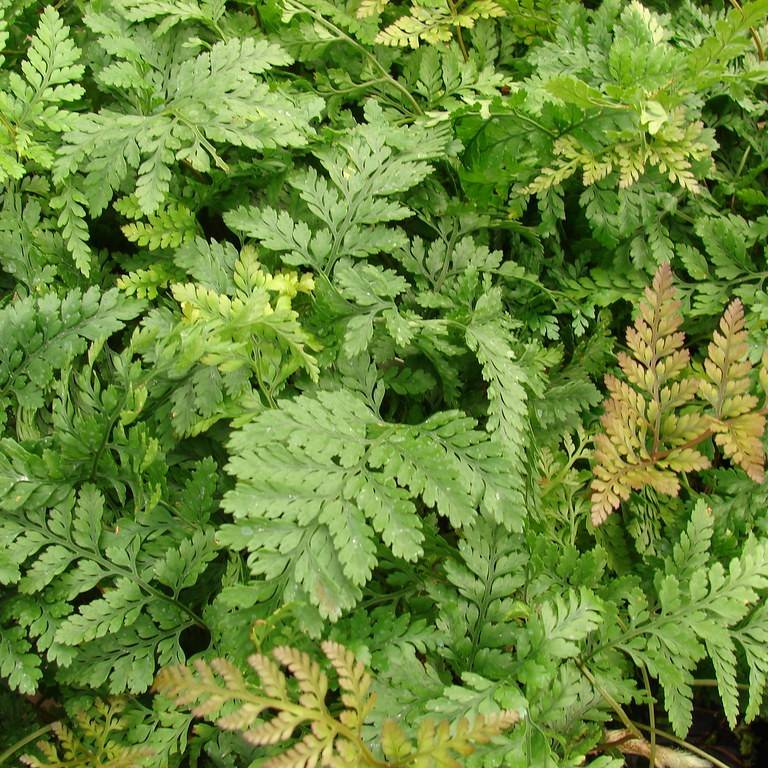
rabbit's foot fern
Davallia fejeensis 'Dwarf Ripple'