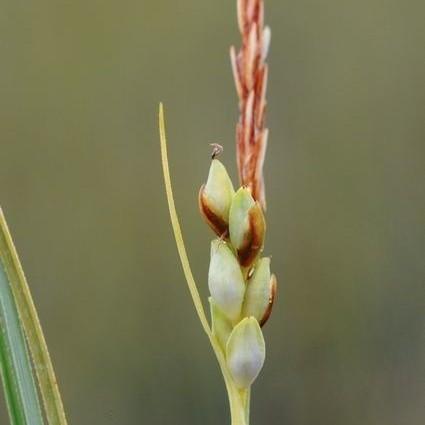
Elk Sedge
Carex geyeri
Overview
Elk Sedge is a tough, grass-like perennial that forms dense, spreading clumps of narrow, dark green, evergreen foliage that retains its color year-round in mild climates. It is naturally adapted to dry, open woodlands, mountain slopes, and meadows, where it provides forage for elk, deer, and small wildlife throughout the year. Unlike many ornamental sedges, it thrives in dry, shaded conditions, making it a popular choice for low-water, native landscaping in western North America.
Care Guide
Watering
Elk Sedge is highly drought tolerant once established, requiring only occasional supplemental water during extended dry periods; overwatering, especially in heavy soils, can lead to root rot. Newly planted specimens should be watered regularly for the first 2-3 months to help them develop a strong root system, after which they can survive on natural rainfall in most of its native range.
Light
It grows best in partial to full shade, though it can tolerate full sun in cooler, higher-elevation regions if provided with adequate moisture. Intense, direct sun in low-elevation areas can scorch its foliage, so dappled shade or north-facing planting sites are ideal for optimal growth and leaf color.
Soil
This sedge adapts to a wide range of soil types, including sandy, loamy, and rocky soils, as long as they are well-draining; it tolerates poor, low-nutrient soils that many other ornamental plants cannot. It prefers a neutral to slightly acidic soil pH, and will not survive in waterlogged or constantly saturated soils.
Fertilizer
Elk Sedge rarely requires fertilization, as it is adapted to low-nutrient native soils; over-fertilization can cause excessive, leggy growth and reduce its drought tolerance. If desired, a light application of slow-release, balanced native plant fertilizer can be applied in early spring only if growth appears stunted or foliage is pale.
Temperature
It is extremely cold hardy, tolerating temperatures as low as -30°F (-34°C), and is suitable for USDA hardiness zones 4 through 8. It can tolerate summer temperatures up to 90°F (32°C) as long as it is planted in shade and provided with occasional water; prolonged heat above 95°F (35°C) may cause temporary browning of leaf tips.
Pruning
Pruning is minimal; old, brown foliage can be trimmed back to 2-3 inches above the soil line in late winter or early spring before new growth emerges to keep clumps looking tidy. It does not require frequent shearing, and over-pruning can damage the plant’s dense growth habit, so only remove dead or damaged foliage as needed.
Propagation
Elk Sedge is most easily propagated by division of mature clumps in early spring or fall, when the plant is not actively growing; clumps can be separated into smaller sections with a sharp spade, each with a portion of roots and foliage, and replanted immediately. It can also be grown from seed, though seed germination is slow and irregular, and seed-grown plants take 2-3 years to reach mature size.
Humidity
It is adapted to the moderate to low humidity levels common in its native western North American mountain habitats, and tolerates dry air very well. High humidity, especially combined with wet soil, can increase the risk of fungal diseases, so ensure good air circulation around plants in humid climates.
Repotting
Elk Sedge is rarely grown in containers, but if potted, it should be repotted every 2-3 years in early spring, using a well-draining, sandy potting mix formulated for native plants. Choose a pot with ample drainage holes to prevent waterlogging, and only move up one pot size at a time to avoid excess soil moisture around the roots.
Uses & Symbolism
Elk Sedge is widely used in native plant landscaping, drought-tolerant gardens, and shaded ground cover plantings, where it suppresses weeds and reduces erosion on slopes. It provides excellent habitat and forage for native wildlife, including elk, deer, small mammals, and pollinators that use its seed heads and foliage for food and shelter. It is also planted in restoration projects for dry woodland and mountain ecosystems, as it helps stabilize soil and supports native biodiversity.
Diseases & Pests
Elk Sedge is highly resistant to most pests and diseases, though overwatering or poor drainage can lead to root rot and fungal leaf spot diseases. It may occasionally be affected by aphids or spider mites in dry, stagnant air conditions, which can be controlled with a strong spray of water or insecticidal soap if infestations are severe.
Related plants
Other plants you might like if you grow Elk Sedge.
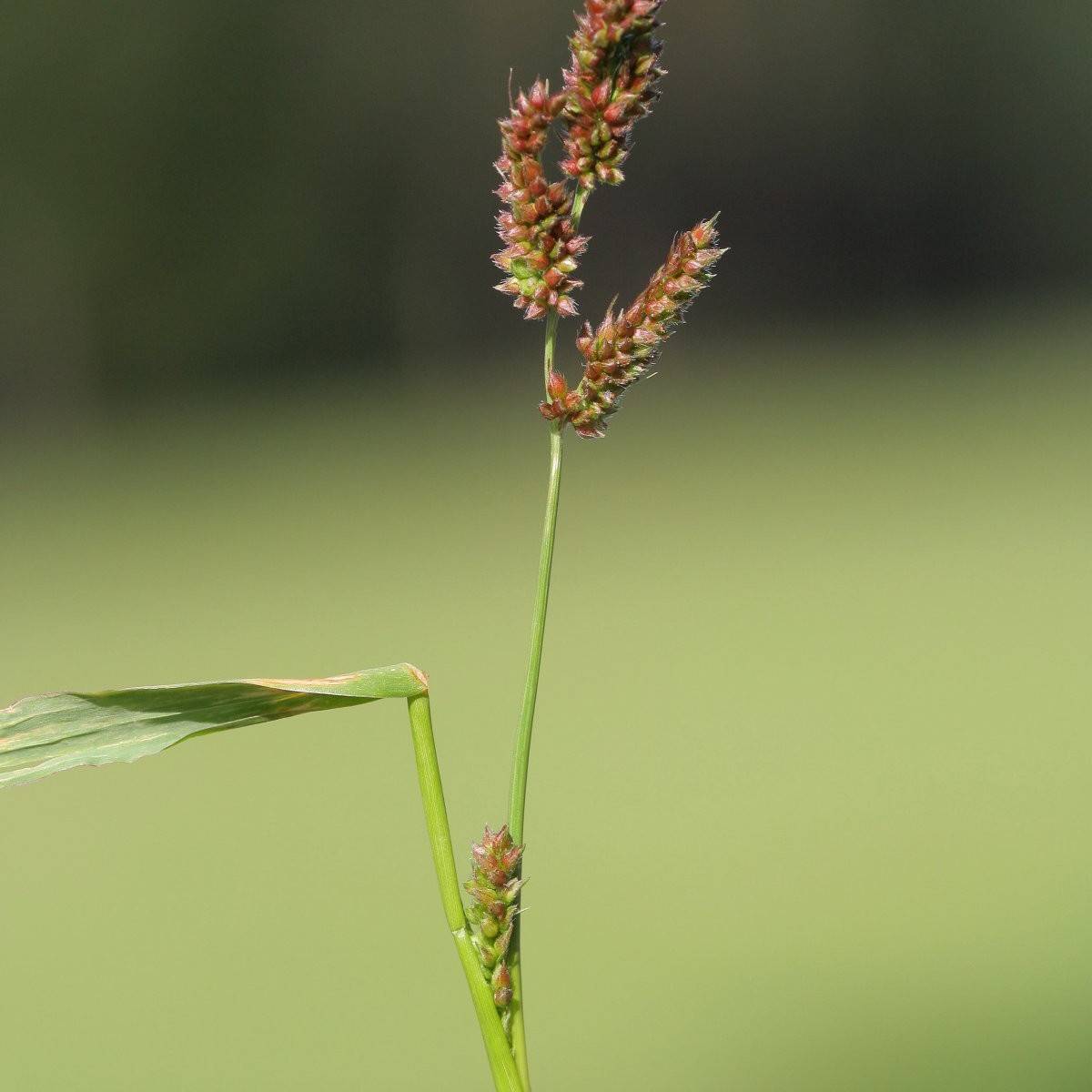
Host Sedge
Carex plantaginea
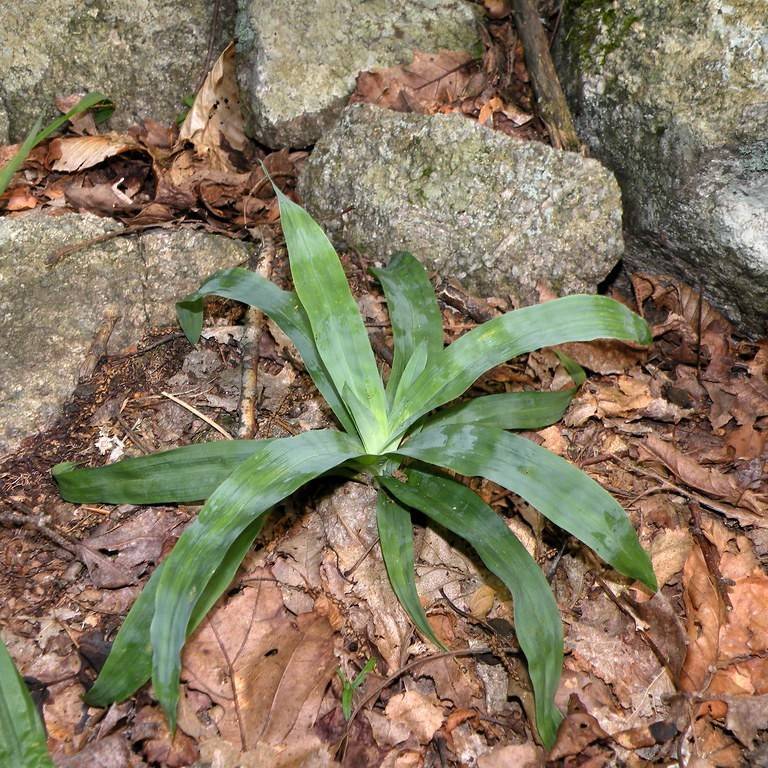
Broad Leaved Sedge
Carex platyphylla
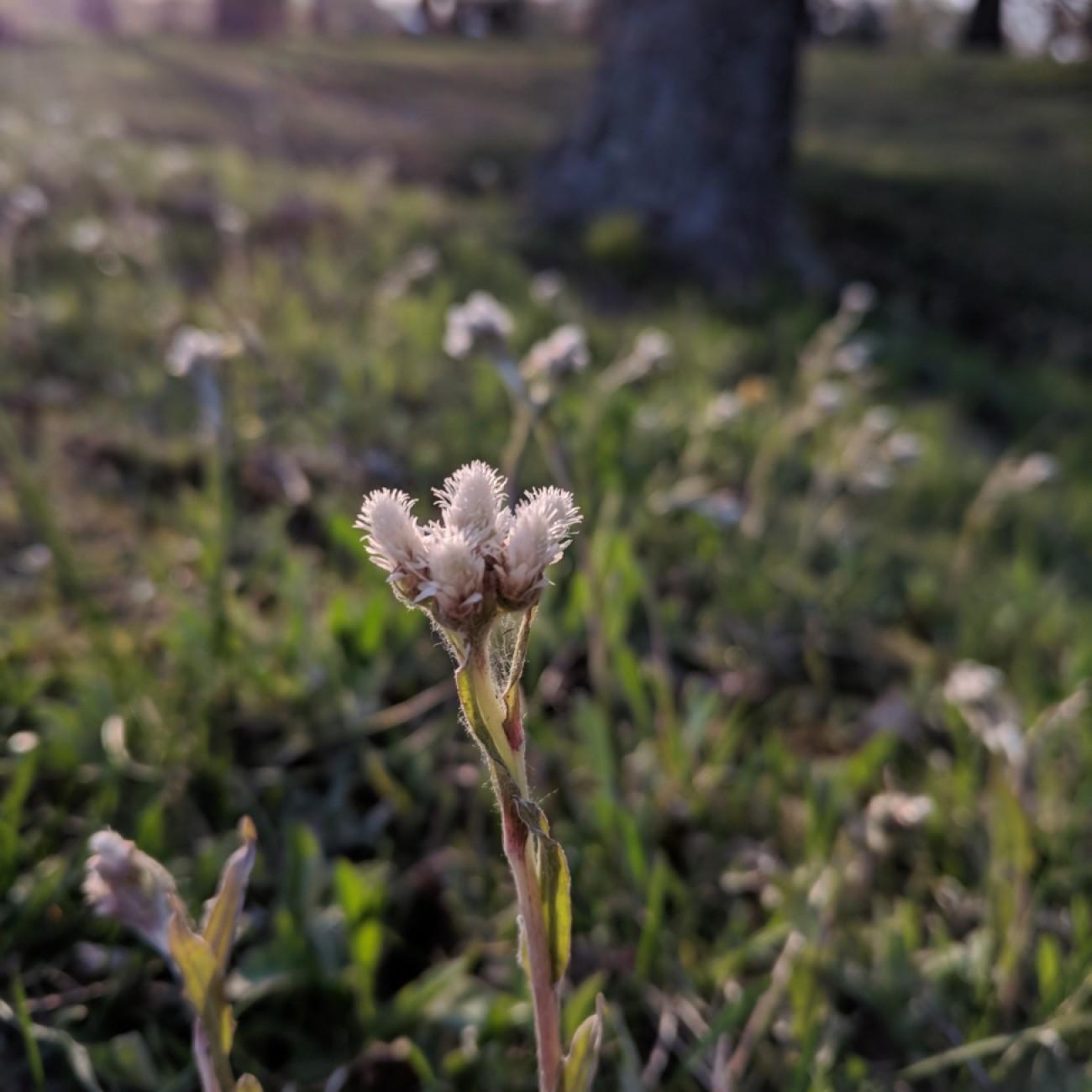
Howell's Pussytoes
Antennaria howellii
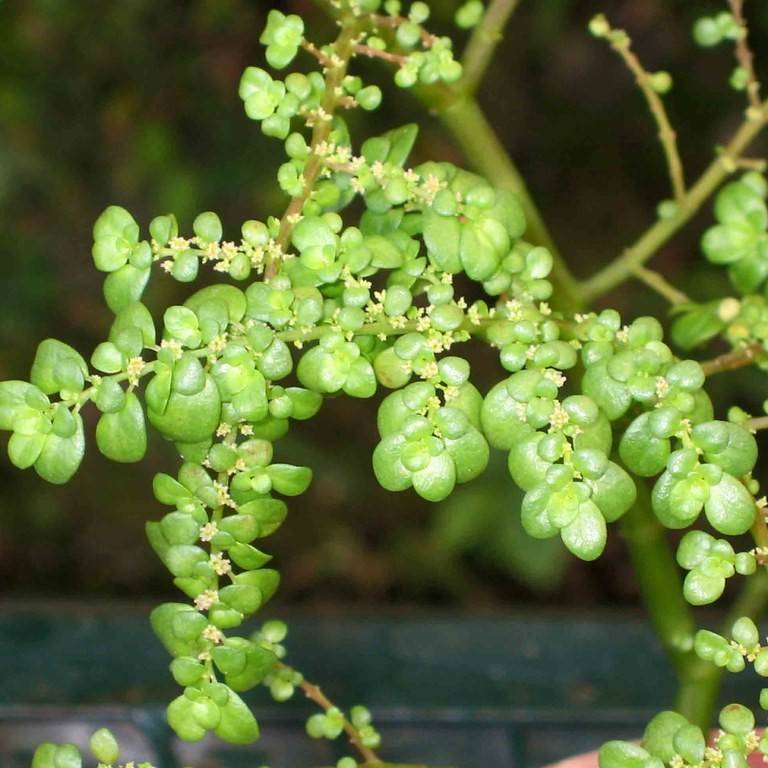
Artillery Plant
Pilea microphylla
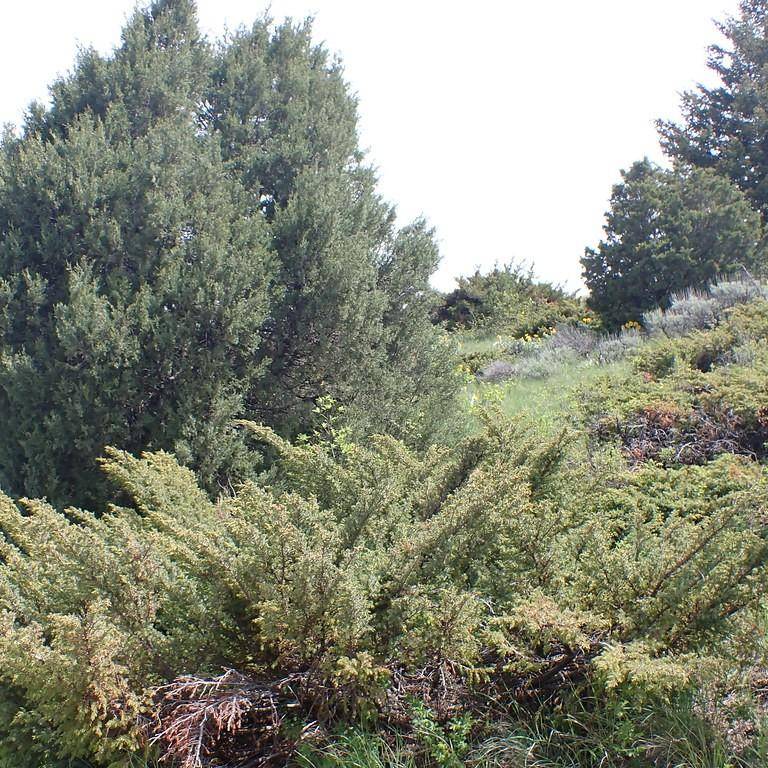
Creeping Juniper
Juniperus horizontalis
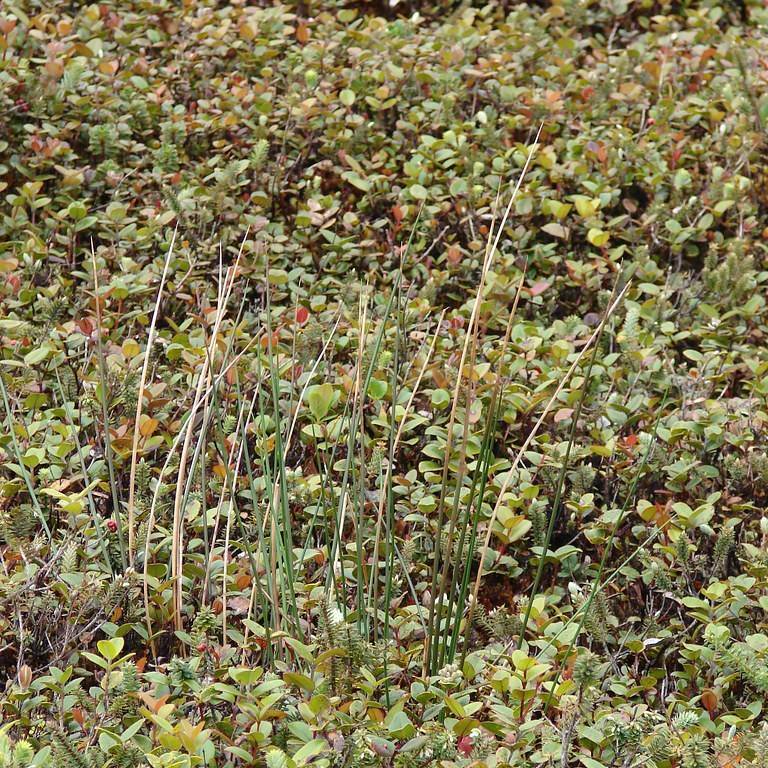
Dwarf Mat Rush
Lomandra confertifolia subsp. pallida 'Little Con'
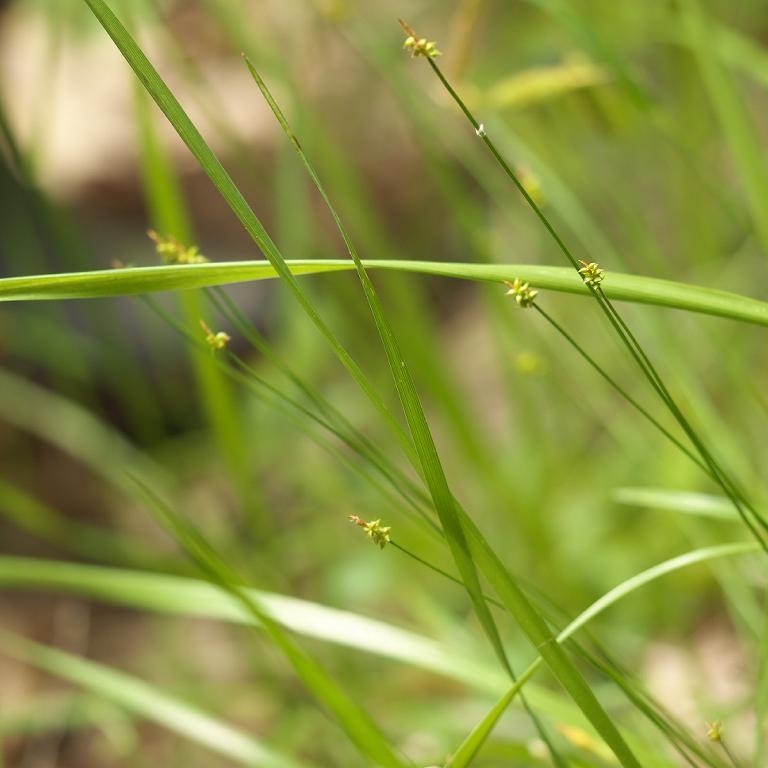
Appalachian Sedge
Carex appalachica
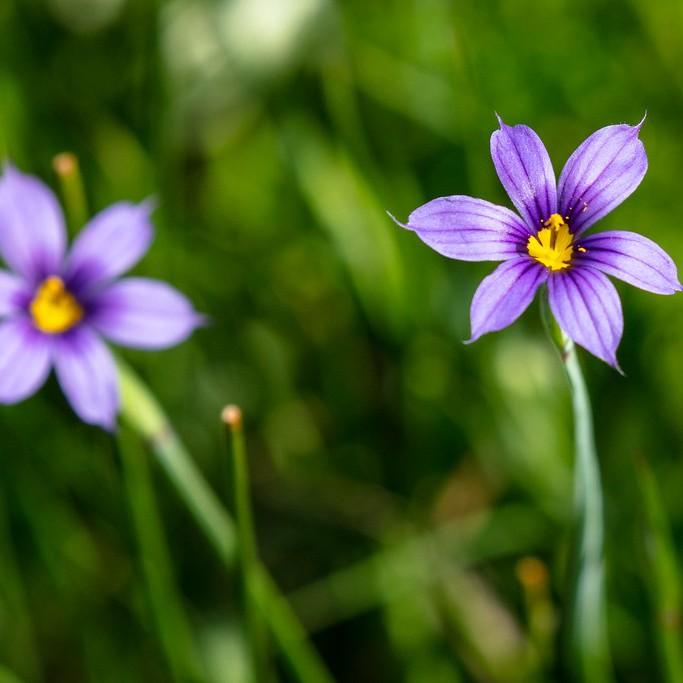
Blue Eyed Grass
Sisyrinchium campestre