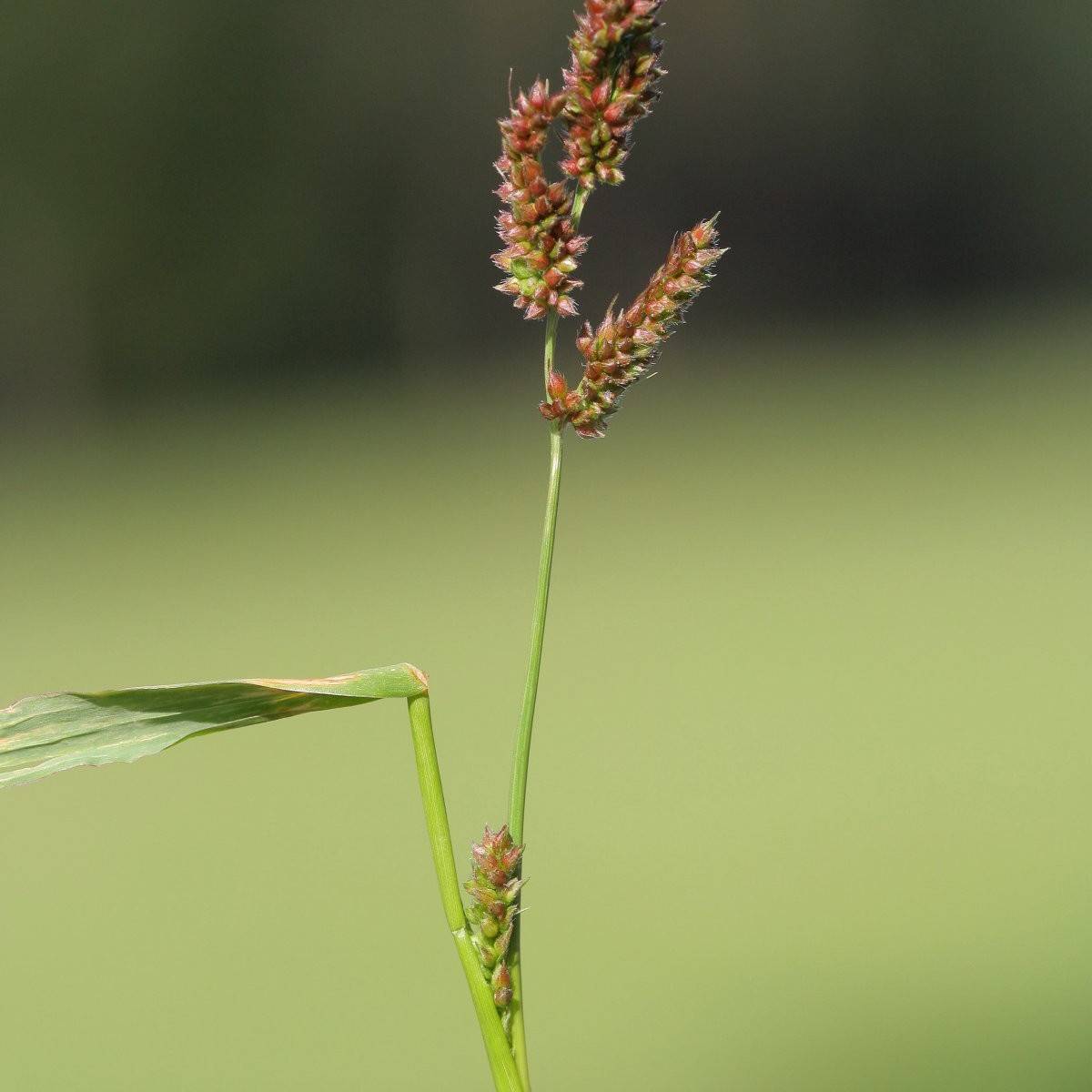
Host Sedge
Carex plantaginea
Overview
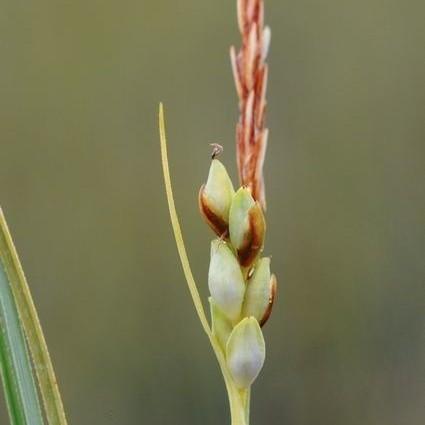
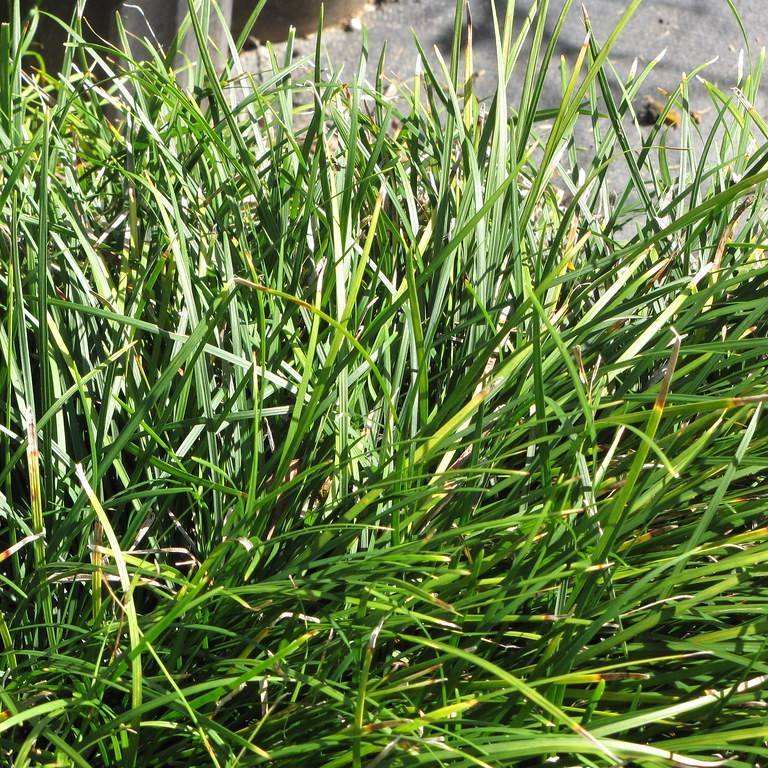
Host Sedge, also called seersucker sedge, is named for its wide, puckered, deep green leaves that bear a subtle resemblance to small hosta foliage, setting it apart from finer-textured sedge species. It is a clumping, cool-season evergreen sedge that retains its foliage through most of the year in mild climates, making it a valuable low-maintenance ground cover. Native to rich deciduous woodlands, stream banks, and moist slopes, it adapts well to cultivated shade gardens where it spreads slowly via short rhizomes without becoming aggressive.
Care Guide
Watering
Host Sedge prefers consistently moist, well-drained soil and should be watered regularly to keep the root zone from drying out, especially during periods of drought or when planted in sunnier locations. It tolerates occasional short-term flooding but will suffer if left in standing water for extended periods, particularly in winter. Established plants have mild drought tolerance, but foliage will crisp at the edges if moisture levels drop too low for long.
Light
This sedge thrives in partial to full shade, making it ideal for under tree canopies, north-facing garden beds, or shaded courtyard spaces. It can tolerate dappled morning sun, but intense midday or afternoon sun will scorch its foliage, causing brown edges and faded leaf color. In very cool northern climates, it may handle more direct sun if provided with ample moisture.
Soil
Host Sedge grows best in rich, loamy, slightly acidic soil with high organic matter content that retains moisture without becoming waterlogged. It adapts to a range of soil types including clay, silt, and sandy loam, as long as organic amendments are added to improve moisture retention and nutrient density. It tolerates neutral pH levels but struggles in highly alkaline or compacted soils.
Fertilizer
Host Sedge has low fertilizer needs and typically thrives with an annual topdressing of compost or well-rotted leaf mold applied in early spring, which mimics its natural woodland habitat. If growth is stunted or foliage appears pale, a balanced, slow-release 10-10-10 fertilizer can be applied sparingly at half the recommended rate in early spring, avoiding direct contact with the crown of the plant. Excessive fertilization will cause lanky, weak growth and may make the plant more susceptible to pest damage.
Temperature
Host Sedge is hardy in USDA zones 3 to 8, tolerating winter temperatures as low as -40°F (-40°C) without protection. It is a cool-season grower, putting on most of its new foliage in spring and fall when temperatures are between 50 and 75°F (10 and 24°C), and may go semi-dormant during extended periods of summer heat above 90°F (32°C). Mild winter temperatures in its southern growing range allow it to remain evergreen, while in colder northern zones foliage may die back to the ground and re-emerge in early spring.
Pruning
Pruning needs are minimal for Host Sedge; old, brown, or damaged foliage can be trimmed away in late winter or early spring before new growth emerges to keep the clump looking tidy. If foliage becomes tattered after a harsh winter or extended heatwave, the entire clump can be cut back to 2-3 inches (5-7.5 cm) above the soil line in early spring, and it will quickly regrow fresh, healthy leaves. Avoid pruning during active summer growth, as this can stress the plant and slow its spread.
Propagation
Host Sedge is most easily propagated by division in early spring or late fall, when the plant is not in active summer growth. Dig up the entire clump, gently separate it into smaller sections with at least 3-5 healthy shoots and a portion of the root system each, and replant the divisions at the same depth they were growing, watering thoroughly to settle the soil. It can also be grown from seed sown directly outdoors in fall, as the seeds require a period of cold stratification to germinate, though seed-grown plants will take 2-3 years to reach mature size.
Humidity
Host Sedge prefers moderate to high humidity levels between 40 and 70%, which aligns with its native woodland habitat where it is protected from drying winds. It tolerates average household humidity if grown as a houseplant, but foliage may develop brown edges if exposed to constant dry air from heating vents or air conditioners. Outdoor plants benefit from a layer of organic mulch around the base to retain soil moisture and boost local humidity around the root zone.
Repotting
When grown in containers, Host Sedge should be repotted every 2-3 years in early spring, or when roots begin to grow out of the drainage holes and the plant becomes root-bound. Use a well-draining potting mix high in organic matter, such as a blend of peat moss, perlite, and compost, and choose a pot that is 1-2 inches (2.5-5 cm) larger in diameter than the current container to give the roots room to spread. After repotting, water thoroughly and keep the plant in shaded conditions for a week to reduce transplant shock.
Uses & Symbolism
Host Sedge is widely used as a low-maintenance, deer-resistant ground cover in shade gardens, woodland plantings, rain gardens, and along the edges of water features, where its broad foliage provides textural contrast to ferns, astilbes, and bleeding hearts. It is also a valuable native plant for supporting local ecosystems, providing cover for small amphibians and insects, and its seeds are a food source for songbirds and small mammals. Its tolerance of deep shade and dry soil under mature trees makes it a popular alternative to non-invasive ground covers where lawn grass will not grow.
Diseases & Pests
Host Sedge is largely pest and disease resistant, though it can develop fungal leaf spot or rust in overly wet, poorly ventilated conditions, which can be managed by improving air circulation around plants and avoiding overhead watering. In very dry conditions, spider mites and aphids may infest foliage, causing stippling or distorted growth, which can be treated with insecticidal soap or a strong spray of water to dislodge the pests. Root rot may occur if the plant is grown in heavy, waterlogged soil for extended periods, so proper drainage is critical to prevent this issue.
Related plants
Other plants you might like if you grow Host Sedge.