Bayberry
Myrica pensylvanica
Overview
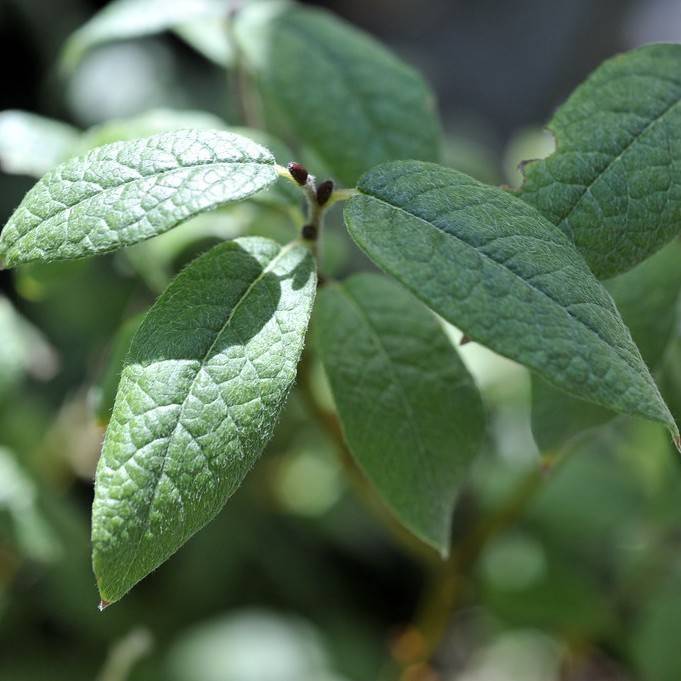
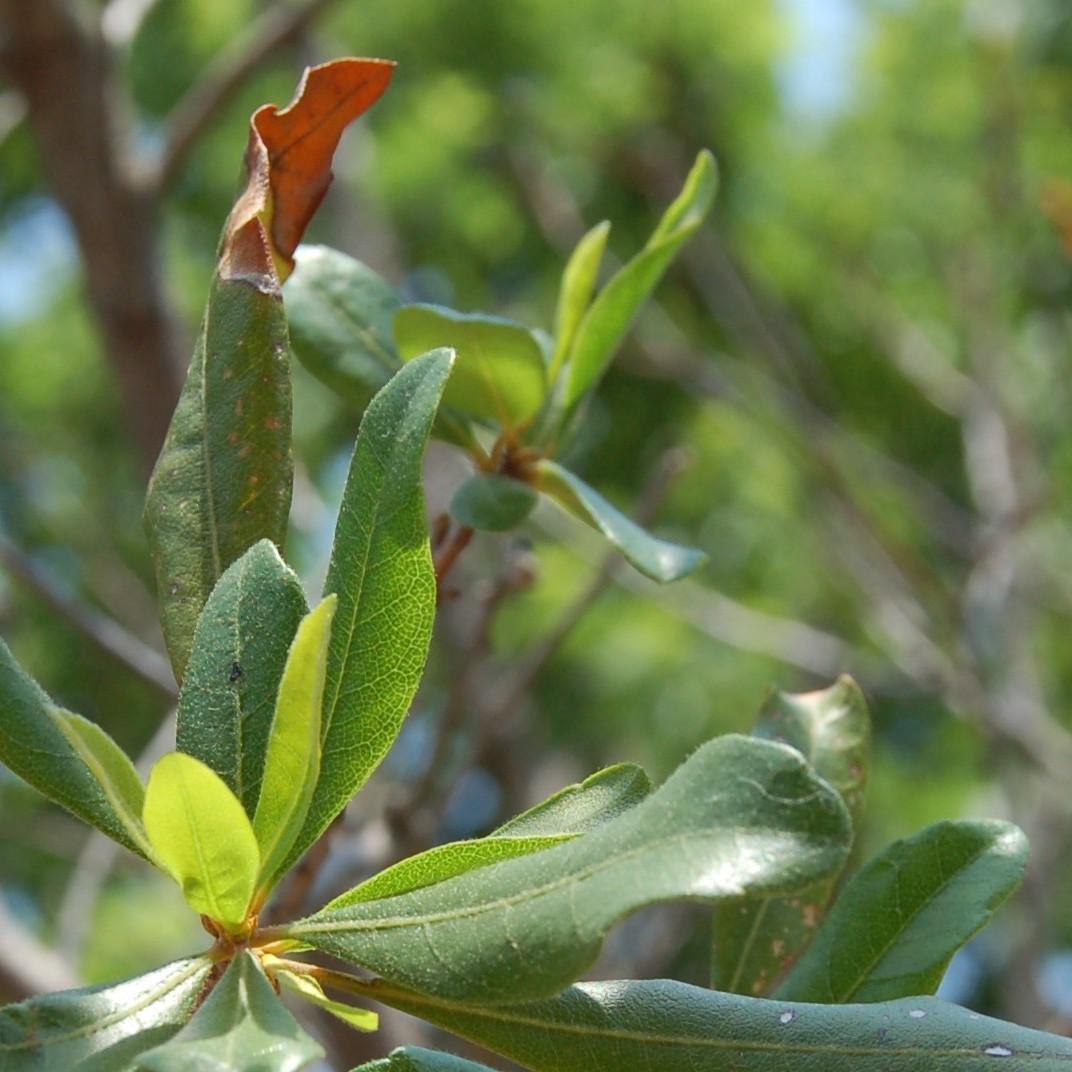
Bayberry is a dense, rounded deciduous shrub known for its leathery, fragrant dark green leaves and distinctive clusters of matte gray, wax-coated berries that persist through winter. It is dioecious, meaning male and female flowers grow on separate plants; only female specimens produce berries when pollinated by a nearby male. Adapted to harsh coastal and sandy environments, it fixes nitrogen in its root nodules, allowing it to thrive in poor, low-nutrient soils that many other plants cannot tolerate.
Care Guide
Watering
Bayberry is highly drought tolerant once established, requiring only occasional deep watering during extended periods of no rainfall, especially in its first 1-2 years of growth. Avoid overwatering, as it is highly susceptible to root rot in waterlogged or consistently soggy soil conditions. Container-grown specimens should be watered only when the top 2-3 inches of soil feel completely dry to the touch.
Light
Bayberry performs best in full sun, which encourages the densest foliage growth and maximum berry production on female plants. It can tolerate partial shade, though shaded plants will have sparser growth and produce far fewer or no berries. Avoid planting in full deep shade, as this can lead to leggy, weak growth and increased susceptibility to fungal diseases.
Soil
This shrub adapts to a wide range of soil types, including sandy, gravelly, acidic, and even low-nutrient coastal soils where many other plants struggle to survive. It prefers well-drained, acidic to neutral soil with a pH range of 4.0 to 6.5, and will not thrive in heavy, clay soils that retain excess moisture. It does not require rich or amended soil, as its root nodules fix atmospheric nitrogen to support its growth in poor substrates.
Fertilizer
Bayberry rarely requires fertilization, as it is adapted to low-nutrient soils and can produce its own usable nitrogen via symbiotic root bacteria. If growth appears extremely stunted, a light application of a balanced, slow-release, acidic fertilizer can be applied in early spring before new growth emerges. Avoid high-nitrogen fertilizers, as these can promote excessive leaf growth at the expense of berry production on female plants.
Temperature
Bayberry is extremely cold hardy, tolerating winter temperatures as low as -30°F (-34°C), suitable for USDA hardiness zones 3 through 7. It thrives in a wide range of summer temperatures, even tolerating high heat and humidity common in its native eastern North American range. Young plants may benefit from a light layer of winter mulch to protect their root systems from extreme temperature fluctuations in their first 1-2 years.
Pruning
Prune bayberry in late winter or early spring before new growth begins to shape the shrub, remove dead, damaged, or crossing branches, and encourage denser foliage. It tolerates heavy pruning well, and can even be cut back almost to ground level every few years to rejuvenate older, overgrown specimens. Avoid pruning after mid-summer, as this can remove developing berry buds on female plants, reducing the winter berry display.
Propagation
Bayberry is most commonly propagated from seed, which requires a 3-month period of cold stratification to break dormancy before sowing in spring. Semi-hardwood cuttings taken in mid to late summer can also be rooted, though they have a relatively low success rate and may require rooting hormone and consistent moisture to establish. Suckers that grow from the root system of established plants can be dug up and transplanted in early spring or late fall for easy clonal propagation.
Humidity
Bayberry adapts well to a wide range of humidity levels, tolerating both the dry air of inland regions and the high salt and humidity of coastal environments. It has no specific humidity requirements when grown outdoors, thriving in average ambient humidity levels across its hardiness range. Indoor-grown specimens (rare) will tolerate standard household humidity, though they may benefit from occasional misting in very dry indoor environments.
Repotting
Bayberry is rarely grown in containers long-term, as it develops an extensive, deep root system that prefers to spread freely in the ground. If grown in a container, repot every 2-3 years in early spring, moving to a pot one size larger with well-drained, acidic sandy potting mix to prevent root rot. Ensure the container has ample drainage holes, and avoid using heavy, moisture-retentive potting mixes that can cause root damage.
Uses & Symbolism
The waxy coating of bayberry berries is traditionally harvested and melted down to make fragrant, long-burning bayberry candles, a popular holiday craft in eastern North America. The leaves and berries have a long history of use in traditional herbal medicine for treating sore throats, digestive issues, and congestion, though medicinal use should be done under professional guidance. It is also widely planted as an ornamental landscaping shrub for erosion control, wildlife habitat (its berries are a critical winter food source for songbirds), and its attractive winter berry display.
Diseases & Pests
Bayberry is largely pest and disease resistant, though it can occasionally suffer from leaf spot, rust, or powdery mildew in areas with poor air circulation or consistently wet, humid conditions. Root rot is the most serious issue, occurring when plants are grown in poorly drained, waterlogged soil, which can quickly kill the shrub. Rare insect pests include scale, aphids, and bayberry psylla, which can be controlled with horticultural oil or insecticidal soap if infestations become severe.
Related plants
Other plants you might like if you grow Bayberry.