Eggplant
Solanum melongena
Overview
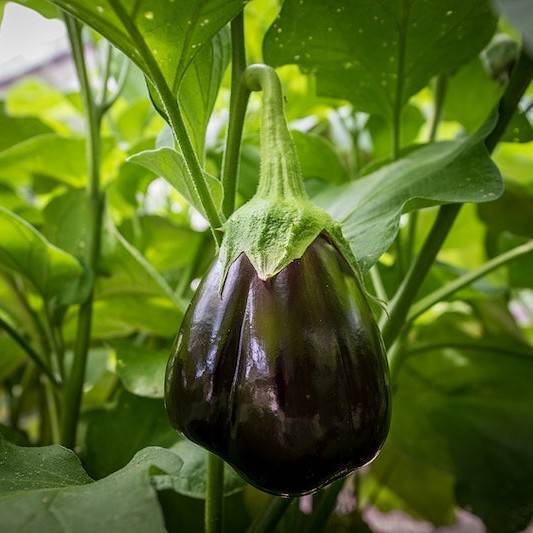
Eggplant is a warm-loving solanaceous crop closely related to tomatoes, peppers, and potatoes, cultivated for over 4,000 years in its native South Asian range before spreading to the Middle East, Mediterranean, and eventually the Americas. Its fruits vary widely in size, shape, and color across cultivars, from the classic large dark purple oval types to small white round varieties that gave the plant its common English name. Though botanically classified as a berry, eggplant is treated as a culinary vegetable valued for its mild, earthy flavor and spongy texture that absorbs sauces and seasonings well.
Care Guide
Watering
Eggplants require consistent, deep watering to support steady fruit development, with 1-2 inches of water per week applied directly to the root zone to avoid wetting foliage. Allow the top 1-2 inches of soil to dry out slightly between waterings to prevent root rot, and increase frequency during periods of extreme heat or drought. Avoid overwatering in cool, cloudy conditions, as excess moisture can stunt growth and increase susceptibility to fungal diseases.
Light
Eggplants need full, direct sunlight for a minimum of 6-8 hours per day to produce abundant, healthy foliage and fruit. Insufficient light leads to leggy growth, reduced flowering, and small, underdeveloped fruits, so choose a planting site with unobstructed southern exposure if growing in temperate regions. For indoor or container cultivation, use high-output grow lights to supplement natural light during short, dark winter months.
Soil
Eggplants thrive in well-draining, loamy soil rich in organic matter with a pH range of 5.5 to 7.0. Amend heavy clay or sandy soils with compost, aged manure, or leaf mold prior to planting to improve nutrient content and drainage, and avoid waterlogged soils that can cause root rot. Raised beds are ideal for gardeners with poor native soil, as they allow for full control over soil composition and drainage.
Fertilizer
Apply a balanced, slow-release 10-10-10 fertilizer at planting time to provide foundational nutrients for early vegetative growth. Once plants begin to flower and set fruit, switch to a fertilizer higher in potassium and phosphorus, such as a 5-10-10 blend, applied every 2-3 weeks to support fruit development. Avoid over-fertilizing with nitrogen, as this encourages excessive leaf growth at the expense of flower and fruit production.
Temperature
Eggplants are highly sensitive to cold and frost, requiring consistent warm temperatures between 70–85°F (21–29°C) for optimal growth and fruiting. Soil temperatures should be at least 60°F (16°C) before transplanting seedlings outdoors, and plants will stop growing if temperatures drop below 55°F (13°C) or rise above 95°F (35°C) for extended periods. In cooler climates, use black plastic mulch to warm soil earlier in the season and row covers to protect young plants from unexpected cold snaps.
Pruning
Pinch off the top growing tip when plants reach 12-18 inches tall to encourage bushier, more branched growth that supports heavier fruit loads. Remove any yellowed, damaged, or lower leaves that touch the soil to improve air circulation and reduce the risk of fungal disease transmission. For larger cultivars, prune excess suckers (small shoots growing between main stems and leaf branches) to focus the plant’s energy on fewer, larger fruits, and use stakes or cages to support heavy fruit-laden branches to prevent breakage.
Propagation
Eggplants are most commonly propagated from seed, sown indoors 8-10 weeks before the last expected frost date in your region to give plants a long enough growing season to mature fruit. Sow seeds ¼ inch deep in sterile seed-starting mix, keeping the medium consistently moist and at a temperature of 75–85°F (24–29°C) to encourage germination, which typically occurs in 7-14 days. Transplant seedlings outdoors only after all risk of frost has passed and soil temperatures have warmed sufficiently, hardening off plants over 7-10 days to reduce transplant shock.
Humidity
Eggplants prefer moderate humidity levels between 50-70% for optimal growth, though they can tolerate slightly drier conditions once established. High humidity above 80% combined with warm temperatures increases the risk of fungal diseases like powdery mildew and blossom end rot, so ensure plants have adequate spacing for air circulation to reduce moisture buildup on foliage. In extremely dry conditions, misting the surrounding air (not the leaves directly) can help raise humidity to acceptable levels for young plants.
Repotting
For container-grown eggplants, start seedlings in 4-inch pots, then repot into a minimum 5-gallon container once they have 3-4 true leaves and are ready for outdoor placement. Use a well-draining potting mix amended with compost, and ensure the container has multiple drainage holes to prevent waterlogging. Repotting is not necessary for in-ground plants, but container-grown specimens may require a larger pot if roots begin to grow out of the drainage holes or growth becomes stunted mid-season.
Uses & Symbolism
Eggplant is a staple culinary vegetable in cuisines around the world, featured in iconic dishes such as Italian eggplant parmesan, Middle Eastern baba ganoush, Indian baingan bharta, and Greek moussaka, with its spongy texture making it ideal for absorbing sauces, spices, and marinades. It is a low-calorie, nutrient-dense food rich in dietary fiber, antioxidants (particularly nasunin, a purple pigment linked to cellular health), vitamin K, and B vitamins, making it a popular choice for plant-based diets. In some regions, small, ornamental eggplant varieties are grown for their colorful, decorative fruits, though these are often more bitter and less palatable than culinary cultivars.
Diseases & Pests
Eggplants are susceptible to a range of common solanaceous pests, including aphids, spider mites, whiteflies, and flea beetles, which can damage foliage and reduce fruit yield if left untreated; regular monitoring, neem oil applications, and insecticidal soap are effective organic control methods. Fungal diseases such as verticillium wilt, fusarium wilt, powdery mildew, and early blight are common in warm, humid conditions, and can be prevented by rotating crops annually, avoiding overhead watering, and planting disease-resistant cultivars. Blossom end rot, a physiological disorder caused by inconsistent watering or calcium deficiency, leads to dark, sunken spots on the bottom of developing fruits, and can be mitigated by maintaining consistent soil moisture and amending soil with calcium if needed.
Related plants
Other plants you might like if you grow Eggplant.