Corn
Zea mays
Overview
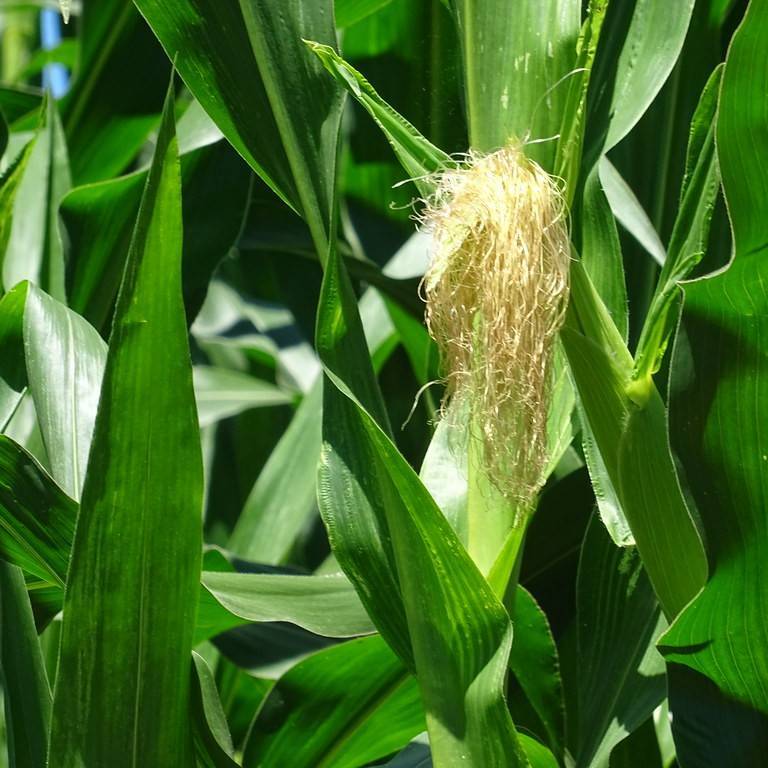
Corn, also called maize, is one of the world’s most widely grown cereal crops, domesticated over 9,000 years ago from the wild grass teosinte in Mesoamerica. It produces tall, fibrous stalks lined with broad, arching leaves, with female inflorescences developing into edible ears filled with rows of plump kernels in shades of yellow, white, red, blue, or purple. Cultivars range from sweet corn grown for fresh consumption to field corn used for livestock feed, ethanol production, and processed food ingredients.
Care Guide
Watering
Corn requires consistent, deep watering, especially during tasseling, silking, and ear development stages, to prevent stunted growth and poor kernel fill. Provide 1 to 1.5 inches of water per week, avoiding shallow, frequent watering that weakens root development. Reduce watering as ears approach maturity to prevent kernel rot and encourage proper ripening.
Light
Corn requires full, direct sunlight for a minimum of 6 to 8 hours per day to support robust stalk growth and maximum yield. Plant in open, unshaded areas to ensure even light access across all plants, as shaded corn will grow thin, leggy stalks and produce small, underdeveloped ears. Avoid planting near taller structures or trees that will block sunlight during peak growing hours.
Soil
Corn thrives in fertile, well-drained loamy soil with a pH between 6.0 and 6.8, rich in organic matter to support its heavy nutrient demands. Work 2 to 4 inches of compost or well-rotted manure into the top 12 inches of soil before planting to improve fertility and structure. Avoid heavy, waterlogged clay soils that can cause root rot and stunt early seedling growth.
Fertilizer
Corn is a heavy feeder, requiring nitrogen-rich fertilizer to support its rapid vegetative growth and ear development. Apply a balanced 10-10-10 fertilizer at planting time, then side-dress with a high-nitrogen fertilizer such as blood meal or urea when stalks reach 12 inches tall and again when tassels first emerge. Avoid over-fertilizing with phosphorus or potassium, as excess levels can reduce nutrient uptake and yield.
Temperature
Corn is a warm-season crop that grows best in air temperatures between 60°F and 95°F (15°C to 35°C), with soil temperatures of at least 60°F (15°C) required for successful seed germination. Frost will kill young seedlings and damage mature plants, so plant seeds only after all risk of frost has passed in the spring. Extended periods of temperatures above 95°F (35°C) during pollination can reduce kernel set and yield.
Pruning
Corn requires minimal pruning, though removing suckers (small side shoots that grow at the base of main stalks) can redirect energy to the main stalk and improve ear development. Avoid removing healthy upper leaves, as they are critical for photosynthesis and feeding the developing ears. Remove any diseased or yellowed lower leaves to improve air circulation and reduce fungal disease risk.
Propagation
Corn is exclusively propagated from seed, planted directly in the garden after the last frost date when soil temperatures are consistently above 60°F (15°C). Plant seeds 1 to 2 inches deep, spaced 8 to 12 inches apart in blocks of at least 4 rows rather than single long rows to ensure effective wind pollination, as poor pollination results in ears with sparse, missing kernels. For extended harvests, plant successive batches of seeds every 2 to 3 weeks through early summer.
Humidity
Corn grows well in moderate humidity levels between 40% and 70%, which supports healthy pollination and kernel development. High humidity combined with poor air circulation increases the risk of fungal diseases such as corn smut and northern corn leaf blight. Very low humidity during pollination can dry out silks prematurely, preventing successful fertilization and reducing kernel count.
Repotting
Corn is almost exclusively grown outdoors in garden beds, so repotting is rarely required for standard cultivation. If grown in large containers for small-space gardening, select pots at least 5 gallons in size, and avoid transplanting once stalks are established, as corn has a fragile, deep root system that is easily damaged during repotting. Container-grown corn may need to be moved to larger pots only if roots begin to emerge from drainage holes early in the growing season.
Uses & Symbolism
Sweet corn varieties are harvested immature and eaten fresh, boiled, grilled, or canned as a popular vegetable, while dried field corn is used for livestock feed, ethanol biofuel production, and processed ingredients including cornmeal, corn syrup, cornstarch, and tortillas. Specialty varieties such as popcorn are grown for their unique ability to pop when heated, and ornamental corn with multicolored kernels is used for fall decorative displays. Corn also has cultural significance in many Indigenous Mesoamerican and North American communities as a sacred staple crop.
Diseases & Pests
Common fungal diseases affecting corn include corn smut, which forms swollen, gray galls on ears and stalks, northern corn leaf blight, which causes elongated brown lesions on leaves, and root rot, which occurs in waterlogged soil. Common pests include corn earworms, which feed on the tips of developing ears, corn borers, which tunnel into stalks, and aphids, which suck sap from leaves and spread viral diseases. Rotating crops annually, providing adequate spacing for air circulation, and using pest-resistant cultivars can reduce the risk of most common diseases and pest infestations.
Guides that mention Corn
Related plants
Other plants you might like if you grow Corn.