Burdock
Arctium lappa
Overview
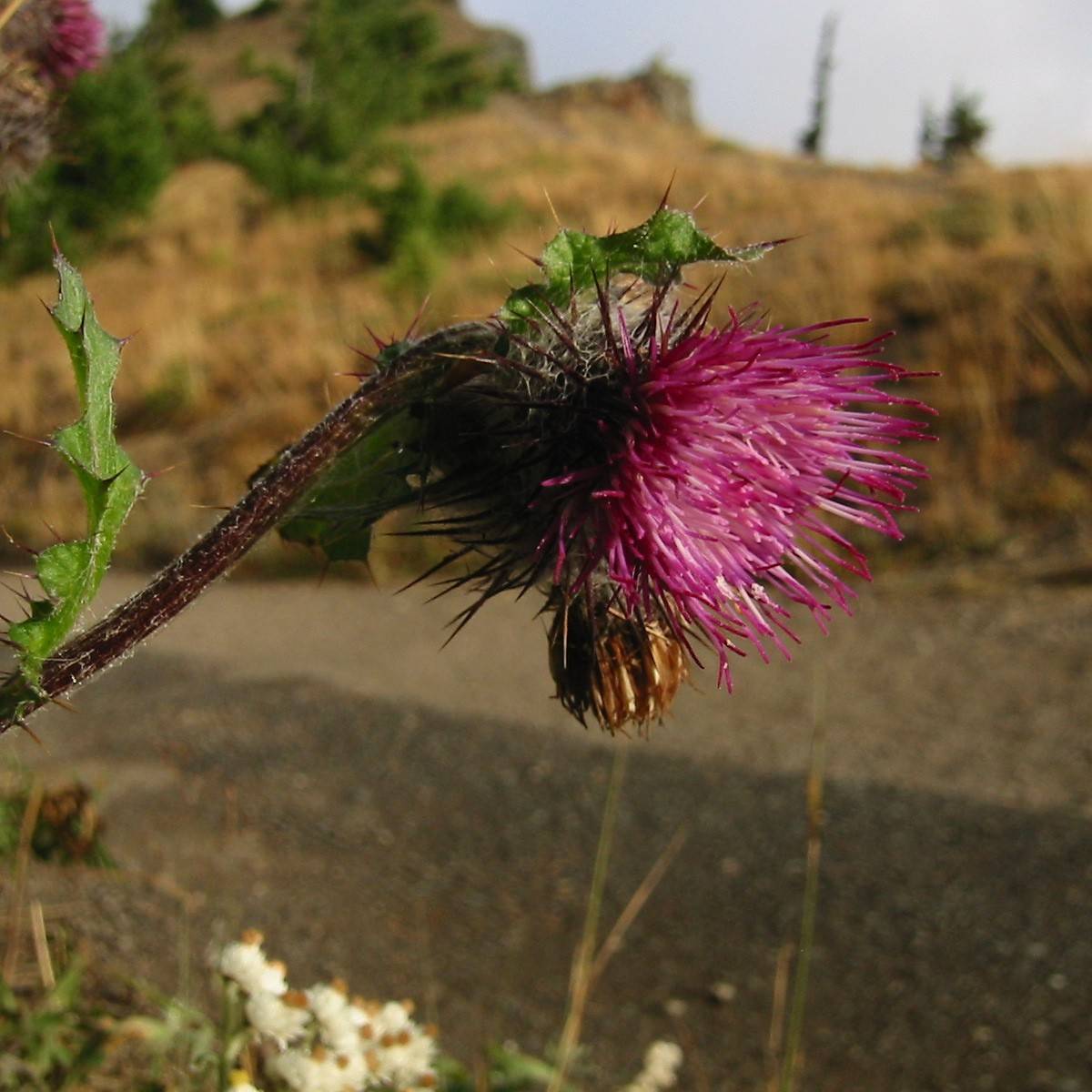
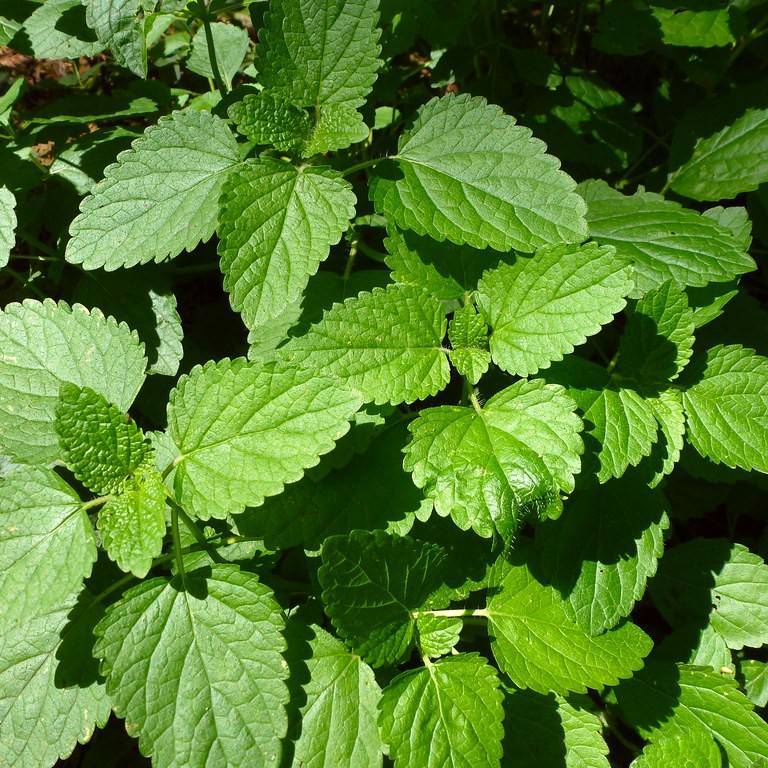
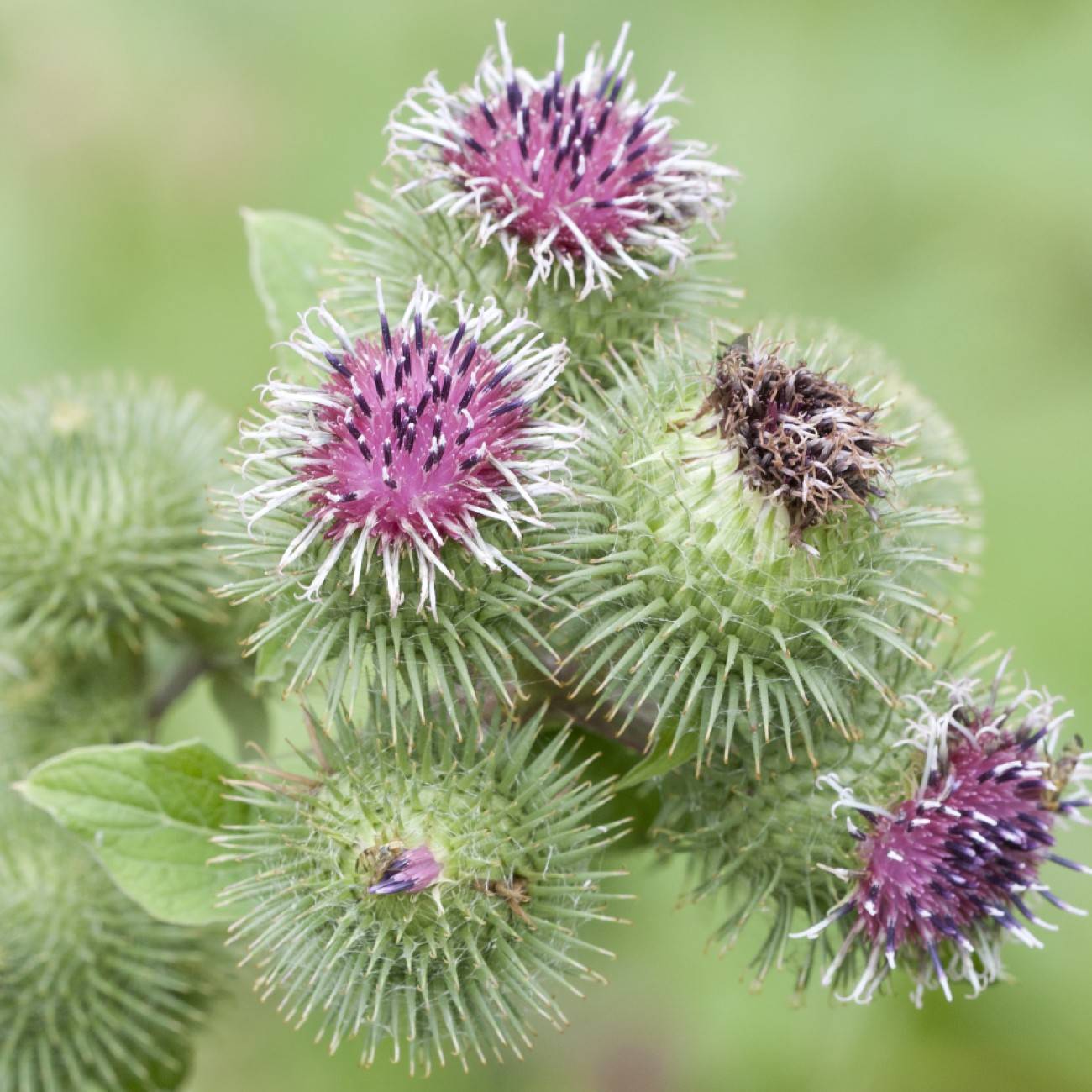
Burdock is a robust biennial that forms a low rosette of large, wavy-edged, heart-shaped leaves in its first growing season, before sending up tall, branching flower stalks in its second year. Its purple, thistle-like blooms appear in summer, maturing into hooked burrs that cling to clothing and animal fur to spread seeds. Cultivated globally both as a culinary vegetable and a medicinal herb, it often grows wild in disturbed areas, roadsides, and fields.
Care Guide
Watering
Burdock prefers consistently moist, well-drained soil, especially during root development in its first year; water deeply once or twice weekly, adjusting for rainfall to avoid waterlogged conditions. Once established, it has moderate drought tolerance, but prolonged dryness will result in tough, woody roots that are unpalatable for culinary use. Avoid overhead watering to reduce risk of foliar fungal diseases on its large, broad leaves.
Light
Burdock thrives in full sun, which promotes vigorous root growth and robust foliage development; it will tolerate partial shade, though growth may be slower and root yields reduced. For indoor cultivation, provide at least 6 hours of bright, direct light daily, supplemented with grow lights if natural light is insufficient. In extremely hot, arid climates, light afternoon shade can prevent leaf scorch during peak summer heat.
Soil
Burdock requires deep, loose, well-drained loamy or sandy soil with a pH between 5.0 and 7.0 to support the growth of its long, tapering edible roots. Heavy clay or rocky soils will cause roots to twist, fork, or become stunted, so amend compacted sites with compost or aged manure to a depth of at least 2 feet before planting. Avoid overly fertile soils high in nitrogen, as these encourage excessive leaf growth at the expense of root development.
Fertilizer
Burdock is a light feeder that rarely requires supplemental fertilization if planted in moderately fertile, organically amended soil. If growth is slow, apply a balanced, all-purpose organic fertilizer once at the start of the first growing season, before root development begins. Avoid high-nitrogen fertilizers, as these will promote lush leaf growth and reduce the size and quality of the edible taproot.
Temperature
Burdock is highly cold-hardy, tolerating temperatures as low as -30°F (-34°C) in its first year rosette stage, and thrives in temperate climates with average growing temperatures between 60°F and 80°F (15°C to 27°C). Seeds germinate best in soil temperatures between 65°F and 75°F (18°C to 24°C), usually sprouting within 1 to 2 weeks of sowing. High summer temperatures above 90°F (32°C) may cause temporary wilting, but plants will recover once temperatures cool if soil moisture is adequate.
Pruning
Pruning is rarely required for burdock, though you can remove damaged or yellowed lower leaves throughout the growing season to improve air circulation and reduce disease risk. If growing burdock for its edible roots, cut off flower stalks as soon as they emerge in the second year to redirect energy back to root growth, preventing the plant from going to seed prematurely. To control unwanted spread, remove burrs before they mature and disperse seeds, as burdock can become invasive in favorable conditions.
Propagation
Burdock is almost exclusively propagated from seed, sown directly in the garden 1 to 2 weeks before the last expected spring frost, or in late fall for overwintering and early spring germination. Sow seeds 1/4 to 1/2 inch deep, spaced 2 to 3 inches apart in rows 18 to 24 inches apart, and thin seedlings to 6 to 12 inches apart once they develop 2 to 3 true leaves to give roots room to expand. Seeds remain viable for up to 3 years, and plants will readily self-seed if allowed to mature and disperse burrs.
Humidity
Burdock adapts well to a wide range of humidity levels, thriving in average ambient humidity between 40% and 70% typical of its native temperate range. It tolerates both drier and more humid conditions, though high humidity combined with poor air circulation can increase the risk of powdery mildew and other foliar fungal diseases. For indoor cultivation, maintain average household humidity and avoid placing plants near overly dry heating vents that can cause leaf edges to brown.
Repotting
Burdock is rarely grown in containers due to its long taproot, which can reach 2 to 3 feet deep at maturity; if container growing is necessary, use a pot at least 3 feet deep with drainage holes to accommodate root growth. Repotting is not recommended for mature plants, as disturbing the taproot will often cause damage or kill the plant; sow seeds directly in the final container to avoid transplant shock. If transplanting young seedlings, do so when they are less than 3 inches tall, taking care not to damage the delicate developing taproot during the process.
Uses & Symbolism
Burdock root is a popular culinary vegetable in East Asian cuisine, often stir-fried, pickled, or added to soups and stews for its mild, earthy, slightly sweet flavor and crisp texture. It has a long history of use in traditional herbal medicine, where it is used as a diuretic, blood purifier, and topical treatment for skin conditions such as eczema, acne, and psoriasis. The young leaves and stems are also edible when cooked, and the plant's strong, fibrous roots are sometimes used to make natural dye.
Diseases & Pests
Burdock is relatively resistant to most pests and diseases, though it may be affected by powdery mildew, a fungal disease that forms white, powdery patches on leaves in humid, poorly ventilated conditions, which can be managed by improving air circulation and avoiding overhead watering. Root rot may occur in waterlogged, heavy clay soils, so ensure proper drainage and avoid overwatering to prevent this issue. Common pests include aphids and leaf miners, which can be controlled with insecticidal soap, neem oil, or by introducing beneficial predators such as ladybugs to the growing area.
Related plants
Other plants you might like if you grow Burdock.