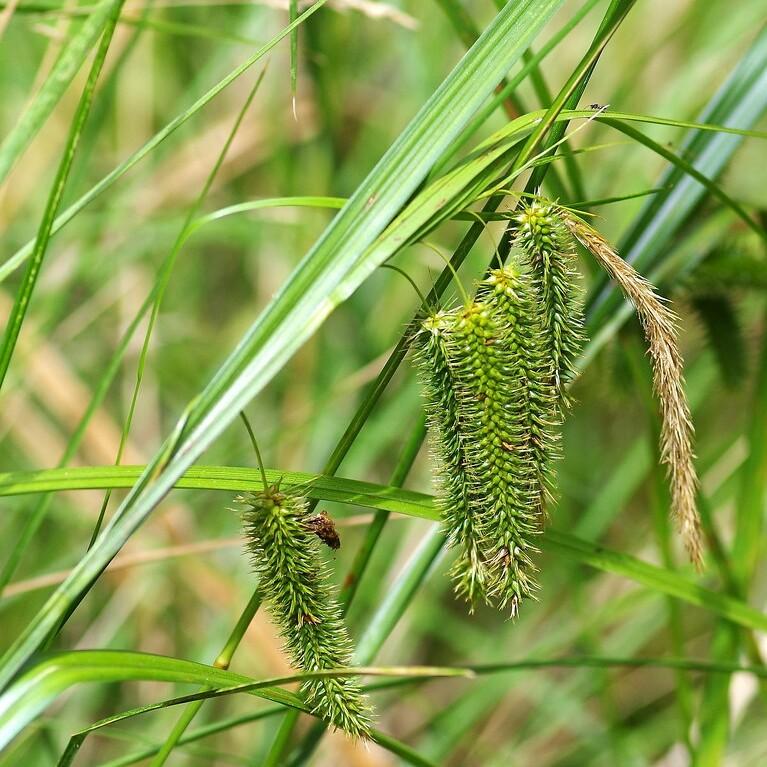
Drooping Sedge
Carex pendula
Overview
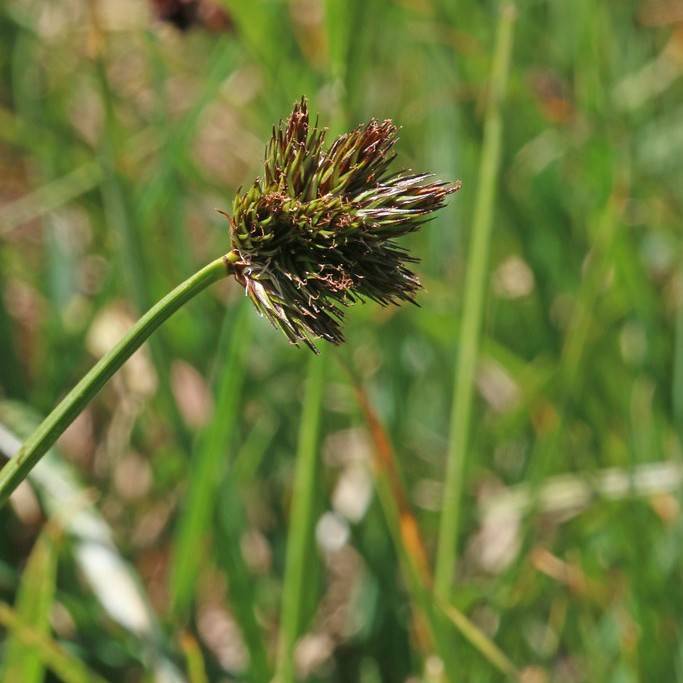
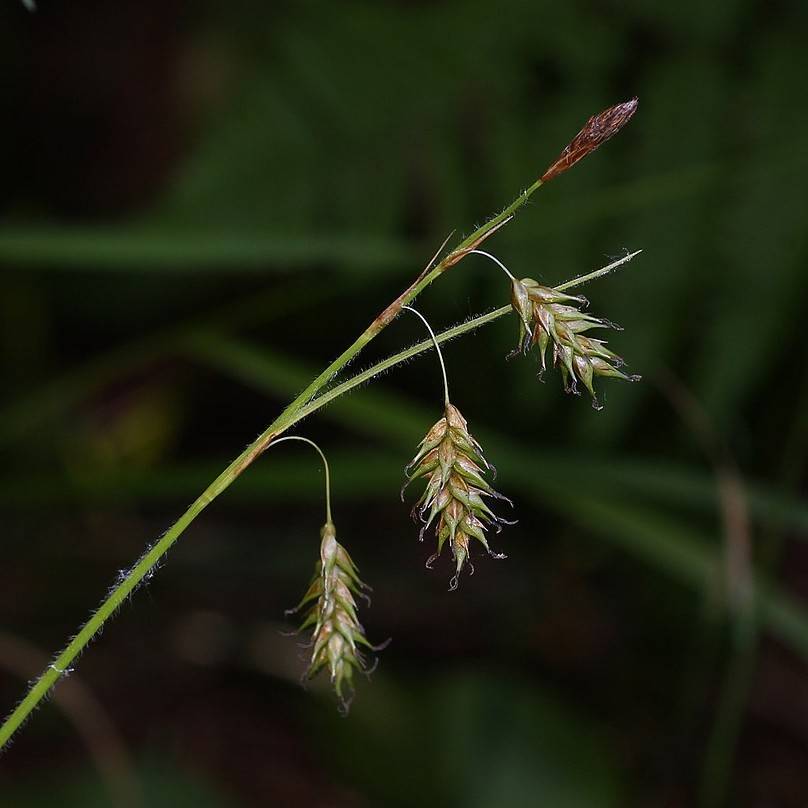
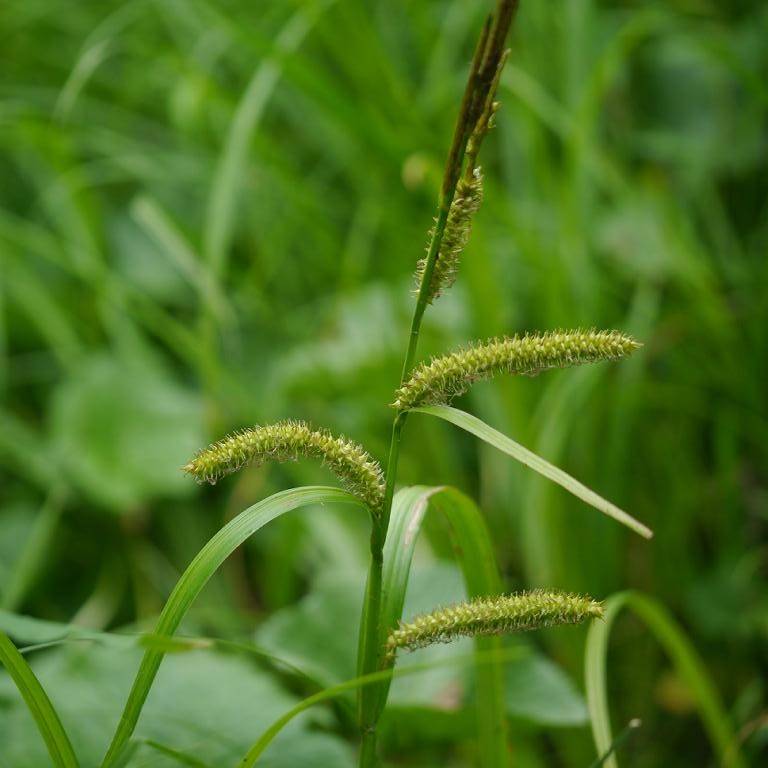
Drooping sedge, also called pendulous sedge, is a robust, evergreen clumping grass-like plant native to damp woodlands and stream banks across Europe and western Asia. It is distinguished by its long, arching bright green leaves and cascading, brownish-green flower spikes that appear in late spring, swaying gracefully in light wind. This adaptable plant thrives in difficult shaded, wet conditions where many other ornamental grasses struggle, making it a popular choice for naturalistic and rain garden designs.
Care Guide
Watering
Drooping sedge prefers consistently moist to wet soil, and tolerates periodic shallow flooding well. Water regularly to keep soil from drying out completely, especially during hot, dry summer periods; it is far more tolerant of overwatering than drought. Reduce watering frequency in winter when growth slows, but never let the root ball dry out entirely.
Light
Grows best in partial to full shade, mimicking its native woodland understory habitat. It can tolerate full sun only if planted in consistently moist, cool soil; extended direct sun in hot climates will scorch leaf tips and slow growth. Dappled shade under deciduous trees is the ideal light condition for optimal foliage and flower production.
Soil
Thrives in rich, loamy, moisture-retentive soil with a neutral to slightly acidic pH, but adapts to heavy clay soils that hold water well. It does not require fast-draining soil, unlike many ornamental grasses, and even performs well in areas that are seasonally waterlogged. Avoid sandy, fast-draining soils that cannot hold sufficient moisture for its roots.
Fertilizer
Drooping sedge is a light feeder that rarely requires supplemental fertilizer when planted in rich, organic soil. If grown in poor, low-nutrient soil, apply a balanced, slow-release granular fertilizer in early spring just as new growth emerges. Do not overfertilize, as this can cause overly floppy growth and reduce the plant’s natural graceful form.
Temperature
Hardy in USDA zones 5 to 9, tolerating winter temperatures as low as -20°F (-29°C) without significant damage. It prefers cool, mild growing conditions, and may go partially dormant in extended periods of heat above 90°F (32°C) if not kept sufficiently moist. Mild frosts do not harm its evergreen foliage, though harsh winter cold may cause outer leaves to brown.
Pruning
Minimal pruning is required for drooping sedge; simply cut back any brown, damaged, or dead foliage in late winter or early spring before new growth emerges. You can also trim off spent flower spikes after they fade in late summer if you prefer a neater appearance, though leaving them in place adds winter interest and provides food for small birds. Avoid cutting back the entire clump to the ground, as this can damage the evergreen central crown.
Propagation
The easiest method of propagation is division of mature clumps in early spring before new growth starts, or in early fall when temperatures cool. Dig up the entire root clump, split it into smaller sections with a sharp knife, each with a portion of the crown and healthy roots, then replant immediately at the same depth as the original plant. It can also be grown from seed sown directly in moist soil in fall or cold-stratified and sown indoors in spring, though seed-grown plants take 2-3 years to reach mature flowering size.
Humidity
Drooping sedge prefers moderate to high humidity levels, typical of its native streamside and woodland habitats. It tolerates average household humidity if grown as a container houseplant, but will benefit from occasional misting if indoor air is very dry in winter. Low humidity for extended periods may cause leaf tips to turn brown, but this is rarely fatal to the plant.
Repotting
When grown in containers, repot drooping sedge every 2-3 years in early spring, moving it to a pot one size larger when roots begin to grow out of the drainage holes. Use a rich, moisture-retentive potting mix, and ensure the container has adequate drainage holes to prevent standing water from rotting the crown. When repotting, you can divide the clump to create new plants if the original has outgrown its desired size.
Uses & Symbolism
Drooping sedge is widely used in rain gardens, shaded border edges, and along pond or stream margins where its moist soil preferences are easily met, and its cascading flower spikes add soft, graceful texture. It provides excellent erosion control on damp, sloped sites, and its evergreen foliage offers year-round ground cover in shaded areas. The cut flower spikes are also popular in fresh and dried floral arrangements for their unique drooping form.
Diseases & Pests
Drooping sedge is largely pest and disease resistant, with few common issues when grown in its preferred moist, shaded conditions. Overly dry, sunny sites may attract aphids and spider mites, which can be controlled with a strong spray of water or insecticidal soap. Root rot may occur if the plant’s crown is submerged in standing water for extended periods in cold winter temperatures, though it tolerates temporary flooding well during the growing season.
Related plants
Other plants you might like if you grow Drooping Sedge.