Eastwood's Birch
Betula eastwoodiae
Overview
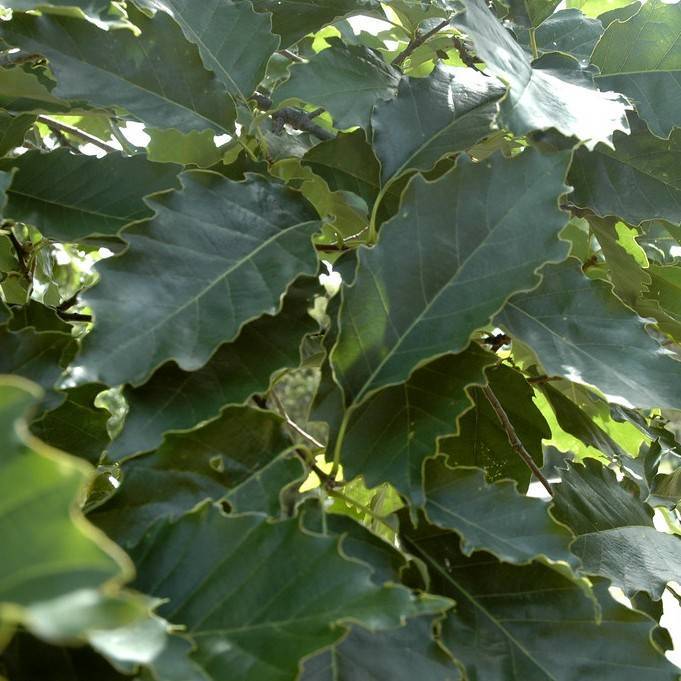
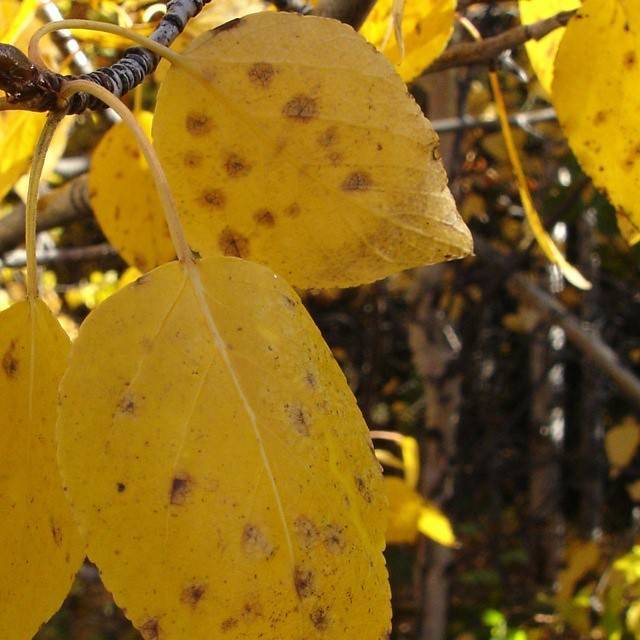
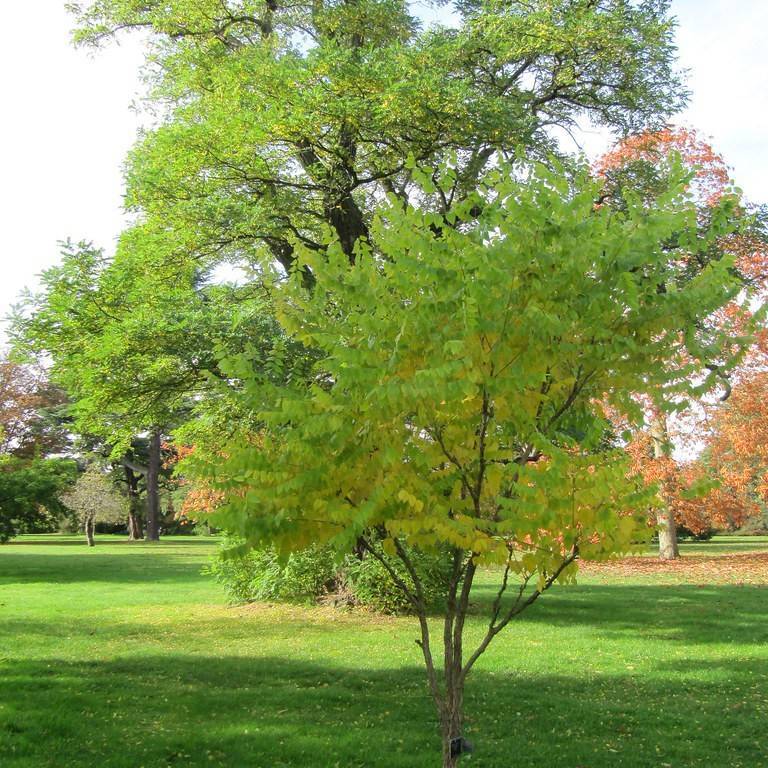
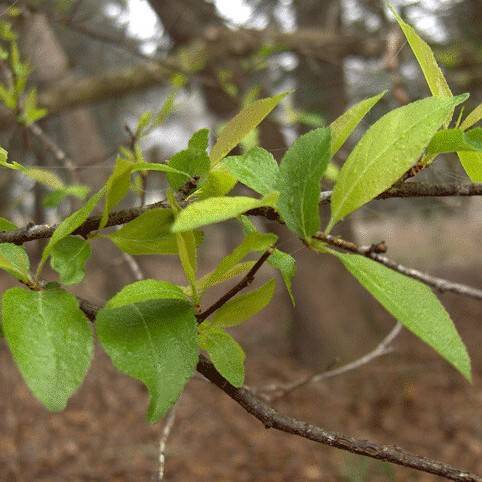
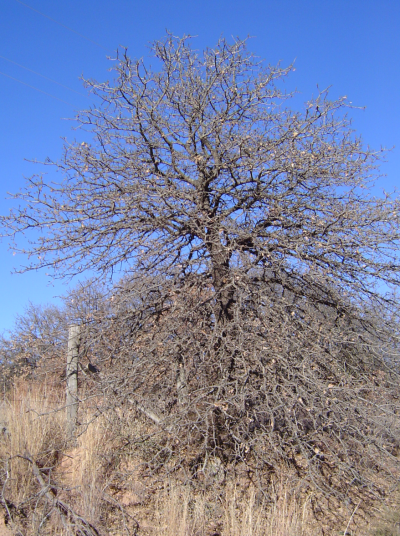
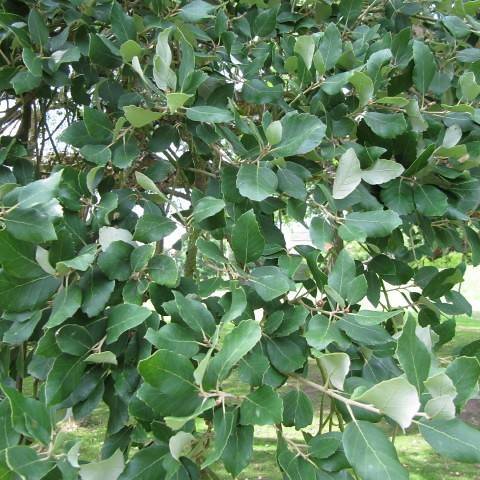
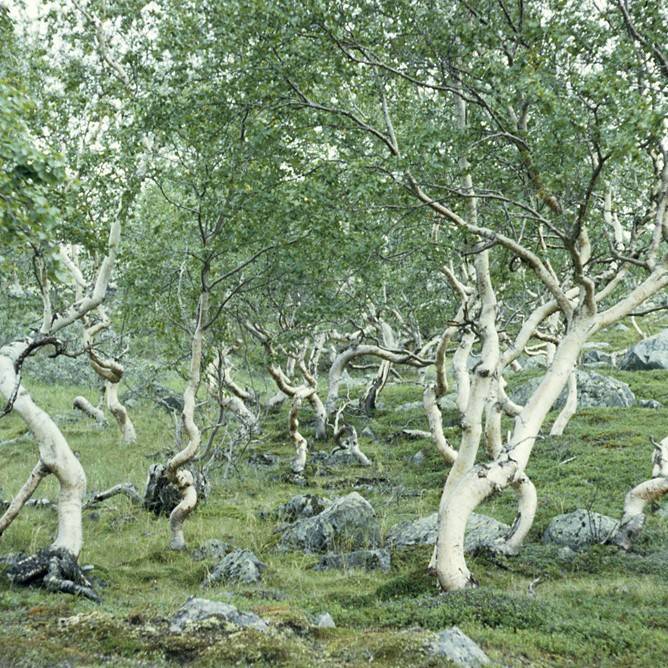
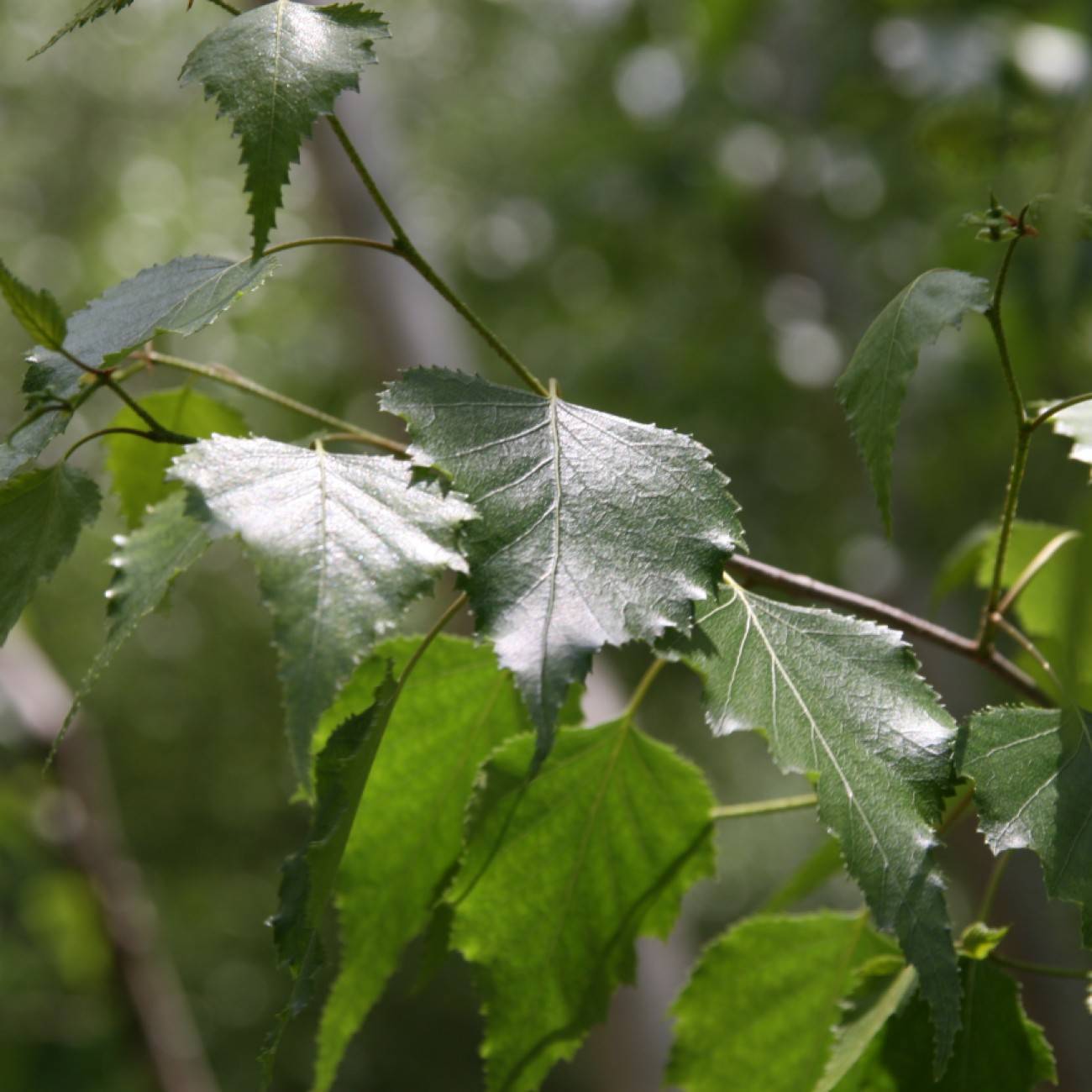
Eastwood's Birch is a hardy deciduous tree endemic to riparian zones, canyon slopes, and high-elevation dry areas of the American Southwest. It features smooth, exfoliating bark that ranges from reddish-brown to cinnamon-orange, paired with small, ovate, serrated green leaves that turn soft yellow in autumn. This species is far more drought-tolerant than most other birch varieties, making it a popular choice for water-wise landscaping in xeric regions.
Care Guide
Watering
Eastwood's Birch requires regular, deep watering during its first 2-3 years of establishment to develop a robust root system. Once mature, it is highly drought-tolerant, needing only occasional supplemental watering during extended dry spells to prevent leaf scorch. Avoid overwatering or waterlogged soil, which can lead to root rot in this arid-adapted species.
Light
This tree thrives in full sun, requiring at least 6 hours of direct, unfiltered sunlight daily to support strong growth and vibrant bark coloration. It can tolerate light partial shade, especially in the hottest parts of its native range, but too much shade will result in sparse foliage and reduced exfoliation of its characteristic bark.
Soil
Eastwood's Birch prefers well-draining, loamy or sandy soil with a neutral to slightly alkaline pH, matching its native rocky, mineral-rich canyon habitats. It can tolerate poor, shallow, or gravelly soils, as long as excess moisture drains quickly away from the root zone. Heavy, compacted clay soils should be amended with sand or organic matter to improve drainage before planting.
Fertilizer
Young trees benefit from a balanced, slow-release 10-10-10 fertilizer applied in early spring each year to support healthy foliage and root growth. Mature specimens rarely need fertilization, as they are adapted to low-nutrient native soils, and over-fertilization can lead to excessive weak growth that is vulnerable to pest damage. Always apply fertilizer to moist soil to avoid root burn, and avoid fertilizing late in the growing season to prevent new growth from being damaged by early frost.
Temperature
This species is well-adapted to extreme temperature fluctuations common to its native southwestern range, tolerating winter lows down to -20°F (-29°C) and summer highs above 100°F (38°C). It is hardy to USDA zones 4 through 8, and requires a period of cold winter dormancy to thrive in subsequent growing seasons. Young saplings may benefit from a layer of mulch around the base in winter to insulate shallow roots from extreme temperature swings.
Pruning
Prune Eastwood's Birch during late winter or early spring while the tree is still dormant, to avoid heavy sap bleeding that occurs if pruned during active growth. Remove dead, damaged, or crossing branches to improve air circulation through the canopy and maintain a strong, balanced structure. Avoid heavy pruning, as this species has a naturally open, rounded growth habit that rarely requires significant shaping.
Propagation
Eastwood's Birch is most commonly propagated from seed, which requires a 3-4 month period of cold stratification to break dormancy before sowing in well-draining potting mix. Softwood cuttings taken from young, healthy growth in early summer can also root successfully if treated with rooting hormone and kept in a humid, shaded environment until roots develop. It does not spread aggressively via root suckers like some other birch species, so division is not a viable propagation method.
Humidity
This drought-tolerant birch is adapted to low humidity levels common to arid southwestern climates, thriving in relative humidity as low as 20% without foliage damage. It does not require misting or supplemental humidity, even when grown in dry indoor or urban environments. Excessively high humidity, combined with poor air circulation, can increase the risk of fungal leaf spot diseases.
Repotting
Eastwood's Birch is almost exclusively grown as an outdoor landscape tree, and is rarely kept in containers long-term. If temporarily potted as a sapling before planting, repot into a larger container with well-draining soil once roots begin to emerge from the drainage holes, or transplant directly into the landscape as soon as weather conditions allow. Mature trees do not tolerate root disturbance well, so avoid attempting to repot established specimens.
Uses & Symbolism
Eastwood's Birch is widely planted in xeric and water-wise landscapes as a low-maintenance ornamental tree, prized for its colorful peeling bark and compact size that fits well in small yards or street planting sites. It provides valuable habitat and food for native birds, which feed on its small seed catkins, and its root system helps stabilize soil on erodible canyon slopes and riparian edges. Historically, Indigenous peoples of the Southwest used its strong, flexible bark for crafting baskets and containers, and its wood for small construction projects.
Diseases & Pests
Eastwood's Birch is far more resistant to bronze birch borer, a devastating pest of many birch species, making it a robust alternative to more vulnerable varieties in dry regions. It may occasionally be affected by aphids, which suck sap from new foliage and leave sticky honeydew that can lead to sooty mold growth, but these are easily controlled with insecticidal soap or natural predators like ladybugs. Fungal leaf spot and powdery mildew can occur in overly moist, poorly ventilated conditions, but are rare in the dry, sunny environments this species prefers.
Related plants
Other plants you might like if you grow Eastwood's Birch.