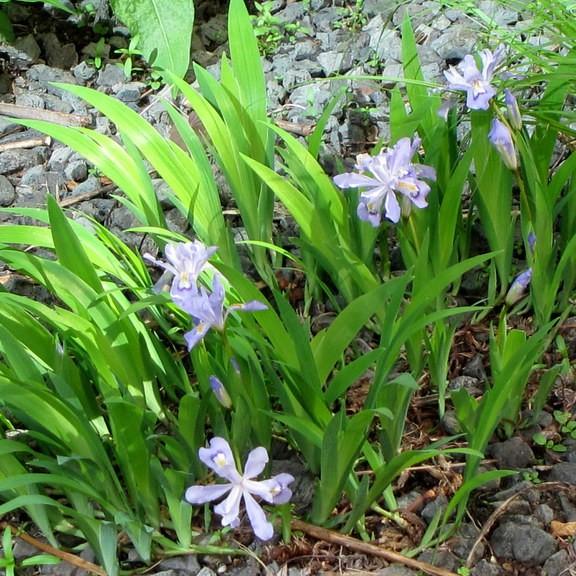
Dwarf Crested Iris
Iris cristata
Overview
Dwarf crested iris is a compact, clump-forming herbaceous perennial native to rich deciduous woodlands, stream banks, and rocky slopes of eastern North America. It produces distinctive, ruffled flowers in shades of pale blue, lavender, or occasionally white, marked with a central yellow or white crested ridge on each fall petal, blooming for 2-3 weeks in mid to late spring. Its narrow, sword-shaped bright green foliage persists through most of the growing season, spreading slowly via shallow, creeping rhizomes to form dense, low mats without becoming invasive.
Care Guide
Watering
Water regularly to keep soil consistently moist but not waterlogged during the first growing season to establish a strong root system; reduce frequency once established, only watering during extended dry periods as the plant is moderately drought tolerant. Avoid overhead watering to prevent fungal leaf spot, directing water at the base of the plant instead.
Light
Thrives in partial to full shade, mimicking its native woodland understory habitat. It can tolerate morning sun in cooler climates, but requires protection from harsh midday and afternoon sun which can scorch foliage and cause blooms to fade prematurely.
Soil
Prefers moist, humus-rich, well-drained soil with a slightly acidic to neutral pH between 5.5 and 7.0. Amend heavy clay or sandy soils with compost, leaf mold, or well-rotted manure before planting to improve drainage and nutrient content, as waterlogged soil will cause rhizome rot.
Fertilizer
Apply a balanced, slow-release granular fertilizer formulated for flowering perennials in early spring just as new growth emerges, avoiding direct contact with rhizomes to prevent burn. An optional light top dressing of compost or leaf mold in late fall will provide additional nutrients and help retain soil moisture without overfertilizing, which can lead to lush foliage at the expense of blooms.
Temperature
Adaptable to USDA hardiness zones 3 through 9, tolerating winter temperatures as low as -40°F (-40°C) and summer highs up to 90°F (32°C) when grown in shaded conditions. Mulch lightly with pine needles or shredded bark in late fall to insulate shallow rhizomes from extreme temperature fluctuations and frost heave in colder regions.
Pruning
Remove spent flower stalks after blooming finishes to encourage neat growth and prevent self-seeding if unwanted. Trim back any yellowed or damaged foliage in late fall or early spring before new growth emerges to maintain a tidy appearance and reduce overwintering sites for pests and diseases.
Propagation
Easiest propagated by division of rhizomes in late summer to early fall, 4-6 weeks after flowering finishes, when the plant is dormant. Dig up established clumps, gently separate rhizome sections with at least one healthy fan of leaves and a set of roots, replant at the same depth they were growing, spacing sections 6-8 inches apart. It can also be grown from seed, but seeds require 3 months of cold stratification and may take 2-3 years to produce flowers.
Humidity
Tolerates average ambient humidity levels between 40% and 60% common to its native woodland habitat. It does not require extra humidity when grown outdoors, but in extremely dry, arid climates, regular misting or a layer of organic mulch will help maintain adequate soil moisture and surrounding humidity.
Repotting
When grown in containers, repot every 2-3 years in late summer after flowering, moving to a pot one size larger with fresh, humus-rich potting mix. Ensure containers have ample drainage holes to prevent waterlogging, and plant rhizomes shallowly, with the top of the rhizome just at or slightly below the soil surface to avoid rot.
Uses & Symbolism
Widely used as a low-growing groundcover in shaded rock gardens, woodland gardens, native plant landscapes, and along shaded walkways or stream banks, where its spreading habit suppresses weeds and provides early spring color. It is also suitable for container planting on shaded patios and pollinator gardens, as its blooms attract early-season bumblebees and other native bee species. Historically, some Indigenous American tribes used small, prepared portions of the rhizome for medicinal purposes, though it is toxic in unprocessed or excessive doses.
Diseases & Pests
Fungal leaf spot and powdery mildew are the most common issues, often occurring in poorly ventilated, overly moist conditions or when foliage is regularly wet; avoid overhead watering, space plants for good air circulation, and remove affected foliage promptly to reduce spread. Slugs and snails may feed on young, tender foliage, especially in damp, shaded spots, and can be controlled with organic baits, copper barriers, or handpicking. Rhizome rot occurs in heavy, waterlogged soil, so ensure proper drainage at planting time to prevent this fatal condition.
Related plants
Other plants you might like if you grow Dwarf Crested Iris.
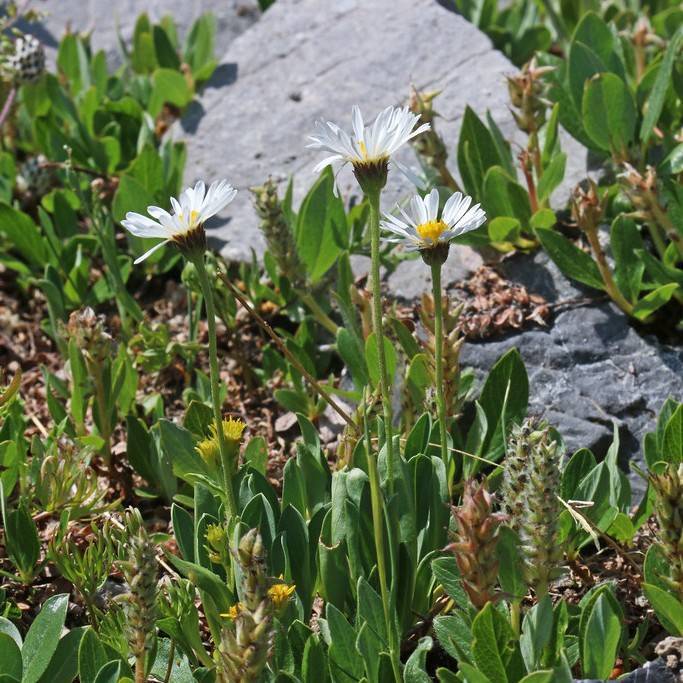
Early Anemone
Anemone blanda
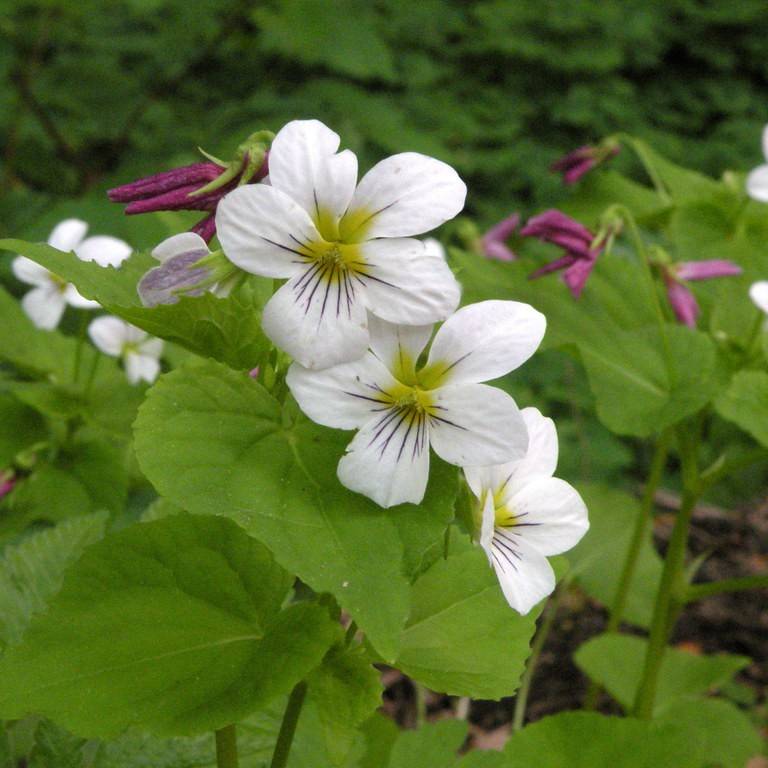
Canada Violet
Viola canadensis
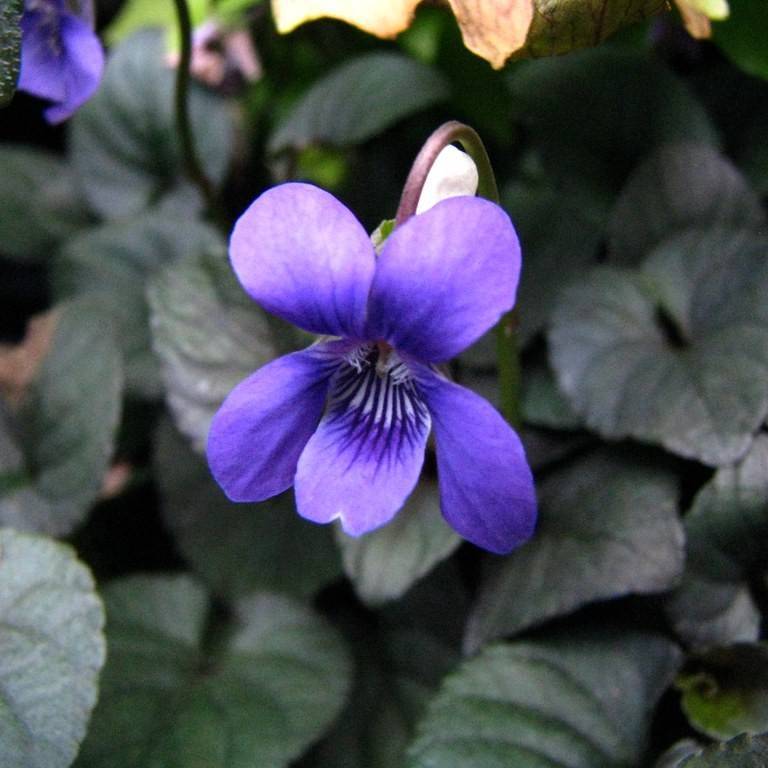
Labrador Violet
Viola labradorica
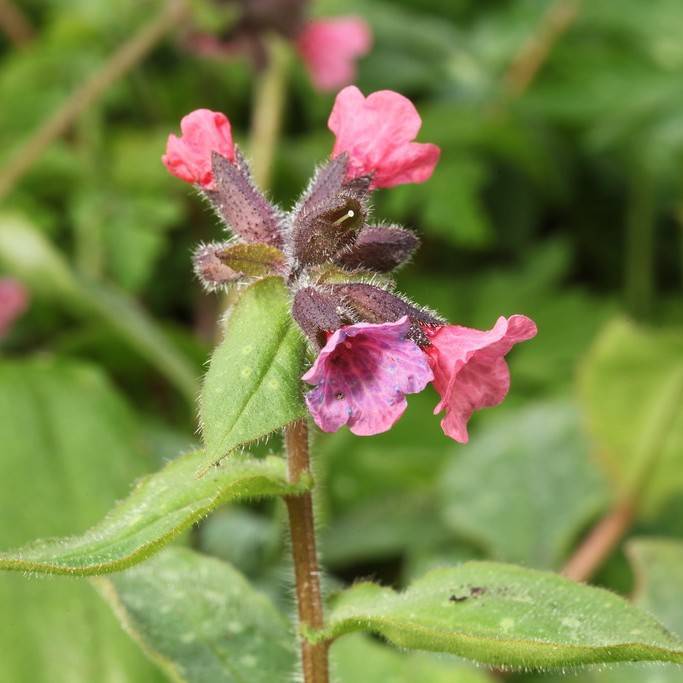
Common Lungwort
Pulmonaria officinalis
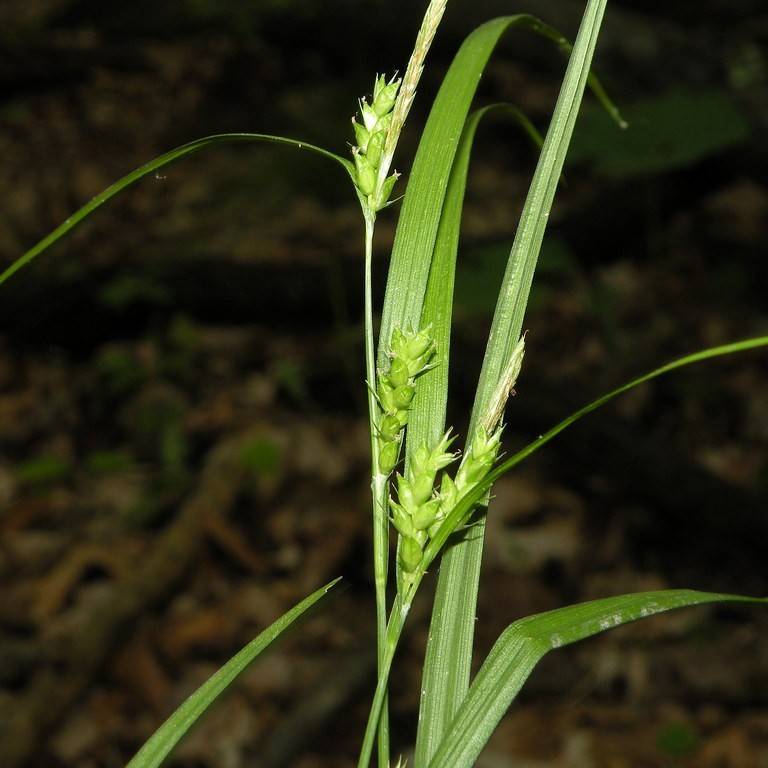
Eastern Narrowleaf Sedge
Carex amphibola
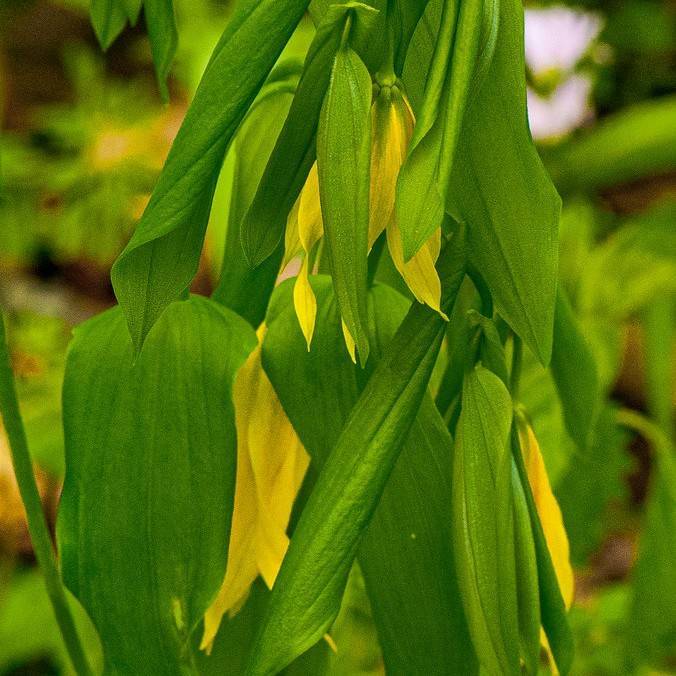
Large Flowered Bellwort
Uvularia grandiflora
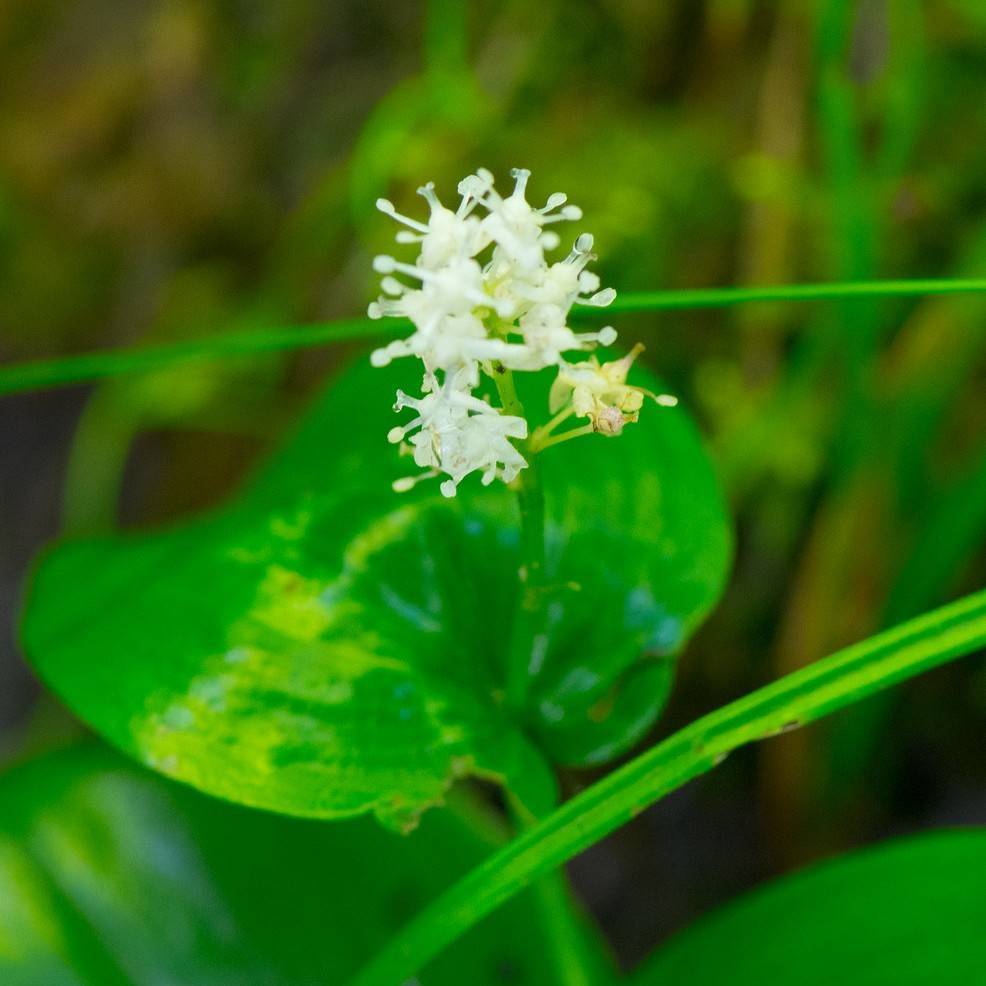
Canada Mayflower
Maianthemum canadense
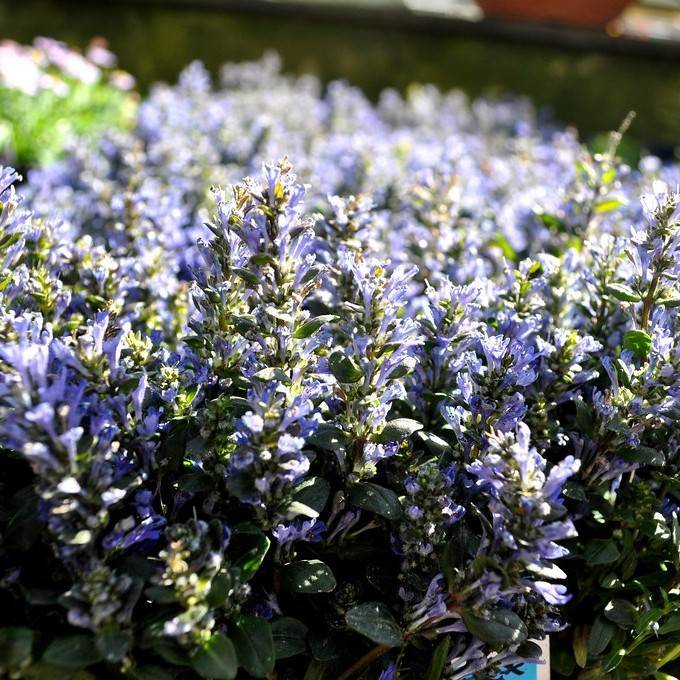
Chocolate Chip Carpet Bugle
Ajuga reptans 'Chocolate Chip'