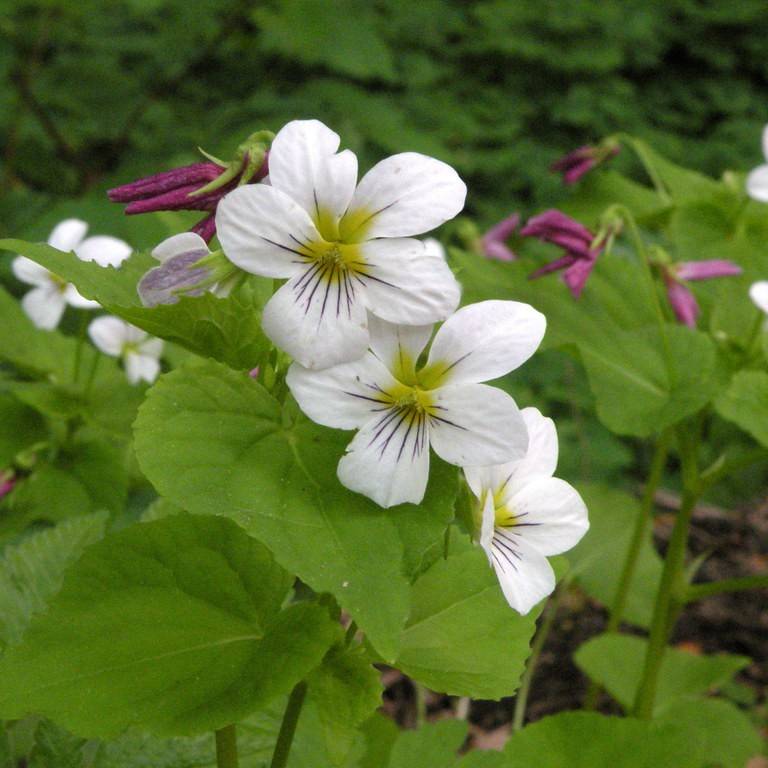
Canada Violet
Viola canadensis
Overview
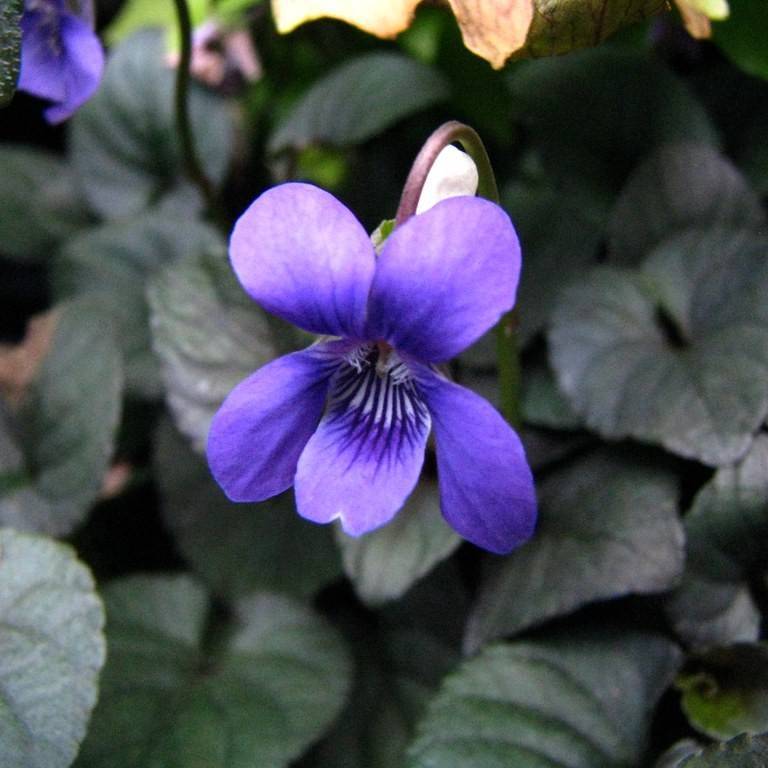
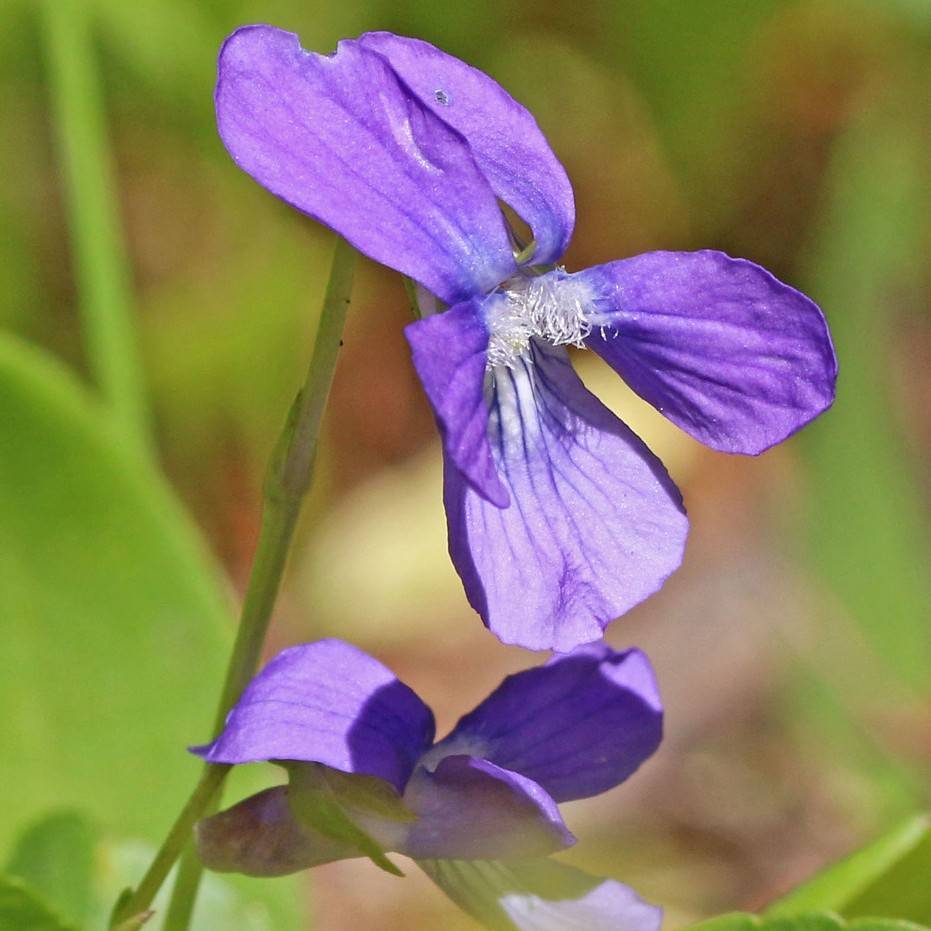
Canada Violet is a clumping, cold-hardy wildflower native to North American deciduous forests, thriving in dappled shade and moist, rich soil. It produces upward-facing, fragrant white flowers with pale yellow throats and subtle purple tints on the petal undersides from mid-spring to early summer, sometimes reblooming in fall. The plant spreads gently via rhizomes and self-seeding to form loose, non-invasive groundcover, making it a popular choice for native shade gardens and woodland restoration projects.
Care Guide
Watering
Keep soil consistently moist but not waterlogged, as Canada Violet does not tolerate prolonged drought or saturated root conditions. Water deeply when the top 1 inch of soil feels dry, increasing frequency during extended hot, dry periods, and reduce watering in winter when the plant is dormant.
Light
Thrives in partial to full shade, preferring dappled sunlight under tree canopies or shaded garden edges that receive no more than 3 hours of direct morning sun daily. Avoid intense midday and afternoon sun, which can scorch leaves and cause the plant to wilt prematurely in warm weather.
Soil
Grows best in rich, loamy, well-drained soil with a slightly acidic to neutral pH between 5.5 and 7.0, amended with organic matter such as leaf mold, compost, or well-rotted hardwood mulch to mimic its native woodland habitat. Heavy clay soils should be amended with perlite or sand to improve drainage, as soggy soil can lead to root rot.
Fertilizer
Fertilize once annually in early spring just as new growth emerges, using a balanced, slow-release 10-10-10 fertilizer or a top-dressing of well-rotted compost to provide nutrients for the growing season. Avoid over-fertilizing, which can encourage excessive foliage growth at the expense of flower production and disrupt the plant’s natural spreading habit.
Temperature
Adaptable to USDA hardiness zones 3 through 8, tolerating winter temperatures as low as -40°F (-40°C) and summer highs up to 90°F (32°C) when grown in adequate shade and moisture. Mulch around the base of the plant in late fall to insulate roots from extreme temperature fluctuations and frost heave in cold winter regions.
Pruning
Pruning is minimal for Canada Violet; simply snip off spent flower stems after the main bloom period if you wish to prevent self-seeding and maintain a neater appearance. Cut back any yellowed or damaged foliage in late fall before the plant goes dormant, or leave foliage intact through winter to provide shelter for beneficial pollinators.
Propagation
Easiest to propagate via root division in early spring before new growth starts or in fall after flowering ends, carefully digging up clumps and separating rhizomes to replant at the same depth they were growing. It can also be grown from fresh seed sown directly outdoors in fall, as seeds require a period of cold stratification to germinate, or stratified indoors for 60 days before spring sowing.
Humidity
Prefers moderate to high humidity levels between 50% and 70%, typical of its native woodland environment, and will struggle in excessively dry, arid conditions. If grown indoors as a potted plant, mist leaves regularly or place the pot on a tray of pebbles filled with water to raise ambient humidity around the plant.
Repotting
Potted Canada Violet specimens should be repotted every 2 to 3 years in early spring, moving to a pot one size larger with fresh, organic-rich potting mix when roots begin to grow out of the drainage holes. Gently loosen tangled roots during repotting to encourage healthy new growth, and water thoroughly after transplanting to reduce transplant shock.
Uses & Symbolism
Canada Violet is widely used in native shade gardens, woodland restoration projects, and pollinator gardens as a low-growing groundcover that supports native bees, butterflies, and other beneficial insects. Its edible leaves and flowers have a mild, sweet flavor, and are often added to salads, used as a garnish, or infused into syrups and teas for culinary use. It is also planted as a low-maintenance ornamental for shaded borders, rock gardens, and underplanting around deciduous trees and shrubs.
Diseases & Pests
Canada Violet is relatively pest and disease resistant, but can be susceptible to common fungal issues such as powdery mildew, leaf spot, and root rot when grown in poorly drained soil or excessively humid conditions with poor air circulation. Aphids, slugs, and snails may occasionally feed on tender young leaves and flower buds, which can be controlled with insecticidal soap, diatomaceous earth, or hand-picking for small infestations.
Related plants
Other plants you might like if you grow Canada Violet.