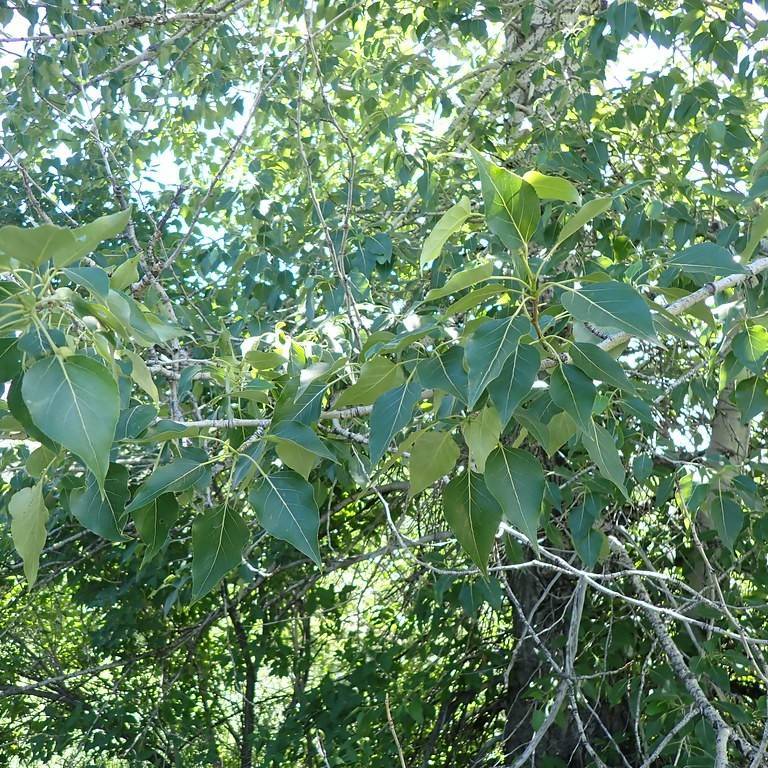
Balsam Poplar
Populus balsamifera
Overview
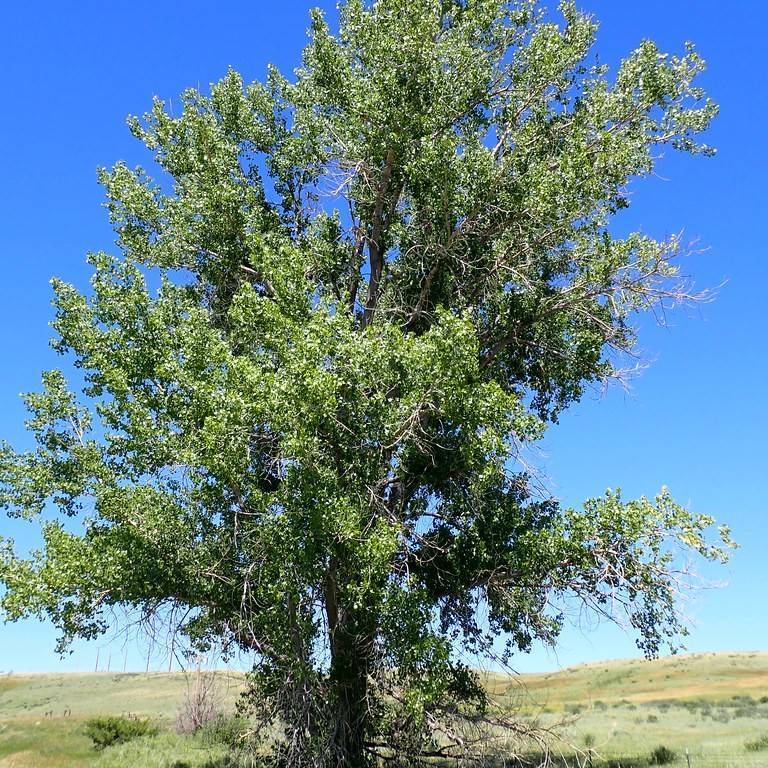
Balsam poplar is a hardy deciduous tree named for its sticky, aromatic buds coated in a resinous balm with a distinct, pleasant scent. It is a keystone species in northern riparian and wetland ecosystems, supporting a wide range of wildlife including birds, beavers, and moose. Its rapid growth makes it a popular choice for reforestation, windbreaks, and erosion control projects across its native range.
Care Guide
Watering
Balsam poplar thrives in consistently moist, even wet soil, and is highly tolerant of seasonal flooding and poorly drained sites. Water young trees regularly to keep root zones saturated, especially during dry periods; established trees can tolerate short droughts but perform best with access to groundwater. Avoid letting the soil dry out completely for extended periods, as this can stunt growth and cause leaf drop.
Light
This species requires full, direct sunlight for optimal growth, and does not tolerate shade well. Plant it in an open location with unobstructed access to at least 6 hours of direct sun per day. Shaded specimens will grow slowly, develop sparse foliage, and have weak, structurally unsound branches.
Soil
Balsam poplar adapts to a wide range of soil types, including sandy, loamy, clay, and silty soils, as long as moisture levels are consistent. It tolerates a pH range from 4.5 to 7.5, and can grow in poorly aerated, waterlogged soils that kill most other tree species. It does not perform well in dry, compacted, or highly alkaline soils.
Fertilizer
Young balsam poplars benefit from an annual application of balanced, slow-release 10-10-10 fertilizer in early spring to support rapid growth. Established trees rarely require supplemental fertilization, as they can obtain sufficient nutrients from moist, organically rich riparian soils. Avoid over-fertilizing, as this can lead to excessive, weak growth that is prone to storm damage.
Temperature
This cold-hardy tree thrives in USDA hardiness zones 2 through 7, tolerating winter temperatures as low as -50°F (-46°C). It prefers cool to moderate summer temperatures, and may suffer from leaf scorch in regions with prolonged, extreme heat above 90°F (32°C) without adequate moisture. It is well-adapted to the short growing seasons and frigid winters of northern North America.
Pruning
Prune balsam poplar in late winter while the tree is dormant to remove dead, damaged, or crossing branches and improve structural stability. This species is prone to weak branch attachments, so regular pruning of young trees helps develop a strong central leader and reduce the risk of storm damage. Avoid heavy pruning of mature trees, as open wounds are highly susceptible to fungal rot and pest infestations.
Propagation
Balsam poplar is most easily propagated from hardwood cuttings taken in late winter from healthy, dormant one-year-old branches. Cuttings 8-12 inches long planted in moist, well-drained soil in early spring will root quickly, with high success rates even without rooting hormone. It can also be grown from seed, but seeds remain viable for only a few weeks after ripening in late spring and require constant moisture to germinate.
Humidity
Balsam poplar tolerates a wide range of humidity levels, from the dry cold of northern winters to the humid summers of its southern range. It grows best in moderate to high humidity, but can adapt to drier conditions as long as soil moisture is consistent. Low humidity combined with high temperatures may cause leaf edge scorch, but this is rarely fatal for established trees.
Repotting
Balsam poplar is rarely grown in containers, as its large size and extensive root system make it unsuitable for long-term pot culture. Saplings started in containers should be planted in their permanent outdoor location within 1-2 years, before roots become pot-bound. When transplanting, dig a hole twice as wide as the root ball, keep the root collar at soil level, and water thoroughly to eliminate air pockets around roots.
Uses & Symbolism
Balsam poplar resin is harvested for use in traditional medicine, salves, and as a natural fragrance, while its lightweight, soft wood is used for pulp, plywood, and crating. It is widely planted for riparian restoration, erosion control, windbreaks, and wildlife habitat, as its dense foliage provides shelter and its buds and twigs are a food source for many species. It is also used as a fast-growing ornamental shade tree in cool northern regions where other large trees struggle to thrive.
Diseases & Pests
Balsam poplar is susceptible to a range of fungal diseases, including cytospora canker, leaf rust, and heart rot, which often enter through pruning wounds or storm damage. Common pests include poplar borer, aphids, and tent caterpillars, which can defoliate trees and weaken their structure over time. Healthy, unstressed trees with consistent moisture have high natural resistance to most pests and diseases, but specimens growing in dry, compacted soil are far more vulnerable to severe infestations and infections.
Related plants
Other plants you might like if you grow Balsam Poplar.