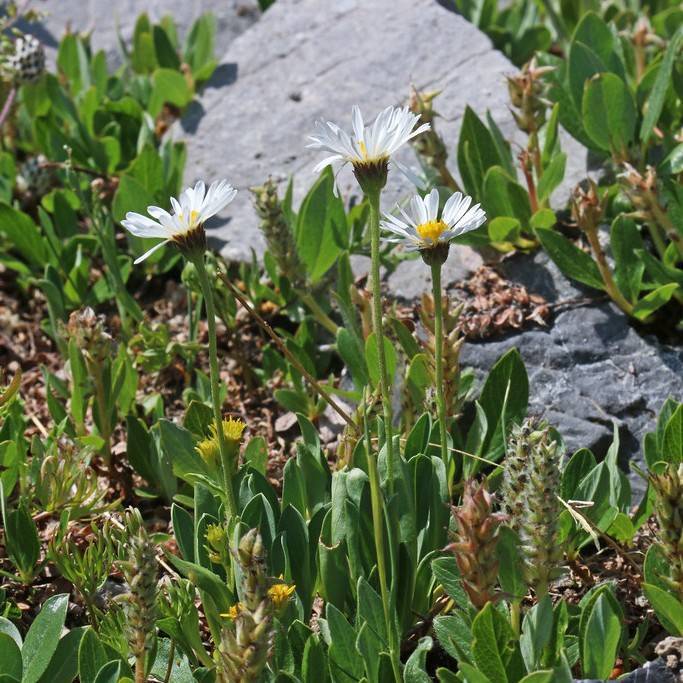
Early Anemone
Anemone blanda
Overview
Early anemone, also called Grecian windflower, is a tuberous perennial celebrated for its early spring blooms that emerge shortly after snowmelt, often alongside crocuses and daffodils. Its delicate, fern-like foliage dies back completely by mid-summer as the plant enters dormancy, making it ideal for planting under deciduous trees or in rock gardens where space opens up later in the growing season. It naturalizes readily in suitable conditions, forming low, colorful carpets of blooms over several years without becoming invasive.
Care Guide
Watering
Keep soil consistently moist but not waterlogged during active growth in late winter and early spring; reduce watering gradually once foliage begins to yellow and die back in early summer. During dormancy from mid-summer to late winter, tubers require very little moisture, and overly wet soil during this period will cause rotting. In dry winter climates, provide occasional light watering to prevent tubers from desiccating completely.
Light
Thrives in partial shade, particularly dappled sunlight under deciduous trees that provide full sun in early spring before leaf-out and shade during warmer summer months. It can tolerate full sun in cooler regions with consistent moisture, but intense direct sun in warm climates will scorch foliage and shorten bloom time. Too much heavy, year-round shade will reduce flowering and slow naturalization.
Soil
Prefers well-drained, humus-rich, loamy soil with a neutral to slightly alkaline pH, though it will adapt to most average garden soils as long as drainage is good. Heavy clay soils that hold water during dormancy will cause tuber rot, so amend with compost, grit, or sand to improve drainage if needed. Sandy, fast-draining soils should be amended with organic matter to retain enough moisture during active growth.
Fertilizer
Generally requires little fertilization; apply a balanced, slow-release bulb fertilizer in late winter just as new growth begins to emerge to support robust blooms. If planted in poor, low-nutrient soil, a light top-dressing of well-rotted compost in fall will provide enough nutrients for the next growing season. Avoid over-fertilizing, as this will promote excessive foliage growth at the expense of blooms and may damage tubers.
Temperature
Hardy in USDA zones 4 to 8, tolerating winter temperatures as low as -30°F (-34°C) when tubers are planted at the recommended depth and mulched in colder regions. It requires a period of cold winter dormancy between 32 and 45°F (0 and 7°C) for 12 to 16 weeks to bloom successfully the following spring, making it unsuitable for warm, frost-free climates. Temperatures above 75°F (24°C) during bloom will shorten flower lifespan and trigger earlier dormancy.
Pruning
No regular pruning is required; simply snip off spent flower stems if desired for a tidier appearance, though leaving them in place does not harm the plant. Allow foliage to die back completely on its own before removing it, as the leaves photosynthesize to store energy in the tubers for the next year’s growth. Once foliage has yellowed and wilted in mid-summer, it can be gently pulled away or raked up without damaging the dormant tubers.
Propagation
Most commonly propagated by dividing mature tuber clumps in late summer or early fall, during dormancy, when plants are not actively growing. Carefully dig up clumps, separate individual small tubers, and replant them immediately 2 to 3 inches deep and 3 to 4 inches apart in prepared soil. It can also be grown from seed, though seed-grown plants take 2 to 3 years to reach flowering size, and seeds require cold stratification for 6 to 8 weeks to germinate.
Humidity
Adaptable to average outdoor humidity levels between 40 and 70% during its active growth period, with no special humidity requirements. High humidity combined with poor drainage during dormancy increases the risk of tuber rot, so ensure soil is loose and well-aerated in areas with high summer humidity. Very low humidity during spring growth may cause flower petals to wilt faster, so providing consistent soil moisture mitigates this issue.
Repotting
When grown in containers, repot dormant tubers every 2 to 3 years in late fall, replacing old potting mix with fresh, well-drained mix amended with compost. Container-grown plants require more frequent watering during active growth than in-ground plants, and pots must have drainage holes to prevent waterlogging. Lift and divide overcrowded tuber clumps during repotting to prevent reduced flowering from competition for nutrients.
Uses & Symbolism
Early anemone is a popular ornamental plant for spring rock gardens, woodland borders, underplanting of deciduous shrubs and bulbs, and naturalized meadow areas where its low, spreading habit creates colorful early-season ground cover. It is also well-suited for container plantings and forced bulb displays for early indoor spring color, as its small size and cheerful blooms work well in mixed seasonal containers. While it has a history of limited use in traditional folk medicine for treating joint pain and respiratory issues, its toxic properties make internal use unsafe without professional preparation.
Diseases & Pests
Early anemone is relatively pest and disease resistant, but poorly drained soil can lead to tuber rot caused by fungal pathogens such as Pythium and Phytophthora, especially during dormancy. Slugs and snails may feed on young foliage and flower buds in cool, damp spring conditions, though damage is rarely severe enough to harm established plants. Powdery mildew can occur in overly crowded, poorly ventilated plantings during warm, humid spring weather, but can be prevented by providing adequate spacing between plants to encourage air flow.
Related plants
Other plants you might like if you grow Early Anemone.