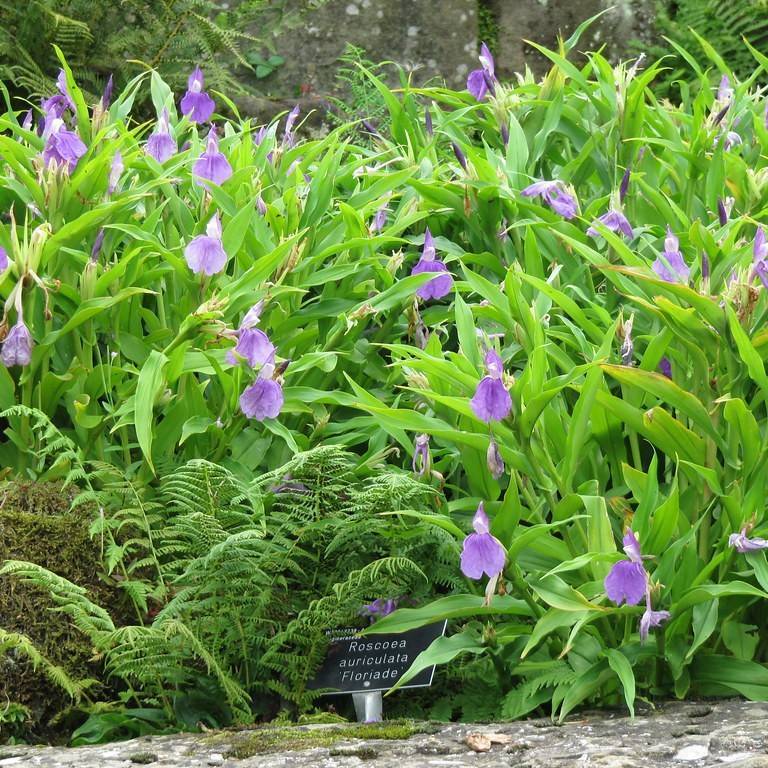
Eared Roscoea
Roscoea auriculata
Overview
Eared Roscoea is a herbaceous perennial in the ginger family, notable for its ability to thrive in temperate climates unlike most tropical Zingiberaceae species. It derives its common name from the paired ear-shaped bracts at the base of its flower spike. It dies back to a fleshy rhizome each winter, reemerging in late spring with broad, lance-shaped foliage.
Care Guide
Watering
Keep soil consistently moist but never waterlogged during the active growing season from spring to early fall. Reduce watering gradually as foliage yellows in autumn, and keep rhizomes barely damp while dormant in winter to prevent rot. Avoid overhead watering to minimize fungal issues on leaves.
Light
Grow best in partial to full shade, mimicking the dappled understory light of its native Himalayan woodland habitat. Protect from direct midday sun, which can scorch its delicate foliage and cause flowers to fade prematurely. Morning sun with afternoon shade is ideal for robust flowering.
Soil
Requires fertile, humus-rich, well-draining soil with a slightly acidic to neutral pH between 5.5 and 7.0. Amend heavy clay soils with compost or leaf mold to improve drainage and add organic matter. A loose, loamy mix that retains moisture without pooling around rhizomes is optimal.
Fertilizer
Feed with a balanced, slow-release organic fertilizer in early spring as new growth emerges. Apply a dilute liquid fertilizer high in potassium every 4 weeks during the flowering period to support bloom production. Stop fertilizing entirely by late summer to allow the plant to prepare for dormancy.
Temperature
Thrives in cool summer temperatures between 55-75°F (13-24°C), and is winter hardy to USDA zones 6-9, tolerating lows down to -10°F (-23°C) when planted in well-drained soil. Protect rhizomes from extreme winter cold with a thick layer of mulch in cooler parts of its growing range. Avoid exposure to prolonged heat above 85°F (29°C), which can stress the plant.
Pruning
Remove spent flower stalks after blooming to tidy the plant and prevent seed formation unless you intend to harvest seeds for propagation. Cut back yellowed, dying foliage to ground level in late autumn after the plant enters dormancy. Remove any damaged or diseased leaves promptly during the growing season to maintain plant health.
Propagation
Most commonly propagated by division of mature rhizomes in early spring just as new growth begins to appear, carefully separating clumps to ensure each division has at least one growth bud. Can also be grown from fresh seed sown immediately after harvest in autumn, sown shallowly in a cold frame; seed-grown plants typically take 2-3 years to flower. Avoid disturbing rhizomes unnecessarily, as the plant resents frequent transplanting.
Humidity
Prefers moderate humidity levels between 40-60%, typical of temperate woodland environments. Avoid excessively dry air, which can cause leaf tips to brown; misting foliage occasionally during very dry periods can help alleviate stress. Good air circulation around the plant is important to prevent fungal diseases in high humidity.
Repotting
If grown in containers, repot every 2-3 years in early spring before new growth emerges, using a rich, well-draining potting mix amended with leaf mold. Choose a pot with ample drainage holes that is only slightly larger than the root ball to avoid excess soil moisture around rhizomes. Take care not to damage fragile new shoots when handling rhizomes during repotting.
Uses & Symbolism
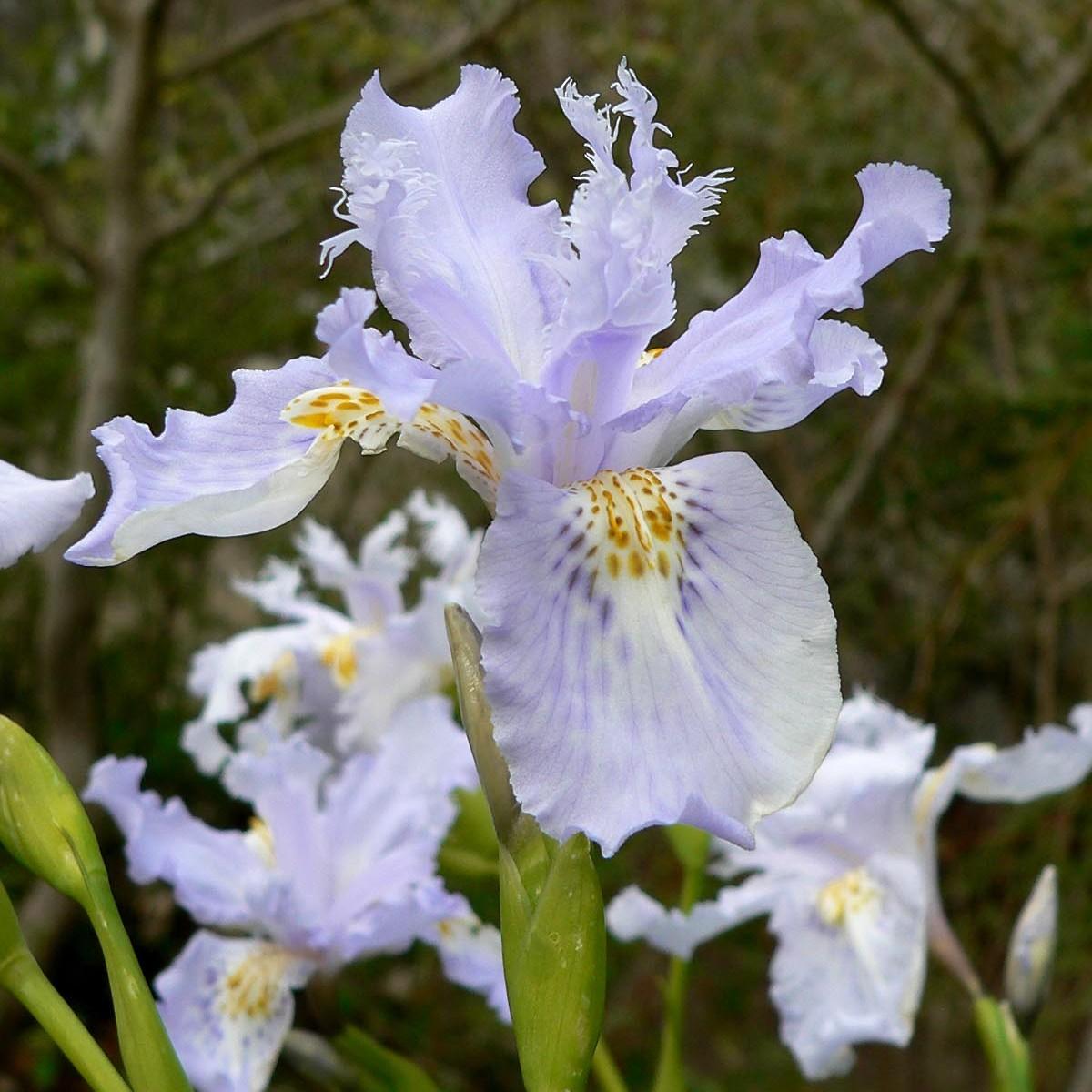
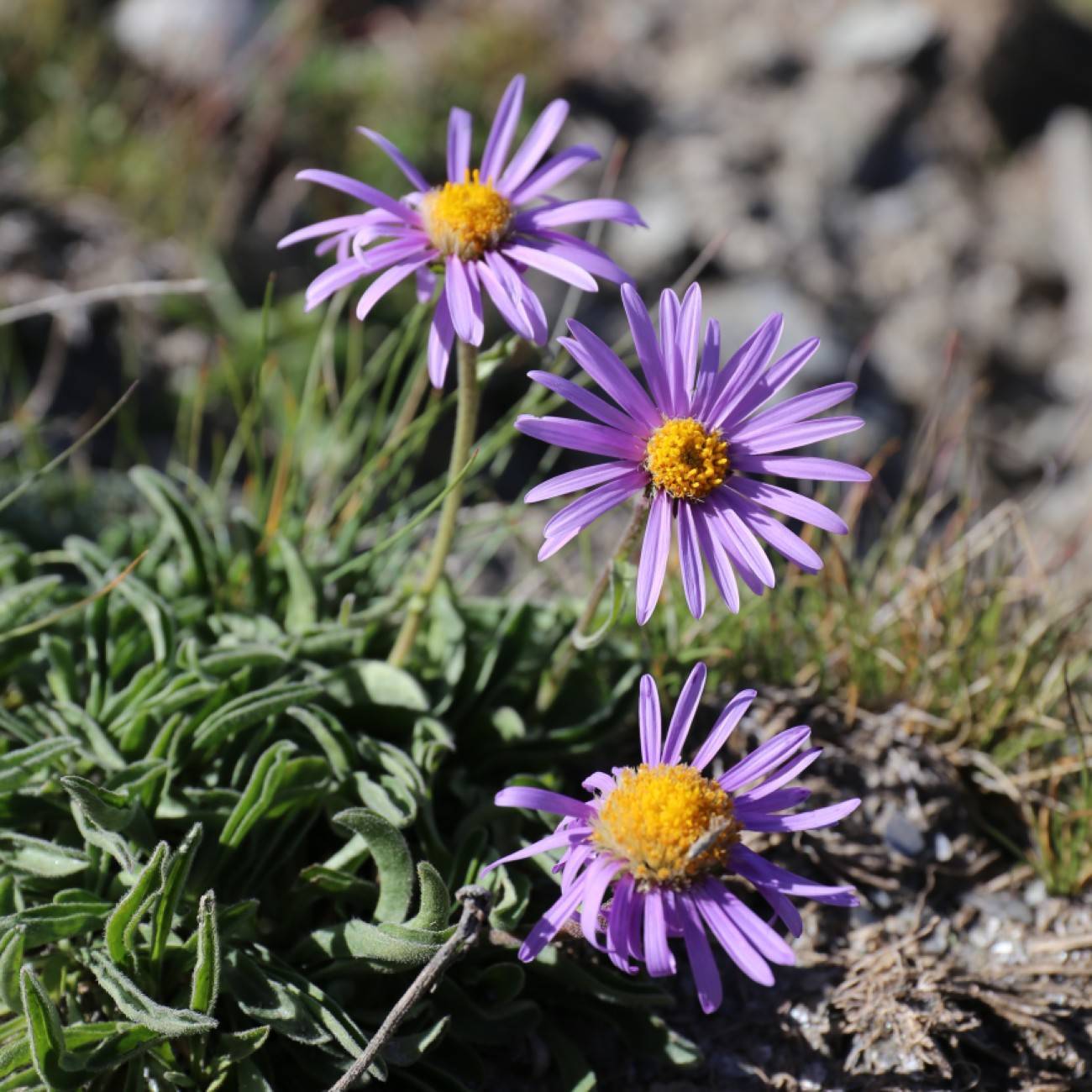
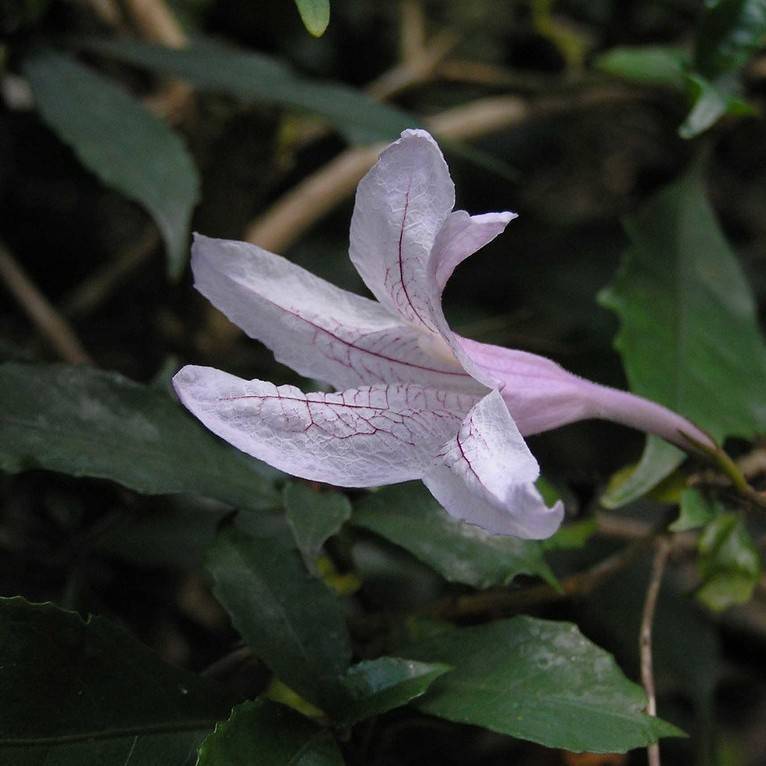
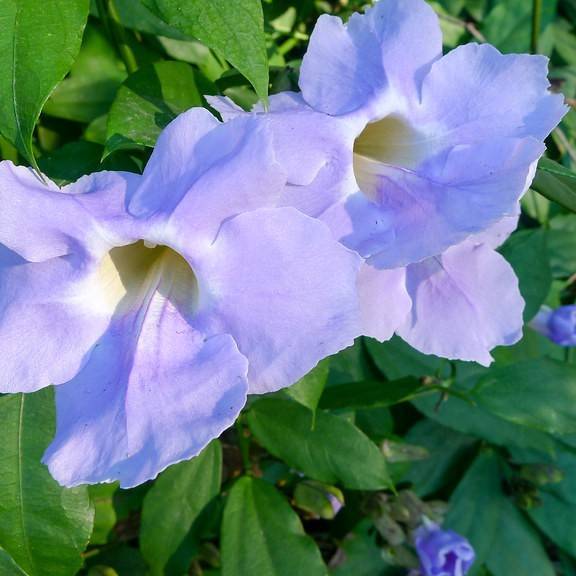
Eared Roscoea is primarily grown as an ornamental plant for shaded rock gardens, woodland borders, and alpine container displays, where its unusual purple blooms provide late summer interest. It is a popular choice for cool-climate gardeners seeking exotic-looking flowering plants that tolerate frost and shade. In its native Himalayan range, some local communities use small amounts of its rhizome in traditional medicine for minor anti-inflammatory applications.
Diseases & Pests
The most common issues are fungal root and rhizome rot caused by overwatering or poorly draining soil, especially during dormant winter periods. It may be affected by fungal leaf spots if grown in overly humid, poorly ventilated conditions. Slugs and snails can feed on young, tender foliage in spring, so physical barriers or organic bait may be needed to prevent damage.
Related plants
Other plants you might like if you grow Eared Roscoea.