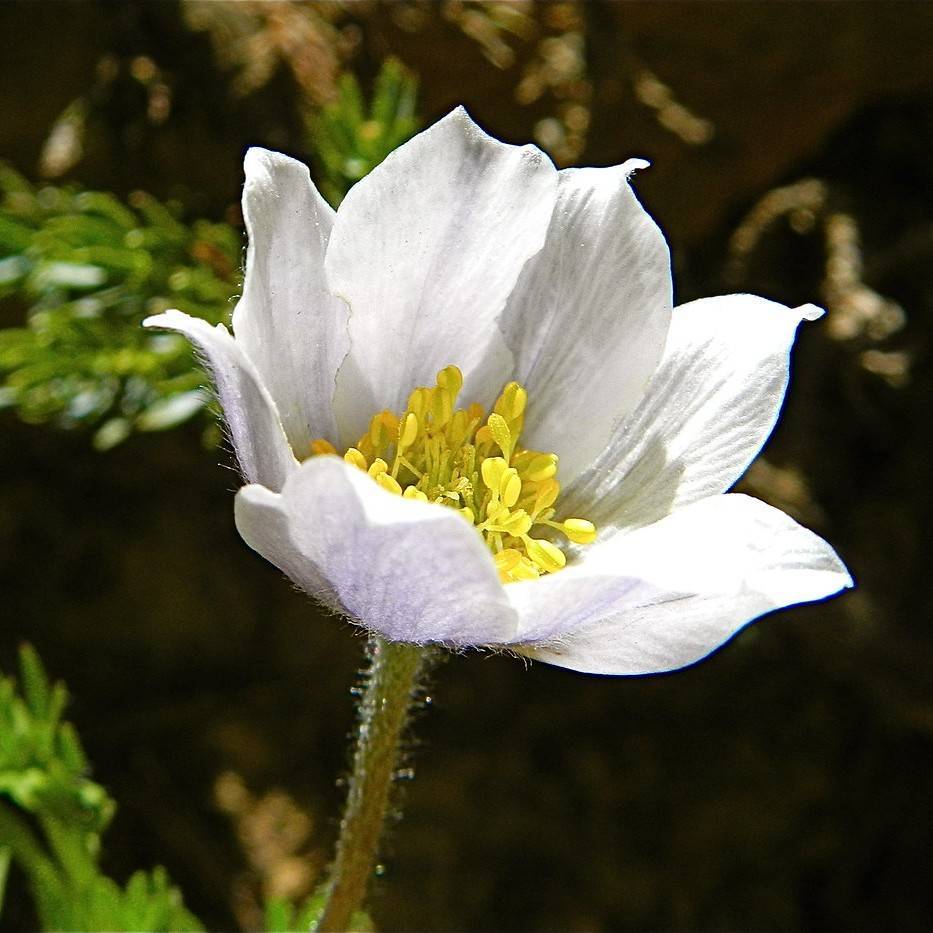
Drummond's Anemone
Anemone drummondii
Overview
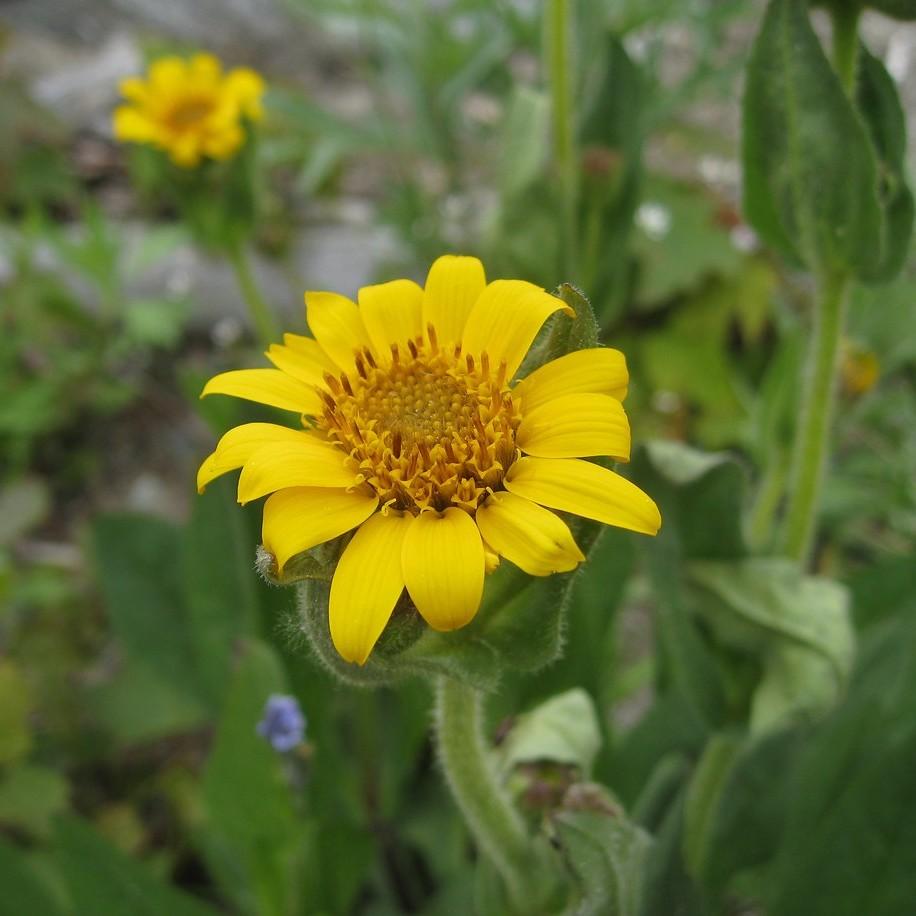
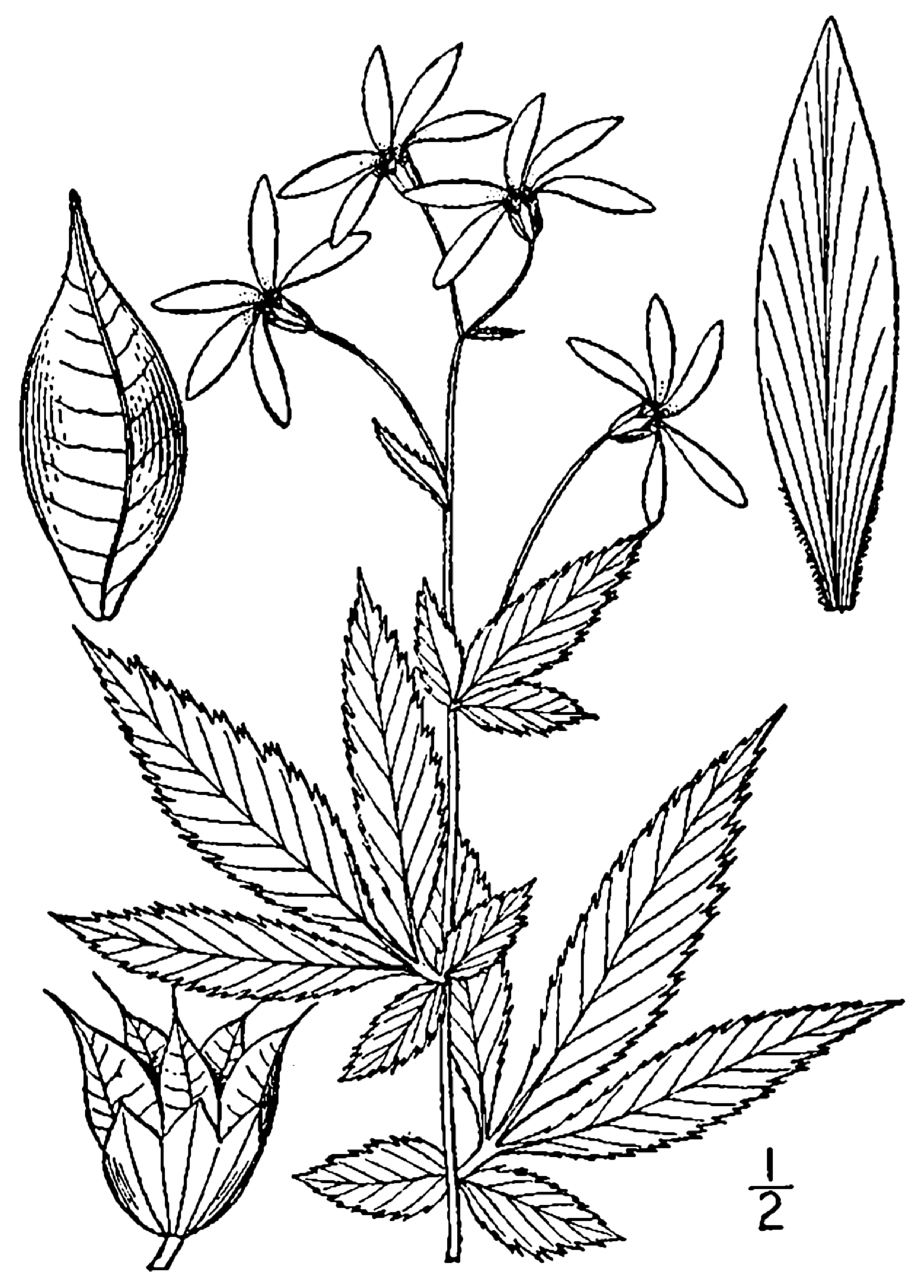
Drummond's Anemone is a hardy herbaceous perennial adapted to cool, high-elevation habitats including alpine meadows, rocky slopes, and coniferous forest understories. It produces fuzzy, divided basal leaves and upright stems topped with single, cup-shaped flowers that lack true petals, instead bearing colorful, petal-like sepals. This species is named for Scottish botanist Thomas Drummond, who collected plant specimens across North America in the 19th century.
Care Guide
Watering
Water regularly during the active spring and early summer growth period, keeping soil consistently moist but not waterlogged to avoid root rot. Reduce watering gradually once flowers fade and foliage begins to die back in late summer, allowing the soil to dry out fully during the plant's winter dormancy. Avoid overhead watering to prevent fungal leaf spot issues.
Light
Thrives in full sun in cooler, high-elevation climates where summer temperatures remain mild. In warmer regions at the lower end of its hardiness range, provide partial afternoon shade to protect foliage and flowers from scorching. Avoid deep, full shade, as it will reduce flower production and lead to leggy growth.
Soil
Requires sharply drained, low-fertility soil with a slightly acidic to neutral pH, ideally amended with grit or gravel to mimic its native rocky alpine habitat. Heavy clay soils that hold moisture are unsuitable, as they will cause the plant's delicate rhizomes to rot during dormancy. Sandy or loamy soils with high organic matter content work best for cultivated specimens.
Fertilizer
Avoid over-fertilizing, as Drummond's Anemone is adapted to low-nutrient mountain soils and excess nutrients will lead to weak, floppy growth and reduced flowering. A light application of balanced, slow-release fertilizer in early spring just as new growth emerges is sufficient for most garden settings. No additional fertilization is needed during the growing season or dormant period.
Temperature
Prefers cool temperatures between 40-70°F (4-21°C) during its active growth period, and can tolerate winter temperatures as low as -30°F (-34°C) when planted in suitable well-drained soil. High summer temperatures above 80°F (27°C) can cause foliage to die back prematurely, so mulch around the base of the plant in warm regions to keep roots cool. Protect from harsh, drying winter winds to prevent desiccation of dormant rhizomes.
Pruning
Remove spent flower stalks after blooming to tidy the plant's appearance, though deadheading will not encourage repeat flowering for this single-bloom species. Allow foliage to die back naturally in late summer, as the leaves photosynthesize to store energy in the rhizomes for the next year's growth. Once foliage has turned yellow and wilted completely, it can be trimmed back to ground level to prepare for dormancy.
Propagation
Most commonly propagated by seed sown in fall, as fresh Drummond's Anemone seed requires a 3-4 month period of cold stratification to germinate successfully. Mature clumps can also be divided in early fall, once foliage has died back, by carefully separating the rhizomes and replanting them immediately at the same depth they grew originally. Seed-grown plants typically take 2-3 years to reach flowering maturity.
Humidity
Adapted to moderate to low humidity levels common in its native mountain habitats, and does not tolerate high, sustained humidity well. Ensure good air circulation around plants to prevent fungal diseases, especially in regions with humid summer weather. No extra humidity is required for cultivated specimens, even when grown in containers.
Repotting
Container-grown Drummond's Anemone should be repotted every 2-3 years in late fall during dormancy, using a gritty, well-drained potting mix formulated for alpine plants. Choose a shallow pot with ample drainage holes, as the plant's rhizomes spread horizontally and do not require deep soil. Avoid planting too deeply, as burying the crown of the plant can lead to rot.
Uses & Symbolism
Drummond's Anemone is a popular choice for alpine gardens, rock gardens, and native plant landscapes, where its low, clumping habit and bright spring flowers add seasonal interest. It is also suitable for shallow container plantings that mimic its rocky native habitat, and is sometimes used in pollinator gardens to support early-season native bees and other beneficial insects. Indigenous peoples of western North America historically used small amounts of the plant for medicinal purposes, though its toxicity limits modern medicinal use.
Diseases & Pests
The most common issues affecting Drummond's Anemone are fungal diseases including powdery mildew and leaf spot, which occur in humid conditions with poor air circulation or excess moisture on foliage. Root rot is a major risk in poorly drained soils, especially during winter dormancy when the plant is not actively using water. Pest issues are rare, but aphids and slugs may occasionally feed on young, tender spring foliage.
Related plants
Other plants you might like if you grow Drummond's Anemone.