Border Bearded Iris
Iris germanica 'Border Group'
Overview
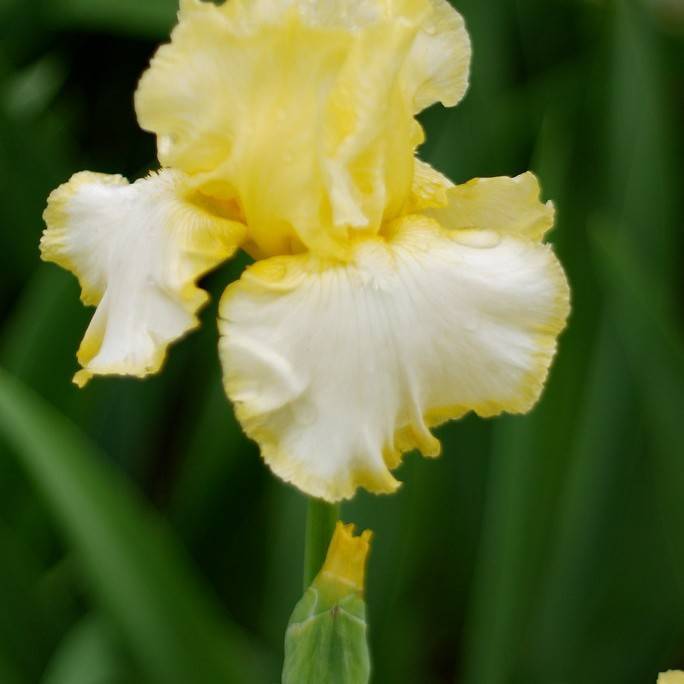
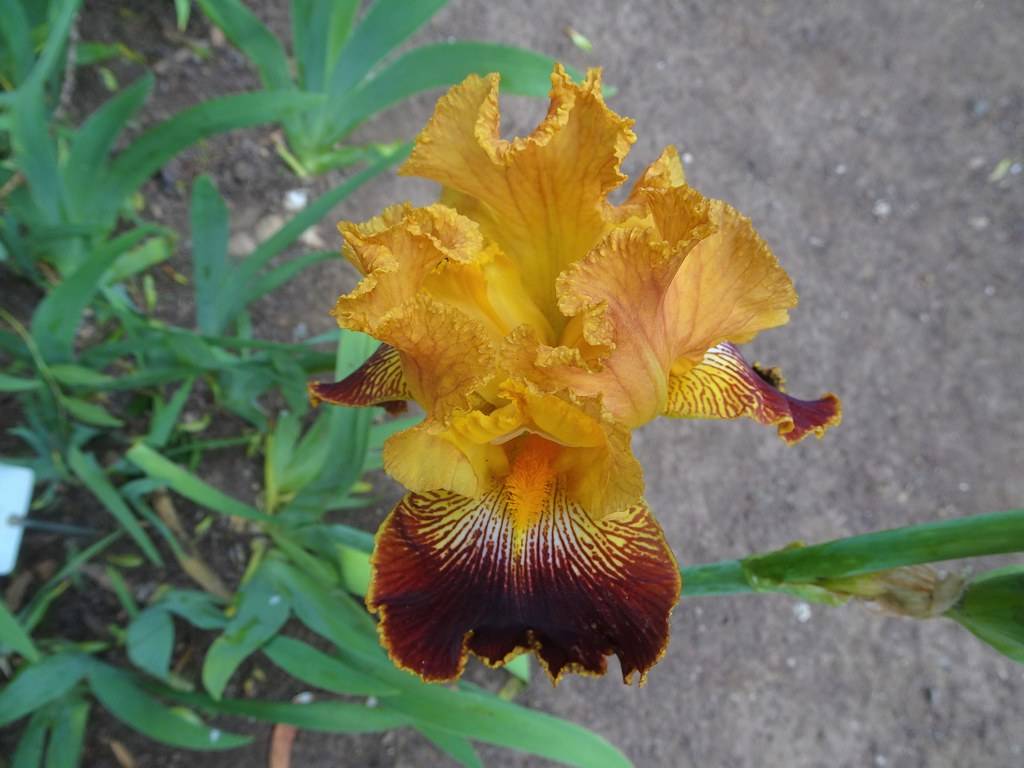
Border Bearded Iris are a dwarf subgroup of tall bearded iris, bred for their compact stature that fits neatly in smaller garden spaces, edging, and patio containers. They produce characteristic fan-shaped clumps of stiff, sword-like green foliage, and upright stalks bearing multiple ruffled flowers with a fuzzy 'beard' along the center of each lower petal. Blooms appear in a vast palette of solid, bicolor, and patterned shades including purple, yellow, white, pink, and blue, often with a light, sweet fragrance. These hardy plants are low-maintenance and long-lived, returning reliably each year with proper care.
Care Guide
Watering
Water newly planted rhizomes regularly to keep soil lightly moist for the first 2 to 3 months until established. Mature plants are drought-tolerant, requiring supplemental watering only during extended dry spells, especially in the weeks before and after blooming. Avoid overwatering, as soggy soil will quickly cause rhizome rot; reduce watering entirely during the dormant winter season.
Light
Border Bearded Iris require full sun, meaning a minimum of 6 to 8 hours of direct, unfiltered sunlight per day to produce abundant blooms. They can tolerate very light partial shade, but too much shade will result in weak, leggy growth and reduced or absent flowering. Plant in an open, unobstructed spot away from taller trees or shrubs that may block sunlight.
Soil
These iris grow best in well-drained, fertile, loamy soil with a neutral to slightly alkaline pH between 6.8 and 7.2. Heavy clay soils should be amended with compost, coarse sand, or perlite to improve drainage, as standing water around rhizomes is a leading cause of plant death. Avoid planting in low-lying areas that collect water after rainfall.
Fertilizer
Apply a low-nitrogen, balanced granular fertilizer (such as 5-10-10 or 6-10-10) in early spring as new growth emerges, and again 4 to 6 weeks after flowering finishes to support rhizome development for the next year’s blooms. Scatter fertilizer around the base of the plant, avoiding direct contact with rhizomes to prevent burn, and water lightly to help it absorb into the soil. Do not use high-nitrogen fertilizers, as they encourage excessive foliage growth at the expense of flowers and increase rot risk.
Temperature
Border Bearded Iris are cold-hardy in USDA zones 3 through 9, tolerating winter temperatures as low as -40°F (-40°C) when rhizomes are properly established. They perform best in regions with cool spring and fall temperatures, and moderate summer heat, though they can tolerate short periods of high temperatures above 90°F (32°C) if provided with adequate soil moisture. Mild winter chill is required for proper dormancy and healthy bloom production the following season.
Pruning
Remove spent flower stalks at their base immediately after blooming finishes to prevent seed formation and redirect energy to rhizome growth. Trim brown or yellowed leaf tips as needed throughout the growing season for aesthetic purposes, and cut back all foliage to 6 to 8 inches above the soil line in late fall after the first hard frost to remove overwintering pest and disease habitat. Never cut back healthy green foliage during the growing season, as it photosynthesizes to feed the rhizomes for next year’s growth.
Propagation
The most reliable propagation method is division of mature rhizome clumps, performed every 3 to 4 years in late summer, 4 to 6 weeks after flowering ends. Dig up the entire clump, use a clean, sharp knife to cut rhizomes into sections, each with at least one healthy fan of leaves and a firm, undamaged root system, discard any soft, rotted, or shriveled sections, and replant the divisions with the top third of the rhizome exposed above the soil surface, spacing them 12 to 18 inches apart. Propagating from seed is possible but not recommended for border bearded iris, as seeds do not grow true to the parent cultivar and take 2 to 3 years to produce blooms.
Humidity
Border Bearded Iris adapt well to average ambient humidity levels between 40% and 60%, which is typical of most temperate garden environments. They do not require extra humidity, and high humidity combined with poor air circulation increases the risk of fungal leaf spot and rhizome rot. Ensure plants are spaced adequately to allow free air flow around foliage and rhizomes.
Repotting
Container-grown border bearded iris should be repotted every 2 to 3 years in late summer, at the same time as garden divisions, to refresh soil and prevent overcrowding of rhizomes. Use a wide, shallow pot with multiple drainage holes, fill it with well-draining potting mix amended with perlite or coarse sand, and plant rhizomes with the top third exposed above the soil surface to prevent rot. Avoid using deep pots, as iris have shallow root systems that do not require excess soil depth, and water lightly after repotting to settle the soil around roots.
Uses & Symbolism
Border Bearded Iris are primarily grown as ornamental garden plants, ideal for lining walkways, defining perennial bed borders, planting in rock gardens, or growing in patio containers for seasonal color. Their cut flowers are long-lasting in vases, making them popular for fresh floral arrangements and cut flower gardens. Historically, iris rhizomes have been used in traditional medicine and perfume production, though modern use is limited due to their toxic properties.
Diseases & Pests
The most common issue for border bearded iris is rhizome rot, a fungal disease caused by overwatering, poor drainage, or planting rhizomes too deep, identifiable by soft, foul-smelling rhizomes and yellowing foliage; treat by digging up affected plants, cutting away rotted sections, and replanting in fresh, well-drained soil. Fungal leaf spot and rust may appear as brown or orange spots on foliage during wet, humid weather, which can be managed by removing infected leaves, improving air circulation, and applying fungicide if needed. Common pests include iris borers, which tunnel into rhizomes and cause wilting and rot, and aphids, which suck sap from new growth; control borers by removing dead foliage in fall to eliminate overwintering eggs, and treat aphids with insecticidal soap or a strong spray of water.
Related plants
Other plants you might like if you grow Border Bearded Iris.
%22%2F%3E%0A%20%20%20%20%20%20%3Ccircle%20cx%3D%22920%22%20cy%3D%22180%22%20r%3D%2290%22%20fill%3D%22%23cfe8d5%22%2F%3E%0A%20%20%20%20%20%20%3Cpath%20d%3D%22M600%20590c-90-180-215-255-310-280%200%20165%20118%20296%20270%20296h40z%22%20fill%3D%22%2379b88e%22%2F%3E%0A%20%20%20%20%20%20%3Cpath%20d%3D%22M600%20590c80-150%20198-212%20302-228-8%20142-123%20255-270%20255h-32z%22%20fill%3D%22%235c9f73%22%2F%3E%0A%20%20%20%20%20%20%3Cpath%20d%3D%22M600%20610V360%22%20stroke%3D%22%234f8c64%22%20stroke-width%3D%2218%22%20stroke-linecap%3D%22round%22%2F%3E%0A%20%20%20%20%20%20%3Ctext%20x%3D%22600%22%20y%3D%22700%22%20text-anchor%3D%22middle%22%20font-family%3D%22Arial%2C%20sans-serif%22%20font-size%3D%2244%22%20fill%3D%22%23365c45%22%3E%0A%20%20%20%20%20%20%20%20Plant%20image%20coming%20soon%0A%20%20%20%20%20%20%3C%2Ftext%3E%0A%20%20%20%20%3C%2Fsvg%3E%0A%20%20)