Dwarf Plum
Prunus domestica (dwarf cultivars)
Overview
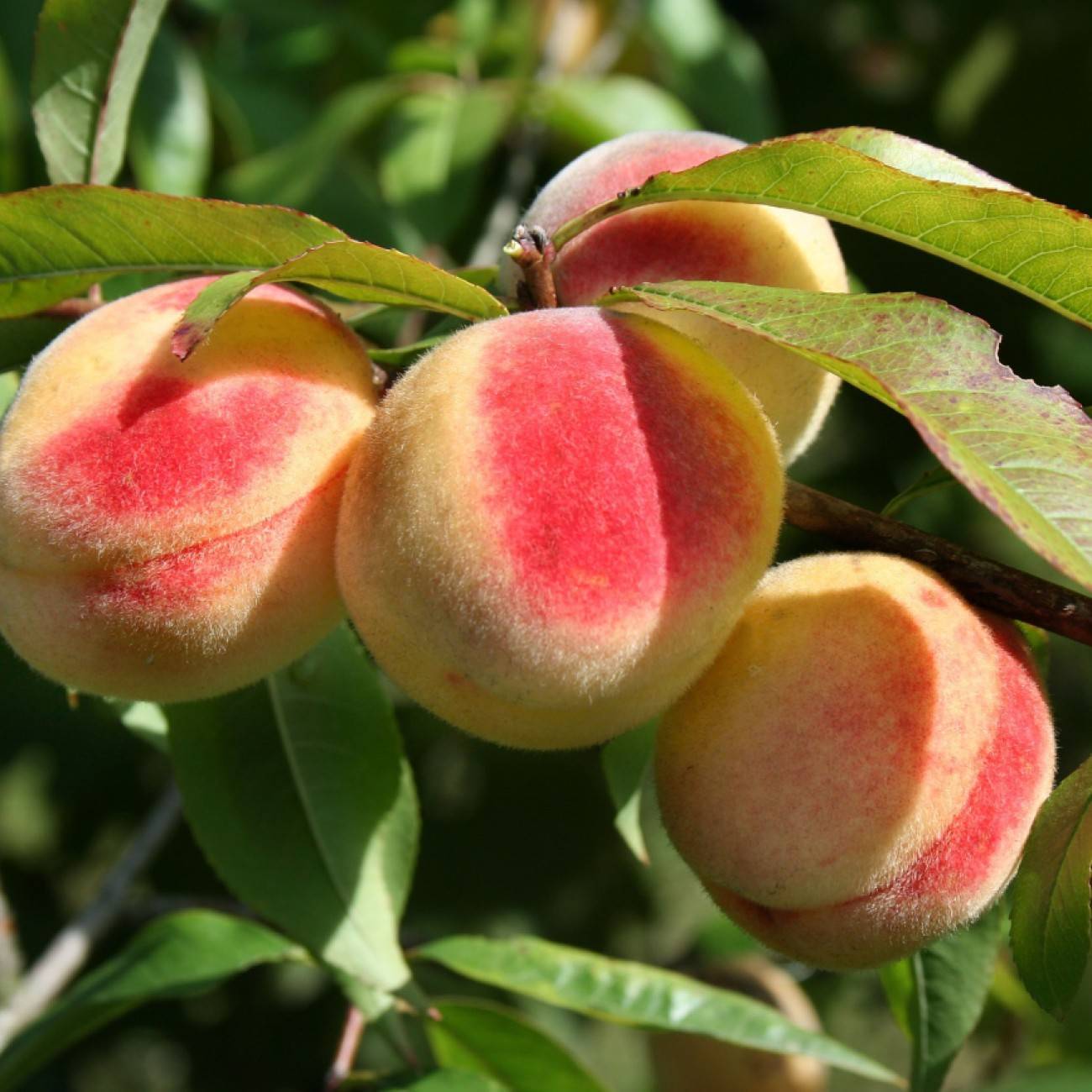
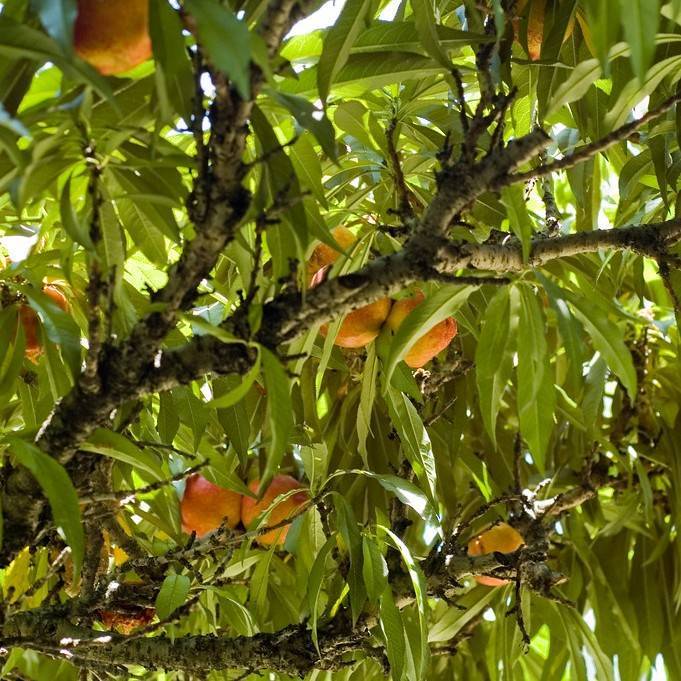
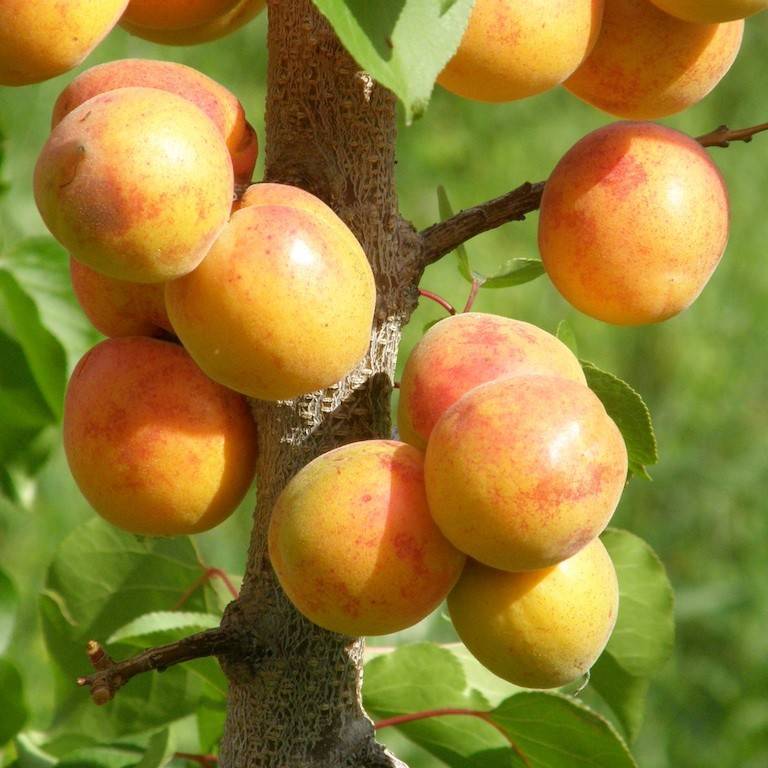
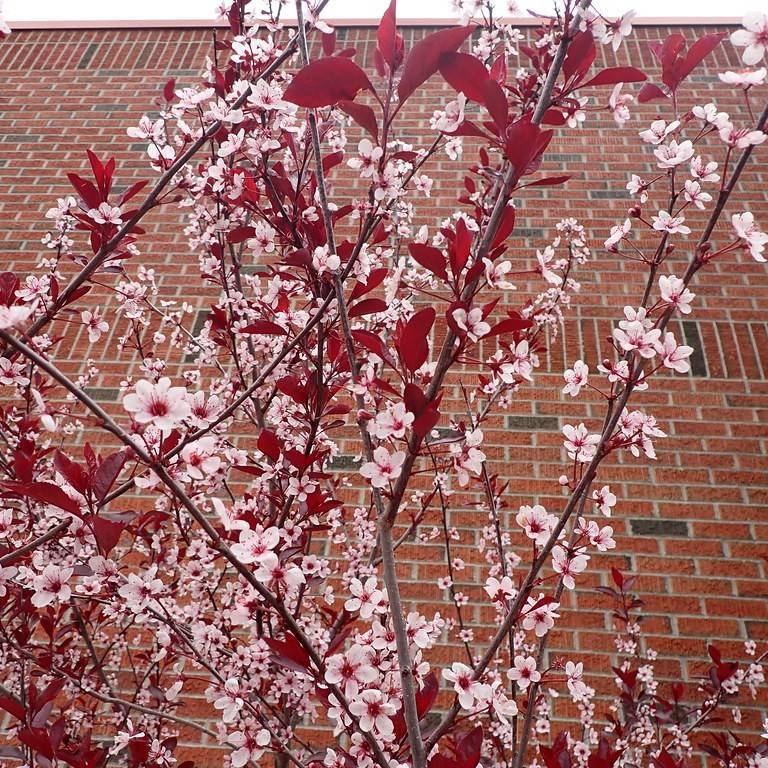
Dwarf Plum trees are grafted onto dwarfing rootstocks to limit their mature size, making them accessible to home growers with limited space, including those growing in large patio containers. They produce fragrant white spring blooms before leafing out, followed by round, sweet stone fruit that ripens from mid to late summer depending on the cultivar. Hardy in USDA zones 5 through 9, these deciduous trees drop their leaves in fall and require a period of winter chill to set fruit successfully the following growing season.
Care Guide
Watering
Water young Dwarf Plum trees deeply once or twice per week during the first growing season to establish a strong root system, allowing the top 2 to 3 inches of soil to dry out between waterings to prevent root rot. Mature trees only need supplemental watering during extended dry periods, especially while fruit is developing, as consistent moisture prevents fruit splitting. Reduce watering in late fall to help the tree acclimate to winter dormancy, and avoid overwatering in poorly draining soil.
Light
Dwarf Plum trees require full sun, defined as a minimum of 6 to 8 hours of direct, unfiltered sunlight per day, to produce abundant blooms and high-quality fruit. Insufficient light will lead to reduced fruiting, leggy growth, and increased susceptibility to fungal diseases. If grown in a container, place the tree in a south-facing location with no overhead shading from buildings or larger trees.
Soil
Plant Dwarf Plum trees in loamy, well-draining soil with a pH between 6.0 and 6.5, as acidic to slightly neutral soil supports optimal nutrient uptake and prevents root rot. Heavy clay soils should be amended with compost and coarse sand before planting to improve drainage, as the tree cannot tolerate consistently soggy root conditions. Container-grown specimens do best in a high-quality potting mix formulated for fruit trees, with added perlite to enhance drainage.
Fertilizer
Fertilize established Dwarf Plum trees in early spring before new growth emerges, using a balanced 10-10-10 slow-release fertilizer formulated for fruit trees, applying it evenly around the drip line of the tree rather than directly against the trunk. Avoid fertilizing after mid-summer, as late applications can encourage tender new growth that is vulnerable to frost damage in fall. Young trees may benefit from a second light application of nitrogen-rich fertilizer in late spring to support leafy growth, but reduce nitrogen once the tree begins fruiting to encourage flower and fruit production over foliage.
Temperature
Dwarf Plum trees thrive in average summer temperatures between 60 and 85°F (15 to 29°C), and require 700 to 1,000 hours of winter chill below 45°F (7°C) to break dormancy and produce fruit the following season. They are cold hardy down to -20°F (-29°C) when dormant, but late spring frosts can damage open blooms and reduce fruit yields, so plant the tree in a location protected from cold spring winds if possible. Container-grown trees may need to be moved to a sheltered, unheated garage or porch during extreme winter cold to protect the root system from freezing damage.
Pruning
Prune Dwarf Plum trees annually during late winter dormancy to remove dead, damaged, or crossing branches, improve air circulation through the canopy, and maintain a manageable open shape that supports fruit production. Thin out excess fruiting spurs in early spring to ensure remaining fruit has enough space to develop to full size and reduce the risk of branch breakage under heavy fruit load. Remove any suckers that grow from the rootstock below the graft union as soon as they appear, as these will divert energy away from the fruiting cultivar.
Propagation
Dwarf Plum trees are most commonly propagated via grafting, where a fruiting plum cultivar is attached to a dwarfing rootstock to control the tree’s mature size and ensure consistent fruit characteristics. Home growers can propagate semi-hardwood cuttings taken in mid-summer, treating the cut end with rooting hormone and placing it in a moist, well-draining growing medium under high humidity, though cuttings will not retain the dwarf growth habit unless grafted onto appropriate rootstock. Growing Dwarf Plum from seed is not recommended, as the resulting tree will not grow true to the parent cultivar and will typically produce smaller, lower-quality fruit on a full-sized root system.
Humidity
Dwarf Plum trees adapt well to average ambient humidity levels between 40 and 70%, which is typical of their native growing regions. High humidity combined with poor air circulation increases the risk of fungal diseases such as brown rot and powdery mildew, so ensure the canopy is pruned regularly to allow air flow between branches. Very low humidity during bloom time can reduce pollination success, so misting open blooms lightly in dry conditions can help improve fruit set.
Repotting
Container-grown Dwarf Plum trees should be repotted every 2 to 3 years in late winter before new growth emerges, moving them to a container just 2 to 3 inches larger in diameter than the current pot to avoid overpotting and excess moisture retention in unused soil. Gently loosen the root ball during repotting to encourage new root growth, and replace the old potting mix with fresh, nutrient-rich fruit tree potting mix amended with compost. Once the tree reaches its maximum desired size, root prune it every 3 to 4 years and repot it back into the same container with fresh soil to restrict growth and maintain the dwarf habit.
Uses & Symbolism
Dwarf Plum trees are primarily grown for their edible fruit, which can be eaten fresh, used in baking, jams, jellies, and preserves, or fermented into plum wine and liqueurs. Their compact size makes them popular ornamental additions to small home gardens, patio containers, and edible landscapes, with showy white spring blooms and attractive yellow to red fall foliage. Some dwarf plum cultivars are also grown as espalier specimens against walls or fences, making them ideal for narrow or limited growing spaces.
Diseases & Pests
Dwarf Plum trees are susceptible to fungal diseases including brown rot, which causes fruit to rot and develop fuzzy gray spores, and powdery mildew, which forms a white powdery coating on leaves and young shoots, both of which can be prevented with proper air circulation and regular fungicide applications in wet spring conditions. Common pests include plum curculio, a small weevil that lays eggs in developing fruit, causing it to drop prematurely, and aphids, which feed on new leaf growth and excrete sticky honeydew that leads to sooty mold. Bacterial canker is another serious issue, causing sunken, oozing lesions on branches that can kill sections of the tree, and is best managed by pruning out affected areas during dry weather and avoiding injury to the tree’s bark.
Related plants
Other plants you might like if you grow Dwarf Plum.