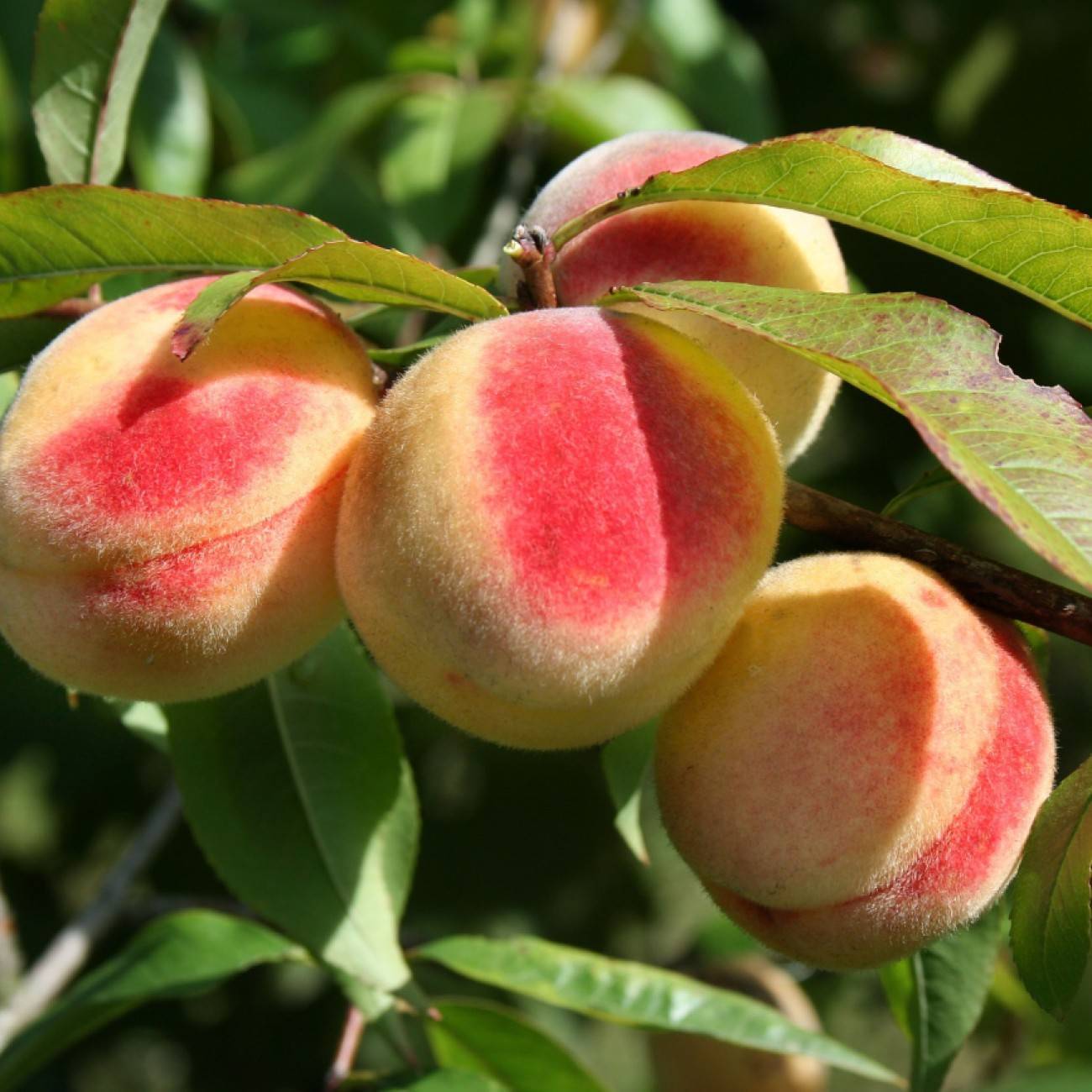
Dwarf Peach
Prunus persica var. persica 'dwarf cultivar'
Overview
Dwarf peach trees are selectively bred to remain under 6 feet tall while yielding standard-sized, juicy peaches, making them accessible to home growers without large orchard space. Most varieties are self-fertile, requiring only one tree to produce fruit, and they bloom with showy pink spring flowers before foliage emerges. Fruits ripen in mid to late summer, with flavor and texture matching full-sized peach cultivars when grown in adequate sun. They are hardy in USDA zones 5 through 9, with some cold-hardy cultivars suitable for zone 4 with winter protection.
Care Guide
Watering
Water dwarf peach trees deeply once per week during the growing season, allowing the top 2-3 inches of soil to dry out between waterings to prevent root rot. Reduce watering frequency in fall and winter when the tree is dormant, only providing moisture if the soil is completely dry. Container-grown specimens may require more frequent watering, especially during hot, dry weather, as potting mix dries out faster than in-ground soil.
Light
Dwarf peach trees require full sun, meaning a minimum of 6 to 8 hours of direct, unfiltered sunlight daily to produce abundant blooms and high-quality fruit. Insufficient light will lead to reduced fruiting, leggy growth, and increased susceptibility to fungal diseases. If grown indoors, place the tree in a south-facing window or use full-spectrum grow lights to meet its light requirements.
Soil
Plant dwarf peach trees in well-drained, loamy soil with a pH between 6.0 and 6.5 for optimal nutrient uptake and growth. Avoid heavy, waterlogged clay soils, as these will cause root rot and stunt the tree’s development. For container planting, use a high-quality potting mix amended with perlite or coarse sand to improve drainage, and ensure the pot has multiple drainage holes.
Fertilizer
Fertilize established dwarf peach trees in early spring before new growth emerges using a balanced, slow-release 10-10-10 fertilizer, following package rates based on the tree’s age and size. Apply a second light feeding of a high-potassium fertilizer after fruit set to support healthy fruit development, avoiding high-nitrogen fertilizers that encourage leafy growth over fruiting. Do not fertilize in late summer or fall, as this can stimulate tender new growth that will be damaged by winter cold.
Temperature
Dwarf peach trees thrive in temperatures between 65°F and 85°F (18°C to 29°C) during the growing season, and require 800 to 1200 chill hours (temperatures between 32°F and 45°F / 0°C to 7°C) during winter dormancy to break bud and produce fruit the following season. They can tolerate winter temperatures down to -10°F (-23°C) when dormant, but young trees or late spring blooms are susceptible to frost damage, requiring protection if temperatures drop below 32°F (0°C) after bud break. Container-grown trees should be moved to a cool, sheltered location such as an unheated garage during harsh winters to protect root systems from freezing.
Pruning
Prune dwarf peach trees in late winter while dormant to remove dead, damaged, or crossing branches, and to open up the canopy to improve air circulation and light penetration. Thin out excess fruit when they reach 1 inch in diameter, leaving 4 to 6 inches between remaining peaches to prevent branch breakage and encourage larger, better-quality fruit. Remove any suckers that grow from the rootstock below the graft union as soon as they appear, as these will divert energy from the fruiting dwarf cultivar.
Propagation
Dwarf peach trees are most commonly propagated via grafting, where a fruiting dwarf cultivar scion is attached to a hardy, disease-resistant rootstock to ensure consistent dwarf habit and fruit quality. Propagation from seed is not recommended, as the resulting trees will not retain the dwarf trait or the exact fruit characteristics of the parent plant. Softwood cuttings taken in early summer can be rooted with the use of rooting hormone and consistent moisture, though grafted trees produce fruit much faster than cutting-grown specimens.
Humidity
Dwarf peach trees prefer moderate humidity levels between 40% and 60% for optimal growth and disease prevention. High humidity combined with poor air circulation increases the risk of fungal diseases such as peach leaf curl and brown rot, so ensure the canopy is spaced to allow air flow around the tree. Indoor-grown specimens may benefit from occasional misting during very dry winter months, but avoid wetting the foliage for extended periods to prevent fungal growth.
Repotting
Repot container-grown dwarf peach trees every 2 to 3 years in late winter while dormant, moving to a pot that is 2 to 3 inches larger in diameter than the current container to give roots room to grow. Gently loosen the root ball and trim any circling or damaged roots before repotting in fresh, well-drained potting mix amended with compost for added nutrients. After repotting, water thoroughly and place the tree in a shaded location for a few days to reduce transplant shock before returning it to full sun.
Uses & Symbolism
Dwarf peach trees are primarily grown for home fruit production, yielding sweet, juicy peaches suitable for fresh eating, baking, canning, and making jams and preserves. Their compact size and showy pink spring blooms make them popular ornamental specimens for small yards, patios, and balcony container gardens. Some varieties are also grown as indoor fruiting houseplants in areas with short growing seasons, provided they receive sufficient light and winter chill hours.
Diseases & Pests
Dwarf peach trees are highly susceptible to peach leaf curl, a fungal disease that causes distorted, reddish leaves and reduced fruiting, which can be prevented with dormant fungicide sprays applied in late winter before bud break. Brown rot is another common fungal disease that affects ripening fruit, causing soft, brown lesions and fruit rot, managed by removing affected fruit promptly and improving air circulation in the canopy. Common pests include aphids, which suck sap from new growth, and peach tree borers, which tunnel into the trunk and root crown, causing dieback and tree death, controlled with horticultural oils, insecticidal soaps, and pheromone traps for borers.
Guides that mention Dwarf Peach
Related plants
Other plants you might like if you grow Dwarf Peach.
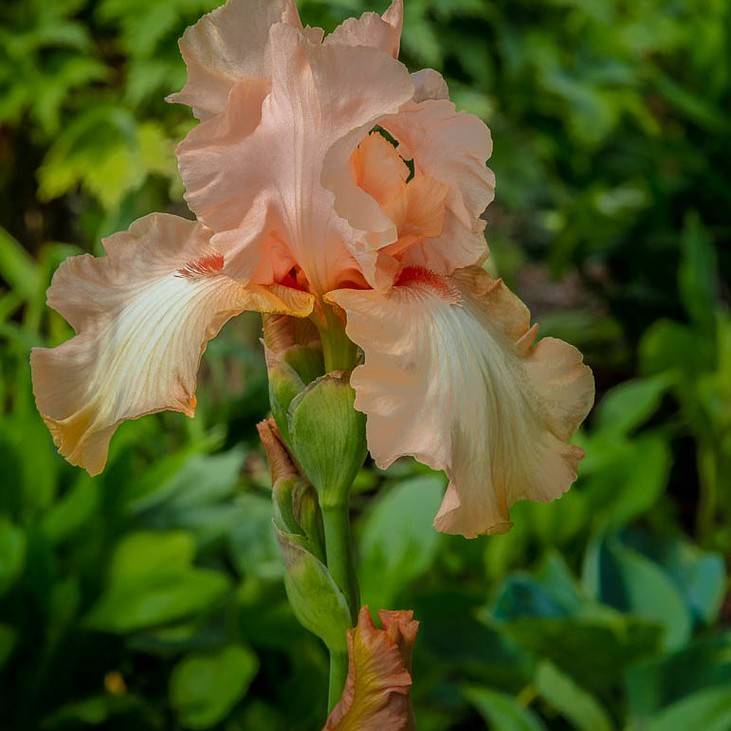
David S. Peach
Prunus persica 'David S'
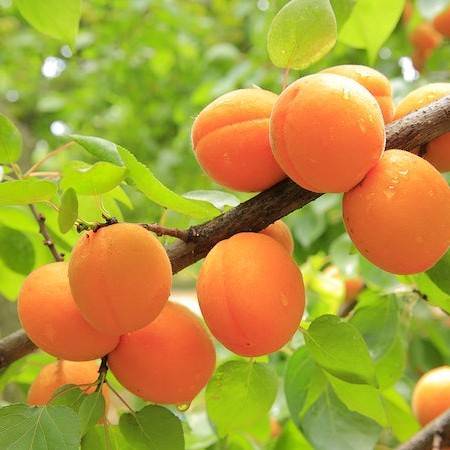
Apricot
Prunus armeniaca
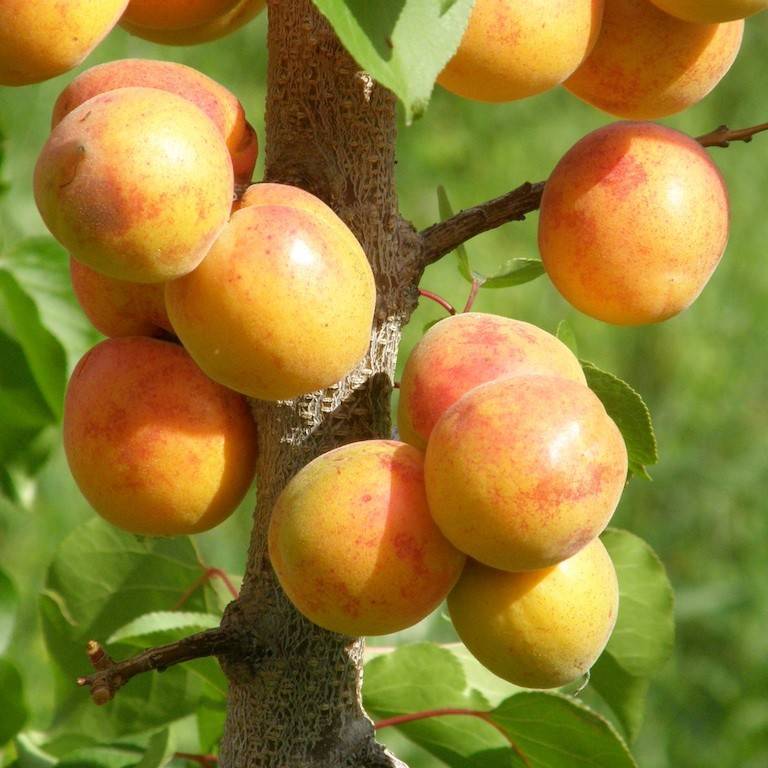
Dwarf Apricot
Prunus armeniaca 'Dwarf'
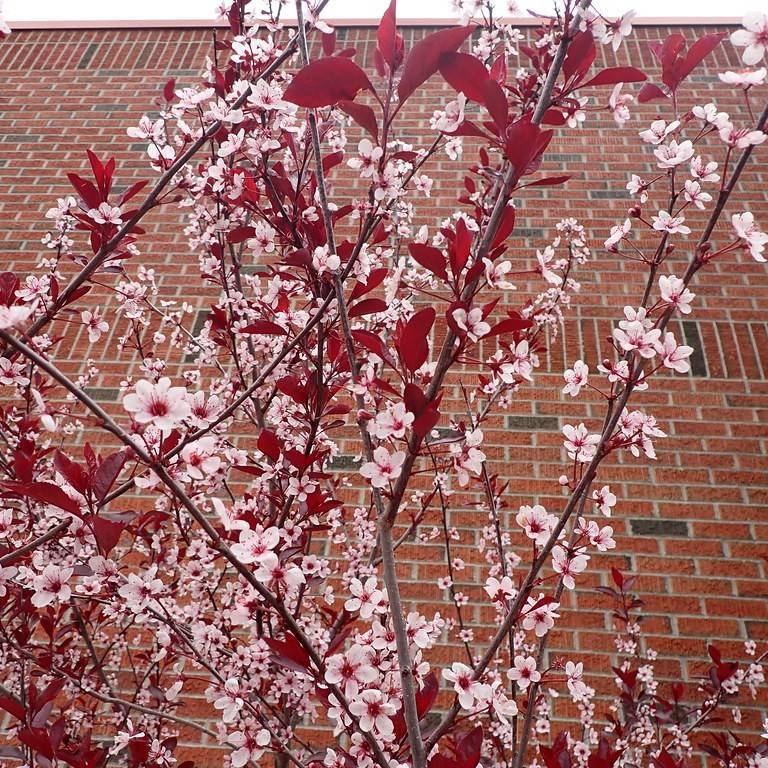
Dwarf Plum
Prunus domestica (dwarf cultivars)
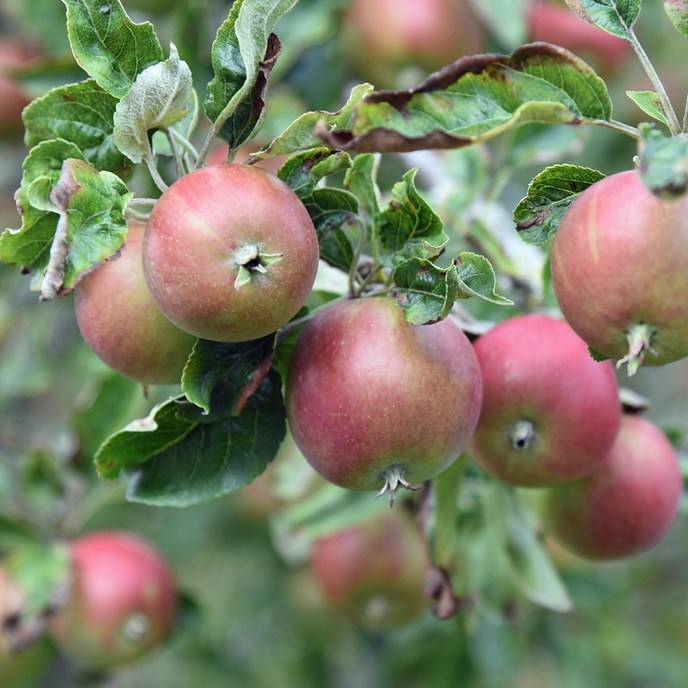
Dwarf Apple
Malus domestica (dwarf cultivars)

Canada Plum
Prunus nigra
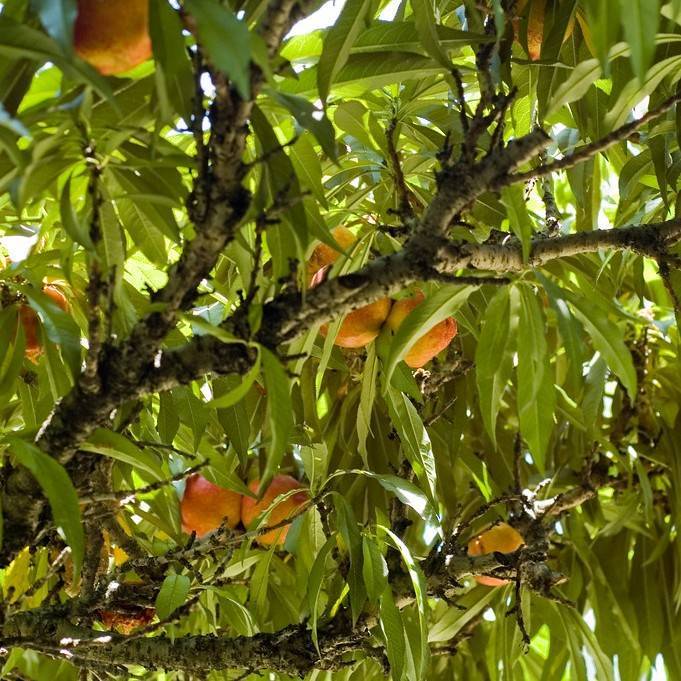
Dwarf Nectarine
Prunus persica var. nucipersica 'Dwarf'
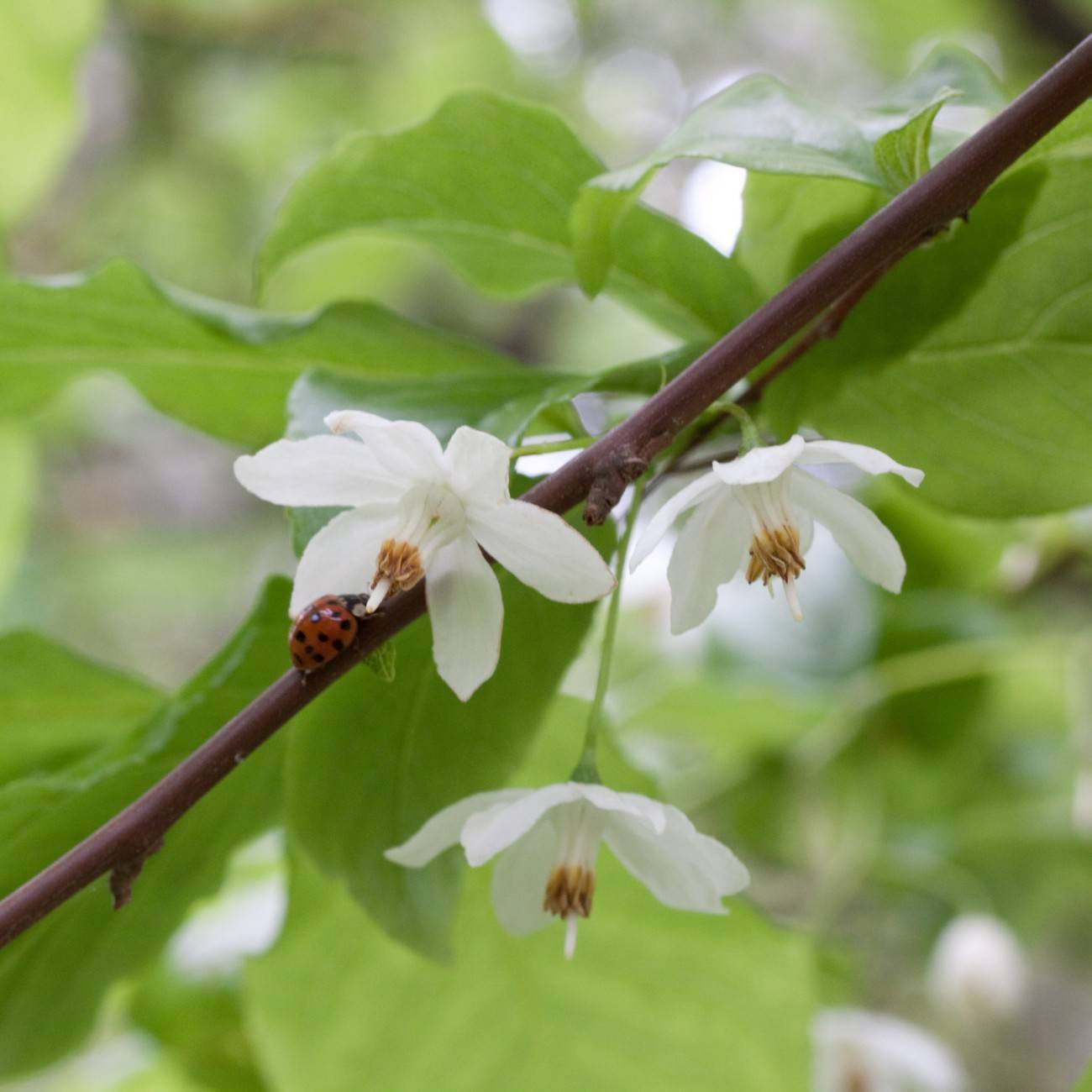
Jackfruit Tree
Artocarpus heterophyllus