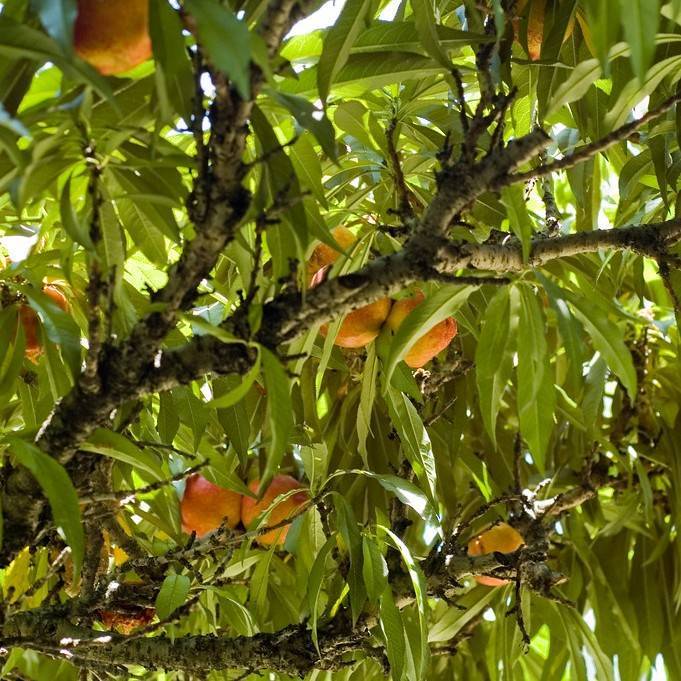
Dwarf Nectarine
Prunus persica var. nucipersica 'Dwarf'
Overview
Dwarf nectarine trees are genetically dwarfed cultivars of the standard nectarine, a smooth-skinned relative of the peach. They retain the same full-sized, sweet, juicy fruit as their full-sized counterparts but grow to a fraction of the height, making them accessible for urban gardeners and patio container planting. Deciduous in nature, they produce showy pink spring blooms before setting fruit that ripens in mid to late summer.
Care Guide
Watering
Water deeply once every 7 to 10 days during the growing season, allowing the top 2 to 3 inches of soil to dry out between waterings to prevent root rot. Reduce watering frequency in fall and winter when the tree is dormant, only moistening soil when it is completely dry to 3 inches deep. Avoid wetting the foliage when watering to lower fungal disease risk.
Light
Dwarf nectarine requires full sun, meaning a minimum of 6 to 8 hours of direct, unfiltered sunlight daily to support healthy growth, flower production, and fruit ripening. If grown indoors in containers, place it in a south-facing window or supplement with full-spectrum grow lights for 10 to 12 hours daily during the growing season. Insufficient light will reduce bloom count and result in small, underripe, flavorless fruit.
Soil
Plant dwarf nectarine in well-draining, loamy soil with a slightly acidic to neutral pH between 6.0 and 7.0. Avoid heavy clay soils that retain standing water, as this will quickly cause fatal root rot in the tree. For container growing, use a high-quality potting mix amended with perlite or coarse sand to improve drainage, and ensure the pot has multiple large drainage holes.
Fertilizer
Feed established dwarf nectarine trees in early spring before new growth emerges with a balanced, slow-release 10-10-10 NPK fertilizer formulated for fruit trees. Apply a second dose of fertilizer with a higher potassium content after fruit sets to support fruit development, avoiding applications after mid-summer to prevent tender new growth that can be damaged by fall frost. Young trees under 3 years old benefit from lighter, more frequent fertilization every 6 weeks during the growing season to support establishment.
Temperature
Dwarf nectarine thrives in temperate climates, requiring 700 to 1,000 hours of winter chill hours (temperatures between 32°F and 45°F / 0°C and 7°C) to break dormancy and produce fruit the following season. It can tolerate winter temperatures down to 10°F (-12°C) when dormant, but spring blooms are damaged by temperatures below 28°F (-2°C), so provide frost protection if late freezes are forecast. During the growing season, it prefers average temperatures between 65°F and 85°F (18°C and 29°C) for optimal fruit development.
Pruning
Prune dwarf nectarine annually in late winter while the tree is still dormant, removing dead, damaged, or crossing branches to improve air circulation and light penetration through the canopy. Thin out excess fruiting spurs to leave 4 to 6 inches between developing fruits, which prevents overbearing, reduces branch breakage, and results in larger, higher-quality nectarines. Remove any root suckers that grow from the base of the tree throughout the growing season to redirect energy to the main canopy and fruit production.
Propagation
Dwarf nectarine is most commonly propagated by grafting desired dwarf fruiting cultivars onto hardy, disease-resistant stone fruit rootstock to ensure consistent growth habit and fruit quality. While it can be grown from seed, seed-grown trees will not retain the dwarf characteristic or the exact fruit traits of the parent plant, and may take 3 to 5 years longer to produce fruit. For home gardeners, purchasing grafted saplings from reputable nurseries is the most reliable method of propagation.
Humidity
Dwarf nectarine prefers moderate humidity levels between 40% and 60% during the growing season to support healthy foliage and fruit development. High humidity above 70% combined with poor air circulation increases the risk of fungal diseases like peach leaf curl and brown rot, so ensure proper spacing between plants or prune to open the canopy if grown in humid regions. Low humidity below 30% can cause foliage browning and premature fruit drop, so mist container-grown indoor trees occasionally if ambient humidity is very low.
Repotting
Repot container-grown dwarf nectarine trees every 2 to 3 years in late winter before new growth emerges, moving to a pot that is 2 to 3 inches larger in diameter than the current container. Gently loosen the root ball and trim back any circling or rotten roots before repotting in fresh, well-draining fruit tree potting mix to encourage healthy root growth. After repotting, water thoroughly and place the tree in a shaded location for 3 to 5 days to reduce transplant shock before returning it to full sun.
Uses & Symbolism
Dwarf nectarine is primarily grown for its edible, sweet, smooth-skinned fruit, which can be eaten fresh, used in baked goods, jams, jellies, or canned for long-term storage. Its compact size and showy pink spring blooms make it a popular ornamental specimen for small gardens, patio containers, or edible landscaping, adding visual interest while producing a harvest. In temperate regions, it can be grown in containers that are moved indoors during cold winters, allowing gardeners in cooler zones to grow home-grown stone fruit.
Diseases & Pests
Dwarf nectarine is highly susceptible to peach leaf curl, a fungal disease that causes red, distorted foliage and reduced fruit production, which can be prevented with dormant fungicide sprays applied in late winter before bud break. Brown rot is another common fungal disease that affects ripening fruit, causing soft, rotting spots, and is controlled by removing infected fruit promptly, improving air circulation, and applying fungicides during wet growing seasons. Common pests include aphids, which suck sap from new growth, and plum curculio, a beetle that lays eggs in developing fruit, which can be managed with horticultural oil sprays or targeted insecticides as needed.
Related plants
Other plants you might like if you grow Dwarf Nectarine.
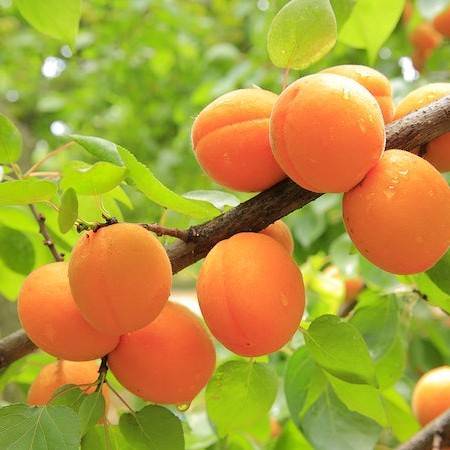
Apricot
Prunus armeniaca
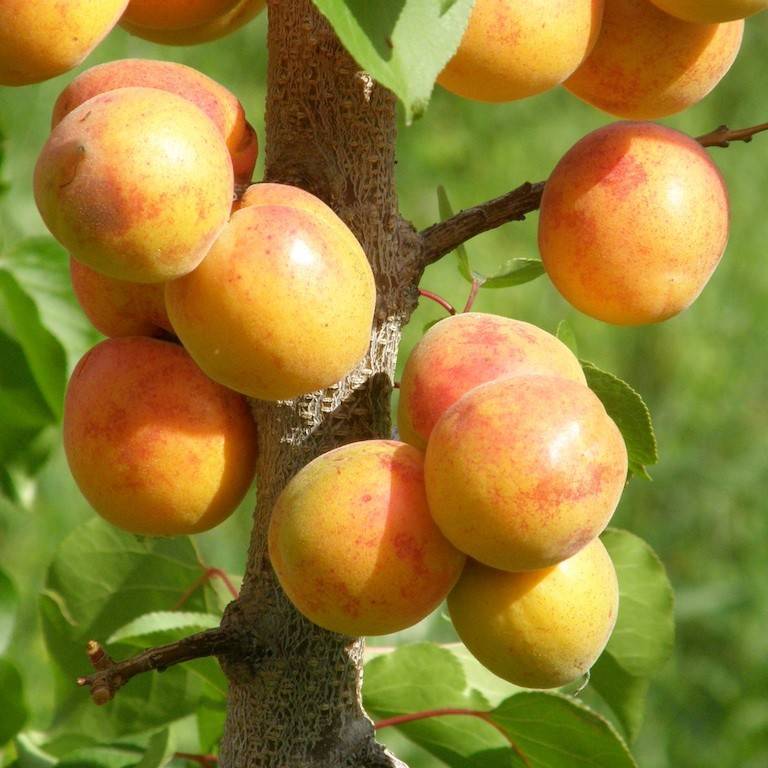
Dwarf Apricot
Prunus armeniaca 'Dwarf'
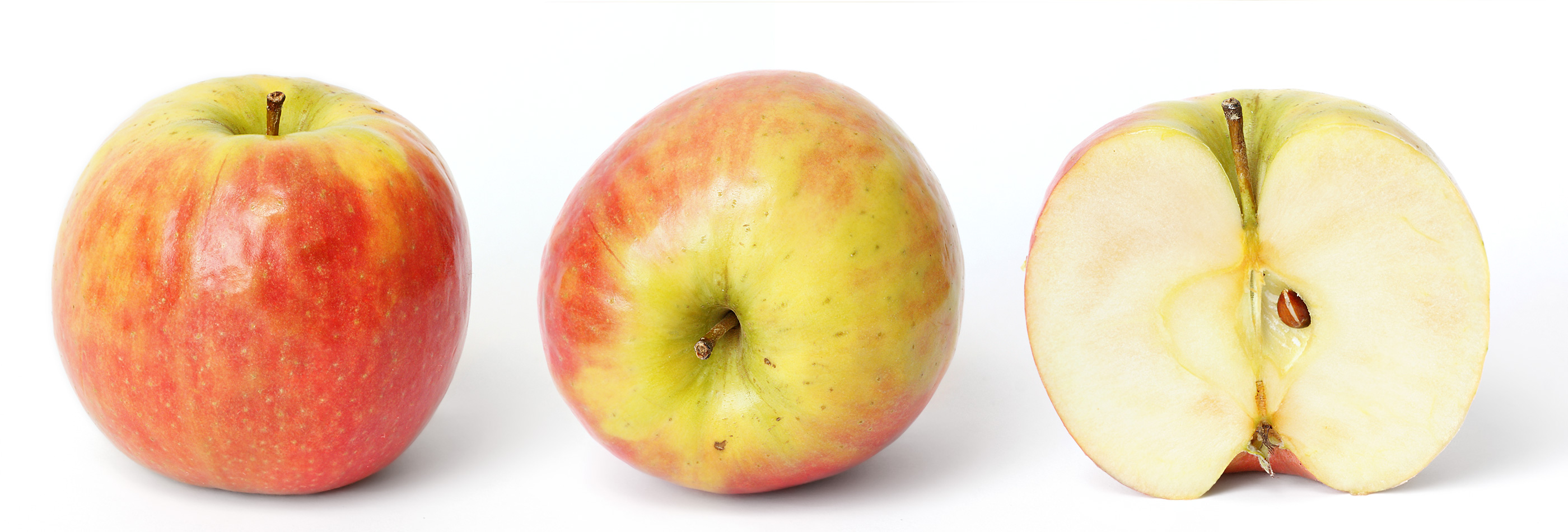
Apple
Malus domestica
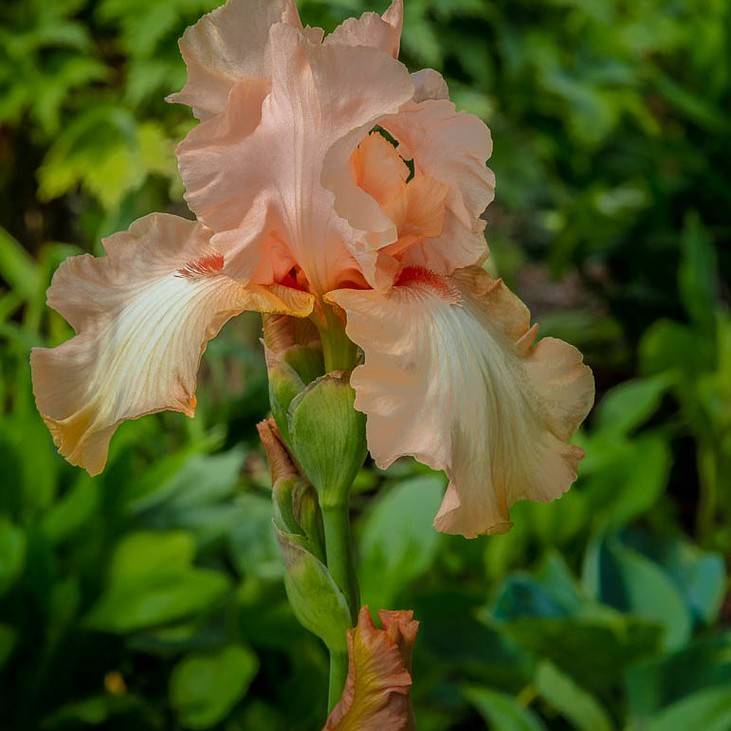
David S. Peach
Prunus persica 'David S'
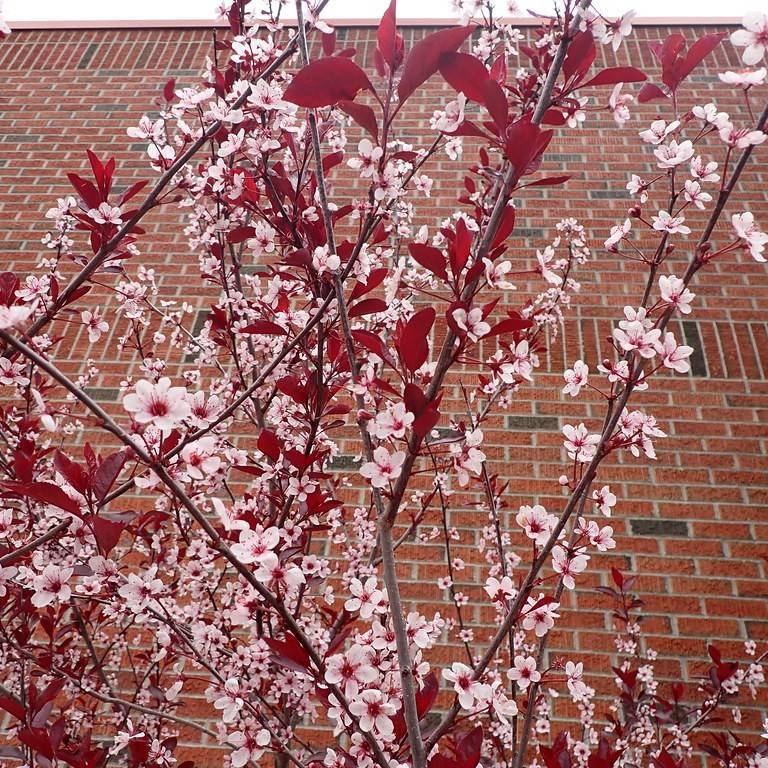
Dwarf Plum
Prunus domestica (dwarf cultivars)
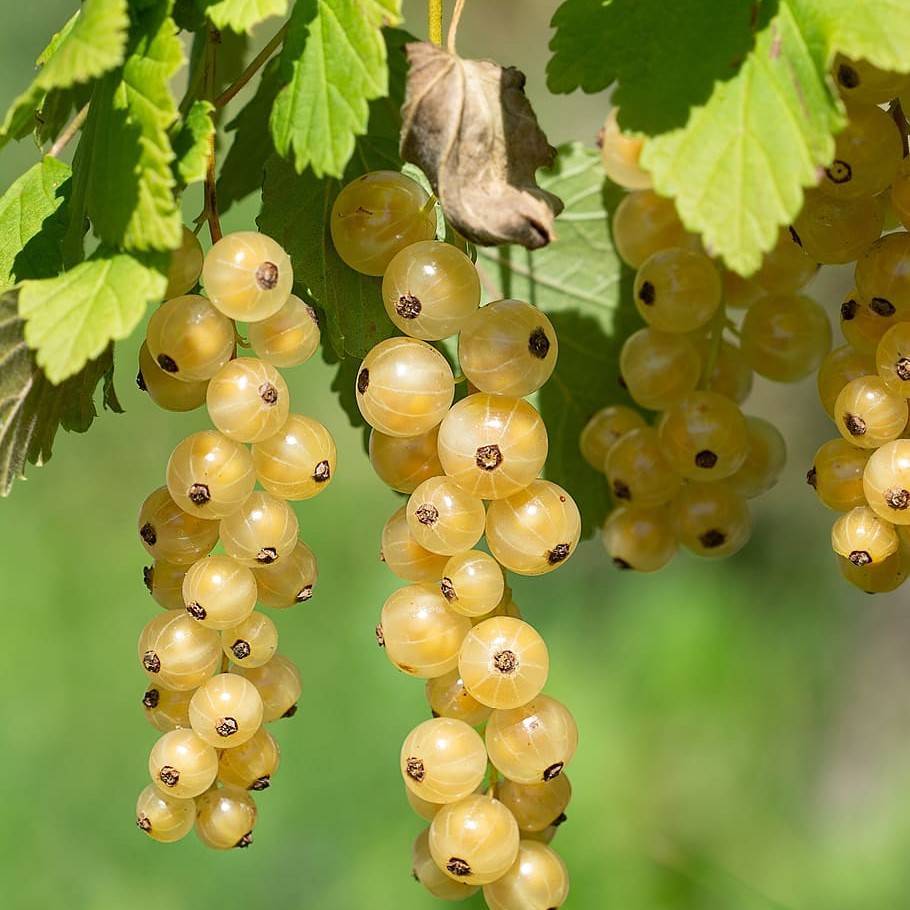
Currant
Ribes rubrum (red currant), Ribes nigrum (black currant), Ribes uva-crispa (white currant)
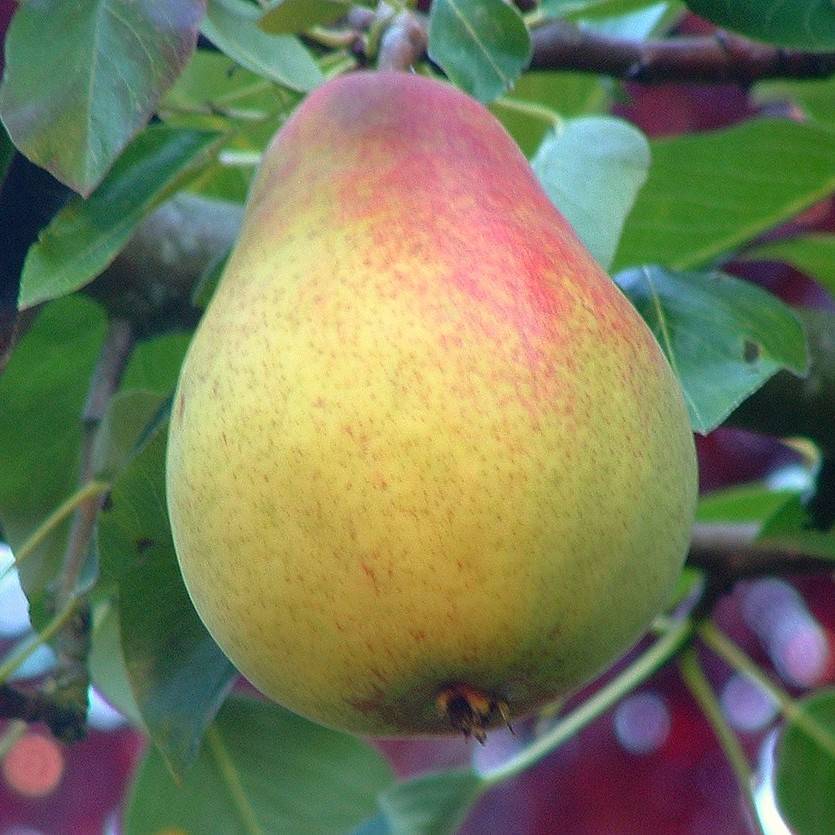
Dwarf Pear
Pyrus communis (dwarf cultivars)
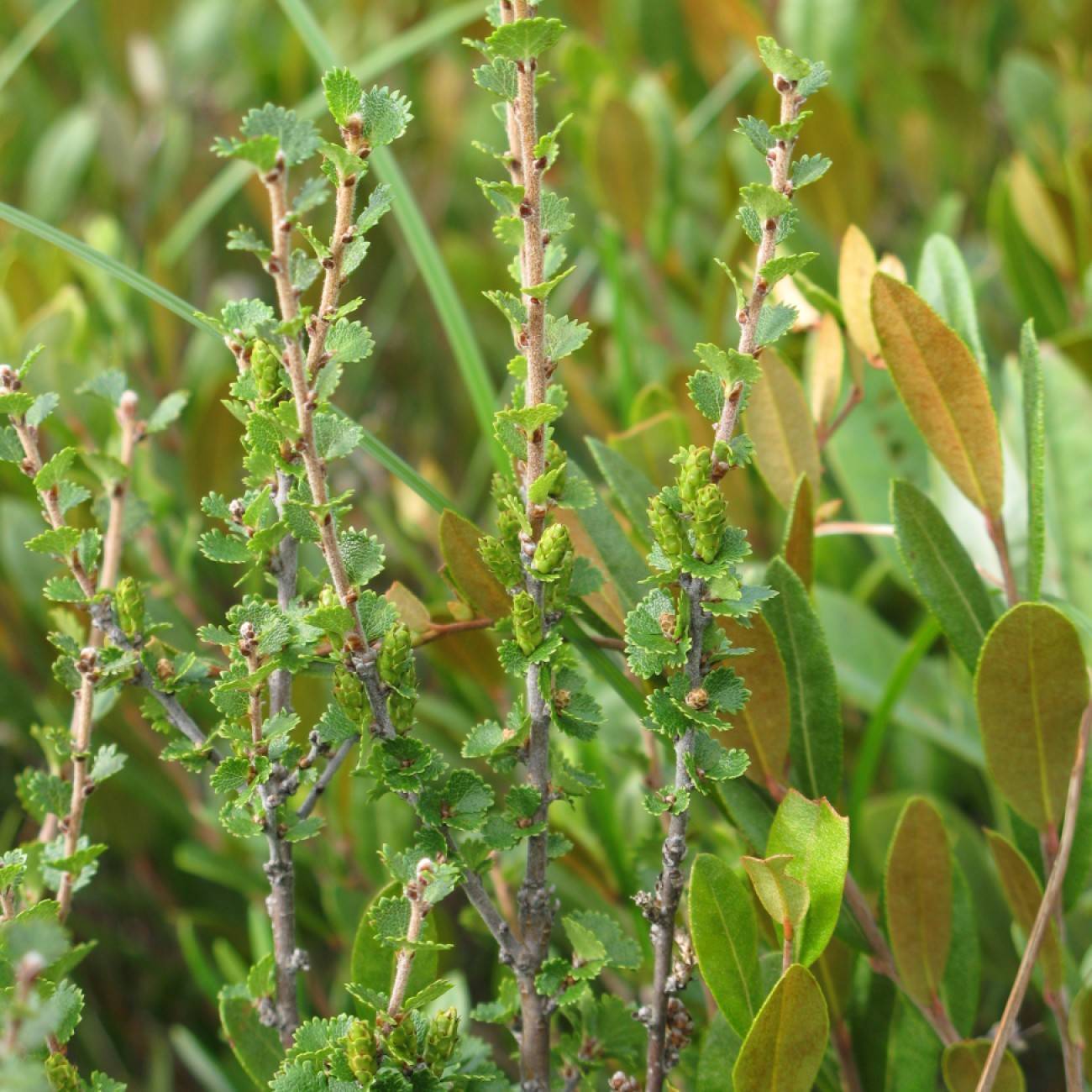
Dwarf Hybrid Blueberry
Vaccinium michauxii × Vaccinium pumilum var. pumilum