Canada Plum
Prunus nigra
Overview
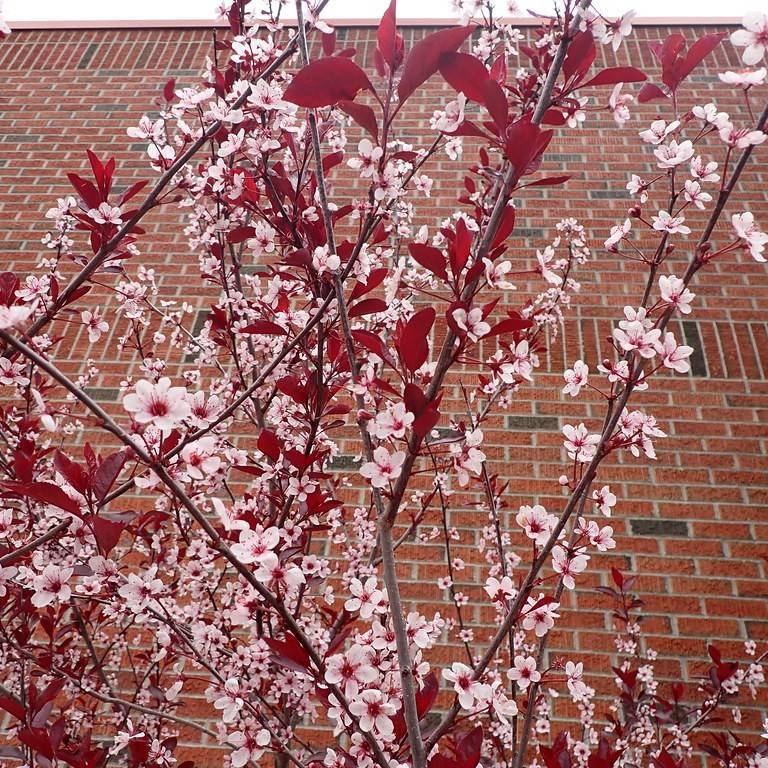
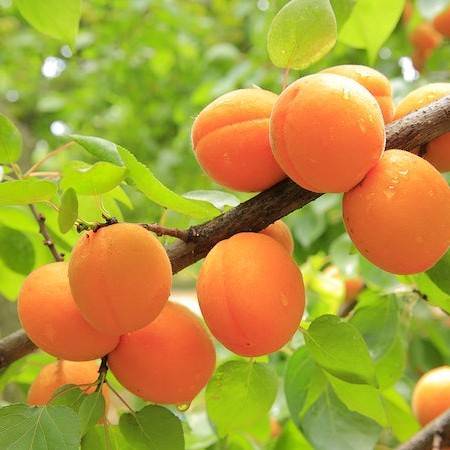
Canada Plum is a deciduous, thicket-forming small tree or large shrub native to northern North America, adapted to cold climates and a range of soil conditions. It blooms in early spring with clusters of fragrant white to pale pink flowers that support early pollinators, followed by round, 1–2 inch (2.5–5 cm) plums that ripen to a deep red-orange in late summer. Its dense, thorny branching structure makes it an effective windbreak or hedgerow plant, while its cold tolerance allows it to thrive in regions too harsh for most common cultivated plum varieties.
Care Guide
Watering
Canada Plum prefers consistent moisture, especially during fruit development, requiring roughly 1 inch (2.5 cm) of water per week from rain or supplemental irrigation. Once established, it is moderately drought tolerant, though prolonged dry periods may reduce fruit yield and cause premature leaf drop. Avoid overwatering or planting in waterlogged sites, as this can lead to root rot and fungal disease.
Light
This species thrives in full sun, requiring a minimum of 6 hours of direct, unfiltered sunlight daily to support robust flowering, fruit production, and dense foliage growth. It can tolerate partial shade, but plants grown in shadier conditions will produce fewer flowers, smaller fruit yields, and may develop sparse, leggy branching. For maximum fruiting, position trees in open, unobstructed sites with southern exposure in cooler climates.
Soil
Canada Plum adapts to a wide range of soil types, including sandy loam, clay, and rocky soils, as long as the site has good drainage. It prefers a slightly acidic to neutral soil pH between 5.5 and 7.0, though it can tolerate mildly alkaline conditions better than many other Prunus species. Amending heavy clay soils with organic matter such as compost or well-rotted manure at planting will improve drainage and support healthy root establishment.
Fertilizer
Mature Canada Plum trees require minimal fertilization, typically only needing a balanced, slow-release 10-10-10 fertilizer applied once annually in early spring before new growth emerges. Avoid applying high-nitrogen fertilizers, as these can promote excessive vegetative growth at the expense of flowering and fruiting, and increase susceptibility to pest infestations. Young trees benefit from a light application of compost or aged manure around the root zone each fall to support steady, healthy growth in their first 3–5 years.
Temperature
Canada Plum is exceptionally cold hardy, tolerating winter temperatures as low as -40°F (-40°C) in USDA hardiness zones 3 through 8. It requires a period of cold stratification (800–1,200 hours below 45°F / 7°C) during winter to break bud dormancy and produce flowers the following spring. Late spring frosts can damage open flowers and reduce fruit yields, so avoid planting trees in low-lying frost pockets where cold air accumulates.
Pruning
Prune Canada Plum trees in late winter while they are dormant, removing dead, damaged, or diseased branches first to improve air circulation and reduce pest and disease risk. Thin out crowded inner branches to allow sunlight to penetrate the canopy, which supports even fruit ripening and reduces fungal growth on foliage and fruit. Remove any root suckers that emerge around the base of the tree regularly to prevent the plant from spreading into unwanted thickets, unless naturalization is desired for wildlife habitat.
Propagation
Canada Plum is most commonly propagated from seed, which requires 3–4 months of cold stratification in moist sand or peat moss before sowing in spring to break dormancy. It can also be propagated via hardwood cuttings taken in late winter, treated with rooting hormone, and planted in well-draining potting mix, though success rates for cuttings are generally lower than seed propagation. Named cultivars are often grafted onto compatible Prunus rootstocks to ensure consistent fruit characteristics and disease resistance.
Humidity
Canada Plum adapts well to a wide range of humidity levels, thriving in the moderate to high humidity of its native eastern North American range and tolerating drier conditions in parts of the northern Great Plains. High humidity combined with poor air circulation can increase the risk of fungal diseases such as brown rot and powdery mildew, so maintain adequate spacing between trees and prune regularly to improve airflow through the canopy. It does not require supplemental humidity when grown outdoors in its appropriate hardiness zones.
Repotting
Canada Plum is rarely grown in containers long-term, as its extensive root system and large mature size make it unsuitable for prolonged pot culture. Young saplings intended for outdoor planting can be kept in 5–10 gallon (19–38 L) containers for 1–2 years before transplanting, using a well-draining, loamy potting mix and watering regularly to prevent root binding. Transplant container-grown trees to their permanent outdoor location in early spring before new growth begins, or in fall after leaf drop, for best establishment success.
Uses & Symbolism
The tart, juicy fruit of the Canada Plum is eaten fresh, cooked into jams, jellies, pies, and sauces, or fermented into wine and cider, with a flavor often described as more tangy than common cultivated plums. Its dense, thorny growth habit makes it an excellent hedgerow, windbreak, or erosion control plant for riparian areas and sloped sites, while its early spring flowers support native bees and other pollinators, and its fruit provides food for birds, deer, and other wildlife. Historically, Indigenous peoples of North America used the fruit for food and the bark for medicinal purposes to treat coughs and digestive ailments.
Diseases & Pests
Canada Plum is susceptible to several common Prunus diseases, including brown rot, a fungal infection that causes fruit to rot and develop fuzzy gray spore masses, especially in warm, wet conditions during ripening, and black knot, which forms hard, black galls on branches that can girdle and kill affected growth if left untreated. Common pests include plum curculio, a small weevil that lays eggs in developing fruit, causing it to drop prematurely, and aphids, which suck sap from new growth and can transmit viral diseases. It is also a host for the plum pox virus, though it shows fewer symptoms than many other cultivated Prunus species, and may require regular monitoring to prevent spread to nearby stone fruit crops.
Related plants
Other plants you might like if you grow Canada Plum.