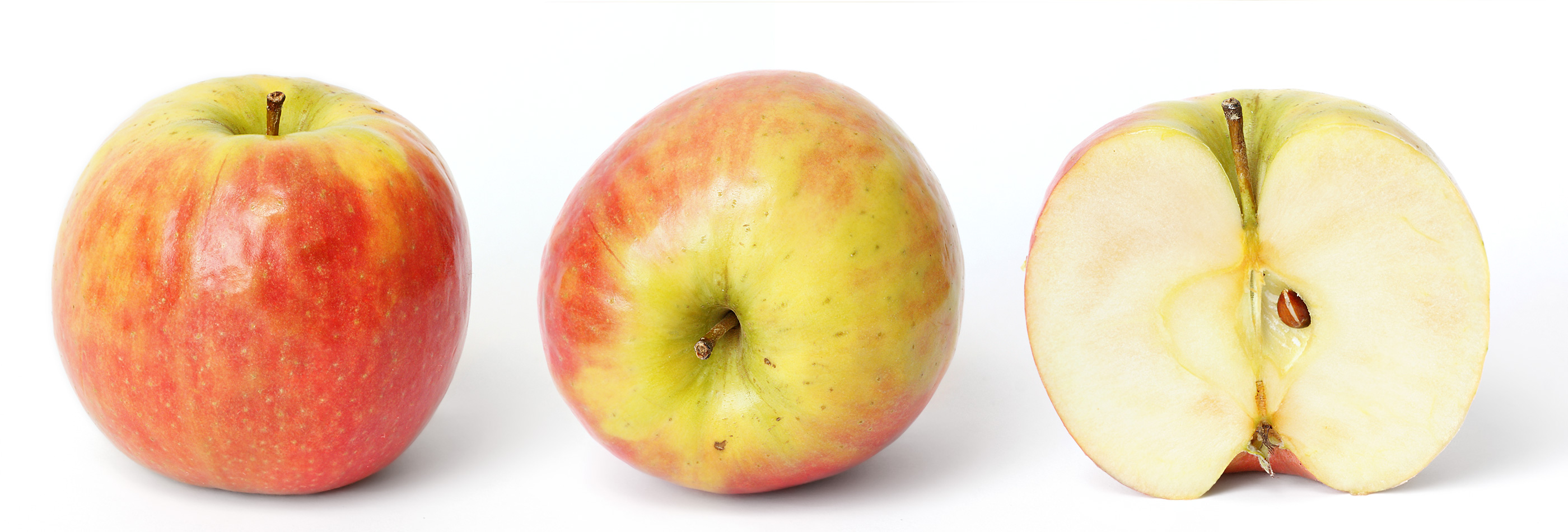
Apple
Malus domestica
Overview
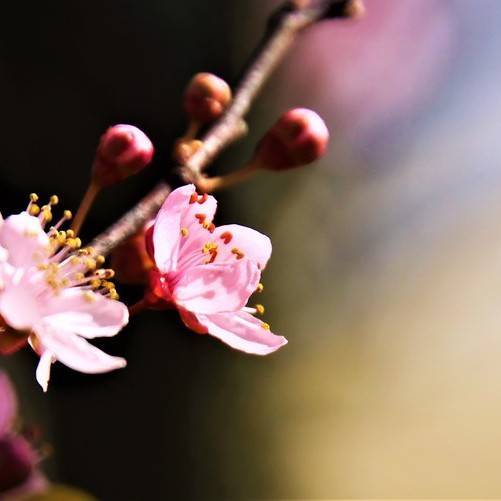
Apple trees are deciduous members of the rose family, cultivated for over 4,000 years with more than 7,500 recognized cultivars ranging from sweet eating apples to tart cooking varieties. Native to Central Asia, they have been selectively bred to adapt to diverse temperate environments, with most commercial cultivars grafted onto size-controlling rootstocks to simplify harvesting and pest management. In spring, they produce fragrant white-pink blossoms that require cross-pollination from compatible apple varieties to set fruit, which matures from late summer to late fall depending on the cultivar.
Care Guide
Watering
Young apple trees need regular, deep watering 1-2 times per week during their first 2-3 growing seasons to establish a robust root system, ensuring the top 12-18 inches of soil stay consistently moist but not waterlogged. Mature trees only require supplemental watering during extended dry periods, as overwatering increases risk of root rot and fungal disease. Reduce watering in late fall to harden off the tree before winter dormancy.
Light
Apple trees require full, direct sunlight for a minimum of 6-8 hours per day to produce abundant blooms and high-quality fruit, as insufficient light reduces fruit sugar content and increases susceptibility to fungal pathogens. Avoid planting in shaded areas near tall buildings or large trees that block light, as this will also lead to sparse, leggy growth and reduced yields. When grown in containers, position trees in a south-facing location with unobstructed sunlight for the entire growing season.
Soil
Apple trees thrive in deep, well-drained loamy soil with a slightly acidic to neutral pH between 6.0 and 7.0, as poorly drained heavy clay soils lead to root rot and stunted growth. Amend heavy clay or sandy soils with aged compost or well-rotted manure before planting to improve soil structure, nutrient retention, and drainage. Avoid planting in low-lying areas where cold air and water pool, as this increases frost damage risk and root disease prevalence.
Fertilizer
Young apple trees benefit from a balanced 10-10-10 granular fertilizer applied in early spring just before new growth emerges, with 1/2 pound applied per year of tree age up to a maximum of 8 pounds per mature tree. Mature fruit-bearing trees require a higher nitrogen fertilizer in early spring, followed by a phosphorus and potassium-rich fertilizer after bloom to support fruit development, avoiding late-season fertilization that can encourage tender new growth susceptible to winter damage. Organic growers can use well-rotted cow manure or compost applied as a topdress around the root zone in early spring to provide slow-release nutrients throughout the growing season.
Temperature
Apple trees require a cold dormant period of 800-1,700 hours below 45°F (7°C) each winter to break bud dormancy and produce blooms the following spring, making them unsuitable for tropical or subtropical climates without sufficient winter chill. They grow best in regions with summer temperatures between 60-85°F (15-29°C), as temperatures above 90°F (32°C) during fruit development can cause sunscald and reduce fruit quality. Most cultivars are hardy to USDA zones 4-8, with some cold-hardy varieties adapted to zone 3 and low-chill varieties suitable for zones 9-10.
Pruning
Prune apple trees annually during late winter dormancy to remove dead, diseased, or crossing branches, improve air circulation through the canopy, and maintain an open, vase-like structure that allows sunlight to reach inner fruiting wood. Thin fruit clusters to 1-2 fruits per cluster when they are 1/2 inch in diameter, spacing clusters 6-8 inches apart, to prevent branch breakage, reduce pest pressure, and produce larger, higher-quality fruit. Remove water sprouts (vigorous vertical shoots growing from main branches) and suckers growing from the rootstock throughout the growing season to redirect energy to fruit production.
Propagation
Apple trees are most commonly propagated via grafting, where a desired fruiting cultivar scion is attached to a size-controlling or disease-resistant rootstock, as trees grown from seed do not retain the characteristics of the parent plant and take 5-10 years to produce fruit. Softwood cuttings taken in early summer can be rooted with the use of rooting hormone and consistent moisture, though this method is less common than grafting due to lower success rates and weaker root systems. For home growers, purchasing grafted nursery trees is the most reliable method to ensure consistent fruit quality, disease resistance, and predictable mature size.
Humidity
Apple trees prefer moderate humidity levels between 40-70% during the growing season, as high humidity above 80% combined with warm temperatures increases the risk of fungal diseases like apple scab, powdery mildew, and fire blight. Good air circulation through proper pruning helps reduce excess moisture on leaf and fruit surfaces, minimizing fungal spore germination even in more humid climates. Very low humidity below 30% can cause leaf scorch and reduce fruit set, so occasional misting may be beneficial for container-grown trees in arid regions.
Repotting
Dwarf apple trees grown in containers require repotting every 2-3 years in late winter before new growth emerges, moving to a pot 2-3 inches larger than the current one to accommodate root growth without excess soil that holds unnecessary moisture. When repotting, gently trim 1/4 of the outer root ball to encourage new root growth, and replace the old potting mix with a well-drained blend of loam, compost, and perlite to maintain good aeration and nutrient content. After repotting, water thoroughly and place the tree in a sheltered, partially shaded location for 1-2 weeks to reduce transplant shock before returning it to full sun.
Uses & Symbolism
Apple fruits are eaten fresh, cooked into pies, sauces, and baked goods, fermented into cider, vinegar, and wine, and dried for long-term storage, with different cultivars selected for specific culinary uses based on their sweetness, tartness, and texture. The wood of apple trees is dense and fragrant, used for smoking meats, crafting small furniture, and making woodwind instruments, while the spring blossoms are valued for ornamental use and as a nectar source for honeybees. In traditional medicine, apple extracts have been used to support digestive health, and modern research links regular apple consumption to reduced risk of heart disease and type 2 diabetes.
Diseases & Pests
Apple scab, a fungal disease caused by Venturia inaequalis, is the most prevalent issue, causing dark, scabby lesions on leaves and fruit and reducing crop yield and quality; it is managed via resistant cultivars, proper pruning for air circulation, and fungicide applications in wet spring weather. Fire blight, a bacterial disease spread by pollinators during bloom, causes branches to wilt and turn black as if burned, requiring immediate removal of infected wood and copper sprays to prevent spread. Common pests include codling moths, whose larvae burrow into fruit, and apple maggot flies, which lay eggs in developing fruit; they are controlled via pheromone traps, bagging fruit, and targeted insecticide applications during the egg-laying period.
Related plants
Other plants you might like if you grow Apple.