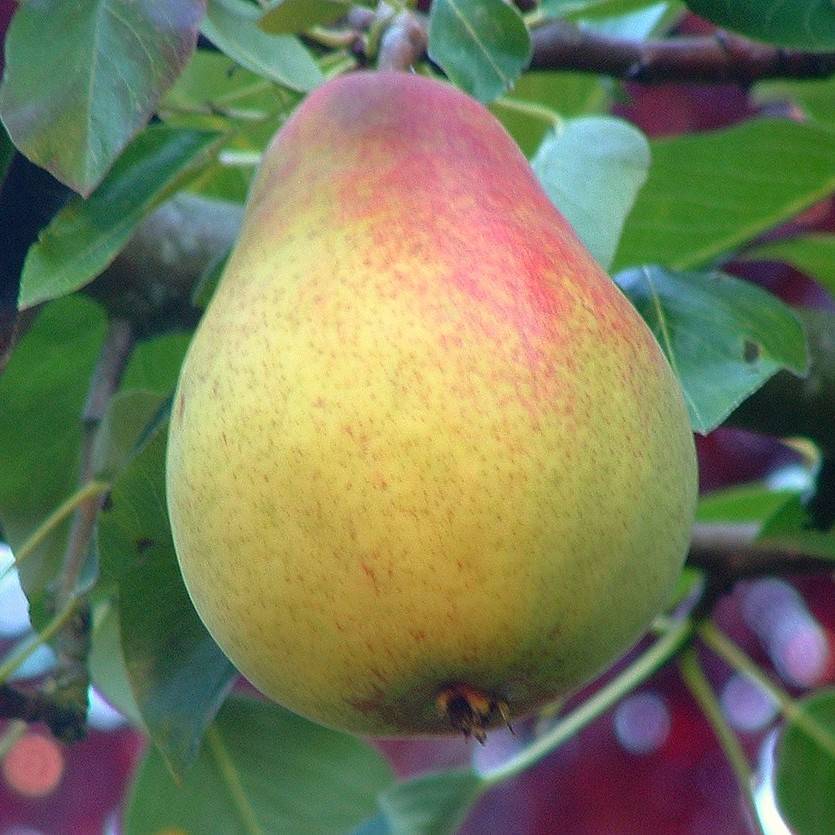
Dwarf Pear
Pyrus communis (dwarf cultivars)
Overview
Dwarf pear trees are created by grafting standard pear scions onto dwarfing rootstocks, which limit overall size while retaining full-sized, flavorful fruit. They begin bearing fruit 2 to 3 years after planting, much earlier than standard pear trees that can take 5 to 7 years to produce. These trees thrive in temperate climates, and their compact stature makes them suitable for container growing and small urban yards.
Care Guide
Watering
Water deeply once per week during the growing season, ensuring the top 6 to 8 inches of soil remain consistently moist but not waterlogged. Reduce watering frequency in fall and winter to prevent root rot, allowing the top 2 inches of soil to dry out between sessions. Avoid wetting the foliage when watering to lower the risk of fungal diseases.
Light
Dwarf pear trees require full sun, meaning at least 6 to 8 hours of direct, unfiltered sunlight per day to support healthy growth and abundant fruit production. Insufficient light will lead to reduced fruiting, leggy growth, and increased susceptibility to pest and disease issues. They can tolerate partial shade for short periods, but yields will be significantly diminished.
Soil
Plant dwarf pear trees in well-draining, loamy soil with a pH between 6.0 and 7.0 for optimal nutrient uptake. Heavy clay soils should be amended with compost or aged manure to improve drainage, as standing water will quickly cause root rot. If growing in a container, use a high-quality potting mix blended with perlite to enhance aeration and drainage.
Fertilizer
Apply a balanced, slow-release 10-10-10 fertilizer in early spring before new growth emerges, spreading it evenly around the drip line of the tree, not against the trunk. Avoid over-fertilizing with high-nitrogen products, as this can encourage excessive leaf growth at the expense of fruit production. Mature, fruiting trees benefit from an additional application of phosphorus-rich fertilizer in late spring to support fruit development.
Temperature
Dwarf pear trees are cold hardy to USDA zones 4 through 8, requiring 800 to 1200 hours of winter chill (temperatures between 32 and 45°F / 0 and 7°C) to break dormancy and produce fruit properly. They can tolerate short periods of temperatures as low as -20°F (-29°C) when dormant, but spring frost can damage emerging buds and blossoms, reducing the year’s yield. In warmer zones, select low-chill cultivars to ensure adequate dormancy fulfillment.
Pruning
Prune dwarf pear trees in late winter while the tree is dormant, removing dead, damaged, or crossing branches to improve air circulation and light penetration throughout the canopy. Maintain an open center or modified central leader structure to support heavy fruit loads and prevent branch breakage. Thin developing fruit in early summer, leaving 4 to 6 inches between each pear, to reduce branch stress and improve fruit size and flavor.
Propagation
Dwarf pear trees are almost exclusively propagated via grafting, attaching a desired fruit-producing scion to a dwarfing rootstock to ensure consistent dwarf size and fruit characteristics. Growing from seed is not recommended, as the resulting tree will not retain the dwarf growth habit and will produce fruit that is variable in quality and flavor. Softwood cuttings can be rooted in late spring with the use of rooting hormone, but grafting is far more reliable for producing true-to-type dwarf trees.
Humidity
Dwarf pear trees prefer moderate humidity levels between 40% and 60%, which supports healthy growth and reduces the risk of fungal leaf and fruit diseases. High humidity combined with poor air circulation increases the likelihood of fire blight, powdery mildew, and fruit scab, so ensure adequate spacing between trees if planting multiple specimens. Low humidity in arid regions can lead to leaf scorch, so occasional overhead misting or mulching to retain soil moisture can help mitigate stress.
Repotting
Container-grown dwarf pear trees should be repotted every 2 to 3 years in late winter before new growth begins, moving to a pot one size larger with fresh potting mix. Trim back 1/3 of the root ball during repotting to control growth and prevent the tree from becoming root-bound, which can reduce fruiting and overall health. Ensure the new pot has ample drainage holes, and add a layer of gravel at the bottom to prevent water from pooling around the roots.
Uses & Symbolism
Dwarf pear trees are primarily grown for their edible, sweet fruit, which is eaten fresh, used in baked goods, jams, jellies, and fermented into perry (pear cider). Their compact size and attractive spring blossoms make them popular ornamental trees for small gardens, patios, and edible landscaping designs. They are also grown in commercial orchards to simplify harvesting and reduce maintenance costs, as their short stature eliminates the need for specialized climbing equipment.
Diseases & Pests
Dwarf pear trees are highly susceptible to fire blight, a bacterial disease that causes blackened, wilted branches that appear burned, requiring immediate pruning of affected areas and copper fungicide applications to prevent spread. Pear scab, a fungal disease, causes dark, scabby lesions on fruit and leaves, reducing fruit quality and yield, and is controlled by proper air circulation and regular fungicide sprays in wet spring weather. Common pests include pear psylla, codling moths, and aphids, which can be managed with horticultural oil sprays in early spring and integrated pest management practices such as introducing beneficial predatory insects.
Related plants
Other plants you might like if you grow Dwarf Pear.