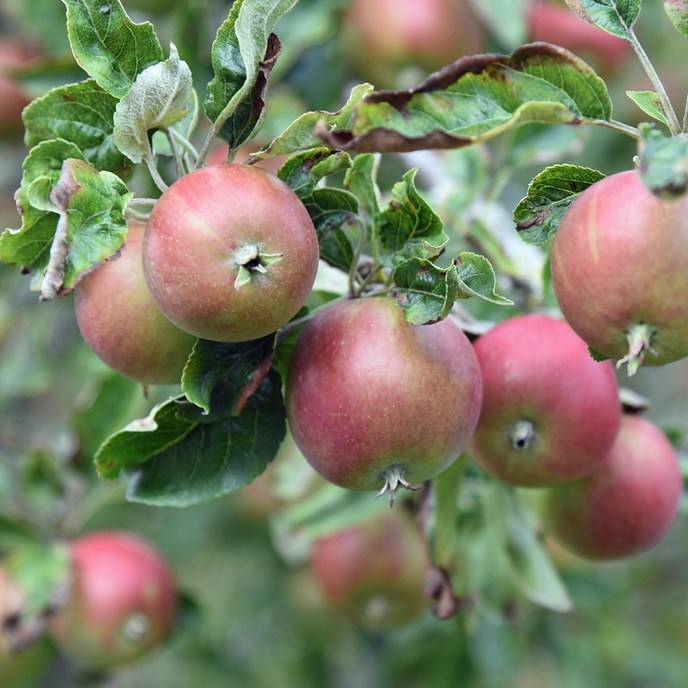
Dwarf Apple
Malus domestica (dwarf cultivars)
Overview
Dwarf apple trees are created by grafting standard apple scion varieties onto size-limiting rootstocks, reducing mature size by 50-70% compared to standard apple trees. They begin bearing fruit 2-3 years after planting, much earlier than full-sized counterparts, making them popular for home gardeners with limited space. Most cultivars require cross-pollination with a compatible apple variety to produce a reliable harvest.
Care Guide
Watering
Water deeply every 7-10 days during active growth, allowing the top 2-3 inches of soil to dry out between waterings to prevent root rot. Reduce watering frequency in fall and winter when the tree is dormant, only providing moisture if the soil is completely dry. Container-grown specimens will need more frequent watering, especially during hot summer weather.
Light
Plant in a location that receives full, direct sunlight for a minimum of 6-8 hours per day to support healthy foliage, flower development, and fruit production. Indoor container-grown dwarf apples require bright, unobstructed southern exposure, or supplemental grow lights if natural light is insufficient. Insufficient light will result in sparse growth, reduced flowering, and little to no fruit set.
Soil
Grows best in well-draining, loamy soil with a slightly acidic to neutral pH between 6.0 and 7.0. Heavy clay or waterlogged soils should be amended with compost or perlite to improve drainage, as standing water will quickly cause root rot. For container growing, use a high-quality, well-aerated potting mix designed for fruit trees, with added organic matter to support nutrient retention.
Fertilizer
Feed with a balanced, slow-release fruit tree fertilizer in early spring before new growth emerges, following package instructions to avoid over-fertilizing which can promote excessive foliage growth at the expense of fruit. Avoid high-nitrogen fertilizers during flowering and fruiting, as they can cause flower drop and reduce harvest size. Container-grown trees benefit from a diluted liquid fertilizer application every 4-6 weeks during the growing season.
Temperature
Thrives in temperate climates with cold winter temperatures between 32-45°F (0-7°C) for 800-1,200 chill hours (depending on cultivar) to break dormancy and support spring flowering. Mature trees are cold hardy to -20°F (-29°C), but young saplings and container-grown specimens should be protected from extreme cold snaps. Summer temperatures between 60-85°F (16-29°C) are ideal for fruit development, with protection from extreme heat above 95°F (35°C) to prevent sunscald on fruit.
Pruning
Prune annually during late winter dormancy to remove dead, damaged, or crossing branches, and to open up the canopy to improve air circulation and light penetration. Thin out excess fruit spurs and young fruit in early summer to prevent overbearing, which can lead to small, low-quality fruit and branch breakage. Keep the central leader or desired shape trimmed to maintain the tree’s small size and make harvesting easier.
Propagation
Most commonly propagated via grafting, where a scion from a desired fruit cultivar is attached to a dwarfing rootstock to ensure consistent size and fruit characteristics. Growing from seed is not recommended, as the resulting tree will not retain the dwarf growth habit or fruit traits of the parent plant. Softwood cuttings can be taken in early summer, but they have low success rates and will not produce dwarf trees unless grafted later.
Humidity
Adaptable to average temperate humidity levels between 40-70%, which supports healthy growth and fruit development. High humidity combined with poor air circulation can increase the risk of fungal diseases such as powdery mildew and apple scab. Very low humidity, especially indoors during winter, can cause leaf drop, so misting or a pebble tray may be beneficial for container-grown indoor specimens.
Repotting
Container-grown dwarf apple trees should be repotted every 2-3 years in late winter before new growth begins, moving to a pot only 1-2 sizes larger than the current one to avoid overpotting and waterlogged soil. Trim back 1/3 of the root ball during repotting to restrict growth and keep the tree compact, refreshing the potting mix with new organic matter each time. Once the tree reaches its desired mature size, repot into the same size pot with root pruning every 3-4 years to maintain health without increasing size.
Uses & Symbolism
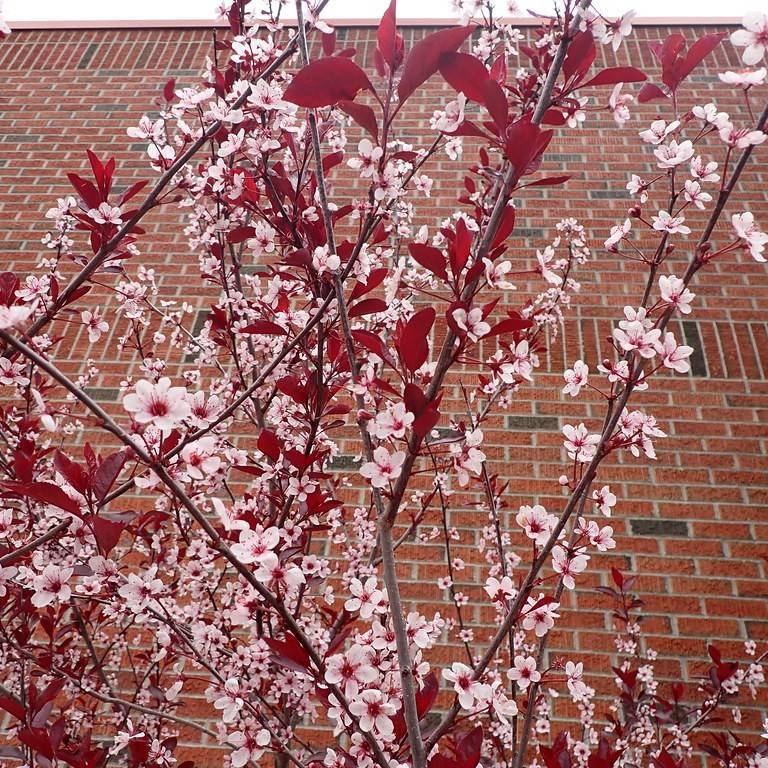
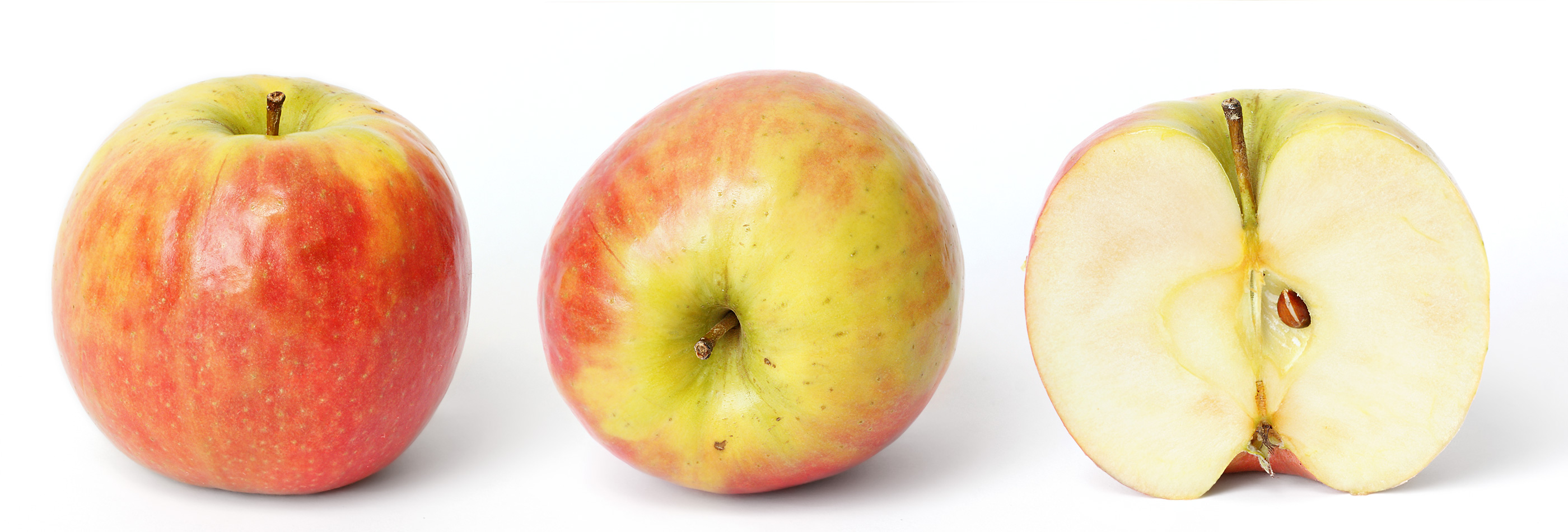
Dwarf apple trees are primarily grown for home fruit production, yielding full-sized, flavorful apples suitable for fresh eating, baking, cider, and preserves. Their compact size makes them ideal for small urban gardens, patio containers, and even indoor growing in bright spaces, adding ornamental value with spring pink and white blossoms and colorful fall foliage. They are also used in edible landscaping, where they provide both aesthetic appeal and a functional food crop in limited space.
Diseases & Pests
Common fungal diseases include apple scab, which causes dark lesions on leaves and fruit, and powdery mildew, which forms a white coating on foliage, both exacerbated by high humidity and poor air circulation. Common pests include aphids, codling moths, and apple maggot flies, which damage foliage and bore into fruit, reducing harvest quality. Fire blight, a bacterial disease, can cause sudden wilting and blackening of branches, requiring immediate pruning of affected areas to prevent spread.
Related plants
Other plants you might like if you grow Dwarf Apple.