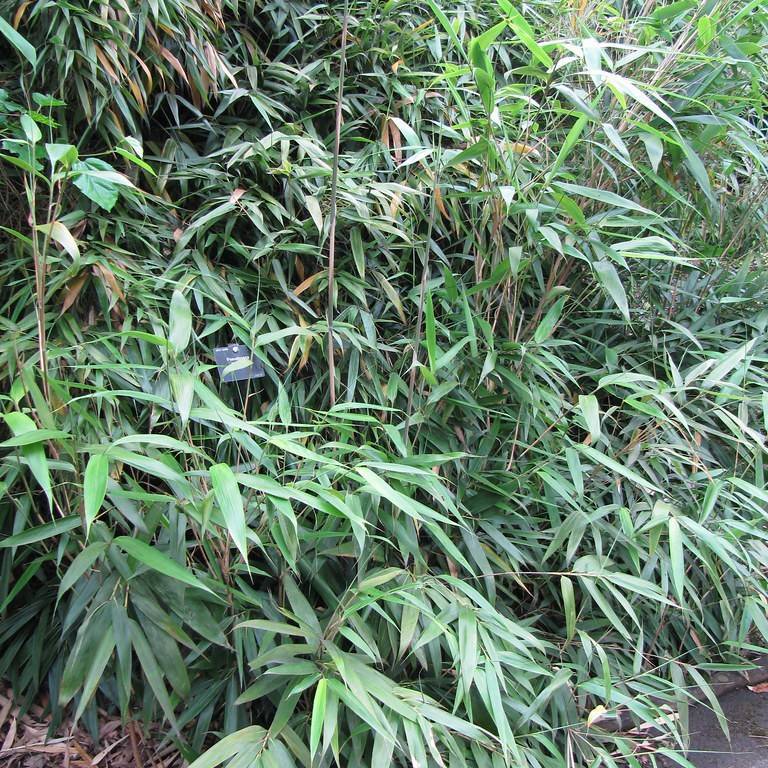
Arrow Bamboo
Pseudosasa japonica
Overview
Arrow bamboo gets its common name from its rigid, straight culms that were historically used by Japanese and Korean artisans to craft arrow shafts. It forms dense, upright clumps of glossy, dark green leaves that stay evergreen in most temperate climates, making it a popular year-round ornamental. Unlike running bamboo species, it spreads slowly via shallow rhizomes, reducing the risk of invasive spread in most garden settings. It tolerates a wider range of light and soil conditions than many other bamboo varieties, making it accessible for new and experienced gardeners alike.
Care Guide
Watering
Water arrow bamboo deeply 1-2 times per week during its first growing season to establish a strong root system, allowing the top 2 inches of soil to dry out between waterings once mature. Reduce watering frequency in winter, only supplying extra moisture during extended periods of drought to prevent leaf browning. Avoid overwatering or letting the plant sit in standing water, as this can cause rhizome rot and weaken the clump.
Light
Arrow bamboo thrives in full sun to partial shade, performing best with 4-6 hours of direct sunlight daily for the densest foliage growth. It can tolerate full shade, though growth will be slower, stems may be thinner, and leaf density will be reduced. In regions with extreme summer heat, provide light afternoon shade to prevent leaf scorch on young plants.
Soil
This adaptable bamboo grows well in most well-drained soil types, including loam, sandy loam, and slightly clay soils, with a preferred pH range of 5.5 to 7.0. Amend heavy clay soils with compost or aged bark to improve drainage before planting, as waterlogged soil will damage the rhizome system. It tolerates occasional poor soil fertility, but organic-rich soil will support faster, lusher growth.
Fertilizer
Feed arrow bamboo once in early spring with a balanced, slow-release 10-10-10 fertilizer formulated for grasses or woody ornamental plants to support new culm growth. Apply a second light feeding of nitrogen-rich fertilizer in early summer if foliage appears pale or growth is stunted, avoiding fertilization after mid-summer to prevent tender new growth that can be damaged by fall frost. Skip fertilization during the first growing season, as the fragile young root system can be burned by excess nutrients.
Temperature
Arrow bamboo is cold hardy to USDA zones 6 to 9, tolerating winter temperatures as low as -10°F (-23°C) without significant damage to established clumps. In cooler zones near its hardiness limit, apply a 3-4 inch layer of mulch around the base of the plant in late fall to insulate the rhizomes from extreme cold snaps. It tolerates summer heat up to 100°F (38°C) as long as it receives adequate moisture, though temporary leaf curling may occur during extreme heat.
Pruning
Prune arrow bamboo in late winter or early spring before new growth emerges, removing any dead, damaged, or weak culms at the base to improve air circulation and encourage new, healthy growth. Thin out overcrowded clumps by removing older, less productive culms every 2-3 years to maintain an open, tidy shape and prevent pest infestations. Trim back stray rhizomes that spread beyond the desired planting area by cutting them at least 6 inches below the soil surface to control spread.
Propagation
Arrow bamboo is most easily propagated via rhizome division in early spring just as new growth begins, carefully digging up a section of the clump with at least 2-3 healthy culms and attached rhizomes before replanting in a prepared site. Ensure each divided section has an intact root system and water thoroughly after planting to reduce transplant shock. It can also be grown from seed, but seed production is rare in cultivation, and germination rates are very low, making division the preferred method for home gardeners.
Humidity
Arrow bamboo tolerates a wide range of humidity levels, thriving in average ambient humidity between 40% and 70% common in its native temperate habitats. It can tolerate lower humidity levels, though occasional leaf browning at the tips may occur in very dry indoor or arid outdoor conditions. Mist the foliage occasionally during extended periods of very low humidity to keep leaves looking glossy and healthy.
Repotting
When grown in containers, repot arrow bamboo every 2-3 years in early spring before new growth starts, choosing a pot that is 2-3 inches larger in diameter than the current container to accommodate rhizome growth. Use a well-drained potting mix amended with compost or perlite to improve aeration, and gently loosen bound roots before repotting to encourage new root spread. For container plants that you do not wish to grow larger, you can divide the rhizome clump during repotting and return a smaller section to the original pot to control size.
Uses & Symbolism
Arrow bamboo is most commonly planted as a dense privacy screen or windbreak in temperate gardens, as its evergreen foliage provides year-round coverage. Its straight, rigid culms are still used for craft projects, arrow making, and small garden stakes, while its dense root system helps with erosion control on slopes. It can also be grown in large containers for patio screening, though its growth will be stunted compared to in-ground plantings.
Diseases & Pests
Arrow bamboo is relatively pest and disease resistant, though it can be susceptible to bamboo mites, which cause pale stippling on the leaves, and aphids that cluster on new growth, both of which can be controlled with insecticidal soap or neem oil sprays. Overwatering or poorly drained soil can lead to rhizome rot, a fungal disease that causes yellowing foliage and wilting, which can be prevented by ensuring proper drainage and avoiding excess moisture. In very humid, poorly ventilated areas, it may occasionally develop leaf spot, which can be treated by removing affected foliage and improving air circulation around the clump.
Related plants
Other plants you might like if you grow Arrow Bamboo.
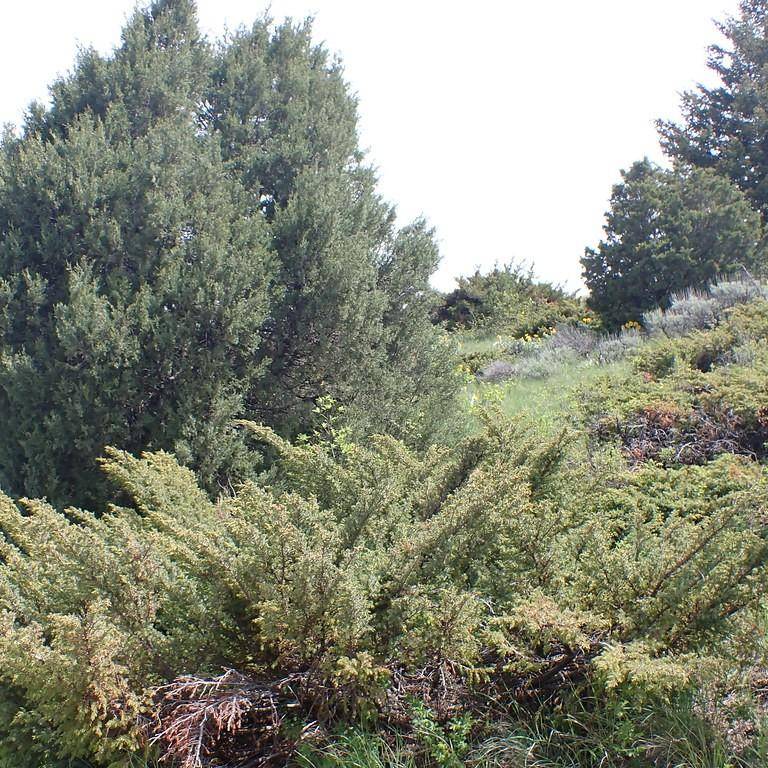
Creeping Juniper
Juniperus horizontalis
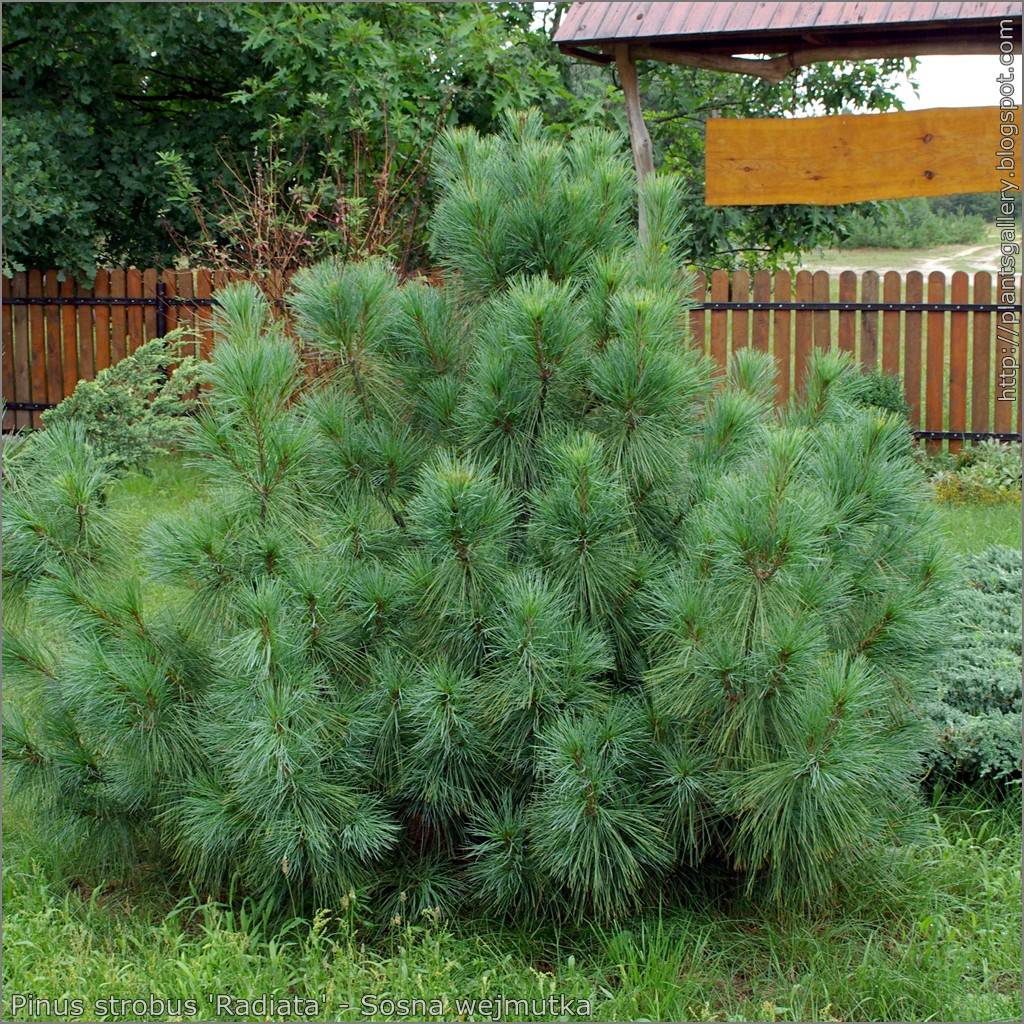
Dwarf Eastern White Pine
Pinus strobus 'Nana'
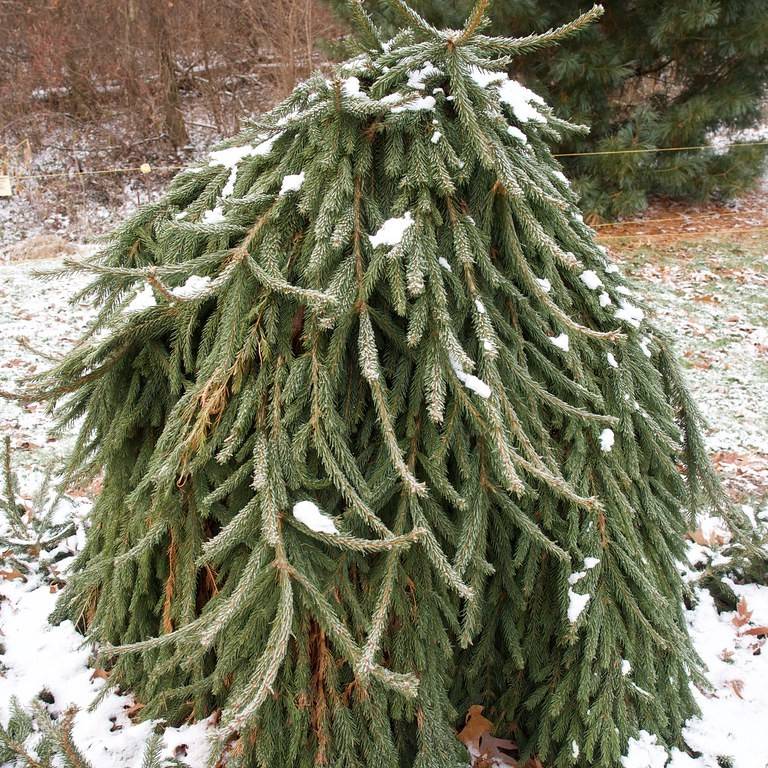
Dwarf Norway Spruce
Picea abies 'Nana'
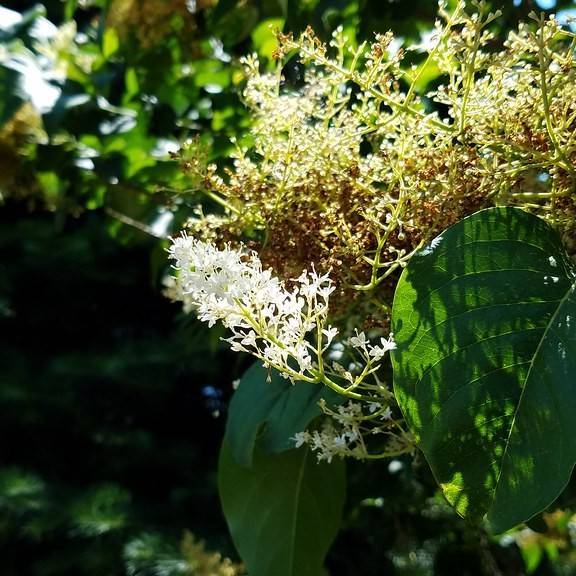
Japanese Tree Lilac
Syringa reticulata subsp. reticulata
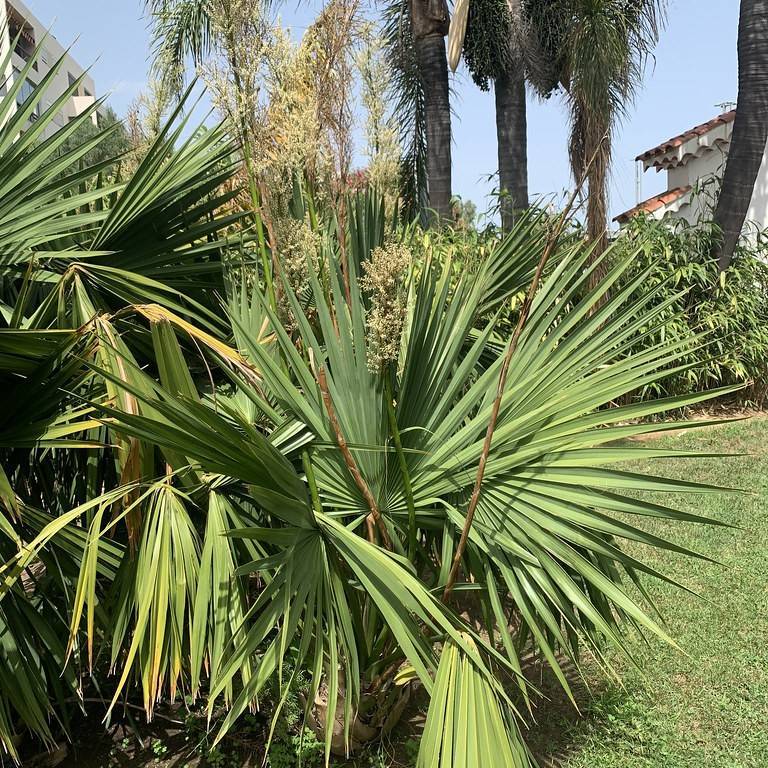
Dwarf Palmetto
Sabal minor
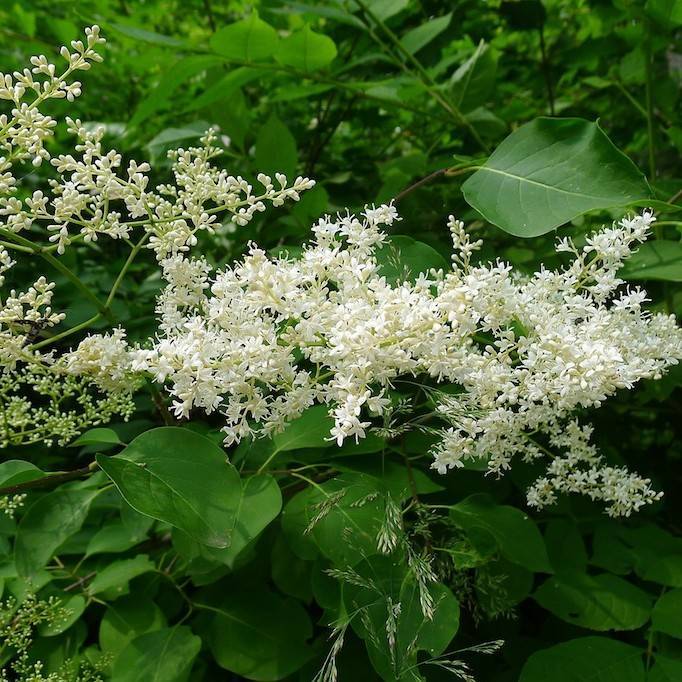
Chinese Tree Lilac
Syringa reticulata subsp. pekinensis
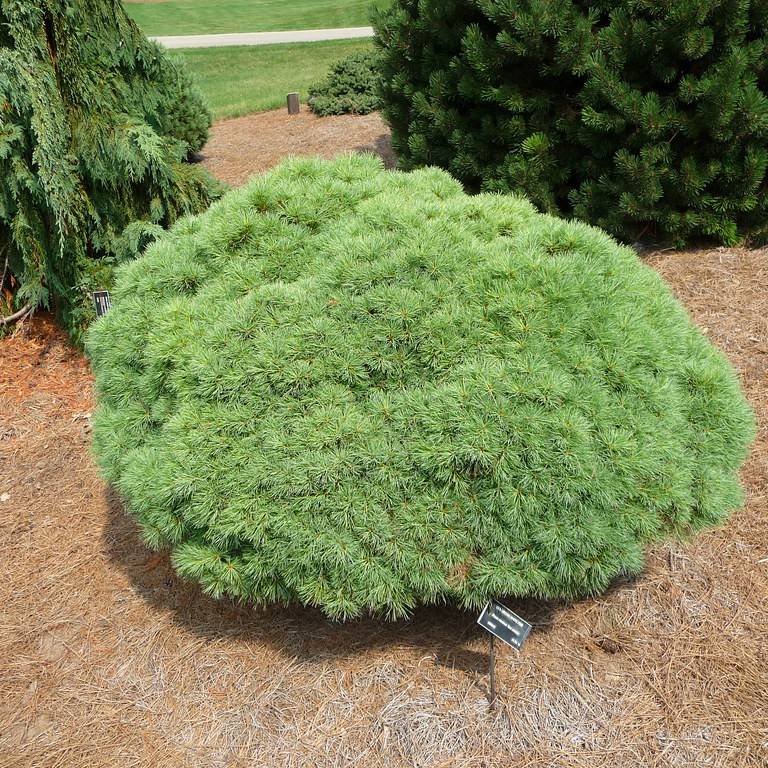
Eastern White Pine
Pinus strobus
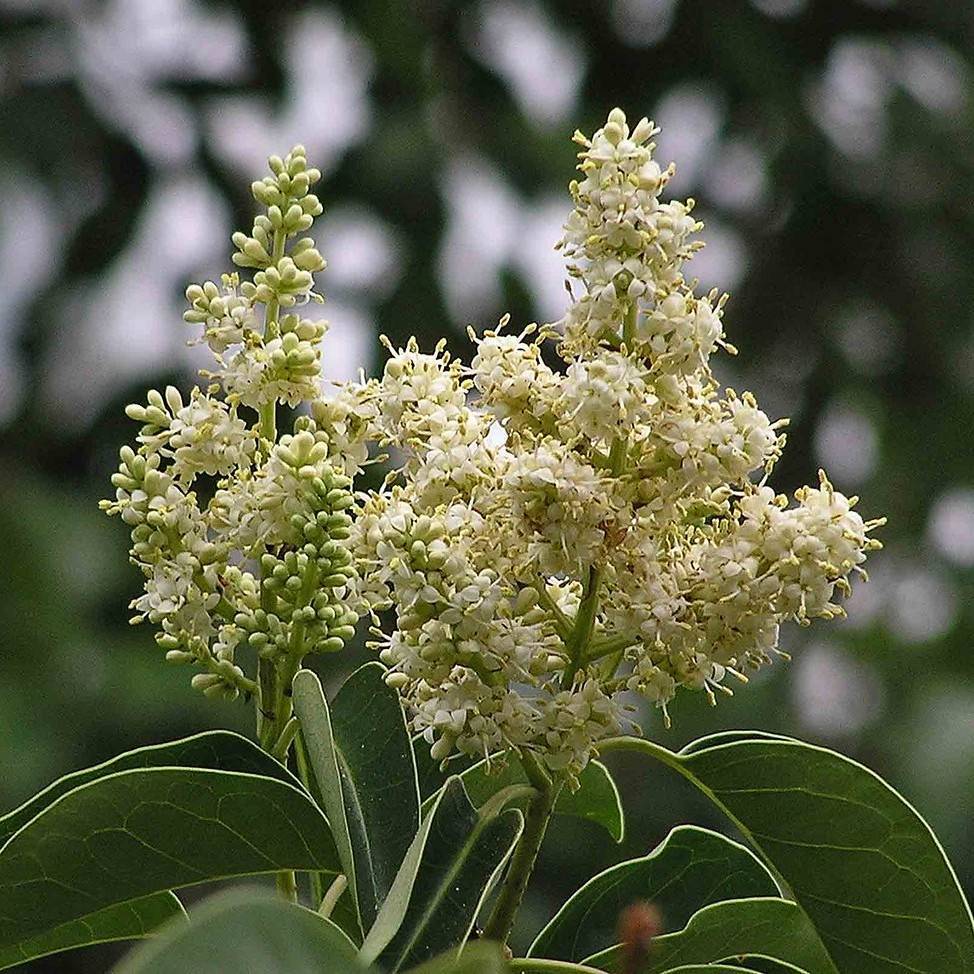
Glossy Privet
Ligustrum lucidum