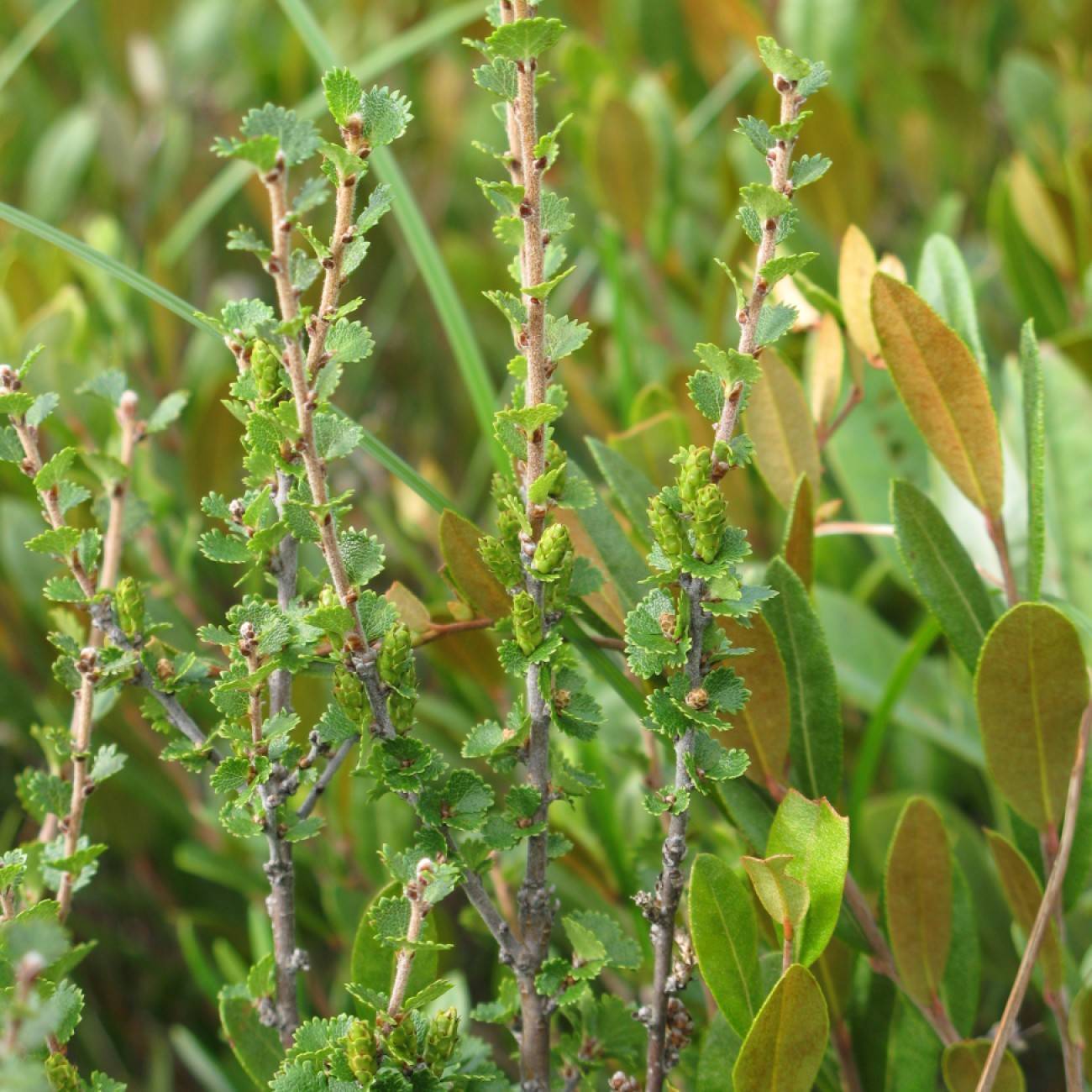
Dwarf Hybrid Blueberry
Vaccinium michauxii × Vaccinium pumilum var. pumilum
Overview
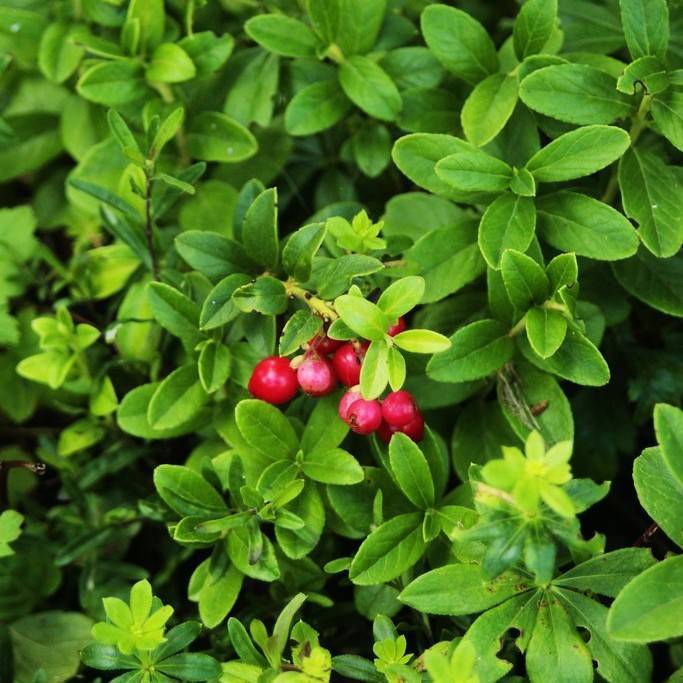
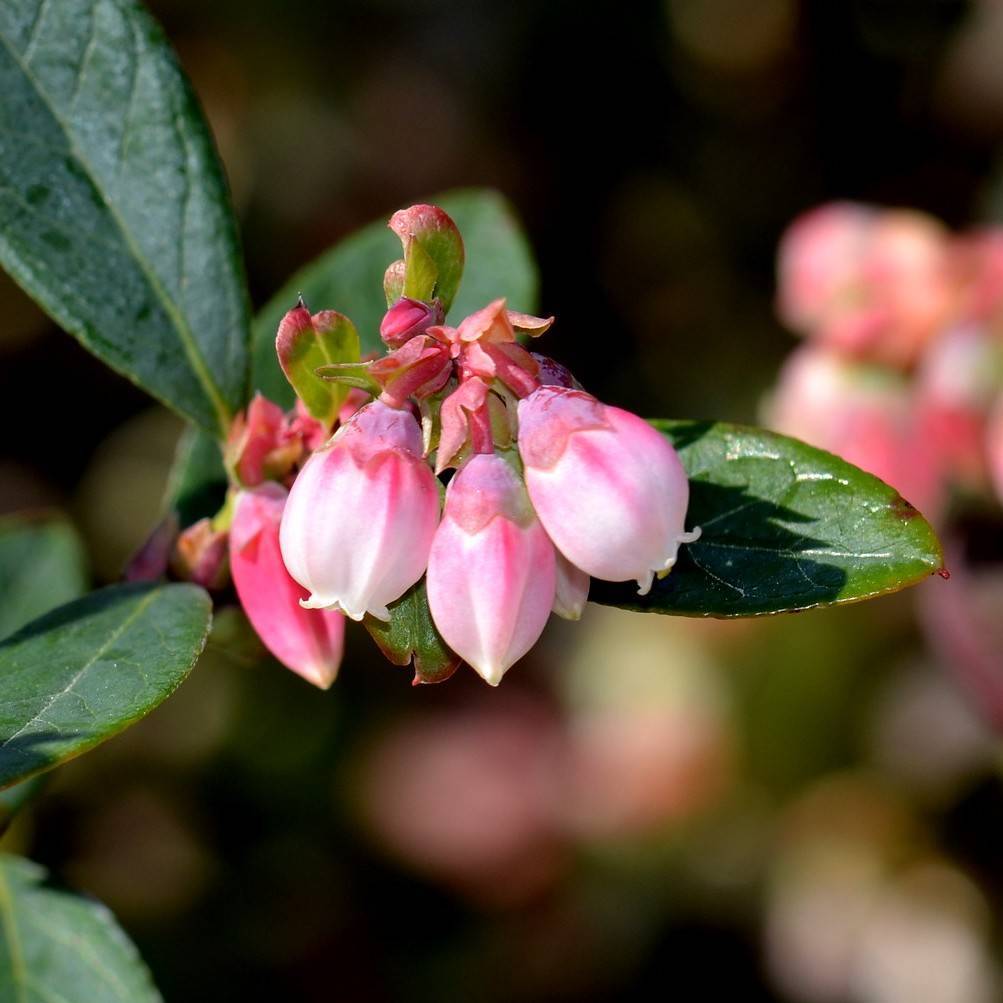
This low-growing hybrid blueberry is a cross between Vaccinium michauxii (Michaux’s blueberry, a dry upland native) and Vaccinium pumilum var. pumilum (dwarf lowbush blueberry). It combines the drought tolerance of its upland parent with the compact, spreading growth habit of the dwarf lowbush species, making it well-suited for rock gardens, ground cover plantings, and container cultivation. Its small, sweet dark blue berries are edible and attract a range of native pollinators and berry-eating wildlife.
Care Guide
Watering
Water regularly during the first two growing seasons to establish a deep root system, keeping soil consistently moist but never waterlogged to avoid root rot. Once established, the hybrid is moderately drought tolerant, requiring supplemental water only during extended dry spells of two weeks or longer. Avoid overhead watering to reduce the risk of foliar fungal diseases, targeting water directly at the root zone.
Light
Grow in full sun (6+ hours of direct sunlight daily) for optimal berry production and dense, compact foliage growth. It can tolerate partial shade, though shaded plants will produce fewer flowers and berries, and may develop a lankier, less uniform growth habit. Indoor container specimens require placement in a south-facing window or under full-spectrum grow lights for a minimum of 6 hours daily.
Soil
Requires extremely acidic, well-drained soil with a pH between 4.0 and 5.5, typical of ericaceous plant requirements; amend heavy or alkaline soil with peat moss, pine bark fines, or elemental sulfur to adjust pH and improve drainage. Sandy loam soil rich in organic matter is ideal, as it retains moderate moisture without becoming compacted or soggy around the shallow root system. Avoid soils with high clay content or poor drainage, as this hybrid is highly susceptible to root rot in waterlogged conditions.
Fertilizer
Feed lightly in early spring before new growth emerges with a slow-release, ericaceous (acid-loving) fertilizer formulated for blueberries, azaleas, or rhododendrons, following label rates closely to avoid over-fertilization which can damage shallow roots. Avoid fertilizers containing high levels of phosphorus, as blueberries have low phosphorus requirements and excess buildup can inhibit nutrient uptake. Do not fertilize after mid-summer, as this can stimulate tender new growth that will be damaged by late fall or winter cold.
Temperature
Thrives in temperate climates with average summer temperatures between 60–85°F (15–29°C), and requires 800–1200 hours of winter chill (temperatures below 45°F/7°C) to break dormancy and produce flowers and berries the following growing season. It is cold hardy to USDA zones 4–8, tolerating winter temperatures as low as -30°F (-34°C) when fully dormant, though container-grown specimens may require winter protection to insulate roots from extreme cold. Avoid planting in areas prone to late spring frost pockets, as emerging flower buds can be damaged by temperatures below 28°F (-2°C).
Pruning
Prune minimally in late winter or early spring before new growth begins, removing only dead, damaged, or diseased stems, and thinning out overly crowded growth to improve air circulation through the plant canopy. Once plants reach 3–4 years of age, remove up to one-third of the oldest woody stems annually to encourage new, productive growth that bears higher quality berries. Avoid heavy pruning, as this hybrid produces most of its flowers on second-year wood, and excessive cutting will significantly reduce berry yields for the growing season.
Propagation
Most reliably propagated via softwood stem cuttings taken in early summer from healthy, disease-free new growth; dip cut ends in rooting hormone, plant in a mix of peat moss and perlite, and keep under high humidity with indirect light until roots develop in 8–12 weeks. It can also be propagated via division of mature, well-established clumps in early spring before new growth emerges, carefully separating sections with intact roots and replanting immediately at the same depth as the parent plant. Seed propagation is not recommended, as hybrid seedlings will not retain the consistent growth habit and berry characteristics of the parent plant.
Humidity
Prefers moderate ambient humidity levels between 40–60%, which is typical of its native eastern North American woodland and upland habitats. It tolerates lower humidity levels once established, though extended periods of very dry air may cause leaf browning at the edges and reduce pollination success during the flowering period. For indoor container specimens, increase humidity by placing the pot on a tray filled with pebbles and water, or using a small room humidifier during dry winter heating seasons.
Repotting
Container-grown specimens should be repotted every 2–3 years in early spring before new growth emerges, moving to a pot only 1–2 inches larger in diameter than the previous container to avoid excess soil moisture buildup around shallow roots. Use a potting mix formulated specifically for acid-loving plants, or a custom mix of equal parts peat moss, pine bark fines, and perlite to maintain the required acidic pH and good drainage. After repotting, water thoroughly and keep the plant in indirect light for 1–2 weeks to allow roots to establish in the new growing medium before returning to full sun.
Uses & Symbolism
This compact hybrid blueberry is widely used as a low-growing edible ground cover for native plant gardens, rock gardens, and sloped sites where erosion control is desired, producing small, sweet berries suitable for fresh eating, baking, and preserves. It is also popular for container cultivation on patios and balconies, and is a valuable addition to wildlife gardens, attracting native bumblebees and other pollinators during its spring bloom, and providing food for songbirds and small mammals when berries ripen in mid-summer. Its dense, glossy green foliage that turns deep red in fall also makes it an attractive low ornamental edging plant for acidic soil landscapes.
Diseases & Pests
Common fungal diseases include powdery mildew, leaf spot, and mummy berry, which can be prevented by ensuring good air circulation around plants, avoiding overhead watering, and removing fallen leaf debris from the base of plants each fall. Common insect pests include blueberry maggot, aphids, and spider mites, which can be controlled with horticultural oil or insecticidal soap applications timed to the early stages of infestation, before populations become established. Root rot is the most significant cultural issue, occurring almost exclusively in poorly drained, overly wet, or alkaline soils, and can be avoided by ensuring proper soil pH and drainage at planting time.
Related plants
Other plants you might like if you grow Dwarf Hybrid Blueberry.