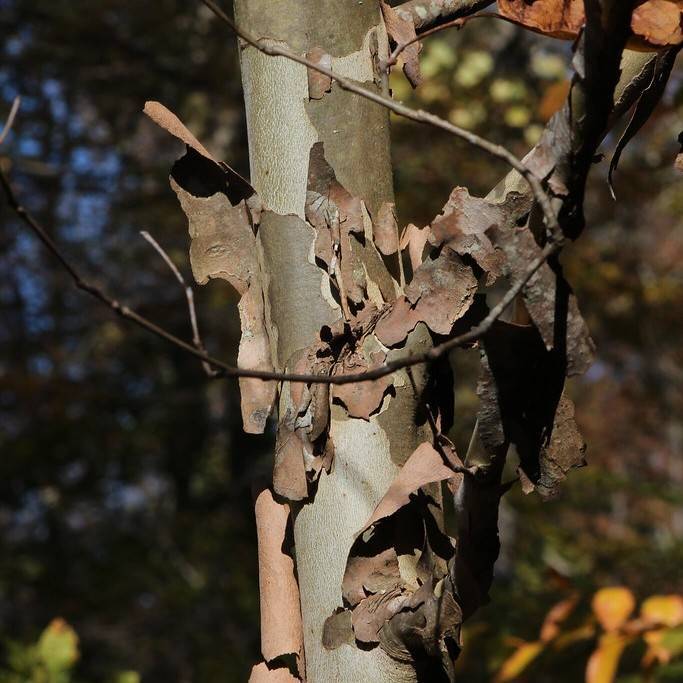
American Sycamore
Platanus occidentalis
Overview
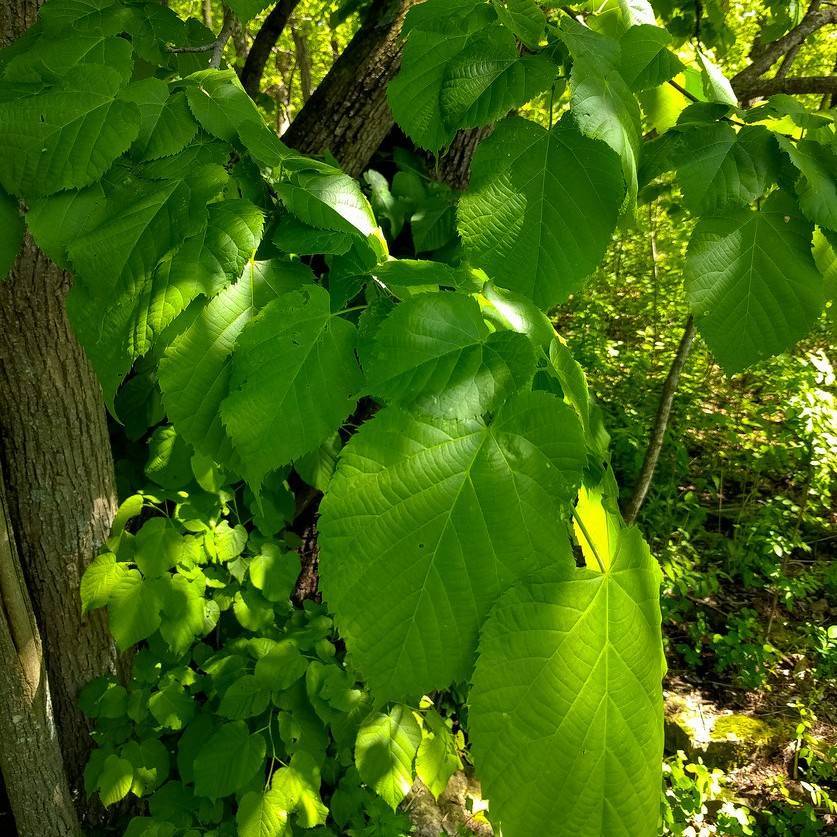
The American sycamore is one of the largest deciduous trees native to North America, recognizable by its smooth, patchy bark that flakes off to reveal cream, gray, and brown layers beneath. It has broad, palmately lobed leaves similar in shape to maple leaves, and produces round, fuzzy seed balls that hang from slender stalks through winter. Thriving in riparian zones and moist bottomlands, it is widely planted as a shade tree in urban and rural landscapes for its tolerance of pollution and compacted soil.
Care Guide
Watering
American sycamores prefer consistently moist, well-drained soil, and thrive near streams, ponds, or floodplains where they receive regular natural water. Young trees need weekly deep watering during dry spells to establish a strong root system, while mature specimens are moderately drought-tolerant and only require supplemental watering during extended periods of extreme heat or dryness. Avoid overwatering in poorly drained sites, as this can lead to root rot over time.
Light
This species requires full, direct sunlight for optimal growth, meaning a minimum of 6 hours of unobstructed sunlight per day. It does not tolerate heavy shade, and shaded specimens will exhibit sparse foliage, stunted growth, and increased susceptibility to pest and disease issues. Plant in an open area away from tall structures or other large trees that may block sunlight access.
Soil
American sycamores are highly adaptable to a wide range of soil types, including clay, loam, sand, and even compacted urban soils, as long as drainage is adequate. They prefer slightly acidic to neutral soil with a pH between 4.5 and 7.5, but can tolerate mildly alkaline conditions as well. The tree thrives in moist, fertile soils typical of floodplains, but can survive in poorer, drier soils once fully established.
Fertilizer
Young, newly planted sycamores benefit from a balanced, slow-release 10-10-10 fertilizer applied in early spring before new growth emerges to support root and foliage development. Mature, established trees rarely require fertilization if planted in moderately fertile soil, but a light application of nitrogen-rich fertilizer can be applied every 2-3 years if growth is stunted or foliage appears pale yellow. Avoid applying fertilizer late in the growing season, as this can stimulate tender new growth that is vulnerable to frost damage.
Temperature
American sycamores are hardy in USDA zones 4 through 9, tolerating winter temperatures as low as -30°F (-34°C) and summer highs up to 100°F (38°C) without significant stress. Young trees may benefit from a layer of mulch around the base in winter to insulate roots in colder parts of their range, while mature specimens are fully winter-hardy without additional protection. Extreme, prolonged temperature fluctuations in winter can sometimes cause bark cracking, but the tree typically recovers quickly.
Pruning
Prune American sycamores during the dormant season in late winter or early spring, before new buds break, to minimize sap bleeding and reduce the risk of disease transmission. Remove dead, damaged, or diseased branches first, then thin out crowded inner growth to improve air circulation through the canopy, which helps prevent fungal disease issues. Avoid heavy pruning of mature trees, as they are prone to developing rot in large cut wounds; only remove branches smaller than 4 inches in diameter unless absolutely necessary.
Propagation
American sycamores are most easily propagated from hardwood cuttings taken in late winter from dormant, healthy 1-year-old branches, which should be 8-12 inches long, planted in moist potting mix, and kept in a partially shaded area until roots develop in spring. They can also be grown from seed collected from mature dried seed balls in late fall or winter; seeds require 60-90 days of cold stratification before sowing to break dormancy. Grafting is rarely used for this species, as cuttings and seed produce true-to-type plants reliably.
Humidity
This tree tolerates a wide range of humidity levels, thriving in the high humidity of its native riparian and eastern North American habitats, but also adapting well to the drier conditions of the central Great Plains. It has no specific humidity requirements when grown outdoors, and tolerates dry air from urban heating and cooling systems better than many other large tree species. Excessively prolonged high humidity combined with poor air circulation can increase the risk of foliar fungal diseases, so proper spacing and pruning to improve airflow are recommended.
Repotting
American sycamores are almost exclusively grown as outdoor landscape trees and are not suitable for long-term container growth, so repotting is not a standard care practice for mature specimens. Young saplings grown in containers for transplanting should be repotted annually into a larger pot until they are planted permanently in the ground, typically within 1-2 years of germination to avoid root binding. When transplanting young trees, dig a hole twice as wide as the root ball and at the same depth as the container to reduce transplant shock.
Uses & Symbolism
American sycamores are widely planted as shade trees in parks, along streets, and in large residential landscapes, valued for their rapid growth and dense, broad canopy that provides ample summer shade. Their strong, coarse-grained wood is used for furniture, flooring, pallets, and butcher blocks, as it resists splitting and holds up well to heavy wear. In ecological restoration projects, they are planted along riverbanks and in riparian zones to stabilize soil, reduce erosion, and provide food and habitat for birds, squirrels, and other wildlife.
Diseases & Pests
The most common disease affecting American sycamores is anthracnose, a fungal infection that causes leaf browning, defoliation, and twig dieback in cool, wet spring weather; while it can be unsightly, it rarely kills healthy mature trees, which usually regrow new foliage by mid-summer. Other common issues include powdery mildew, canker stains, and root rot in poorly drained soils, as well as pest infestations from sycamore lace bugs, borers, and scale insects that can weaken stressed trees. Proper cultural care, including planting in full sun, providing adequate air circulation, and avoiding overwatering, significantly reduces the risk of most pest and disease problems.
Related plants
Other plants you might like if you grow American Sycamore.