Dry Spike Sedge
Carex spicata
Overview
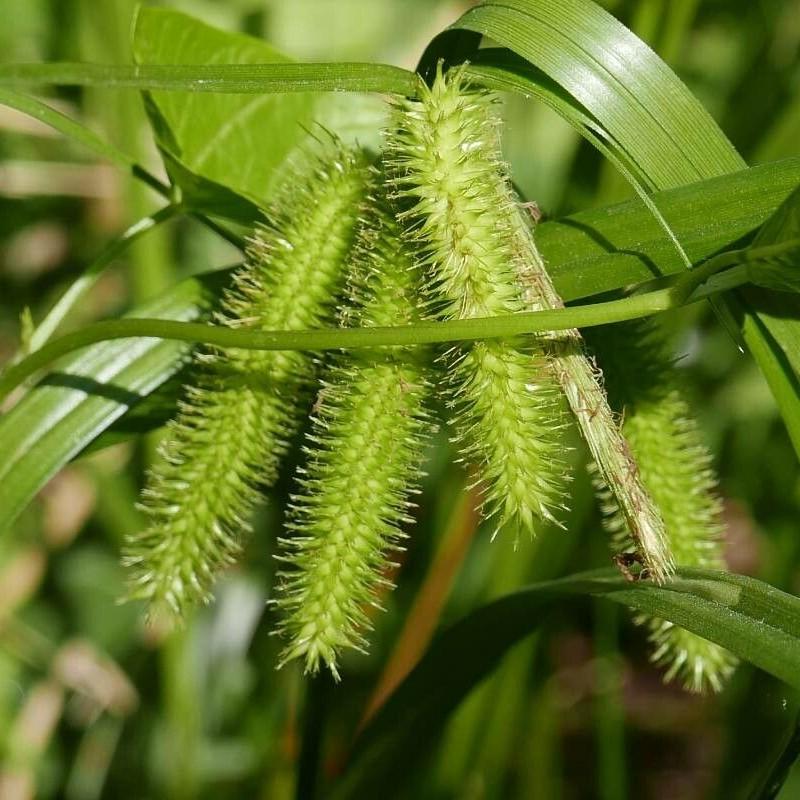
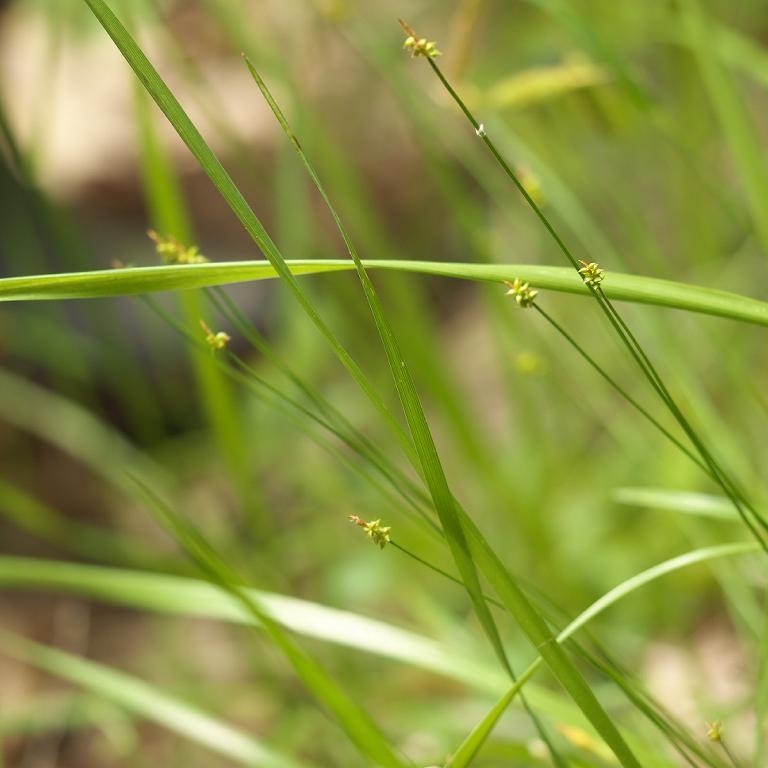
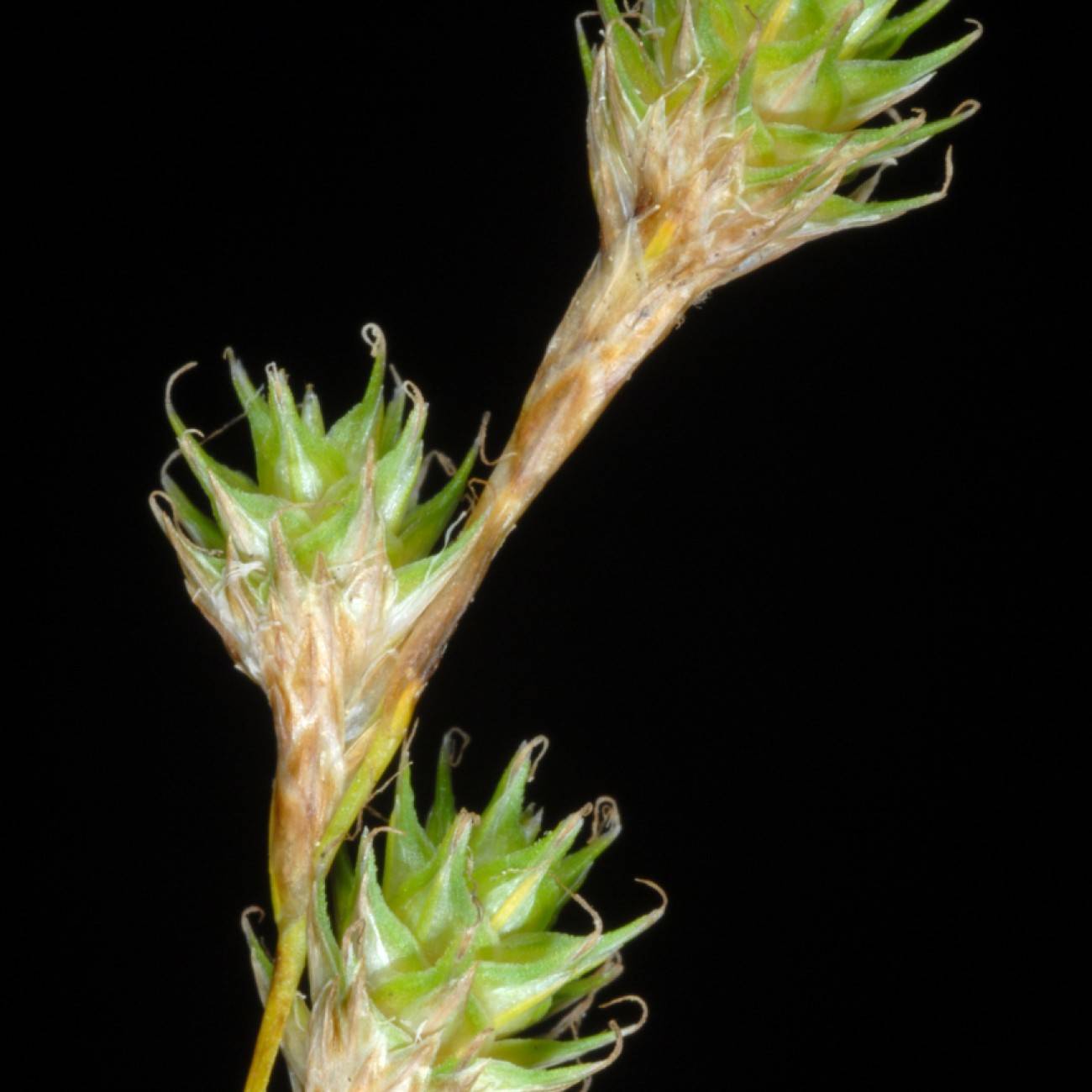
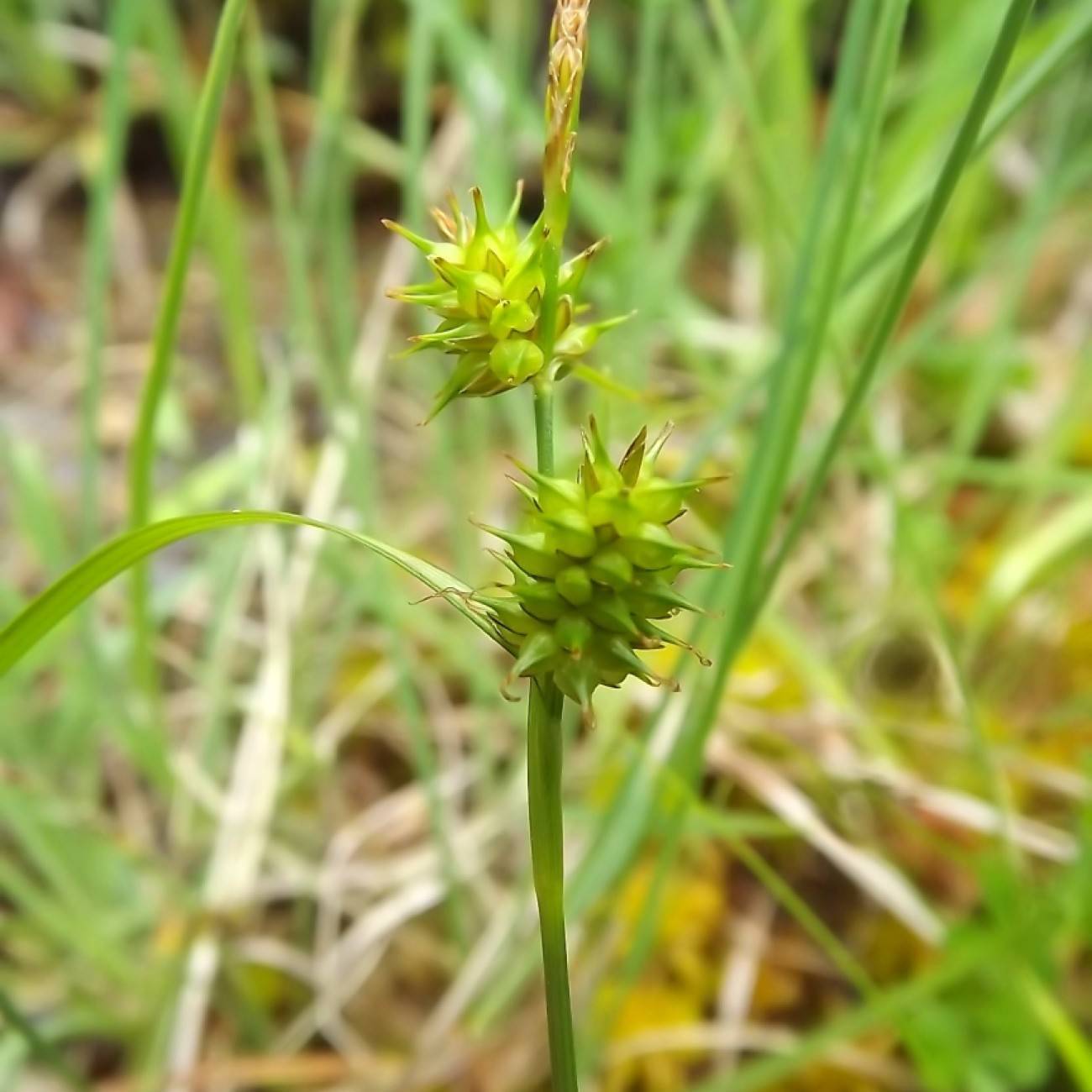
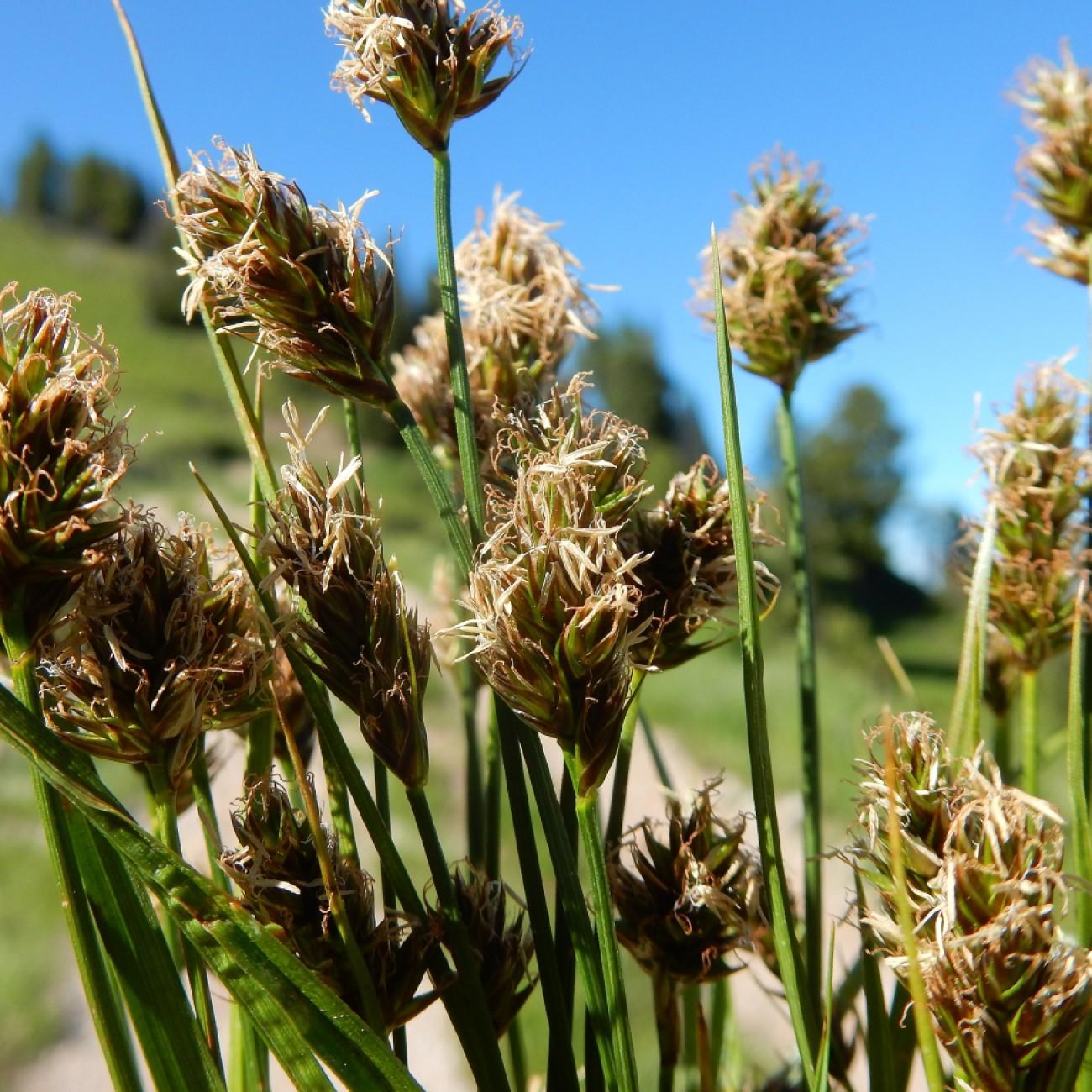
Dry spike sedge is a tufted, grass-like perennial common in meadows, roadsides, and dry grasslands across its native range. It produces upright stems topped with tight, oblong spikelets of brownish flowers from late spring to mid-summer, which are wind-pollinated. Drought-tolerant and adaptable, it thrives in poor, compacted soils where many other ornamental grasses struggle.
Care Guide
Watering
Water deeply only when the top 2 to 3 inches of soil feel dry; this species is highly drought-tolerant once established and overwatering can lead to root rot. Reduce watering frequency significantly during the winter dormant period to keep soil barely moist. Avoid standing water around the root zone at all times to prevent fungal issues.
Light
Grows best in full sun to partial shade, with at least 4 hours of direct sunlight daily to support robust foliage and flowering. In very hot, arid climates, provide light afternoon shade to prevent leaf scorch. It will tolerate deep shade but will produce fewer flower spikes and have a looser growth habit.
Soil
Adaptable to a wide range of soil types, including sandy, loamy, and heavy clay soils, as long as drainage is good. It tolerates poor, compacted, and low-fertility soils better than most ornamental sedges. A neutral to slightly alkaline pH between 6.0 and 8.0 is ideal for optimal growth.
Fertilizer
Dry spike sedge has very low nutrient needs and rarely requires fertilization when grown in garden beds. If grown in containers, apply a balanced, slow-release 10-10-10 fertilizer once per year in early spring at half the recommended rate. Overfertilization will cause overly lush, weak growth that is prone to lodging.
Temperature
Hardy in USDA zones 4 through 8, tolerating winter lows down to -30°F (-34°C) and summer highs up to 95°F (35°C). It goes dormant during extended periods of extreme heat or cold, resuming growth when temperatures moderate. Protect potted specimens from prolonged freezing temperatures by moving them to a sheltered location in winter.
Pruning
Cut back entire clumps to 2 to 3 inches above the soil line in late winter or early spring before new growth emerges to remove dead foliage and encourage fresh, tidy growth. Remove spent flower spikes during the growing season if a neater appearance is desired, though leaving them provides food for small seed-eating birds. Trim away any yellow or brown leaves as needed throughout the year to maintain appearance.
Propagation
Easiest to propagate by division in early spring or late fall, when the plant is dormant: dig up entire clumps, split into smaller sections with healthy roots and foliage, and replant immediately at the same depth as the parent plant. It can also be grown from seed sown directly outdoors in fall, as seeds require a period of cold stratification to germinate. Division produces mature plants much faster than seed propagation.
Humidity
Tolerates a wide range of humidity levels from 30% to 70%, thriving in the moderate humidity of its native temperate grassland habitats. It does not require misting or supplemental humidity, even in dry indoor environments. High humidity combined with poor air circulation can increase the risk of foliar fungal diseases.
Repotting
Potted dry spike sedge only needs repotting every 3 to 4 years, when roots begin to grow through the drainage holes or the plant becomes root-bound. Repot in early spring before new growth starts, using a well-draining potting mix and a container only 1 to 2 inches larger than the previous one. Ensure the container has adequate drainage holes to prevent waterlogging.
Uses & Symbolism
Dry spike sedge is often used in native plant gardens, xeriscapes, and erosion control plantings for slopes and disturbed sites, as its dense root system holds soil effectively. It provides shelter and seed for small birds, pollinators, and beneficial insects, making it a valuable addition to wildlife gardens. Its compact, clumping habit also makes it suitable for low-maintenance container plantings and border edges.
Diseases & Pests
Dry spike sedge is relatively pest and disease resistant, though it can develop root rot if grown in consistently waterlogged soil. Fungal leaf spot may occur in conditions of high humidity and poor air circulation, which can be managed by removing affected foliage and improving air flow around plants. Aphids and spider mites may occasionally infest stressed plants, and can be controlled with insecticidal soap or neem oil.
Related plants
Other plants you might like if you grow Dry Spike Sedge.