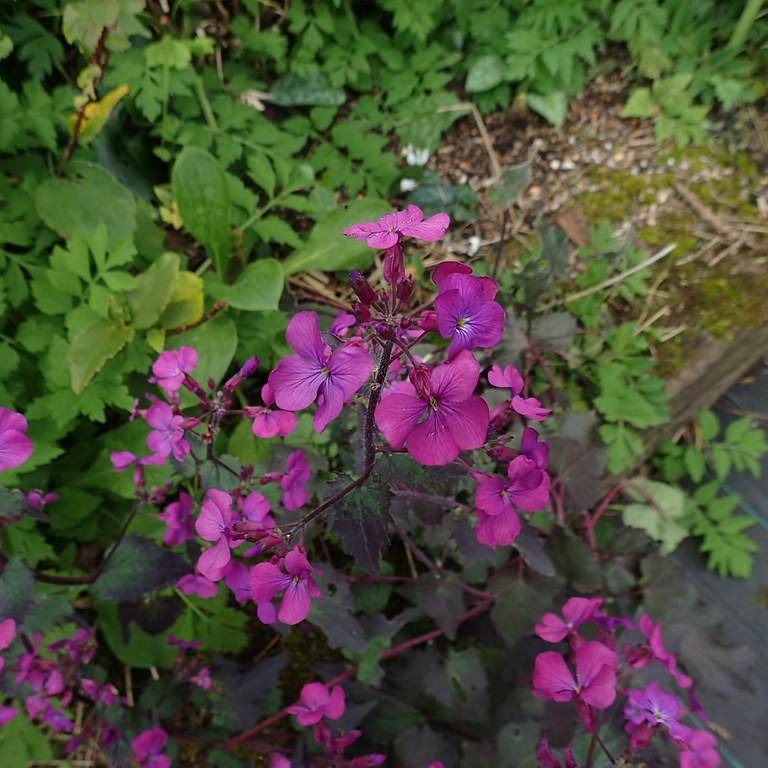
Annual Honesty
Lunaria annua
Overview
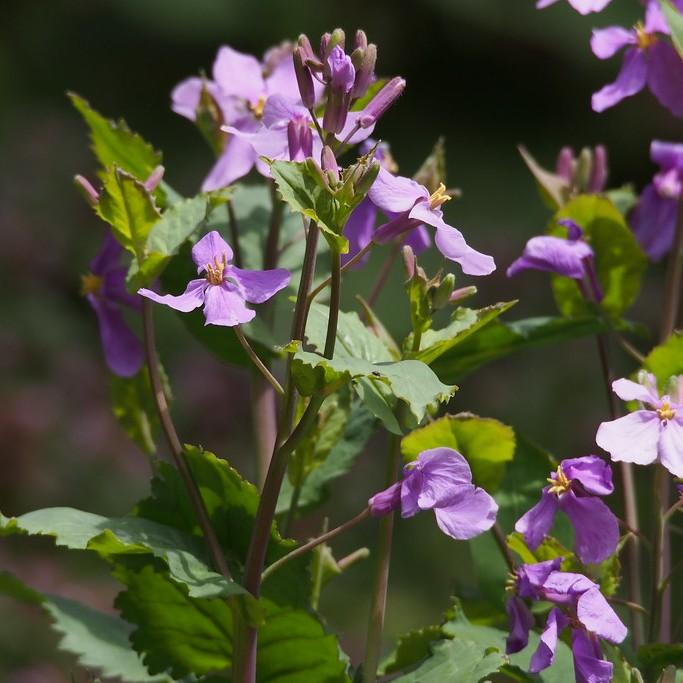
Annual Honesty, also called silver dollar plant or money plant, is a popular ornamental grown for its distinctive flat, circular seed pods that dry to a silvery, translucent finish. It produces loose clusters of four-petaled, fragrant purple or white flowers in spring, followed by elongated seed pods that mature and split to reveal the decorative inner membrane. It self-seeds readily in suitable conditions, often returning year after year in garden beds without intentional replanting.
Care Guide
Watering
Water Annual Honesty regularly during its first few weeks of growth to establish a strong root system, keeping soil evenly moist but not waterlogged. Once established, it is moderately drought tolerant, only requiring supplemental water during extended periods of hot, dry weather. Avoid overwatering, as soggy soil can lead to root rot and fungal issues.
Light
Grow Annual Honesty in full sun to partial shade for optimal flowering and seed pod production. Full sun, defined as 6 or more hours of direct sunlight daily, encourages the most abundant blooms and sturdiest stems. In regions with very hot summer sun, light afternoon shade will prevent foliage scorching and extend the plant’s growing period.
Soil
Annual Honesty thrives in well-drained, loamy soil with a neutral to slightly alkaline pH between 6.0 and 7.5. It can tolerate poor, dry soils and mild clay content as long as excess water drains quickly, preventing root saturation. Amending heavy soil with compost or coarse sand before planting will improve drainage and support healthier growth.
Fertilizer
Annual Honesty is not a heavy feeder and typically grows well without regular fertilization if planted in average garden soil. If soil is very nutrient-poor, apply a balanced, slow-release 10-10-10 fertilizer once at the start of the growing season to support foliage and flower development. Avoid over-fertilizing, as this will encourage excessive leaf growth at the expense of flower and seed pod production.
Temperature
Annual Honesty prefers cool growing temperatures between 50–75°F (10–24°C) and can tolerate light frosts in early spring and late fall. It will bolt and decline rapidly once summer temperatures consistently rise above 85°F (29°C), completing its life cycle once seed pods mature. It is hardy in all USDA zones as an annual, planted after the last frost date in colder regions or sown in fall in mild winter climates.
Pruning
Pruning is generally not required for Annual Honesty, though spent flowers can be deadheaded if you do not want the plant to self-seed across your garden. If growing for decorative seed pods, leave spent blooms intact to allow pods to develop fully on the stem. Once seed pods are harvested or the plant has completed its life cycle, pull the entire plant and discard it to make space for subsequent plantings.
Propagation
Annual Honesty is almost exclusively propagated from seed, sown directly in the garden in early spring after the last frost or in late fall for earlier spring germination. Scatter seeds thinly on the soil surface and cover with a 1/4 inch (6 mm) layer of fine soil, as light helps trigger germination, which typically occurs in 10–20 days under cool, moist conditions. Thin seedlings to 12–18 inches (30–45 cm) apart once they develop their second set of true leaves to prevent overcrowding.
Humidity
Annual Honesty adapts well to average outdoor humidity levels between 40–60%, with no special humidity requirements for healthy growth. High humidity combined with poor air circulation can increase the risk of fungal leaf spots, so space plants appropriately to allow airflow around foliage. It tolerates low humidity conditions well, making it suitable for dry, sunny garden locations.
Repotting
Annual Honesty is rarely grown in containers long-term, so repotting is generally not required. If started in seed trays to transplant outdoors, move seedlings to their final garden location once they have 2–3 true leaves, taking care not to disturb the delicate taproot. If grown in decorative containers for spring displays, keep them in their original pot for the duration of their short lifespan, as root disturbance can shock the plant and reduce flowering.
Uses & Symbolism
Annual Honesty is most widely grown as an ornamental for cut flower arrangements and dried craft projects, as its silvery seed pods retain their shape and color for years when dried properly. The young leaves and tender shoots are edible, with a mild peppery flavor similar to other brassicas, and can be added raw to salads or cooked as a potherb. It is also planted in pollinator gardens to support bees and butterflies, which are drawn to its fragrant spring nectar sources.
Diseases & Pests
Annual Honesty is relatively pest and disease resistant, though it can be susceptible to common brassica pests including aphids, flea beetles, and cabbage white caterpillars, which feed on foliage and can stunt growth if populations are high. Fungal issues such as downy mildew, powdery mildew, and leaf spot can occur in wet, humid conditions with poor air circulation around plants. Root rot may develop if plants are grown in poorly drained, waterlogged soil for extended periods, leading to yellowing foliage and sudden plant collapse.
Related plants
Other plants you might like if you grow Annual Honesty.