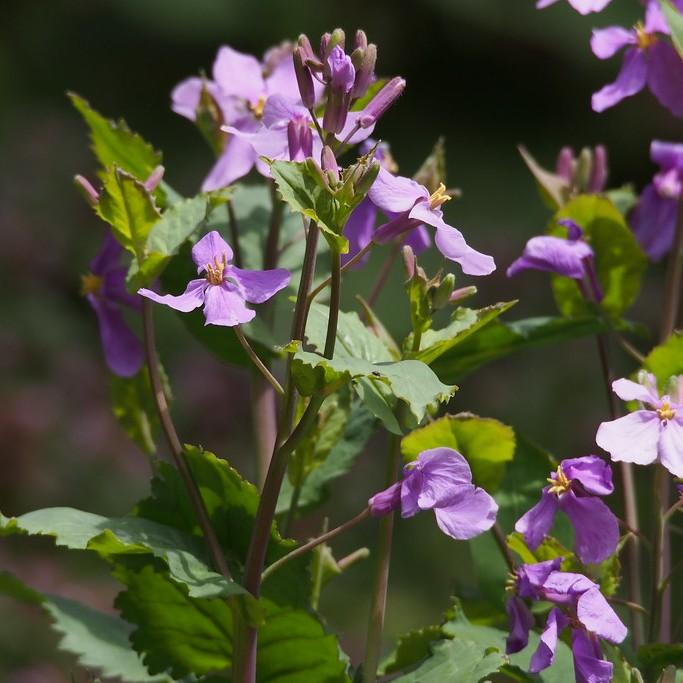
Chinese Violet Cress
Orychophragmus violaceus
Overview
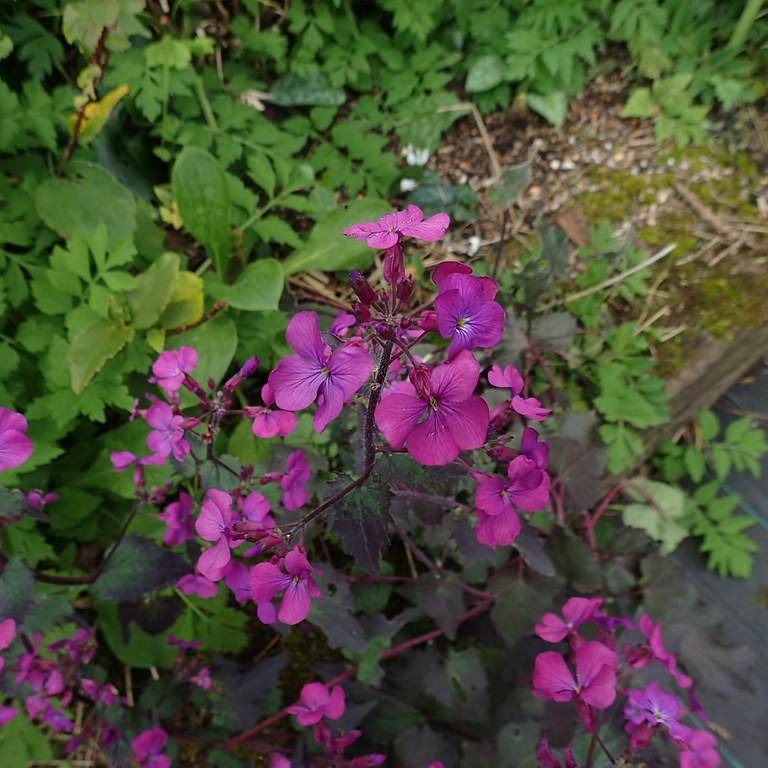
Chinese Violet Cress, also called February orchid in its native range, is a low-growing biennial that produces masses of soft violet to lavender flowers from late winter to early spring. It naturalizes readily in temperate regions, forming dense, colorful mats that provide early-season nectar for pollinators. Its foliage has a subtle peppery taste similar to arugula, making it a dual-purpose ornamental and edible landscape plant.
Care Guide
Watering
Water regularly to keep soil consistently moist but not waterlogged, especially during active growth in fall and early spring. Reduce watering once the plant finishes flowering and begins to die back in late spring, as it enters dormancy after setting seed. Avoid overwatering in heavy clay soils to prevent root rot.
Light
Thrives in full sun to partial shade, with dappled afternoon shade preferred in regions with hot, early spring sun to prolong bloom time. Plants grown in full shade will produce fewer flowers and have leggy, sparse foliage. It tolerates low light conditions during cool winter months without significant stress.
Soil
Adaptable to a wide range of soil types, including sandy, loam, and moderately clay soils, as long as drainage is adequate. Prefers a neutral to slightly alkaline pH between 6.5 and 7.5, but will tolerate slightly acidic conditions as well. It does not require highly fertile soil, and performs well in average, unamended garden soil.
Fertilizer
Fertilize lightly in early fall when seedlings are establishing, using a balanced, slow-release 10-10-10 fertilizer at half the recommended rate. Avoid over-fertilizing, as this will encourage excessive foliage growth at the expense of flower production. No additional fertilizer is needed during the winter or blooming season in most garden settings.
Temperature
Prefers cool temperatures between 40-65°F (4-18°C), and is hardy to USDA zones 4 through 9, tolerating light frosts and short periods of freezing temperatures without damage. It will begin to die back once temperatures consistently exceed 75°F (24°C) in late spring, going dormant until fall germination. Young seedlings can survive cold winter temperatures with minimal protection in most temperate regions.
Pruning
Deadhead spent flowers if you wish to prevent self-seeding and control spread in formal garden beds. If grown as an edible, harvest outer leaves regularly throughout the growing season to encourage new, tender foliage production. Cut back entire plants to ground level once they finish blooming and begin to yellow in late spring to clean up planting areas.
Propagation
Easily propagated from seed, which can be sown directly in the garden in late summer or early fall for blooms the following spring. Seeds require no stratification, and will germinate within 7-14 days when kept moist at temperatures between 50-60°F (10-15°C). Plants self-seed readily in favorable conditions, often forming large, naturalized colonies over time.
Humidity
Tolerates a wide range of humidity levels, from dry continental climates to moist coastal environments, as long as soil moisture is adequate. High humidity combined with poor air circulation can increase risk of fungal leaf spot, so space plants 6-8 inches apart to promote airflow. No additional humidity adjustments are needed for outdoor or indoor cultivation.
Repotting
Rarely grown in containers, but if potted, repot seedlings once they develop 2-3 true leaves into a well-draining potting mix in a container with drainage holes. Plants have a shallow root system, so a 6-8 inch deep pot is sufficient for full growth. No further repotting is needed during its short biennial lifecycle.
Uses & Symbolism
Chinese Violet Cress is widely planted as an early-season ornamental groundcover in rock gardens, border edges, and naturalized meadows, where its bright purple blooms provide color long before most other spring flowers emerge. Its tender leaves and young flower buds are edible, often added raw to salads, stir-fries, or used as a mild, peppery garnish similar to arugula. In traditional Chinese medicine, it has been used topically to soothe minor skin irritations and reduce inflammation, though clinical evidence for these uses is limited.
Diseases & Pests
Chinese Violet Cress is relatively pest and disease resistant, but can be susceptible to common brassica pests including aphids, flea beetles, and cabbage white caterpillars, which feed on foliage and can cause significant damage to young plants. Fungal diseases such as downy mildew and leaf spot may occur in overly wet, poorly ventilated conditions, especially during extended periods of cool, damp weather. Root rot can develop if plants are grown in heavy, waterlogged soil for prolonged periods.
Related plants
Other plants you might like if you grow Chinese Violet Cress.