Dudley S Rush Daylily
Hemerocallis 'Dudley S Rush'
Overview
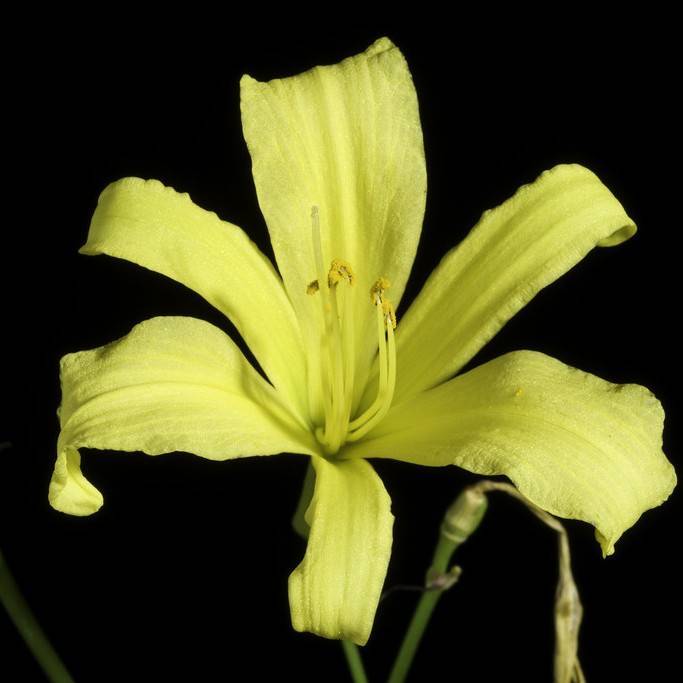
The 'Dudley S Rush' daylily is a award-winning hybrid known for its profusion of large, 5-6 inch wide golden-yellow blooms with gently ruffled petal edges that appear in early summer, with a secondary bloom period in late summer to early fall. Each individual flower lasts only one day, but the plant produces dozens of buds on sturdy, erect scapes for continuous color across its blooming windows. This robust, clump-forming daylily is widely favored by home gardeners for its low-maintenance nature and reliable performance in diverse climates.
Care Guide
Watering
Water regularly during the first growing season to establish a deep, extensive root system, providing roughly 1 inch of water per week through rainfall or irrigation. Once established, 'Dudley S Rush' is moderately drought tolerant, requiring supplemental watering only during prolonged dry spells to support consistent blooming. Avoid overhead watering to minimize the risk of foliar diseases, directing water to the base of the plant instead.
Light
Plant in full sun, defined as 6 or more hours of direct sunlight per day, for the most abundant and vibrant bloom production. It can tolerate partial shade, but flowering will be reduced, and plants may become leggy if they receive fewer than 4 hours of direct sun daily. In regions with extremely hot, intense afternoon sun, light dappled shade during the hottest part of the day can prevent petal scorch.
Soil
Thrives in average, well-drained soil with a slightly acidic to neutral pH range of 6.0 to 7.0, though it is adaptable to a wide range of soil types including clay, loam, and sandy soils. Avoid waterlogged, heavy soils that hold standing water, as this can cause the fleshy rhizomes to rot. Amending heavy or poor soils with organic matter such as compost prior to planting will improve drainage and nutrient availability for healthier growth.
Fertilizer
Apply a balanced, slow-release 10-10-10 fertilizer in early spring just as new foliage emerges to support vigorous vegetative growth and initial bloom development. A second light application of a phosphorus-rich fertilizer can be applied after the first bloom cycle ends to encourage the secondary rebloom period. Avoid over-fertilizing, particularly with high-nitrogen formulas, as this can promote excessive foliage growth at the expense of flowering.
Temperature
Adaptable to USDA hardiness zones 3 through 9, tolerating winter lows as low as -40°F (-40°C) and summer highs up to 100°F (38°C) when established. Mulching around the base of the plant in late fall will insulate the roots from extreme temperature fluctuations in cold winter zones, reducing the risk of frost heave. In regions with very hot summers, consistent soil moisture will help the plant withstand high temperatures without stress.
Pruning
Remove spent flower scapes after all buds on the stem have bloomed to keep the plant looking tidy and prevent energy from being directed to seed production. In late fall after the first hard frost kills back the foliage, cut the leaves back to 2-3 inches above the soil line to remove overwintering pest and disease habitat. Remove any yellowed or damaged foliage throughout the growing season as needed to maintain plant health.
Propagation
Easily propagated by division of established clumps, best performed in early spring before new growth starts or in early fall after the second bloom period ends. Dig up the entire clump, carefully separate the rhizomes into sections with at least 2-3 fan-shaped foliage clusters and healthy root systems each, then replant the divisions at the same depth they were growing originally. Division every 3-5 years is recommended to prevent overcrowding, which can reduce blooming performance.
Humidity
Tolerates a wide range of humidity levels, performing well in both dry and moderately humid climates as long as soil moisture and drainage needs are met. High humidity combined with poor air circulation can increase the risk of foliar fungal diseases, so space plants 18-24 inches apart to allow for adequate airflow around the foliage. No additional humidity adjustments are needed for outdoor plantings.
Repotting
When grown in containers, repot every 2-3 years in early spring before new growth emerges, moving to a pot one size larger with fresh, well-drained potting mix amended with compost. Ensure the container has sufficient drainage holes to prevent waterlogging of the rhizomes, which can lead to rot. Container-grown plants may require more frequent watering and fertilization than in-ground plantings, as nutrients leach out of potting mix faster with regular irrigation.
Uses & Symbolism
Widely planted in perennial borders, cottage gardens, mass landscape plantings, and pollinator gardens, where its bright golden blooms attract bees, butterflies, and hummingbirds throughout the blooming season. Its sturdy growth habit and tolerance of poor soils make it suitable for erosion control on slopes and for planting in difficult, low-fertility areas of the landscape. It also works well as a cut flower, with individual stems lasting several days in arrangements as new buds open sequentially.
Diseases & Pests
Generally very disease resistant, but can be susceptible to foliar fungal diseases such as leaf streak and rust in conditions of high humidity, poor air circulation, or excessive overhead watering. Common pests include aphids, spider mites, and thrips, which feed on new growth and flower buds, and slugs and snails, which may chew holes in young foliage in damp conditions. Root rot can occur in poorly drained, waterlogged soils, so proper site preparation to ensure good drainage is the best preventive measure.
Related plants
Other plants you might like if you grow Dudley S Rush Daylily.