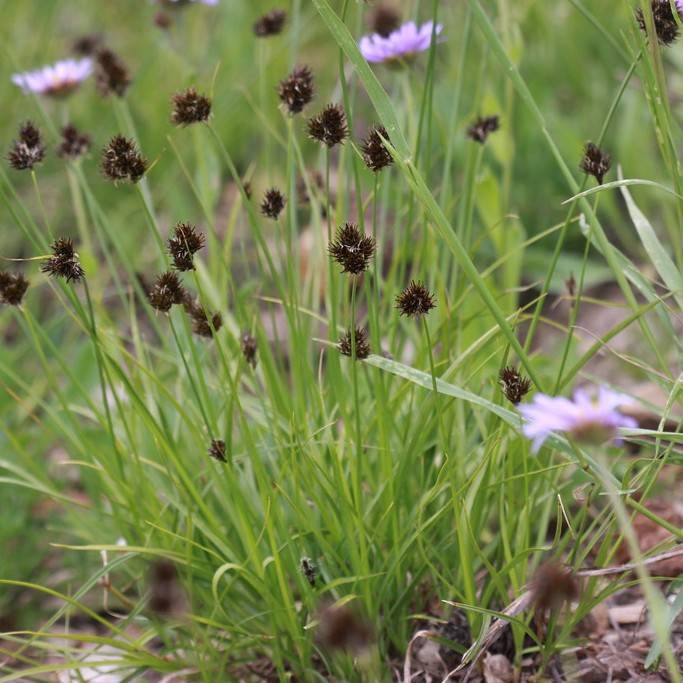
Cloud Sedge
Carex buchananii
Overview
Cloud sedge, also called red rooster sedge, is a cool-season perennial valued for its fine, arching leaves that shift from warm bronze to rich copper in full sun, forming dense, fountain-like clumps that sway gently in wind to produce a hazy, cloud-like effect. It is highly adaptable to a range of growing conditions, making it a popular choice for low-maintenance landscapes, rock gardens, and border edging in temperate regions. Though it produces small, inconspicuous brown flower spikes in late spring, its foliage is the primary ornamental feature, retaining its color year-round in mild climates.
Care Guide
Watering
Water cloud sedge regularly during its first growing season to establish a deep, extensive root system, keeping the soil consistently moist but not waterlogged. Once established, it is moderately drought tolerant, requiring supplemental water only during extended periods of dry, hot weather to prevent foliage browning. Avoid overwatering in poorly drained soils, as this can lead to root rot.
Light
Cloud sedge thrives in full sun to partial shade, with the most vibrant coppery foliage color developing when it receives at least 6 hours of direct sunlight daily. In regions with intense, scorching summer sun, light afternoon shade is beneficial to prevent leaf scorch and maintain consistent foliage appearance. It can tolerate full shade, but foliage will be greener, less vibrant, and clumps may grow looser and less compact.
Soil
This sedge adapts to a wide range of soil types, including sandy, loamy, and clay soils, as long as the site provides reasonable drainage. It tolerates moderately acidic to slightly alkaline pH levels, and can even handle occasional wet soil, making it suitable for rain garden edges or low-lying areas that receive periodic moisture. For container growth, use a standard all-purpose potting mix amended with a small amount of perlite to improve drainage.
Fertilizer
Cloud sedge is a light feeder that typically requires minimal fertilization to thrive, especially when planted in reasonably fertile garden soil. Apply a balanced, slow-release granular fertilizer in early spring, just before new growth emerges, at half the recommended rate for ornamental perennials to avoid encouraging overly lush, floppy growth. Container-grown specimens can be given a diluted liquid balanced fertilizer once every 4 to 6 weeks during the growing season, if foliage appears pale.
Temperature
It is hardy in USDA zones 7 to 9, tolerating winter temperatures as low as 0°F (-18°C) when established, with foliage remaining evergreen in the warmer end of its range. It prefers cool, mild growing conditions, and may go semi-dormant during extended periods of summer heat above 90°F (32°C), with browning leaf tips that can be trimmed away to improve appearance. In regions with harsher winters below zone 7, it can be grown as an annual or overwintered indoors in a bright, cool location.
Pruning
Prune cloud sedge once annually in late winter or early spring, before new growth begins, cutting back the entire clump to 2 to 3 inches above the soil line to remove old, dead foliage and make way for fresh, vibrant new leaves. During the growing season, trim away any brown, damaged, or unsightly leaf tips as needed to maintain a neat appearance, taking care not to cut into healthy green foliage. Deadheading spent flower spikes is optional, as they are subtle and do not detract from the plant’s appearance, but can be done for a more uniform look.
Propagation
Cloud sedge is most easily propagated by division, which should be done in early spring just as new growth starts, or in early fall when temperatures are cool. To divide, dig up the entire mature clump, gently separate it into smaller sections with a sharp, clean knife, each containing a portion of the root system and several healthy leaf shoots, then replant sections immediately at the same depth they were growing previously. It can also be grown from seed sown directly outdoors in fall or cold-stratified and sown indoors in late winter, though seed-grown plants may take 2 to 3 years to reach full mature size.
Humidity
Cloud sedge adapts well to average ambient humidity levels between 40% and 70%, which are typical of most temperate growing regions. It tolerates lower humidity levels common in arid climates as long as it receives adequate soil moisture, and also handles higher humidity in coastal or wetland regions without issue. When grown indoors as a houseplant, it does not require extra humidity, though occasional misting can help reduce leaf tip browning if indoor air is excessively dry.
Repotting
Container-grown cloud sedge should be repotted every 2 to 3 years in early spring, before new growth emerges, when the root system has filled the pot and begins to circle the bottom or emerge through drainage holes. Choose a pot that is 1 to 2 inches larger in diameter than the current container, with adequate drainage holes, and use a fresh, well-draining all-purpose potting mix. After repotting, water thoroughly to settle the soil around the roots, and avoid fertilizing for 4 to 6 weeks to prevent burning new, tender roots.
Uses & Symbolism
Cloud sedge is widely used as an ornamental landscape plant, planted en masse as a groundcover, used as edging along borders and walkways, or incorporated into rock gardens, rain gardens, and coastal landscapes for its fine texture and drought tolerance. It is also a popular choice for container gardens and mixed planters, where its arching, soft foliage acts as a graceful filler that contrasts well with broad-leafed perennials and colorful flowering annuals. Additionally, it is often used in ecological restoration projects in its native New Zealand to stabilize soil on slopes and provide habitat for small native insects and birds.
Diseases & Pests
Cloud sedge is largely pest and disease resistant, with few serious issues affecting healthy, well-sited plants. Overly wet, poorly drained soils can lead to root rot and fungal leaf spot diseases, which can be prevented by planting in well-draining sites and avoiding overhead watering that keeps foliage wet for extended periods. Aphids and spider mites may occasionally infest stressed plants, especially those grown indoors or in hot, dry conditions, and can be controlled with insecticidal soap or a strong jet of water to dislodge the pests.
Related plants
Other plants you might like if you grow Cloud Sedge.
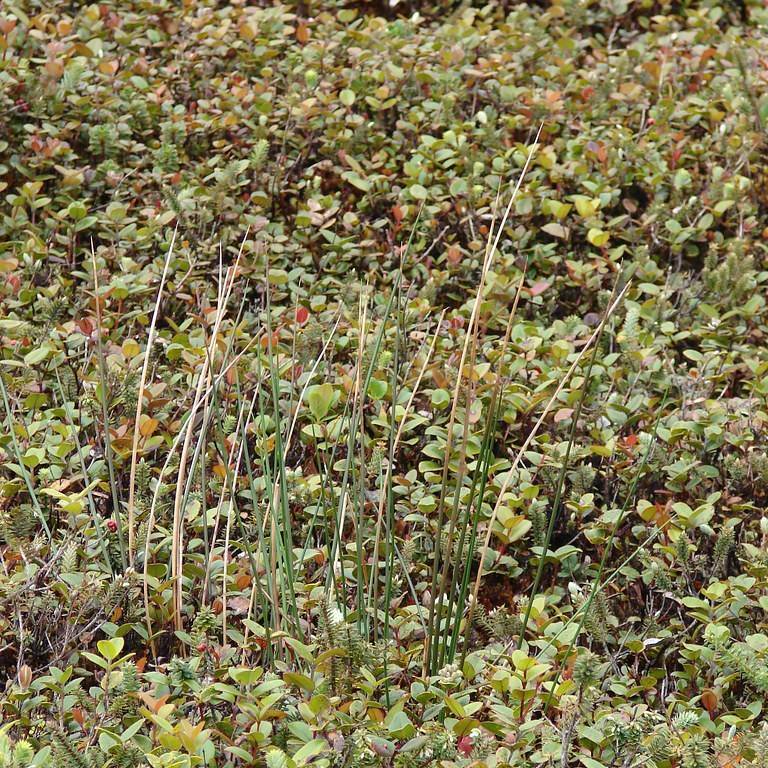
Dwarf Mat Rush
Lomandra confertifolia subsp. pallida 'Little Con'
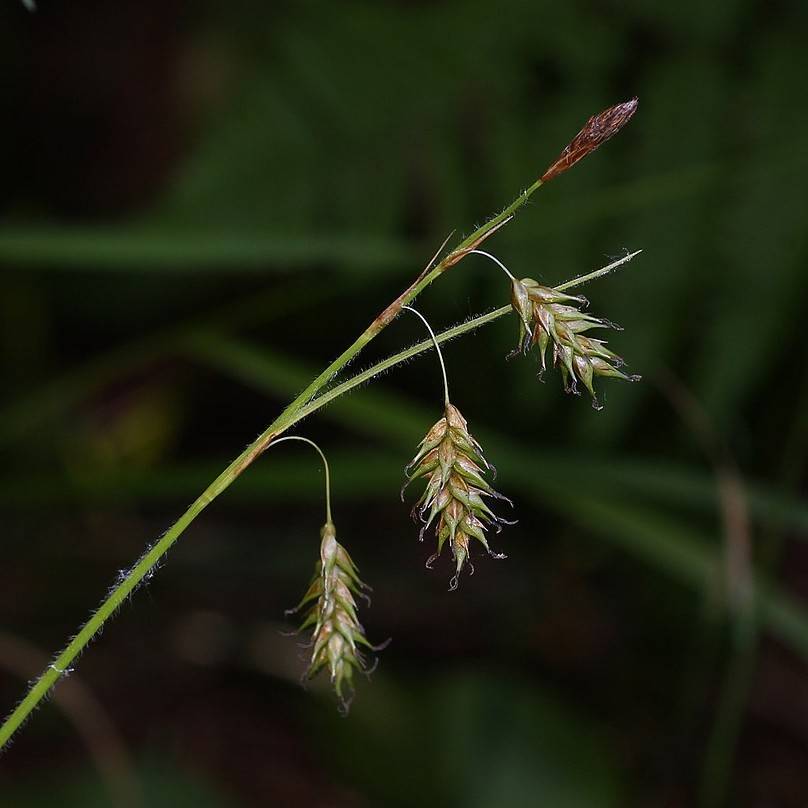
Chestnut Colored Sedge
Carex buchananii
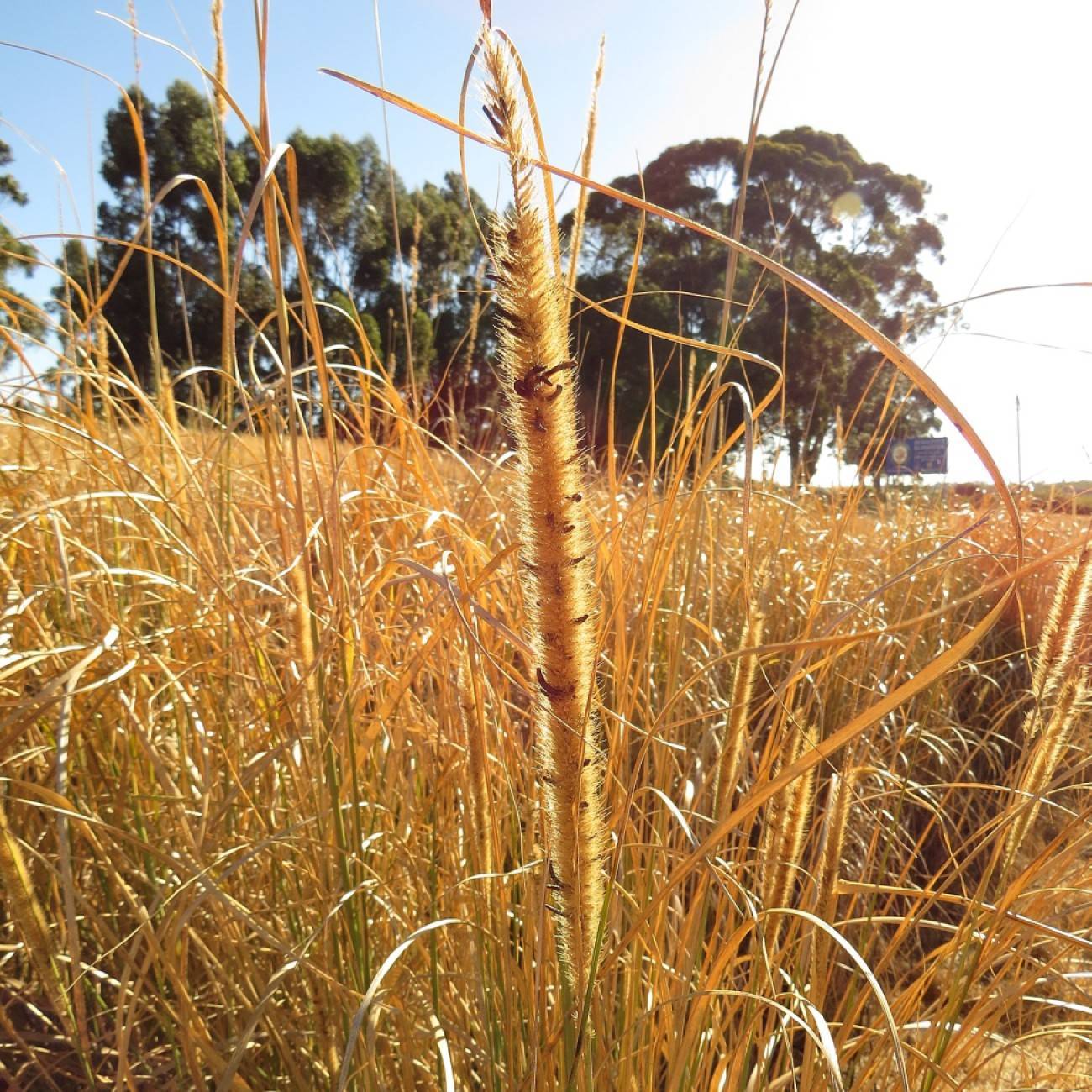
African Feather Grass
Cenchrus macrourus
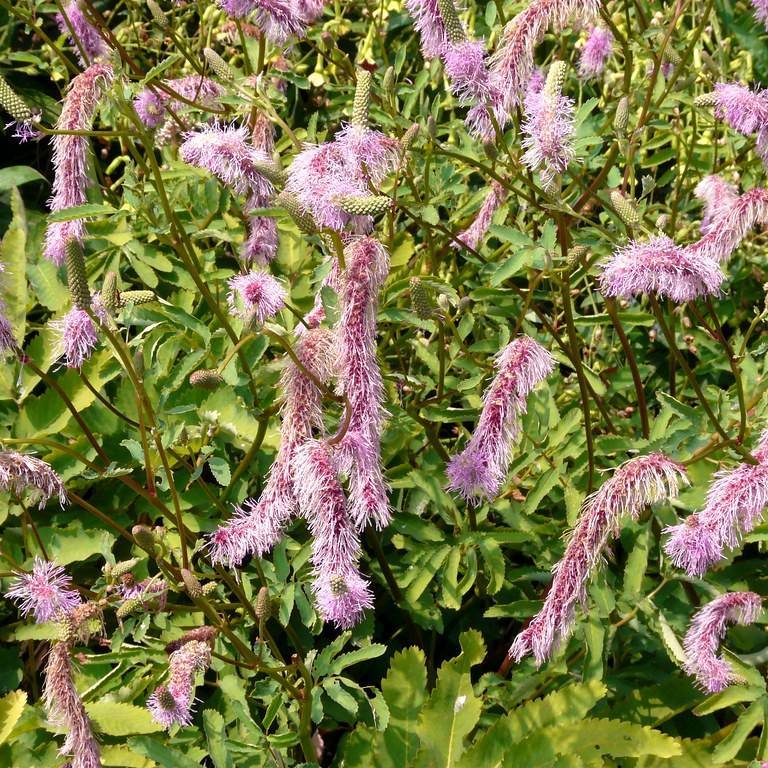
Bottlebrush
Callistemon citrinus

Fountain Grass
Cenchrus setaceus
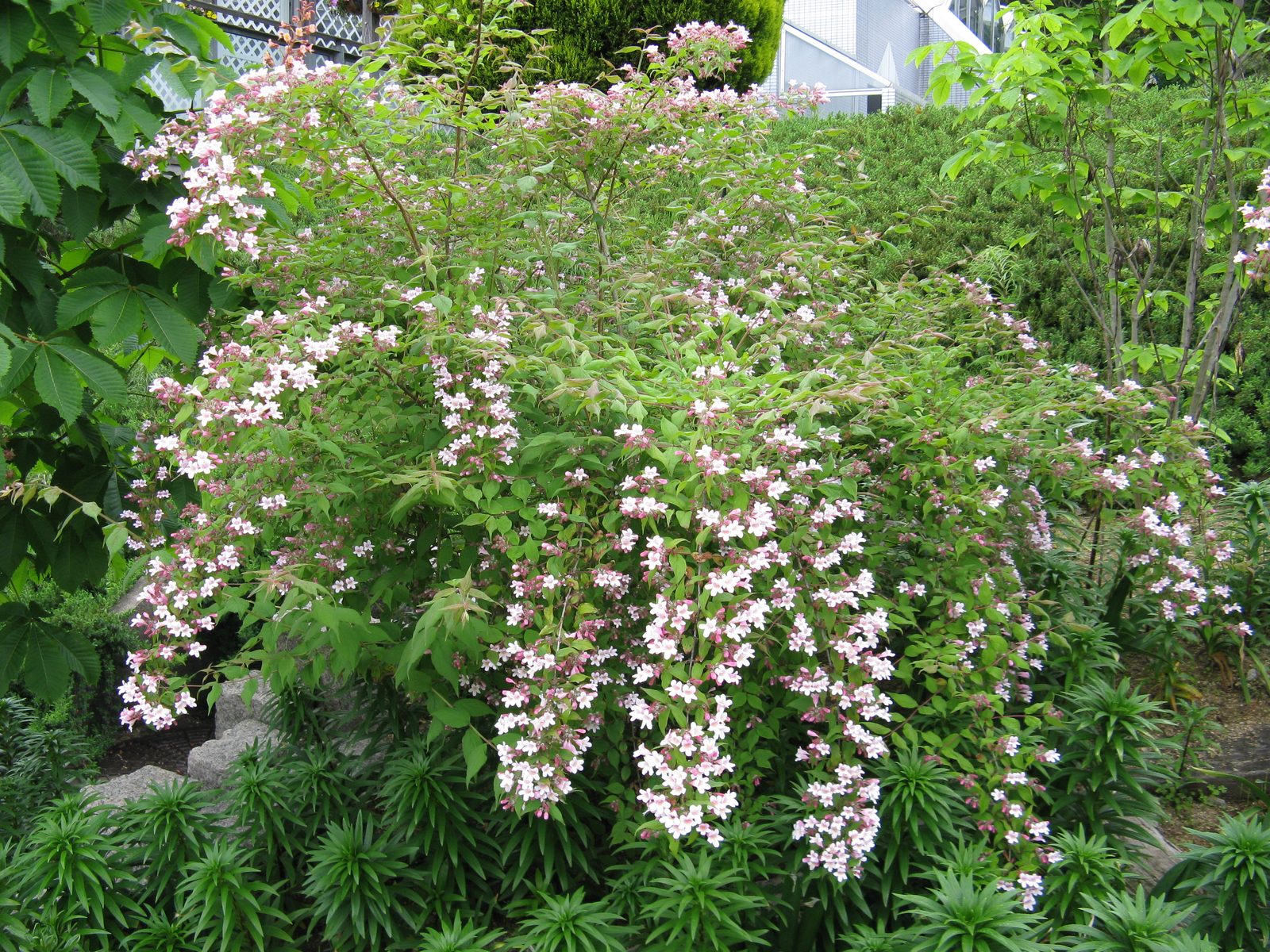
Beauty Bush
Kolkwitzia amabilis
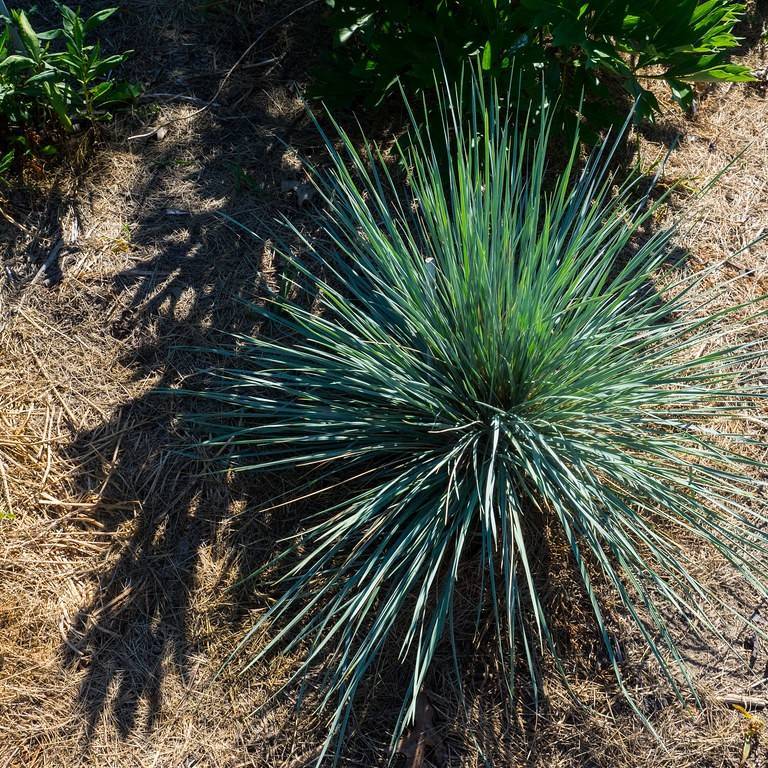
Blue Oat Grass
Helictotrichon sempervirens
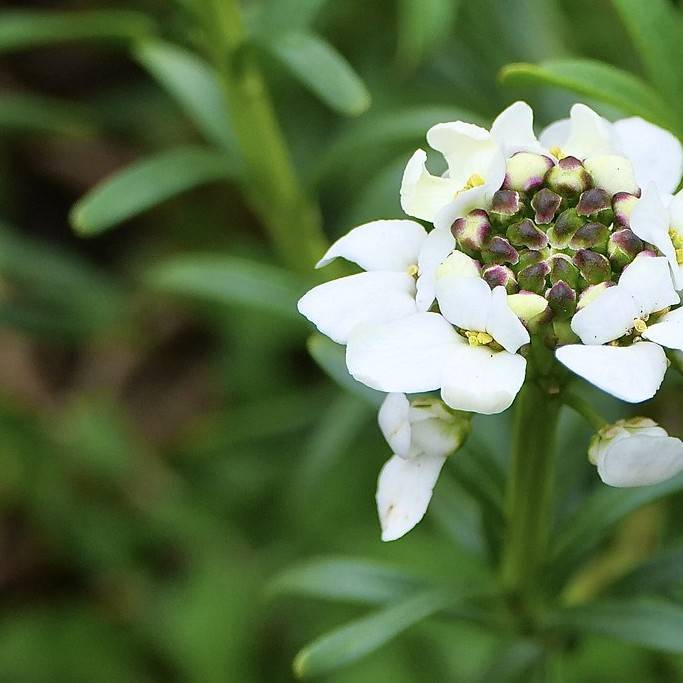
Candytuft
Iberis sempervirens